Choosing Vibrant Colored Contacts for wholesale involves more than selecting attractive shades. A lens may look stunning in a digital catalog, yet appear dull under store lighting. Experienced buyers request physical samples and compare them in daylight, warm indoor light, and photographs. Small details matter, including color consistency, edge design, diameter, base curve, and material comfort. The brightest pigment is not always the best commercial choice.
Wholesale decisions should also protect customer eye health. Contact lenses are regulated medical devices in many markets, and requirements differ by country. Buyers should work with qualified manufacturers and confirm local rules before importing or selling products. Ask for current quality certifications, laboratory test reports, lot numbers, expiry dates, and traceable packaging. Prescription requirements and professional fitting may also apply. Do not rely on marketing claims alone.
Commercial reliability deserves equal attention. Review minimum order quantities, sample approval procedures, production timelines, replacement policies, and packaging accuracy. Test several batches when possible. Even experienced buyers can miss shade variation between production runs. That is worth admitting. A supplier with responsive communication may be safer than one offering the lowest quote. Consider how blue, emerald, honey, and violet shades perform across different natural eye colors. Ask for real customer feedback, not only edited images. The right choice balances visual impact, documented quality, regulatory awareness, and dependable supply. Some compromises remain unavoidable, but careful evaluation reduces costly surprises.
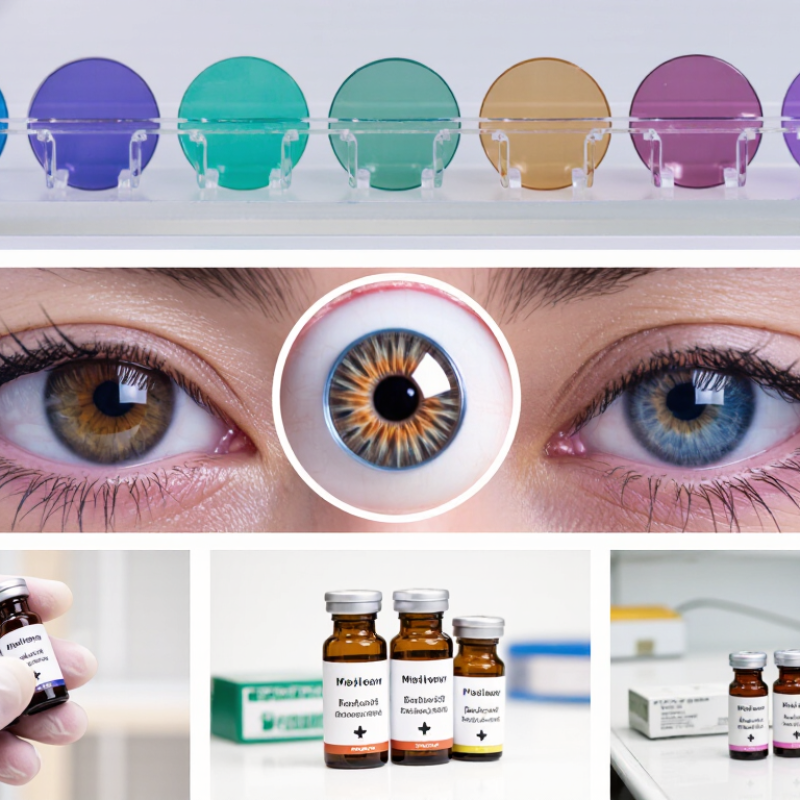
Vibrant color is only the visible part of a suitable wholesale product. Wholesale buyers need stable pigmentation, consistent diameter, and reliable hydration across every batch. A striking lens should look natural under daylight, indoor lighting, and phone cameras. Wholesale suitability begins with repeatability.
The CDC reports that about 45 million people in the United States wear contact lenses. This broad user base creates space for cosmetic variety, but comfort and safety still influence repeat purchases.
A practical evaluation should include sample testing, packaging checks, and batch documentation. Review lens power, base curve, water content, material details, and expiry information before placing a large order.
The Grand View Research contact lens report estimated the global market at about USD 17.7 billion in 2023. It also projected continued growth through 2030. That growth does not guarantee success for every vivid shade. Poor color alignment can increase returns. Slow-moving colors can also lock up cash.
Reliable suppliers should provide traceable production records, quality inspection results, and market-specific compliance documents. Decorative lenses may be regulated as medical devices in some regions, including the United States, according to the FDA. Requirements differ by country.
Do not treat attractive packaging as proof of quality. I would test several production lots, not one perfect sample. Even then, judgment remains imperfect; comfort can vary between users, and screen images may distort the real color.
How to Choose Vibrant Colored Contacts for Wholesale?
Color comparison should begin with the iris underneath the lens. A pale iris needs less pigment than a dark brown iris. Low-opacity tints create a soft, blended effect. Medium opacity changes the base color while preserving some natural depth. High opacity delivers stronger coverage, but can look flat in daylight. Pattern scale matters too. Fine radial lines usually appear more realistic than thick, uniform rings. A 2024 market analysis by Grand View Research identifies color, design, and distribution channel as major segmentation factors in the colored contact lens market. That supports testing several visual styles, not one popular shade.
Wholesale buyers should request physical samples, not rely only on digital color cards. Compare them under showroom LEDs, window light, and warm indoor lighting. Check the limbal ring, pigment gaps, and edge smoothness. A pattern that looks vivid on a white chart may disappear on dark eyes. Another may look attractive in photographs but feel excessive at close range. Imperfect samples are useful. They reveal problems early. Record opacity, base color, diameter, and pattern consistency by batch. The U.S. Food and Drug Administration states that decorative contact lenses are medical devices requiring proper fitting and prescription oversight in the United States. ISO 18369-1 also defines key contact-lens terminology and measurement principles. Visual appeal cannot replace documented specifications, material information, and responsible compliance checks.
Compare lens colors, pattern coverage, and opacity levels to match visual impact with the intended use.
The comparison uses three practical product specifications measured on a 0–100 scale: color coverage indicates how much of the iris is visually changed, pattern contrast shows the visibility of rings or radial details, and perceived opacity estimates how strongly the natural eye color is concealed. Higher opacity and contrast generally create a more dramatic appearance, while lower values create a softer, more natural effect.
When choosing vibrant colored contacts for wholesale, safety should guide the color decision. Contact lenses are medical devices in many markets, so request current regulatory documentation before discussing volume or pricing. Check the manufacturer’s quality system, production address, batch traceability, sterilization records, and product testing reports. Packaging should show an intact seal, lot number, manufacturing date, expiry date, and clear wearing instructions. Missing details are a warning sign.
Material selection also affects comfort. Common lens materials include hydrogel and silicone hydrogel, but material names alone do not prove quality. Compare oxygen permeability, water content, thickness, surface treatment, and pigment placement. A high water percentage sounds attractive, but I once treated it as a comfort guarantee; that was too simple. Pigment should remain enclosed within the lens, away from direct contact with the eye. Ask for samples from several production batches, not only one attractive sample.
Fit requires practical testing. Measure base curve and diameter carefully, then arrange supervised trial wear with qualified eye-care professionals. A lens can look vivid in photographs yet feel dry after two hours. Check blinking, movement, edge awareness, redness, and vision under indoor and outdoor light. Collect feedback from different users because comfort varies. Do not ignore small complaints. They may reveal a broader manufacturing or fitting issue. Reliable wholesale decisions come from documented evidence, repeat testing, and honest communication about limitations.
Choosing vibrant colored contacts for wholesale starts with supplier verification, not attractive product photos. Request company registration, quality certificates, material specifications, and recent laboratory test reports. Confirm that the documents match the actual production site and product codes. Ask how the supplier controls pigment placement, lens hydration, edge quality, and packaging hygiene. A bright lens should still feel comfortable during normal wear.
Order samples before discussing large quantities. Examine color consistency under daylight, indoor lighting, and camera flash. Check each lens for tears, bubbles, uneven printing, or damaged packaging. Record the lot number and sample results. I once focused too heavily on color intensity and overlooked delivery accuracy. That mistake made the real cost higher.
Compare pricing by calculating the complete landed cost. Include sample fees, custom packaging, shipping, inspection, taxes, and replacement units. A low unit price may hide expensive packaging or unstable lead times. Ask whether pricing changes at 500, 1,000, or 5,000 units. Minimum order quantities should match your sales forecast and storage capacity. Start with a manageable MOQ when testing an unfamiliar supplier.
Negotiate quality safeguards, not only discounts. Request written terms for defective lenses, delayed shipments, payment stages, and production approval. Reliable suppliers explain these details clearly and provide traceable batch records. Avoid vague promises.
How to Choose Vibrant Colored Contacts for Wholesale?
Wholesale color selection should start with demand evidence, not a supplier’s brightest sample. Review sales by shade family, prescription range, diameter, and seasonal timing. A practical opening mix might include natural brown, gray, hazel, and one vivid fashion shade. Keep the first order controlled. Test before scaling.
Use ABC inventory planning, but add a safety buffer for popular prescriptions. Record weekly sell-through and reorder points by color. Do not treat every shade equally. A slow purple lens can occupy the same shelf space as a reliable brown lens. The imperfect part is forecasting. Customer polls often overstate real purchases. Compare survey answers with actual reorder data.
Packaging must protect the lens and support quick warehouse checks. Use tamper-evident, moisture-resistant packaging with clear lot numbers, expiry dates, power details, care instructions, and required warnings. The U.S. FDA classifies decorative contact lenses as medical devices and requires prescriptions, so packaging workflows should support compliant distribution. Check local rules before shipping internationally. ISO 18369 guidance can help teams review lens terminology and product information.
Customer preferences also include presentation. McKinsey’s 2023 Sustainability in Packaging survey reported that recyclability, product protection, quality, and cost all influence packaging decisions. Consider compact cartons, readable color swatches, and recyclable materials where regulations and safety allow. Avoid oversized boxes. They increase storage costs and may frustrate retailers. Keep two packaging prototypes, then measure damage, handling time, and buyer feedback before committing to a larger run.
| Color Family | Visual Effect | Typical Customer Use | Suggested Opening Allocation* | Reorder Trigger | Packaging Recommendation | Preference Signal to Track |
|---|---|---|---|---|---|---|
| Natural Brown | Warm, subtle enhancement with a natural appearance. | Daily wear, first-time buyers, professional styling, and warm skin-tone coordination. | 24% | When stock reaches 35% | Use clear front labeling and a close-up iris image to show the low-to-medium color intensity. | Repeat purchases, prescription availability, and demand for natural-looking results. |
| Hazel | Multi-tone blend combining brown, amber, and green nuances. | Fashion styling, photography, events, and customers seeking a noticeable but wearable change. | 20% | When stock reaches 30% | Show the blend under more than one lighting condition; avoid relying on a single heavily edited image. | Click-through rate by skin tone, requests for limbal rings, and color-blend feedback. |
| Gray | Cool, defined appearance ranging from soft silver to high-contrast gray. | Editorial looks, evening makeup, cosplay-inspired styling, and cool-toned fashion. | 18% | When stock reaches 30% | Separate soft-gray and high-contrast-gray images so customers can compare intensity accurately. | Sales by opacity level, diameter preference, and demand for cool versus neutral undertones. |
| Blue | Bright, cool-toned transformation with medium to high visual impact. | Parties, seasonal campaigns, themed photography, and statement makeup looks. | 14% | When stock reaches 25% | Use tamper-evident, light-protective secondary packaging and display the exact shade name clearly. | Seasonal spikes, campaign conversion, and preference for vivid versus pastel blue. |
| Green | Distinctive effect that can appear natural, olive, emerald, or highly vivid. | Costume styling, creative makeup, festival looks, and customers seeking uncommon colors. | 12% | When stock reaches 20% | Use shade cards or accurate digital swatches and identify whether the finish is natural, opaque, or vivid. | Demand by event season, opacity preference, and return reasons related to shade expectations. |
| Violet and Fashion Colors | High-impact, unconventional appearance for creative or themed styling. | Cosplay, performances, festivals, holiday promotions, and social-media content. | 7% | When stock reaches 15% | Use smaller test quantities, strong shade identification, and event-specific outer sleeves when appropriate. | Campaign-driven demand, limited-edition interest, and sell-through after promotional events. |
| Black and Limbal-Enhancing | Creates stronger iris definition and a larger-eye visual effect. | Everyday enhancement, makeup styling, stage looks, and customers seeking stronger definition. | 5% | When stock reaches 15% | Display the graphic diameter and ring thickness because these features strongly affect the final appearance. | Demand by graphic diameter, comfort feedback, and preference for subtle versus dramatic definition. |
| Wholesale planning notes: The opening allocation is an illustrative inventory benchmark totaling 100%; adjust it using sell-through, seasonality, local regulations, prescription strength distribution, and customer feedback. Colored contact lenses are medical devices in many jurisdictions, and sales may require prescription verification, approved labeling, sterile packaging, lot identification, expiration dating, and compliant instructions for use. | ||||||
Request current regulatory documents, quality certificates, testing reports, and sterilization records. Confirm the documents match the production site and product codes. Missing details matter.
Check the intact seal, lot number, manufacturing date, expiry date, and wearing instructions. Keep records for every batch received. Unclear packaging is a warning sign.
Compare oxygen permeability, water content, thickness, surface treatment, and pigment placement. Material names alone cannot prove comfort or safety. High water content is not everything.
Pigment should remain enclosed within the lens material. It should not directly contact the eye. Ask how production controls pigment placement.
Request samples from several production batches, not one attractive sample. Inspect daylight, indoor light, and camera-flash appearance. Record lot numbers and defects.
Qualified eye-care professionals should check base curve, diameter, blinking, movement, and edge awareness. Observe redness, dryness, and vision indoors and outdoors. Two hours can reveal problems.
Verify company registration, production details, material specifications, and recent laboratory reports. Ask about hygiene, edge quality, hydration, and replacement procedures. Photos are not evidence.
Calculate samples, packaging, shipping, inspection, taxes, and replacement units. Compare pricing at different quantities, such as 500, 1,000, and 5,000 units. Start with a manageable MOQ.
Confirm defective-lens handling, delayed-shipment solutions, payment stages, and production approval. Match the order quantity with sales forecasts and storage capacity. Discounts are not enough.
Do not focus only on vivid color or low unit pricing. I once overlooked delivery accuracy, and the total cost increased. That judgment needed more evidence.
Choosing Vibrant Colored Contacts for wholesale requires balancing visual appeal, product quality, customer comfort, and business practicality. Start by comparing lens colors, patterns, and opacity levels to determine which styles create natural, bold, or dramatic effects for different customer preferences. Consider how each design appears on various eye colors and whether the collection offers enough variety for seasonal trends and everyday wear.
Safety and comfort should remain essential priorities. Review the lens materials, manufacturing controls, labeling, and quality documentation before placing an order. When evaluating suppliers, compare pricing, minimum order quantities, production capacity, communication, and consistency between samples and bulk products. It is also important to plan inventory carefully so popular shades are readily available without creating excessive stock. Attractive, protective packaging with clear product information can improve presentation and customer confidence. By combining appealing designs with reliable quality, sensible purchasing terms, and thoughtful inventory planning, retailers can build a wholesale collection that meets diverse customer expectations and supports long-term sales.
