What Are the Top Types of Gradient Color Contact Lenses?

Time:2026-10-13 Author:Amelia
0%

Gradient Color Contact Lenses can change an eye’s appearance from a soft honey fade to a dramatic violet edge. Yet the visual effect is only one part of the decision. The lens must also fit comfortably, allow healthy oxygen flow, and support clear vision throughout the day. Different designs create different impressions. Ombre lenses blend one shade into another. Limbal-ring styles add a defined outer border. Two-tone lenses create stronger contrast, while natural-enhancement designs use subtle color shifts around the iris. Some patterns look beautiful online but appear overly sharp in daylight. That difference matters.

Safety should guide every comparison. Dr. Bernard P. Lepri, an FDA contact-lens specialist, states, “Decorative contact lenses are medical devices. You need a prescription from an eye doctor to buy them.” This advice applies even when lenses do not correct vision. A qualified eye-care professional can check the cornea, measure the fit, and discuss wearing limits. Clean hands, fresh solution, and a clear replacement schedule also reduce avoidable problems. Never share lenses. Never sleep in them unless specifically directed by an eye-care professional.

This guide examines the top types of Gradient Color Contact Lenses by appearance, comfort, use, and maintenance. It also considers skin tone, lighting, makeup, and natural eye color. A shade that looks gentle in a studio may look intense outdoors. That is easy to overlook. No single style suits everyone. Personal taste helps, but informed fitting matters more. Expect a few trade-offs. Beauty, comfort, and eye health do not always align perfectly.
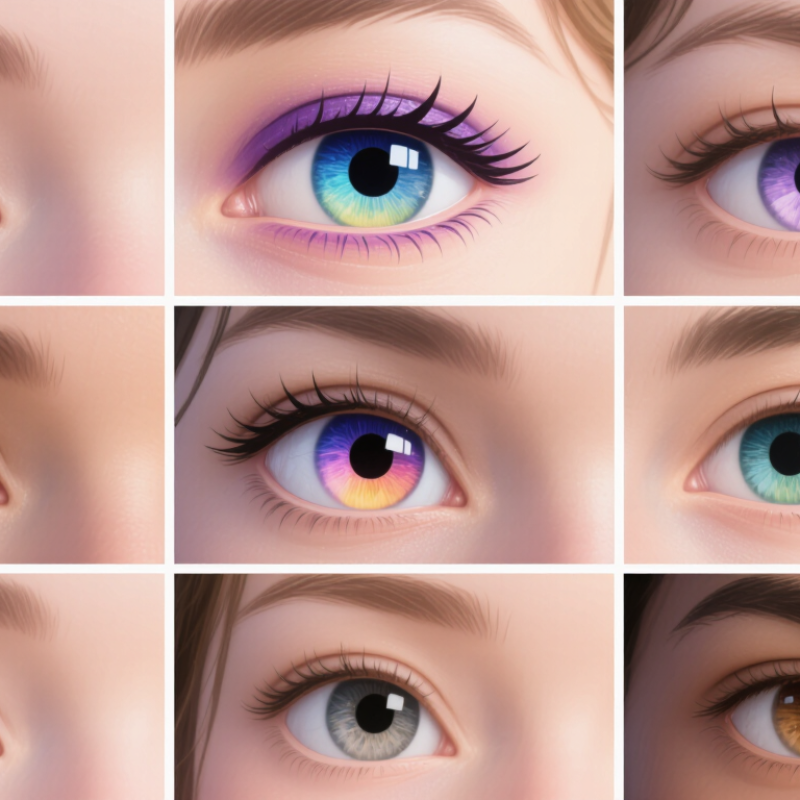
What Are the Top Types of Gradient Color Contact Lenses?

Gradient Color Contact Lenses: Definition and Visual Features

Gradient color contact lenses create a gradual change between shades instead of a single, flat color. The transition may move from a darker outer edge to a lighter center. This design can make the iris appear deeper and more dimensional. Some lenses use a soft radial blend, while others create an ombré effect across the visible iris. The result depends on the wearer’s natural eye color, pupil size, and surrounding light.

The most common type is the limbal gradient lens, which places a deeper ring near the iris border. It can make the eyes look more defined without appearing strongly artificial. Radial gradient lenses spread color inward through fine spokes or blended sections. Two-tone gradient lenses combine contrasting shades, such as warm brown and honey. Pale enhancement lenses offer a quieter change, especially on light eyes. Opaque gradient designs produce stronger coverage on darker eyes, but their appearance may feel less natural.

Visual quality is not only about color. A well-fitted lens should remain centered during blinking and should not restrict comfortable vision. An eye-care professional should check the lens material, prescription, diameter, and fit before wear. Never treat cosmetic lenses as harmless accessories. Poor fit can cause dryness, redness, or blurred vision. Remove lenses when discomfort begins. Small details matter. In my view, product images can also mislead because studio lighting often softens harsh edges. A color that looks delicate online may appear much stronger in daylight, so expectations deserve careful adjustment.

How Gradient Color Contact Lenses Create Their Blended Appearance

Gradient color contact lenses create depth by layering several tones instead of using one solid shade. Their outer edge is often darker, while the color fades toward the pupil. This transition softens the boundary between the lens and the iris. It can make brown eyes appear warmer, or make lighter eyes look more dimensional.

The main types include enhancement-tint lenses, opaque-tint lenses, and circle-style lenses. Enhancement tints preserve much of the natural iris pattern. Opaque tints cover more of the original color. Circle styles usually add a defined limbal ring, making the iris look larger. Modern designs may use tiny printed dots, broken lines, and overlapping pigments. The eye sees these marks as one blended surface from normal viewing distance.

The result is not always perfectly natural. Lighting, pupil size, and the wearer’s original eye color can change the appearance. A 2024 Grand View Research report projects continued growth in the colored contact lens market, reflecting strong consumer interest in cosmetic customization. However, market growth does not prove safe wear. The U.S. Food and Drug Administration classifies decorative lenses as medical devices, and the CDC reports that poor contact lens habits increase eye infection risks. Professional fitting still matters. A lens can look beautiful in a product image but feel dry, shift during blinking, or expose its pattern unevenly. That small mismatch deserves attention.

Popular Types of Gradient Color Contact Lenses

Popular Types of Gradient Color Contact Lenses

Gradient color contact lenses create a gradual shift from the pupil area to the outer edge. This design can look softer than a flat, solid color. The most popular type is the natural limbal gradient. It uses a deeper outer ring and a lighter center. The effect can make the iris appear clearer without looking overly dramatic.

Subtle radial gradients are another common choice. Their color spreads outward in fine, blended lines, resembling natural iris patterns. Brown, gray, hazel, and muted green shades often suit everyday wear. Enlarging gradient lenses include a wider tinted area around the iris. They may create a larger-eye appearance, but the result depends on your natural eye color and lens diameter. Not every design looks natural on every wearer.

Vivid gradient lenses use stronger contrasts, such as blue fading into violet or gray. They are popular for photography, events, and expressive styling. Comfort still matters more than color intensity. An eye-care professional should check the fit, vision needs, and eye health before wear. Decorative lenses are not automatically safe without proper fitting. Follow the recommended wearing schedule and replace lenses as directed. Never share them. Clean hands matter.

Some online images exaggerate the final effect. Real-life lighting can change the color significantly. I once assumed a softer gradient would suit everyone, but personal contrast and eye sensitivity can alter the experience. A careful trial is wiser than choosing by appearance alone.

What Are the Top Types of Gradient Color Contact Lenses? - Popular Types of Gradient Color Contact Lenses

Gradient Type Color Distribution Visual Effect Suitable Eye Colors Common Uses Important Considerations
Limbal-to-Center Gradient A darker outer ring gradually fades toward a lighter or translucent center. Adds definition around the iris while keeping the center relatively open and natural-looking. Light, medium, and dark eyes; the effect is usually more visible on light irises. Everyday cosmetic wear, portrait photography, and subtle eye enhancement. The outer ring should remain aligned with the iris; movement or rotation can make the edge look uneven.
Center-to-Edge Gradient The color is strongest near the pupil and gradually becomes lighter toward the outer iris. Creates a brighter, more open appearance with a soft transition between the pupil and iris. Light and medium eyes; darker eyes may require a more opaque color pattern. Soft daytime looks, fashion styling, and natural color enhancement. A clear pupil zone is important for comfortable vision, especially in changing light conditions.
Radial Gradient Colored spokes or streaks extend outward from the pupil toward the limbal area. Mimics the natural radial structure of the iris and produces a dimensional appearance. Most eye colors, depending on pigment density and pattern opacity. Natural-looking enhancement, special occasions, and detailed makeup styles. The pattern may appear more dramatic than a solid tint because the streaks create additional contrast.
Two-Tone Gradient Two related shades blend gradually across the iris, often from the center outward or from top to bottom. Provides layered color with more depth than a single-color lens. Light to medium eyes; darker eyes may need higher-coverage pigmentation. Daily wear, coordinated makeup, event styling, and color experimentation. Different shades can look stronger or softer depending on ambient light and the wearer’s natural iris color.
Top-to-Bottom Gradient The upper portion is darker and the lower portion transitions to a lighter shade, or the reverse. Gives the iris a directional, softly shaded appearance similar to light and shadow. Light and medium eyes; results vary according to lens orientation and design stability. Editorial looks, themed photography, and distinctive cosmetic styling. Orientation-dependent designs may look uneven if the lens rotates on the eye.
Multi-Layer Gradient Several translucent color layers overlap to create gradual transitions and tonal variation. Produces a complex, realistic-looking iris with enhanced depth and texture. All eye colors, subject to the lens’s coverage and pigment design. Premium cosmetic styling, photography, celebrations, and noticeable but blended enhancement. More pigment layers do not necessarily mean better comfort; fit, oxygen transmission, and professional approval remain essential.
Natural-Blending Gradient Low-contrast tones fade into the wearer’s natural iris without a sharply defined border. Creates a subtle change that is designed to look understated and realistic. Light and medium eyes; the final result depends strongly on the original iris color. Work, casual wear, first-time cosmetic lens use, and conservative styling. A subtle design may be less noticeable on dark eyes, especially when the color opacity is low.
High-Contrast Gradient A pronounced transition combines a saturated inner, middle, or outer zone with a noticeably lighter area. Creates a bold, enlarged, or highly defined eye appearance. Medium and dark eyes when the lens provides sufficient color coverage. Stage costumes, themed events, fashion photography, and dramatic makeup looks. The stronger pattern can appear less natural and may be more noticeable in bright light or close-up viewing.

Safety note: Colored contact lenses are medical devices in many regions. Obtain a current prescription and professional fitting, follow the recommended replacement schedule, never share lenses, and use only the prescribed lens-care solution.

Choosing a Gradient Lens Type for Different Eye Looks

Gradient color contact lenses create a softer change than fully opaque lenses. Their color fades from the outer edge toward the pupil, or reverses the effect near the center. The main types include limbal-ring gradients, radial blends, and enlarging gradients. Each design changes the eye differently. A dark limbal ring can make the iris look sharper and more defined. A radial blend gives a gentle, layered effect. An enlarging gradient may create larger-looking eyes, but it can appear artificial on some faces.

Choose the lens type according to the look you want. For a polished daytime style, select a subtle gradient close to your natural eye color. Warm brown and muted hazel tones often add brightness without overwhelming facial features. For photographs or evening makeup, a stronger outer ring can create clearer contrast. Radial patterns work well when you want visible color movement, especially with green, gray, or blue shades. Keep the transition soft. Very hard edges may look like a painted circle.

Comfort and safety matter more than the final color. Contact lenses should match your prescription, eye measurements, and wearing schedule. An eye-care professional can check the fit and evaluate oxygen movement across the cornea. Never share lenses or sleep in them unless specifically directed by a qualified professional. A lens may look beautiful in a product image, yet feel dry after two hours. That mismatch is easy to underestimate. If redness, pain, blurred vision, or unusual sensitivity appears, remove the lenses and seek professional advice. Sometimes the most natural look requires a less dramatic choice.

Safety and Care Considerations for Gradient Color Contacts

Gradient color contact lenses create different visual effects through transparent color placement. Ombre lenses fade from a darker outer edge into a softer center. Limbal-ring styles emphasize the iris border, while halo designs add a lighter or brighter inner circle. The result can look natural, dramatic, or slightly artificial under strong lighting. However, appearance should never outweigh eye health.

Contact lenses are medical devices, even when worn for cosmetic reasons. A professional eye examination and proper fitting reduce risks such as corneal scratches, infection, dryness, and blurred vision. Buy lenses only from a trustworthy, legally authorized source, and follow the prescribed replacement schedule. Never share lenses. Never sleep or swim while wearing them. Wash and dry your hands before touching the lenses. Use fresh recommended solution, not tap water or saliva. A rushed routine can fail. Remove the lenses immediately if your eyes become painful, unusually red, light-sensitive, or watery, then contact an eye-care professional. Waiting may worsen a small problem.

Tips: Keep the case clean and replace it regularly. Store lenses fully covered in solution. Do not “top off” old liquid. Limit wearing time when your eyes feel dry, especially in air-conditioned rooms. If makeup particles collect around the lens, remove the lens before cleaning your face. Even careful users make mistakes, so checking the fit and comfort periodically is worthwhile.

FAQS

How do gradient color contact lenses create a blended appearance?

They layer several tones instead of using one solid shade. Darker edges fade toward the pupil. Tiny dots and broken lines merge visually from normal viewing distance.

Which gradient lens styles are available?

Common styles include enhancement tints, opaque tints, limbal-ring gradients, radial blends, and enlarging gradients. Each creates a different eye effect. Some look less natural than expected.

How can a limbal ring change the eyes?

A dark outer ring makes the iris appear sharper and more defined. It may also make the eyes look larger. The effect can seem artificial on some faces.

Which gradient style suits a subtle daytime look?

Choose a soft gradient near your natural eye color. Warm brown or muted hazel can add brightness without dominating your features. Keep it gentle.

What lens style works well for photographs?

A stronger outer ring can create clearer contrast under makeup or evening lighting. Radial patterns show visible color movement in green, gray, or blue shades. Lighting still changes everything.

Why might the lens look different from its product image?

Your original eye color, pupil size, and lighting affect the final appearance. The pattern may shift during blinking or appear uneven. Product images cannot predict every result.

How should I choose a safe gradient contact lens?

The lens should match your prescription, eye measurements, and wearing schedule. A qualified eye-care professional should check the fit and oxygen movement. Appearance comes second.

What should I do if the lenses feel uncomfortable?

Remove them if redness, pain, blurred vision, dryness, or unusual sensitivity appears. Seek professional advice promptly. Do not ignore small warning signs.

Conclusion

Gradient Color Contact Lenses are designed with a gradual transition between shades, creating a soft, blended effect rather than a single flat eye color. Their color typically becomes lighter, darker, or more transparent from the outer edge toward the center, allowing the natural iris to show through and producing a dimensional appearance. This design can make the eyes look brighter, larger, softer, or more dramatic, depending on the color combination and pattern.

Popular types include natural gradient lenses, limbal-ring styles with a defined outer edge, multidimensional blends using several tones, and subtle enhancement lenses for a barely noticeable change. When choosing a style, consider your natural eye color, desired intensity, makeup preferences, and whether you want an everyday or special-occasion look. Comfort and safety should always come first: obtain lenses from a reliable, legally authorized source, follow professional fitting advice, wash and dry your hands before handling them, use suitable lens solution, and observe the recommended wearing and replacement schedule.

Amelia

Amelia

Amelia is a seasoned marketing professional with a wealth of expertise in our company’s core offerings. With an unwavering passion for driving growth and innovation, she plays a pivotal role in shaping our marketing strategies and enhancing brand visibility. A key aspect of her responsibilities......