2026 Best Mood Contact Lenses for Global Buyers

Time:2026-10-03 Author:Ethan
0%

For global buyers, choosing the 2026 best Mood Contact Lenses requires more than comparing colors, prices, or online reviews. The term “mood” may describe lenses that create changing visual effects, dramatic color patterns, or a fashion-focused appearance. Definitions differ between suppliers. That matters.

Dr. Lyndon Jones, a leading contact lens researcher, has emphasized: “Contact lenses are medical devices, not cosmetics.” His warning should guide every purchasing decision. Even decorative lenses touch the eye’s surface. Poorly fitted products may cause dryness, redness, blurred vision, or serious injury. Buyers should verify prescription requirements, manufacturer details, material information, batch identification, and local approval before ordering.

Real experience often exposes the gaps. A lens may look vivid in a product photograph but appear softer under indoor lighting. A large graphic diameter may also feel less comfortable during long events. Some buyers prioritize color intensity, while others need stable vision and breathable materials. There is no universal winner.

This guide evaluates Mood Contact Lenses through comfort, optical quality, design consistency, packaging, customer support, and regulatory reliability. It also considers how suppliers communicate care instructions and return policies. Claims about “instant mood changes” deserve careful reading. They may describe visual style rather than a medically proven effect.

One limitation remains. Product information can change quickly across markets. Buyers should confirm current regulations and consult a qualified eye-care professional. A trusted seller helps, but professional fitting matters more. Fashion can be expressive. Eye safety cannot be an afterthought.
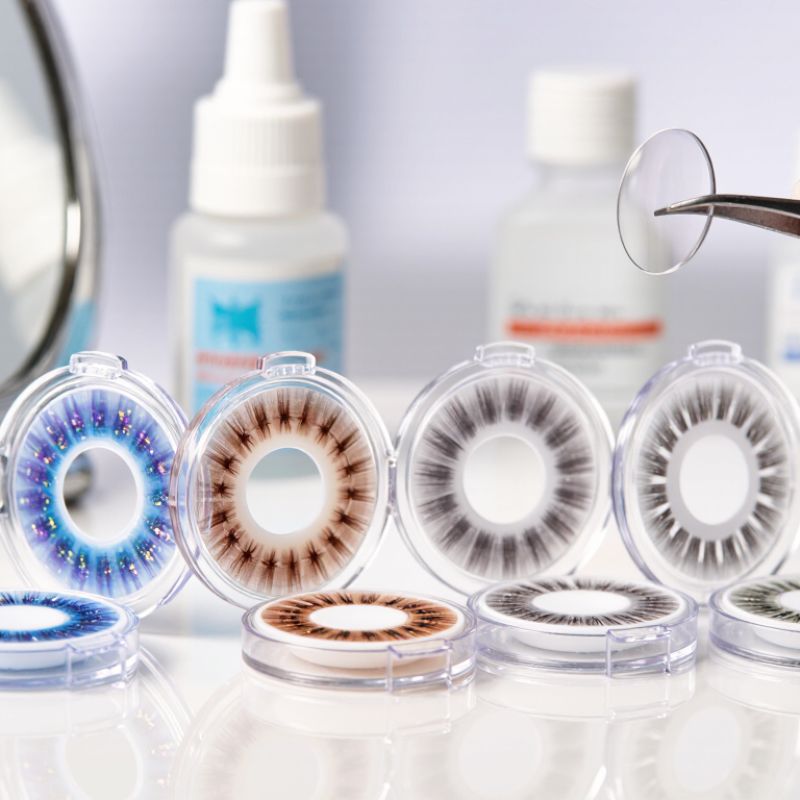
2026 Best Mood Contact Lenses for Global Buyers

What Are Mood Contact Lenses and How Do They Work?

Mood contact lenses are usually cosmetic lenses designed to alter the appearance of the eyes. The term “mood” is not a recognized medical category. It often describes lenses with tinted patterns, light-responsive materials, or color effects that appear different in changing conditions. They do not read emotions or detect a person’s feelings. A darker room, sunlight, or surrounding colors may change how the lens looks. The effect is subtle. That distinction matters.

Some lenses use fixed pigments that create a steady iris color. Others may include photochromic technology, which reacts to ultraviolet light and changes its tint gradually. Results can vary with weather, indoor lighting, and the wearer’s natural eye color. Buyers should check oxygen permeability, water content, diameter, replacement schedule, and prescription accuracy. A professional eye examination is still necessary, even for non-prescription lenses. Poor fit can cause dryness, redness, blurred vision, or corneal injury. Contact lenses should come from legal, regulated suppliers and comply with the buyer’s local requirements. Never share lenses or sleep in them unless an eye-care professional specifically permits it. Marketing language can sound exciting, but it is sometimes vague. I would question any claim that promises instant emotional transformation, because appearance and mood are not the same thing.

Key Features to Compare Before Choosing Mood Contact Lenses

Choosing the best mood contact lenses in 2026 requires more than comparing attractive color effects. The term “mood lens” can describe color-changing cosmetic lenses, but it does not prove emotional detection. Check the product’s intended use, regional approval, prescription options, and seller transparency. A qualified eye-care professional should confirm your prescription and eye measurements before purchase.

Fit matters. Compare the base curve, diameter, material, and oxygen permeability. These details affect movement, dryness, and wearing comfort. A lens may look vivid in product photos but appear softer on dark irises. It may also change differently under sunlight, indoor lighting, or camera flashes.

Ask for clear care instructions, sealed packaging, batch information, and a stated replacement schedule. Do not guess.

Comfort should remain a practical priority. Look for moisture retention and breathable materials, especially if you work near screens or travel across dry climates. UV protection can be useful, but it does not replace sunglasses. Buyers should also review local rules, because cosmetic lenses may require professional fitting or a prescription in some countries. Independent wearer feedback can reveal useful details, such as edge awareness or color fading, yet personal experiences are not clinical evidence.

One imperfect point deserves attention: no lens suits every eye. A dramatic effect can be visually appealing but uncomfortable after several hours. Stop wearing lenses if you notice pain, unusual redness, blurred vision, or strong light sensitivity. Contact an eye-care professional promptly.

Best Mood Contact Lens Types for Different User Needs

2026 Best Mood Contact Lenses for Global Buyers

Best Mood Contact Lens Types for Different User Needs

Mood contact lenses should match the user’s routine, comfort needs, and appearance goals. Subtle enhancement lenses suit office wear, interviews, and daily styling. They gently brighten the iris without looking artificial. Larger limbal-ring designs create a more defined gaze for photos or social events. Gradient lenses can add depth while keeping the center visually natural. Vivid or patterned styles work better for short occasions, not extended wear.

Users with dry eyes, allergies, or sensitive vision need professional advice before choosing any lens type. A qualified eye-care practitioner should check fit, prescription, oxygen needs, and wearing time. Contact lenses are medical devices in many regions. Buyers should verify local rules, seller credentials, packaging integrity, and care instructions. Do not share lenses or sleep in them unless specifically approved.

Tips: Choose daily lenses for occasional use when available. Wash and dry hands before handling. Never use tap water or saliva for cleaning. Replace the storage case regularly. A shade that looked perfect online may feel too strong in daylight. That is worth reconsidering. Stop wearing lenses if pain, redness, blurred vision, or unusual discharge appears, and seek professional care promptly.

2026 Best Mood Contact Lenses for Global Buyers

Best Mood Contact Lens Types for Different User Needs

Replacement schedules help global buyers compare cosmetic lens options for different lifestyle and mood-style preferences. Daily disposable lenses are replaced after one day, two-week lenses after 14 days, and monthly lenses after approximately 30 days. Always follow the exact package instructions and obtain cosmetic contact lenses through a qualified eye-care professional.

Data dimension: maximum scheduled replacement interval in days. Actual availability and wearing instructions may vary by market and product.

Safety Standards and Regulations for Global Buyers

2026 Best Mood Contact Lenses for Global Buyers

Safety Standards and Regulations for Global Buyers

Mood contact lenses can change the appearance of the iris, but visual appeal should never outrank eye safety. Buyers should confirm whether local authorities classify them as medical devices, cosmetic lenses, or both. In many markets, non-prescription decorative lenses still require professional fitting and a valid prescription. Rules vary between countries.

Check the package for the manufacturer’s legal name, lot number, diameter, base curve, power range, expiry date, and storage instructions. Reliable products should include traceability documents and clear instructions in the destination market’s language. Quality systems such as ISO 13485 may support manufacturing control, but certification alone does not prove safety. Ask for evidence of lawful market access, such as applicable European conformity records or national authorization.

A qualified eye-care professional should assess corneal shape, tear-film health, and wearing habits before purchase. Poorly fitted lenses may cause redness, abrasions, infection, or reduced oxygen flow. Stop wearing them if pain, blurred vision, or unusual discharge appears. Seek urgent clinical advice.

Do not share lenses.

Global buyers should also review import rules, labeling duties, and return procedures. Online photographs cannot verify material quality or fit. That limitation matters. A careful checklist reduces risk, yet it cannot replace clinical judgment. Even experienced buyers may overlook small packaging differences between markets.

How to Select, Purchase, and Care for Mood Contact Lenses

Mood contact lenses should be selected like medical devices, not costume accessories. In the United States, the FDA classifies decorative lenses as medical devices and requires a valid prescription. Rules differ globally, so buyers should check the destination country’s regulator. The CDC estimates that 45 million Americans wear contact lenses. Its safety materials also report that 40–90% of users miss at least one recommended hygiene step. That gap matters, even for occasional wear.

Ask an optometrist to measure your prescription, base curve, and lens diameter. Discuss oxygen permeability, wearing time, allergies, and dry-eye symptoms. Color preference can overshadow fit. That is a common mistake. Purchase only sealed lenses from a legally authorized seller, and confirm the prescription, expiry date, batch details, and care instructions. The FDA warns against unprescribed decorative lenses because poor fitting may cause scratches, infection, or reduced vision. Global buyers should also check import and labeling requirements before payment.

Wash and dry your hands before touching each lens. Rub and rinse lenses with fresh multipurpose solution, never tap water or saliva. Do not sleep or swim in them unless an eye-care professional approves it. Replace the storage case about every three months. The CDC links unsafe habits with serious contact-lens complications, including microbial keratitis. Remove the lenses immediately if redness, pain, light sensitivity, discharge, or blurred vision appears. Seek professional care promptly. I would rather lose one evening of color than risk one damaged cornea.

FAQS

What are mood contact lenses?

They are cosmetic lenses that change eye appearance through tints, patterns, or light-responsive materials. They do not read emotions. The name can mislead.

How do light-responsive lenses change color?

Some lenses react gradually to ultraviolet light. Sunlight may deepen their tint, while indoor lighting may soften it. Weather and surrounding colors also affect the appearance.

Can these lenses detect someone’s feelings?

No. Their visual changes do not measure happiness, sadness, stress, or other emotions. A darker lens does not prove a darker mood.

What should I check before buying cosmetic lenses?

Check the base curve, diameter, material, oxygen permeability, water content, and replacement schedule. Confirm prescription accuracy and local requirements. Do not guess.

Do non-prescription lenses require an eye examination?

Yes. A qualified eye-care professional should check your eyes, measurements, and lens fit. Poorly fitted lenses may cause dryness, redness, blurred vision, or corneal injury.

Which lens styles suit different occasions?

Subtle colors work well for offices, interviews, and daily styling. Larger ring designs can define the eyes for photos. Vivid patterns are better for short events than long wear.

How can I improve comfort while wearing these lenses?

Choose breathable materials and moisture retention, especially near screens or in dry climates. Wash and dry your hands before handling lenses. Never use saliva or tap water.

Can I sleep in or share cosmetic contact lenses?

Do not share lenses with anyone. Avoid sleeping in them unless an eye-care professional specifically approves it. That risk is easy to underestimate.

When should I stop wearing the lenses?

Remove them if you notice pain, unusual redness, blurred vision, strong light sensitivity, or unusual discharge. Seek professional eye care promptly. No lens suits every eye.

Conclusion

Mood Contact Lenses are designed to create a color-changing or mood-inspired visual effect through specialized tints, patterns, or light-responsive materials. This guide explains how they work and compares important features such as color appearance, comfort, breathability, fit, moisture retention, durability, and suitability for different eye colors and occasions. It also outlines options for users seeking subtle enhancement, dramatic cosmetic effects, or comfortable daily wear, helping buyers select lenses that match their personal needs.

For global buyers, safety should come first. The article highlights the importance of purchasing lenses from legitimate sources, checking product labeling and regulatory requirements, obtaining a professional eye examination, and following local rules for cosmetic lenses. It also provides practical advice on selecting the correct fit, verifying quality before purchase, storing lenses properly, maintaining hygiene, respecting the recommended replacement schedule, and stopping use if discomfort or unusual symptoms occur. With informed selection and responsible care, buyers can enjoy Mood Contact Lenses more safely and confidently.

Ethan

Ethan

Ethan is a seasoned marketing professional with a deep expertise in our company's innovative product line. With a passion for sharing knowledge and insights, he takes the lead in regularly updating our corporate blog, where he explores industry trends, product features, and effective marketing......