Natural-looking lenses should disappear into your routine, not draw attention for the wrong reasons. The right pair blends with your iris, feels comfortable through a workday, and suits the light you actually live in. Subtle color matters. So does a proper fit.
This guide to the 10 Best Natural Look Contact Lenses for Everyday Wear compares shade, pattern, comfort, and practical wear considerations. A lens that looks soft in a product photo may appear brighter beside a window. And eye color changes the result. Brown, hazel, gray, and blue eyes can all interact differently with the same tint. Small details count.
Ophthalmologist Dr. Thomas Steinemann is a recognized voice in contact lens safety. I can’t verify a direct quotation from him on natural-looking lenses, so I won’t present invented words as his. The safety-first principle is: “Choose appearance only after fit, eye health, and professional guidance.” This is an editorial paraphrase, not a verbatim quote. It matters because even a gentle-looking lens is still a lens on the eye. Follow the product instructions, and seek advice from an eye-care professional about fit and suitability. Comfort is not a bonus. It is part of the choice.
Personal taste can be surprisingly hard to predict. A shade that seems natural on a screen may feel too vivid in daylight. This list offers a useful starting point, not a promise that every pair will suit every wearer.
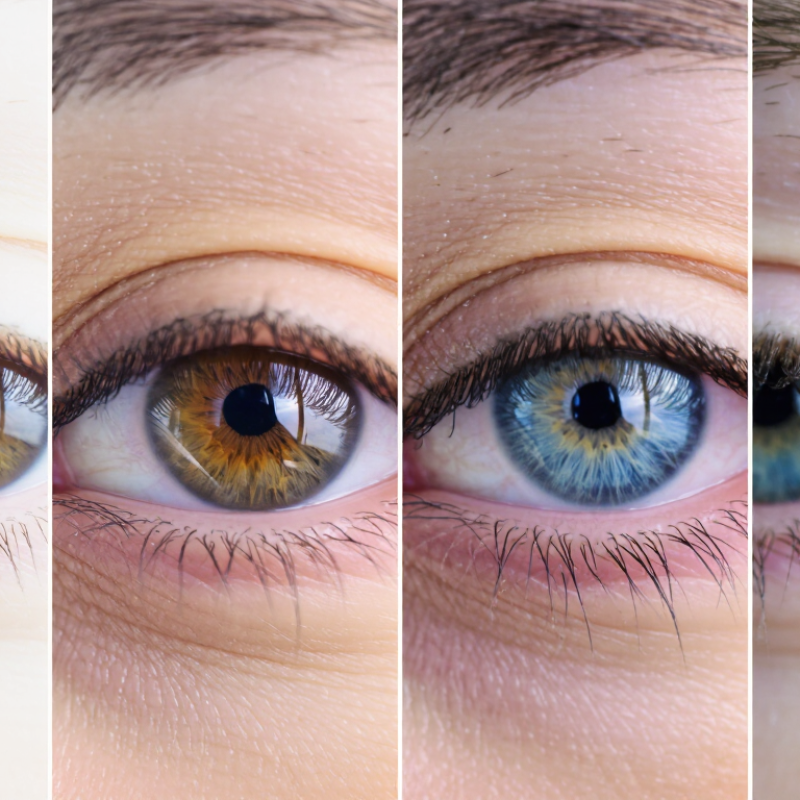
A natural-looking contact lens should echo the eye’s own pattern, not cover it like a flat painted circle. Look for fine, irregular color flecks and soft transitions between the inner iris and outer edge. A sharply defined limbal ring can make eyes appear larger, but a very dark or even ring may look less convincing in daylight. The clear pupil zone should also stay centered when you blink. Small details matter.
Fit matters as much as color. Lens diameter, movement, and centration affect comfort and appearance; an attractive lens is not a good choice if it shifts or irritates the eye. The CDC estimates that about 45 million people in the United States wear contact lenses, underscoring how important safe, suitable wear is. The FDA classifies decorative lenses as medical devices, so colored lenses still require professional fitting and a prescription. There is no perfect shade match for everyone—and product photos can be misleading.
Tips: Compare lens colors in indirect daylight, not only under store lighting. Ask an eye-care professional to assess fit and your tear film before choosing a design. Never share lenses, and remove them if your eyes become painful, red, or unusually sensitive to light. A subtle result may look less dramatic at first. That can be the point.
| Natural-Look Style | Typical Graphic Diameter* | Color and Pattern | Limbal-Ring Effect | Works Well For | Why It Can Look Natural | Everyday-Wear Consideration |
|---|---|---|---|---|---|---|
| Subtle Brown Enhancement | About 12.6–13.2 mm | Soft brown tint with a fine, low-contrast pattern | None or very faint | Dark brown eyes seeking a gentle warm shift | Its small visible area and close-to-natural color avoid an obvious enlargement effect. | Choose a breathable, properly fitted lens and follow its prescribed replacement schedule. |
| Warm Hazel Blend | About 12.8–13.4 mm | Blended brown and muted amber tones | Soft, feathered edge | Brown or hazel eyes | Several subdued tones can blend more gradually than a single flat color. | Check the lens appearance in daylight as well as indoor lighting before choosing. |
| Muted Olive Enhancement | About 12.8–13.4 mm | Olive or soft green accents mixed with brown | Faint or absent | Brown eyes seeking a restrained green shift | Brown undertones help soften the contrast between the lens and the natural iris. | Color coverage varies by design; an eye-care professional can advise whether the lens is suitable. |
| Soft Gray Blend | About 12.8–13.4 mm | Low-contrast gray with a natural-looking iris pattern | Soft, non-uniform edge | Light eyes or a subtle cool-toned change on darker eyes | A blended pattern and restrained edge can look less like a solid color overlay. | Gray shades may appear different depending on natural eye color and lighting. |
| Blue-Gray Tint | About 12.8–13.4 mm | Muted blue-gray with fine radial detail | Minimal | Light eyes seeking a small tonal adjustment | Subtle color change and visible iris detail can preserve a more natural impression. | On dark eyes, a mild tint may be less visible; stronger coverage can look more noticeable. |
| Natural Iris-Detail Design | About 12.8–13.5 mm | Fine radial markings in a color close to the wearer’s iris | Feathered rather than sharply outlined | Wearers who want definition without a major color change | Irregular, low-contrast detail more closely echoes the variation found in a natural iris. | Look for a pattern that does not appear overly uniform when viewed at normal conversation distance. |
| Soft Limbal Definition | About 12.8–13.4 mm | Natural-toned center with a lightly shaded outer edge | Thin and softly blended | Wearers who want gentle iris definition | A subtle edge can add definition without the stark outline of a dark, solid ring. | Pronounced or oversized rings can look less natural; compare the design with your natural iris size. |
| Clear-Tint Enhancement | About 12.6–13.2 mm | Light, translucent tint intended to enhance rather than fully cover | None | Light-colored eyes seeking a slight change in tone | A translucent effect can allow more of the natural iris color to remain visible. | Enhancement tints may have little visible effect on dark eyes. |
| Small-Iris, Low-Contrast Design | About 12.6–13.1 mm | Subdued color with a compact visible pattern | None or very faint | Wearers who prefer little or no apparent enlargement | A smaller graphic area is less likely to extend far beyond the natural iris. | Graphic diameter is only one design measurement; fit and comfort require professional assessment. |
| Daily Disposable Natural Tint | Varies by lens design; often around 12.6–13.5 mm | Any subtle enhancement shade with a blended pattern | Usually design-dependent | Wearers who prefer a fresh pair for each day of use | The natural appearance comes from the tint and pattern, not the replacement schedule. | Use once and discard as directed; daily disposables still require a valid prescription and proper fitting. |
Compare its color pattern, visible diameter, and edge against your iris. Fine, uneven details often look more natural than a solid ring. Subtlety matters.
A warm brown tint or subtle outer ring may blend softly with dark eyes. Pale, opaque shades can look more noticeable.
Hold the color beside your face in daylight. Bright store lights and phone screens can distort shades. Small differences show.
Use photos only as a starting point. A shade that looks gentle online may seem striking on your eyes. That can be surprising.
Ask them to assess lens fit, movement, and material for your eyes. A product photo cannot show whether a lens fits comfortably.
For long workdays, prioritize comfort and proper fit over dramatic color. For occasional wear, compare the shade indoors and outdoors.
Wash and dry your hands before handling lenses. Never share them, and follow the care and replacement instructions. Keep water away.
Remove the lenses if you notice pain, unusual redness, or blurry vision. Seek professional advice, and follow your prescribed wearing schedule.
Natural Look Contact Lenses can subtly enhance or adjust your eye color while still appearing believable for everyday wear. A natural effect depends on more than the lens color: the pattern, opacity, size, and blend with your natural iris all influence the result. When comparing options, consider how they look in different lighting, whether the color transition appears soft, and how comfortably they fit your eyes.
This guide explores ten types of natural-looking lenses to consider, along with ways to choose a shade that complements your eye color and skin tone. It also highlights practical details such as your daily routine, wearing time, and comfort. Because even attractive lenses need proper care, the overview emphasizes following professional guidance and keeping lenses clean and correctly stored. The aim is to help you find an everyday option that feels comfortable and suits your personal style without looking overly dramatic.

 Chic Contacts