As the popularity of Non-Prescription Contact Lenses grows, it's crucial for consumers to make informed choices. A recent report from the American Optometric Association highlights that over 45 million people in the U.S. wear contact lenses, with a significant portion opting for non-prescription styles. These lenses, often used for cosmetic purposes, come with risks that some users may overlook.
Understanding the implications of wearing Non-Prescription Contact Lenses is essential for eye health. According to the Centers for Disease Control and Prevention (CDC), improper use can lead to serious complications, including infections and corneal ulcers. It’s reported that around 30% of contact lens users experience at least one eye-related issue each year. This statistic emphasizes the need for awareness and education on safe usage.
Consumers often focus on aesthetics, but safety must not be compromised. Many popular non-prescription brands lack adequate guidance on wear duration or cleaning procedures. This gap reinforces the importance of seeking professional advice before purchase. With the right information, users can enjoy the benefits of Non-Prescription Contact Lenses while maintaining their ocular health. Education and caution are key.
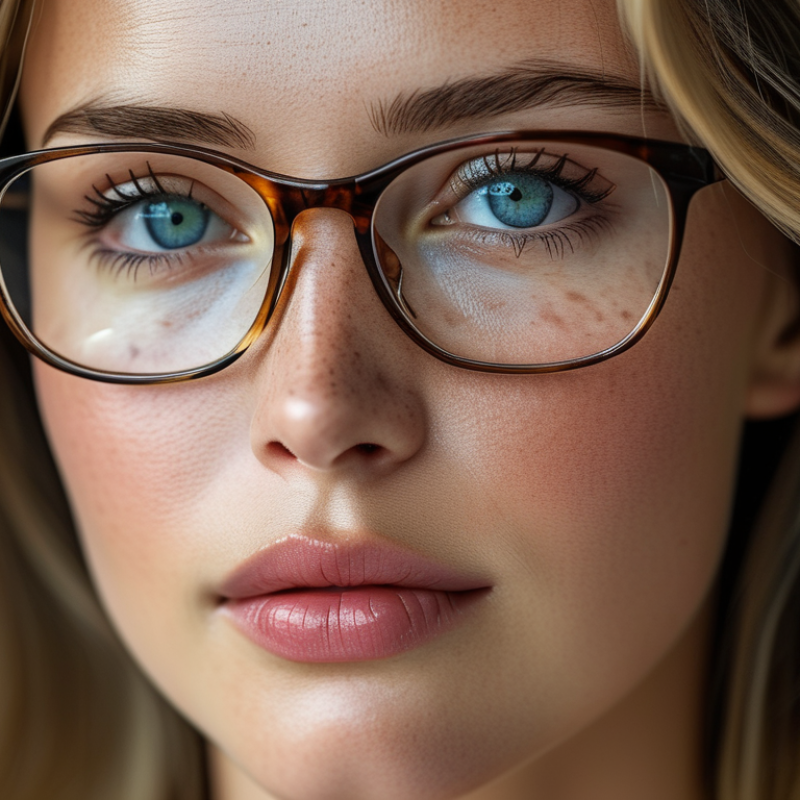
When considering non-prescription contact lenses, understanding what they are is vital. These lenses can enhance your appearance or simply change your eye color. According to the American Optometric Association, an estimated 45 million people in the U.S. wear contact lenses. Non-prescription options are popular, but the risks are often underappreciated.
Selecting non-prescription lenses requires caution. Ill-fitting or low-quality lenses can cause serious eye health issues. A study by the Centers for Disease Control and Prevention found that 1 in 5 contact lens wearers risk eye infections by not following proper hygiene. Most wearers assume all lenses are equally safe, but they aren't always regulated in the same way prescription lenses are.
Misconceptions abound regarding the safety of these contacts. Many people think they can simply buy them online without concerns. However, experts recommend consulting an eye care professional before making a purchase. They provide insights tailored to your eye health. This choice may seem unnecessary, but it could prevent complications down the road. Serious issues like corneal ulcers can arise from improper usage. Be aware and informed to make the best decision for your eye health.
When exploring non-prescription contact lenses, it's essential to understand the various types available. These lenses generally fall into two categories: colored lenses and decorative lenses. Colored lenses can enhance or change your eye color. They come in many subtle and striking shades, making it easy to express your personal style. Decorative lenses, often used for cosplay or Halloween, provide unique effects. They can feature intricate patterns or designs, ensuring that your look stands out.
Here are a few tips for choosing non-prescription lenses safely:
Consulting an eye care professional is wise before trying new lenses. They can help you understand the risks and benefits. Understanding your eye health is imperative. Incorrect use of contact lenses may lead to serious complications. Stay educated about the options you're considering. Awareness and informed choices empower your experience with non-prescription lenses.
Choosing non-prescription contact lenses requires careful consideration of several factors. Lens materials are crucial. Some materials allow more oxygen flow, making them comfortable for longer periods. Others might irritate sensitive eyes. It’s vital to know your eye’s needs.
Comfort is another key factor. How do the lenses feel when you wear them? Initial discomfort can lead to longer-lasting issues. Make sure you try them on and gauge your comfort level. It’s a common mistake to ignore this aspect. Eye health experts recommend trying different styles and thicknesses.
Don’t forget about UV protection. Some non-prescription lenses provide this feature. However, not all options offer adequate protection against harmful rays. Assessing this can prevent future eye damage. Also, make sure to check for quality certifications. Reliable products usually display this information prominently. Being informed can lead to a better choice while reflecting on your health choices.
Choosing non-prescription contact lenses can be a tricky process. It's essential to prioritize safety when considering your options. Here are some crucial tips that can help ensure you make a safe choice.
Before purchasing non-prescription lenses, consult with an eye care professional. They can provide essential insights about your eye health. Wearing lenses that are not suitable for your eyes can lead to discomfort or even long-term damage. Remember, not all lenses are created equal. Avoid buying from questionable sources or off-brand vendors. These products may lack safety standards.
Hygiene is paramount when handling contact lenses. Always wash your hands before touching the lenses. Use clean cases and solutions to store them properly. Regularly replace your lenses to prevent infections. If you notice any redness or irritation, remove the lenses immediately. Ignoring these symptoms can lead to serious issues. Staying informed and cautious is key to enjoying non-prescription lenses safely.
| Criteria | Description | Safety Tips |
|---|---|---|
| Material Type | Choose lenses made from breathable materials such as silicone hydrogel for comfort and clarity. | Check for FDA approval and make sure they suit your eye type. |
| UV Protection | Look for lenses that offer UV protection to safeguard your eyes from harmful rays. | Always wear sunglasses in bright sunlight, even with UV-blocking lenses. |
| Lens Care | Select lenses that are easy to care for, such as daily disposables, to reduce the risk of infection. | Follow proper hygiene practices, including washing hands before handling lenses. |
| Fit and Comfort | Ensure the lenses fit properly for comfort and effectiveness during wear. | Try lenses at a store with an optician’s guidance to find the best fit. |
| Expiration Date | Check the expiration date on non-prescription lenses to ensure their safety and quality. | Dispose of lenses appropriately once they reach their expiration date. |
Maintaining and caring for non-prescription contact lenses is crucial for eye health. Research indicates that improper handling can lead to serious issues, including infections. An estimated 25% of contact lens users experience complications, often due to inadequate hygiene practices. It's essential to establish a routine to protect your eyes.
Always wash your hands before handling lenses. Use recommended solutions for cleaning and storing them. A survey showed that 42% of people neglect this step. Regular cleaning prevents protein and bacteria build-up, which can lead to discomfort or vision problems. Replace your lens case every three months as older cases can harbor harmful bacteria.
Tips: Avoid using water or saliva to rinse lenses. Both contain harmful pathogens. Follow the wearing schedule recommended by professionals. Over-wearing lenses can lead to complications. Be aware of the signs of irritation, such as redness or discomfort. Ignoring these can escalate into serious conditions needing medical attention. Regular check-ups with an eye care professional are also advisable for ongoing health and safety.
: There are mainly two types: colored lenses and decorative lenses. Colored lenses can change your eye color. Decorative lenses create unique effects for styles like cosplay.
Lens material is crucial; some allow more oxygen flow, while others may irritate sensitive eyes. Know your eye's needs for comfort.
Comfort is key. Try on lenses to gauge how they feel. Ignoring discomfort can lead to problems with your eye health.
Some non-prescription lenses offer UV protection, but not all do. Assessing this can help prevent potential eye damage.
Good hygiene prevents infections. Always wash your hands before touching lenses and use clean cases for storage.
Yes, it’s wise to consult an eye care professional for insights on your eye health. They help you avoid discomfort and serious issues.
Remove the lenses immediately. Ignoring redness can lead to serious complications with your eye health.
No, avoid sharing lenses with others. This can lead to infections and discomfort for both parties involved.
Always buy from reputable retailers and check for quality certifications. Avoid questionable sources that might lack safety standards.
Many ignore comfort when trying them on. Initial discomfort can indicate longer-lasting issues, so pay attention to how they feel.
When it comes to Non-Prescription Contact Lenses, it's essential to understand the different options available on the market and how to choose them safely. Non-prescription lenses can serve various purposes, such as cosmetic enhancement or novelty effects, but they still require careful consideration. Key factors to consider include the fit, material, and the intended use of the lenses.
Safety is paramount when using Non-Prescription Contact Lenses, as improper use can lead to serious eye health issues. Adhering to proper maintenance and care routines is crucial for ensuring the longevity of the lenses and the health of your eyes. By following these guidelines, you can make informed decisions and enjoy the benefits of Non-Prescription Contact Lenses while keeping your vision safe.
