Sourcing Wild Eye Contacts safely worldwide requires more than finding a dramatic pattern or a low price. These lenses touch the cornea, limit oxygen, and can cause serious injury when poorly fitted. Ophthalmologist Dr. Thomas L. Steinemann has warned, “Decorative contact lenses are not cosmetics; they are medical devices.” That distinction should guide every purchase.
A reliable supplier should request a valid prescription and provide traceable product information. Check the manufacturer, lens material, base curve, diameter, expiry date, and lot number. Confirm that an eye-care professional can assess the fit. Packaging should be sealed, clearly printed, and consistent with the seller’s records. Avoid anonymous marketplaces, unverified social media sellers, and products described as “one size fits all.” Those words sound convenient. They are not reassuring.
Worldwide sourcing adds another layer of responsibility. Import rules, labeling standards, and approved retailers differ between countries. Review the destination country’s medical-device requirements before ordering. Do not assume a product is legal because a website ships internationally. Store lenses in fresh recommended solution, never share them, and stop wearing them if pain, redness, blurred vision, or unusual sensitivity appears. Seek urgent professional care when symptoms persist.
A perfect checklist does not exist. I might still overlook a small label or misunderstand a foreign certification. That is why independent verification matters. Safe Wild Eye Contacts should look striking, but safety must remain visible in every detail. The best purchase leaves evidence: a prescription, a legitimate seller, sealed packaging, and a qualified professional willing to answer questions.
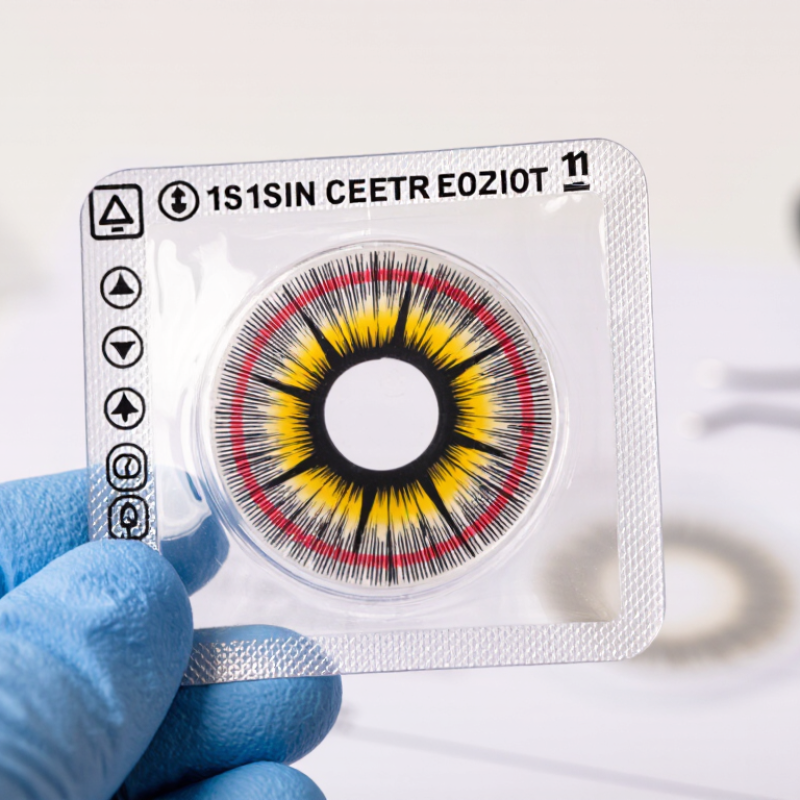
Wild eye contacts are decorative lenses designed to create unusual visual effects, such as enlarged pupils, metallic colors, or fantasy iris patterns. Their intended use is cosmetic, theatrical, or photographic. They are not automatically vision-correction lenses. A dramatic appearance does not prove optical safety. Some lenses may restrict light or reduce contrast, especially in dim rooms.
A qualified eye-care professional should check the wearer’s eyes and measure the correct fit. Even plano lenses need proper fitting. An incorrect curve can cause redness, scratches, blurred vision, or infection. In practical safety checks, sealed packaging, clear instructions, and traceable manufacturing information matter. A cheap listing with only edited photos is not reliable evidence. I still find product descriptions confusing sometimes, so asking direct questions is sensible.
Buyers sourcing worldwide should check the rules in their own country before ordering. Requirements differ for cosmetic lenses, prescriptions, labeling, and importation. Never share lenses, sleep in them, or rinse them with tap water. Use fresh approved solution and follow the replacement schedule. Stop wearing them if pain, unusual discharge, light sensitivity, or persistent blur appears. Seek prompt professional care. A lens that feels comfortable may still be poorly fitted. That is an uncomfortable detail, but comfort alone cannot confirm safety. фотографии?
| Topic | What It Means | Safe Sourcing Guidance | Risk Level |
|---|---|---|---|
| Definition of Wild Eye Contacts | “Wild eye contacts” generally refers to decorative, costume, theatrical, or novelty contact lenses designed to create unusual effects such as enlarged pupils, animal-like patterns, fantasy colors, or other dramatic appearances. | Treat them as medical devices that sit directly on the eye, even when they are marketed only as fashion or costume accessories. | Use With Care |
| Intended Use | Their intended purpose is cosmetic or theatrical appearance enhancement. They do not correct vision unless they are specifically prescribed with appropriate optical parameters. | Use only for the purpose stated on the prescription, packaging, and product documentation. Do not use decorative lenses as a substitute for vision correction. | Use With Care |
| Prescription Requirement | Contact lenses require measurements that may include base curve, diameter, power, and an assessment of eye health. Requirements vary by country, but decorative lenses may still require professional fitting or a prescription. | Obtain an eye examination and a valid prescription from a qualified eye-care professional before purchasing or wearing any contact lens. | Essential |
| Worldwide Regulatory Check | Rules differ between countries and regions. Some jurisdictions regulate all contact lenses as medical devices, while others impose different requirements for cosmetic or theatrical lenses. | Confirm the product’s legal status, import rules, labeling requirements, and prescription requirements with the destination country’s competent health or medical-device authority. | Essential |
| Seller Verification | A legitimate seller should provide traceable business details, customer-support information, product specifications, and clear instructions for use and care. | Choose an authorized, transparent seller that requests prescription information when required. Avoid anonymous marketplaces or sellers that provide no verifiable contact details. | Recommended |
| Product Information | Reliable packaging should identify the lens material, base curve, diameter, replacement schedule, lot or batch information, expiry date, care instructions, and regulatory labeling where applicable. | Do not buy products with missing, unreadable, altered, or inconsistent labeling. Check that the packaging is sealed and undamaged when received. | Essential |
| Material and Fit | Lens materials and dimensions affect oxygen transmission, movement, comfort, and the likelihood of irritation. A lens that fits one person may not fit another person safely. | Use only the specifications recommended by an eye-care professional. Never share lenses or assume that a standard size is suitable for every eye. | Essential |
| Shipping and Storage | Contact lenses can be affected by damaged packaging, extreme temperatures, contamination, and prolonged storage beyond the stated expiry date. | Inspect deliveries promptly. Reject lenses with broken seals, leaks, unusual discoloration, debris, or expired dates. Store unopened lenses according to the manufacturer’s instructions. | Check Carefully |
| Cleaning and Disinfection | Reusable lenses require an appropriate contact-lens disinfecting system. Water, saliva, and homemade solutions are not suitable for cleaning or disinfecting lenses. | Follow the prescribed care system exactly. Use fresh solution, never “top off” old solution, and replace the storage case regularly as advised by an eye-care professional. | Essential |
| Wearing Limits | Extended wear, sleeping in lenses, wearing them while swimming, or sharing them can increase the risk of infection and other complications. | Wear lenses only for the approved duration. Remove them before sleeping or water exposure unless a qualified professional has specifically provided different instructions. | High Attention |
| Warning Signs | Pain, persistent redness, light sensitivity, discharge, blurred vision, swelling, or unusual discomfort may indicate irritation, corneal damage, or infection. | Remove the lenses immediately and seek urgent professional eye care. Do not continue wearing the lenses or reuse them until advised by a qualified professional. | Stop Use |
| Best Purchasing Principle | Safe sourcing depends on professional fitting, legal compliance, traceable products, intact packaging, and correct hygiene—not merely on appearance or price. | Prioritize eye health and regulatory compliance over dramatic designs, low prices, fast delivery, or unverified customer reviews. | Best Practice |
No. Local rules differ. Some countries require a prescription, eye examination, or licensed seller. Check official health authority and customs websites before ordering.
Look for manufacturer details, lot numbers, expiry dates, material information, and sealed sterile packaging. Clear instructions should be readable.
Not by itself. Documents referencing recognized quality systems may help, but proper fitting and packaging still matter. A certificate alone proves little.
Yes. An optometrist should check the base curve, diameter, and wearing schedule. A striking design can still feel painful when the fit is wrong.
Wash and dry your hands before touching them. Use fresh suitable disinfecting solution. Never use tap water. Never share lenses.
No. Remove them before sleeping. Replace the storage case regularly. Small habits matter.
Remove them immediately if you notice pain, redness, blurred vision, or unusual light sensitivity. Seek professional care promptly. Do not wait.
Request prescription verification, fitting guidance, material details, and sealed-package photographs. Keep invoices and batch information. If answers remain vague, walk away.
No. Reviews usually describe appearance, not corneal safety. I might trust them too much without noticing. Recheck current rules before each international purchase.
Sourcing Wild Eye Contacts safely worldwide requires more than choosing an attractive design. First, understand that these specialty lenses should be used only for their intended cosmetic or vision-related purpose and, when applicable, under professional eye-care guidance. Before purchasing, check the regulations in your location and the destination country, along with recognized international safety standards. Select reputable sellers who provide clear product information, transparent manufacturing details, and materials designed for safe contact with the eyes.
A safe purchase also requires confirming the correct prescription, base curve, diameter, and fit with a qualified eye-care professional. Check that the lenses arrive in sealed, clearly labeled packaging with suitable care instructions and an adequate expiration date. Use secure shipping with tracking, inspect the package for damage or signs of contamination, and avoid wearing lenses that appear defective or improperly stored. Always wash and dry your hands before handling them, follow the recommended cleaning and replacement schedule, never share lenses, and stop wearing them immediately if discomfort, redness, blurred vision, or irritation occurs.

 Chic Contacts