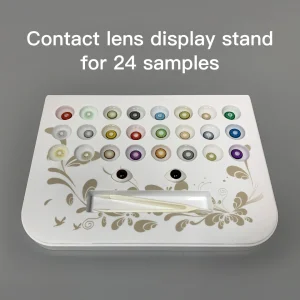
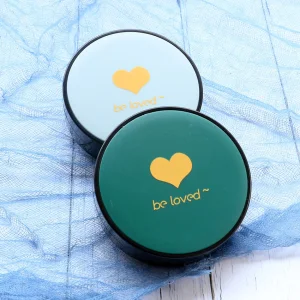
Explore our top-tier selection of medical-grade contact lenses, cosmetic options, and specialty optical accessories manufactured in our CE-certified facility.
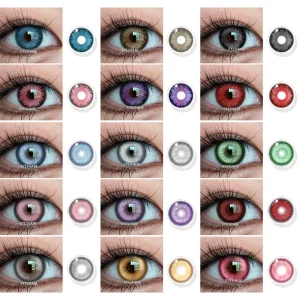
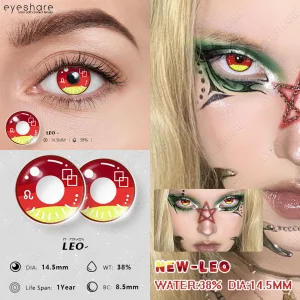
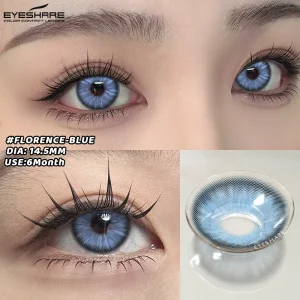
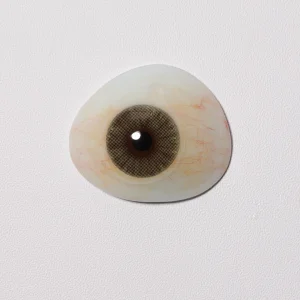
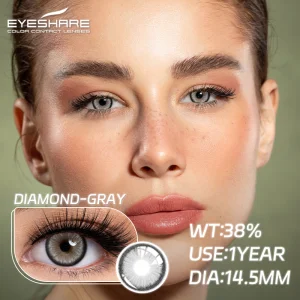
In modern ophthalmology and contact lens engineering, the term Oxygen Permeability (Dk) represents the inherent capacity of a polymeric material to allow the transport of oxygen molecules. When configured for real-world patient applications, we utilize Oxygen Transmissibility (Dk/t), where 't' indicates the central thickness of the lens. Achieving optimal Dk/t values is essential to maintaining normal corneal physiological health, avoiding issues like corneal edema, epithelial fragility, and peripheral neovascularization.
Conventional hydrogels (e.g., poly-HEMA-based materials) transport oxygen via their aqueous phase; therefore, their permeability is strictly bound to water content. However, this creates a biological paradox: high water content hydrogels tend to dehydrate rapidly on the eye, drawing moisture from the tear film and causing severe dry-eye discomfort. To solve this, advanced manufacturers utilize Silicone Hydrogel matrices, which introduce silicone channels that allow direct molecular passage of oxygen. This separates oxygen transport from water dependency, creating a comfortable environment for the wearer.
"According to international clinical standards, overnight or extended-wear contact lenses must achieve a minimum Dk/t of 87 to 125 to avoid hypoxia-induced swelling. Our CE-certified high oxygen permeable lenses meet and exceed these benchmarks, ensuring safe daily and extended wear."
Integrating fluorine-silicone monomers to maximize gas transmission without compromising polymer flexibility.
Applying advanced plasma-chemical surface treatments to mask hydrophobic silicone domains, ensuring a highly wettable surface.
Advanced contour modeling to promote tear exchange beneath the lens, supplying nutrient-rich tears to the corneal surface.
Founded in Dongguan, China, Dongguan Chic Contacts Co., Ltd. is a leading, specialized manufacturer dedicated to the research, development, and high-volume production of premium contact lenses and colored cosmetic lenses.
Operating from a state-of-the-art, GMP-standard cleanroom facility, we combine advanced cast-molding technologies with automated production lines to deliver lenses with exceptional oxygen permeability, moisture retention, and centration. Our robust supply chain allows us to support an extensive portfolio, ranging from daily disposables to yearly replacement lenses, utilizing market-proven materials like Hydrogel and HEMA.
As a trusted global OEM/ODM and private-label partner, Chic Contacts strictly adheres to international quality management systems, ensuring our products meet stringent global regulatory standards (CE/ISO). From custom pattern design and fast prototyping to mass production and compliant packaging, we provide end-to-end manufacturing solutions that empower global eyewear brands, distributors, and fast-fashion labels to scale with confidence.
Chic Contacts operates on a foundation of strict compliance and medical-grade manufacturing. We maintain rigorous standards at every stage of the production cycle, utilizing top-tier raw materials imported from certified international suppliers. This guarantees biocompatibility and excellent safety for the end consumer.
From monomer synthesis to final packaging, our facility utilizes state-of-the-art precision machinery to ensure quality and reliability.
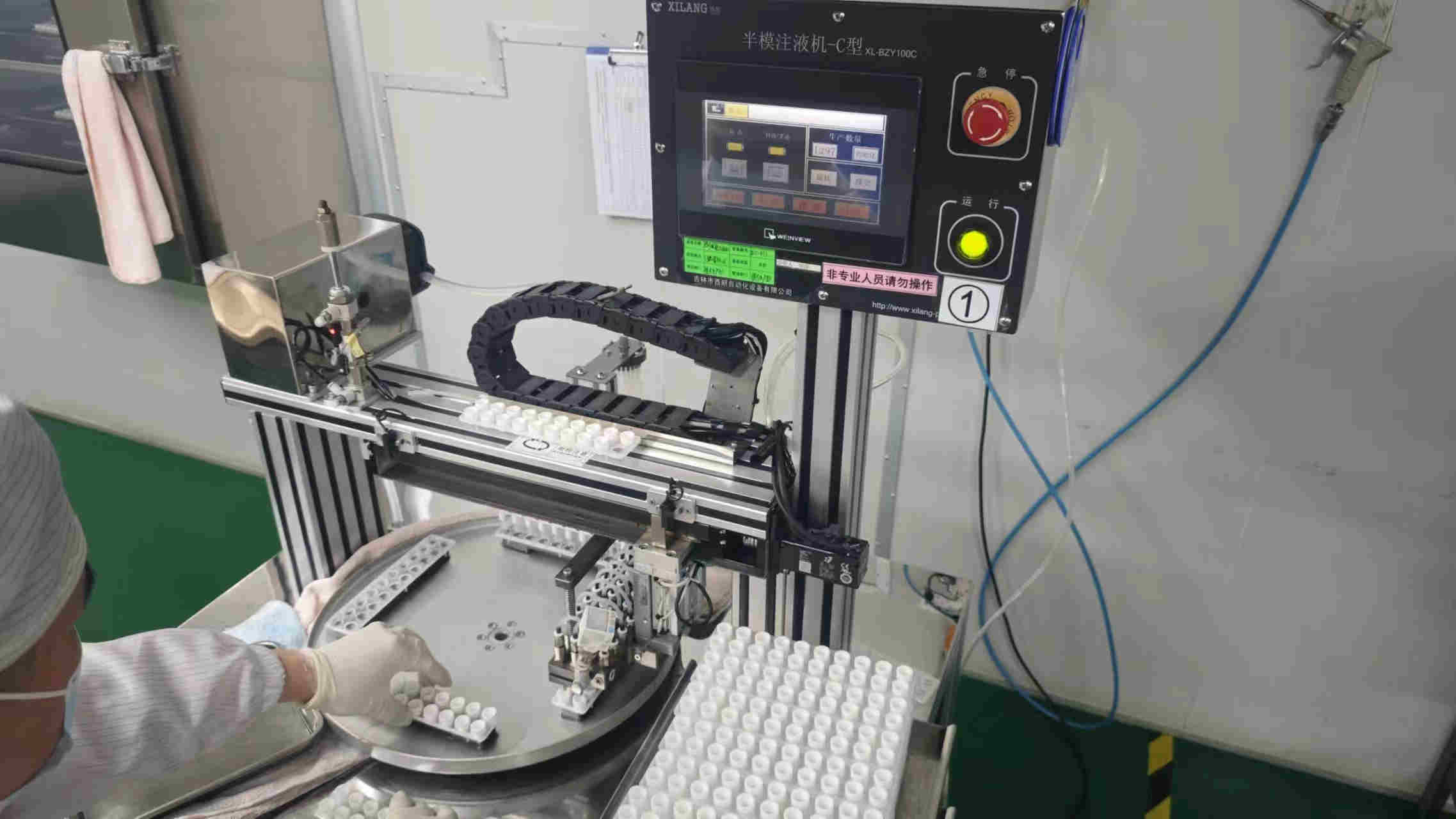
Printing
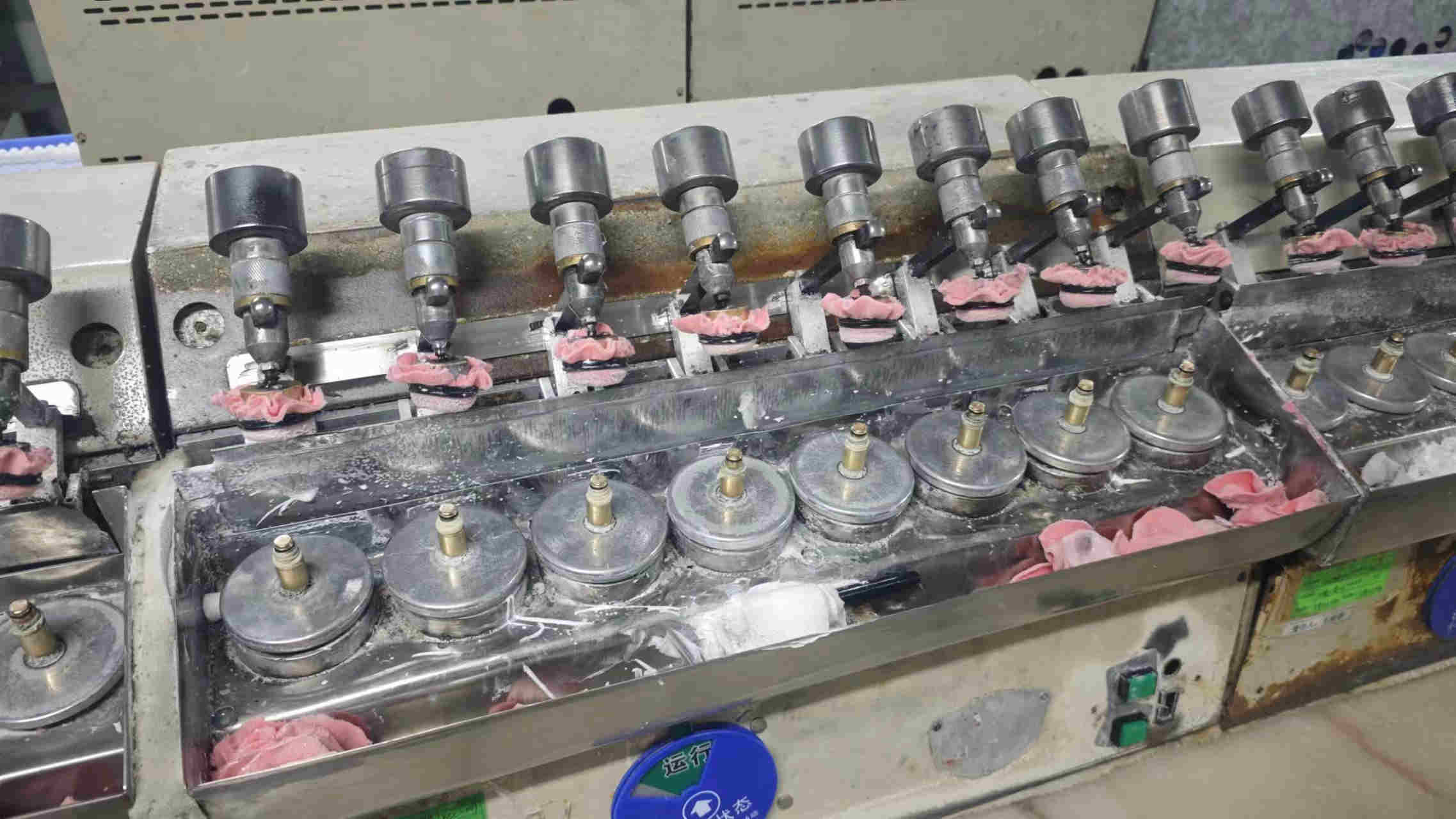
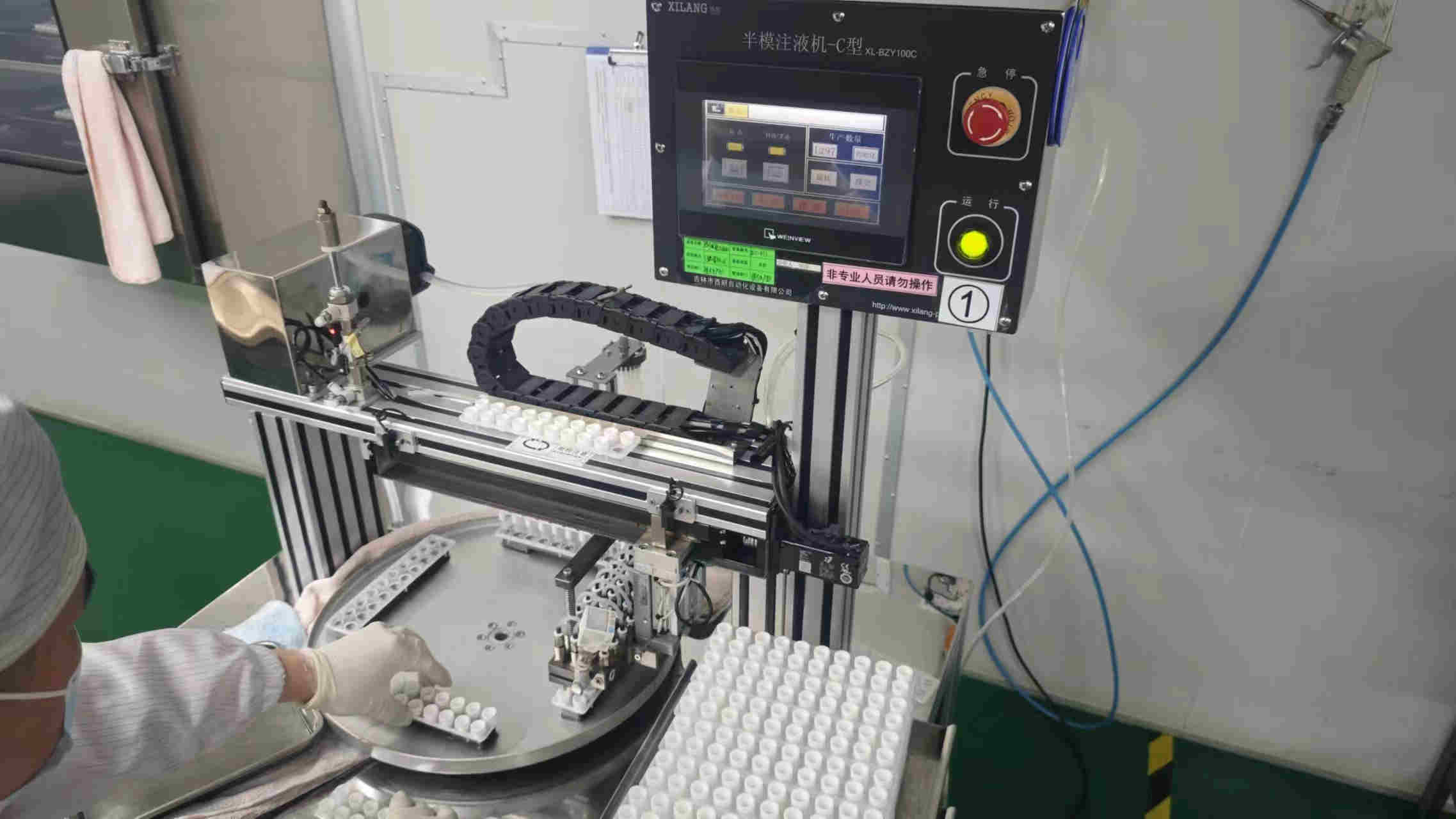
Liquid Injection
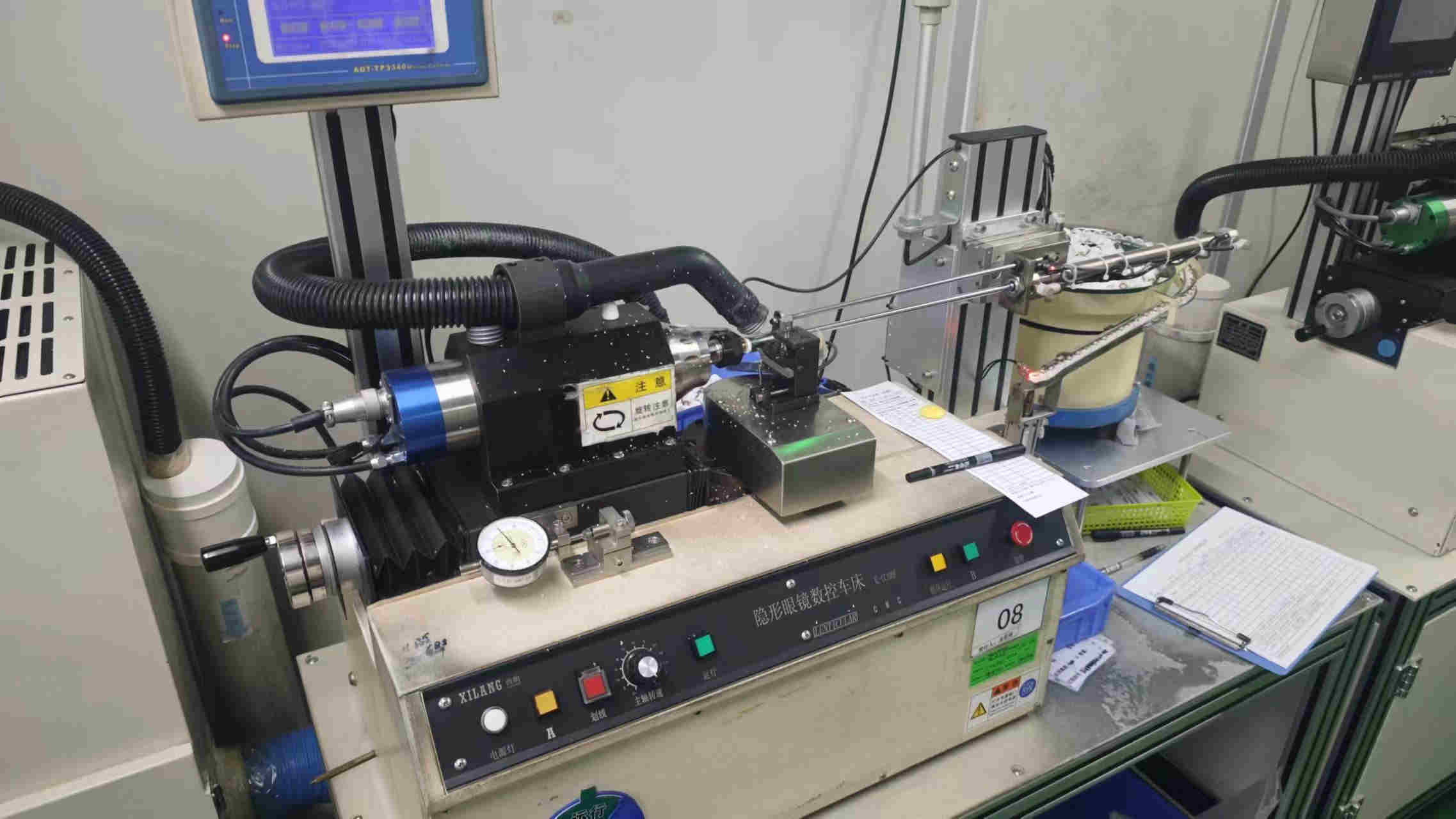
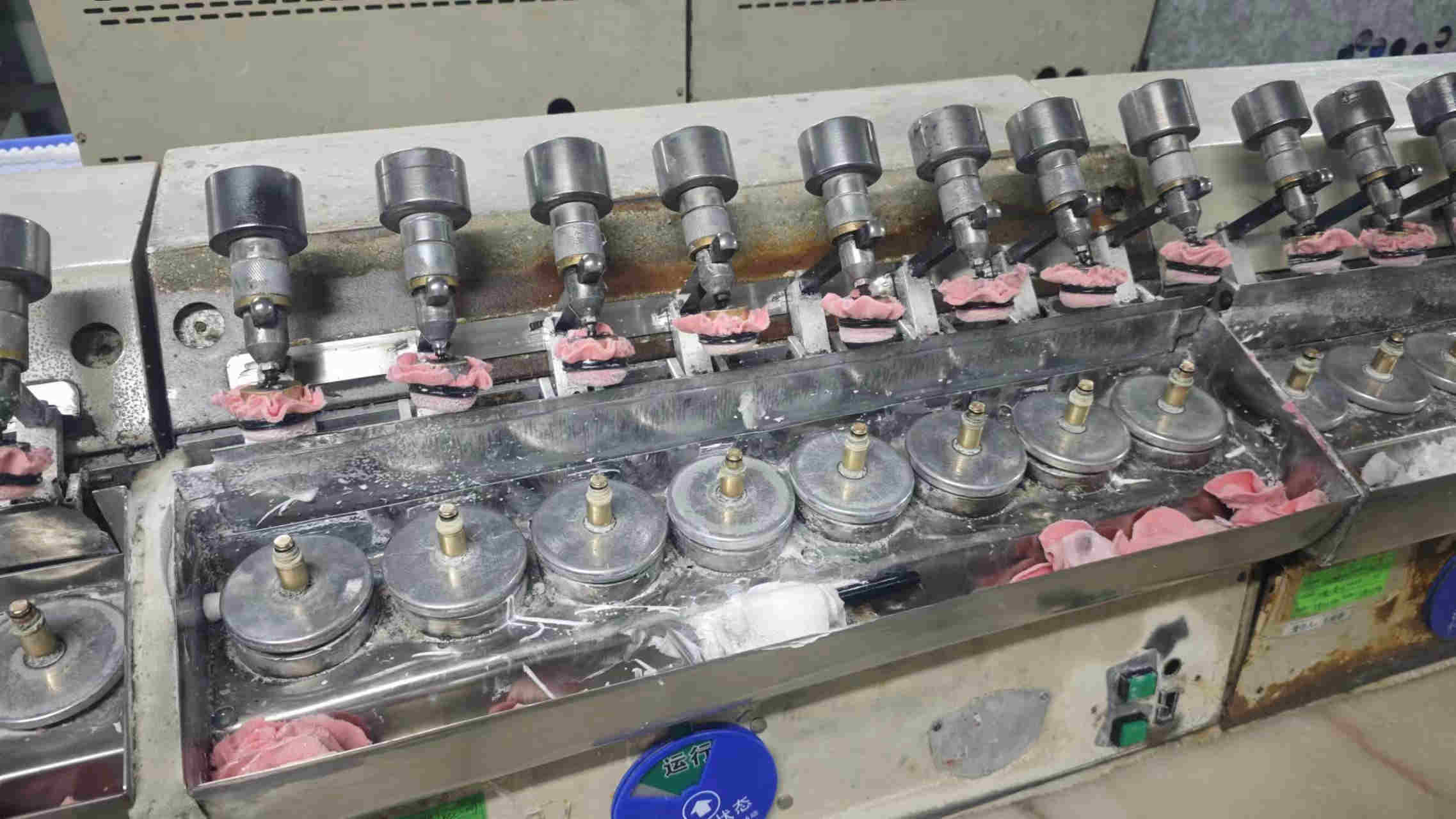
Polish
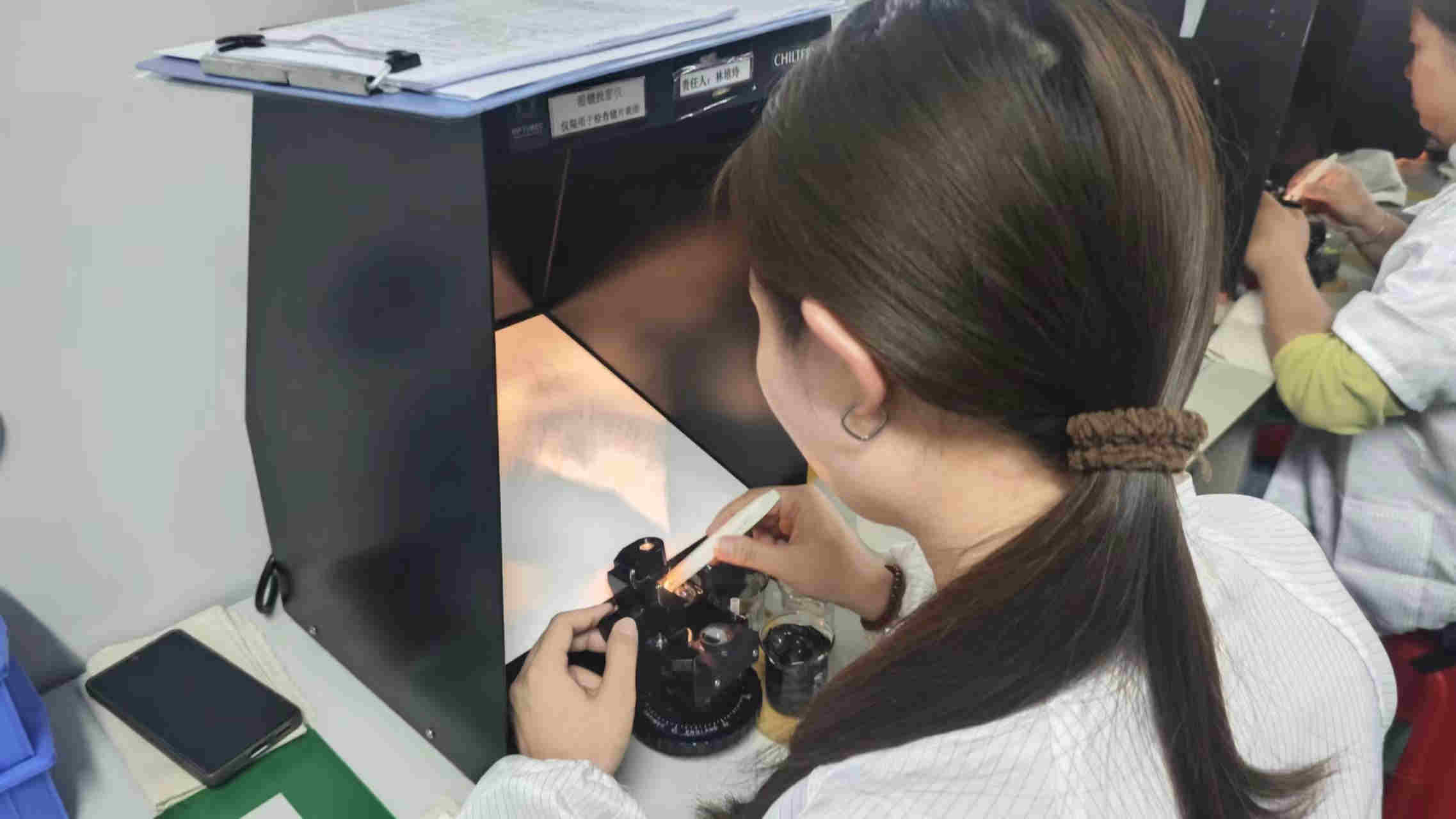
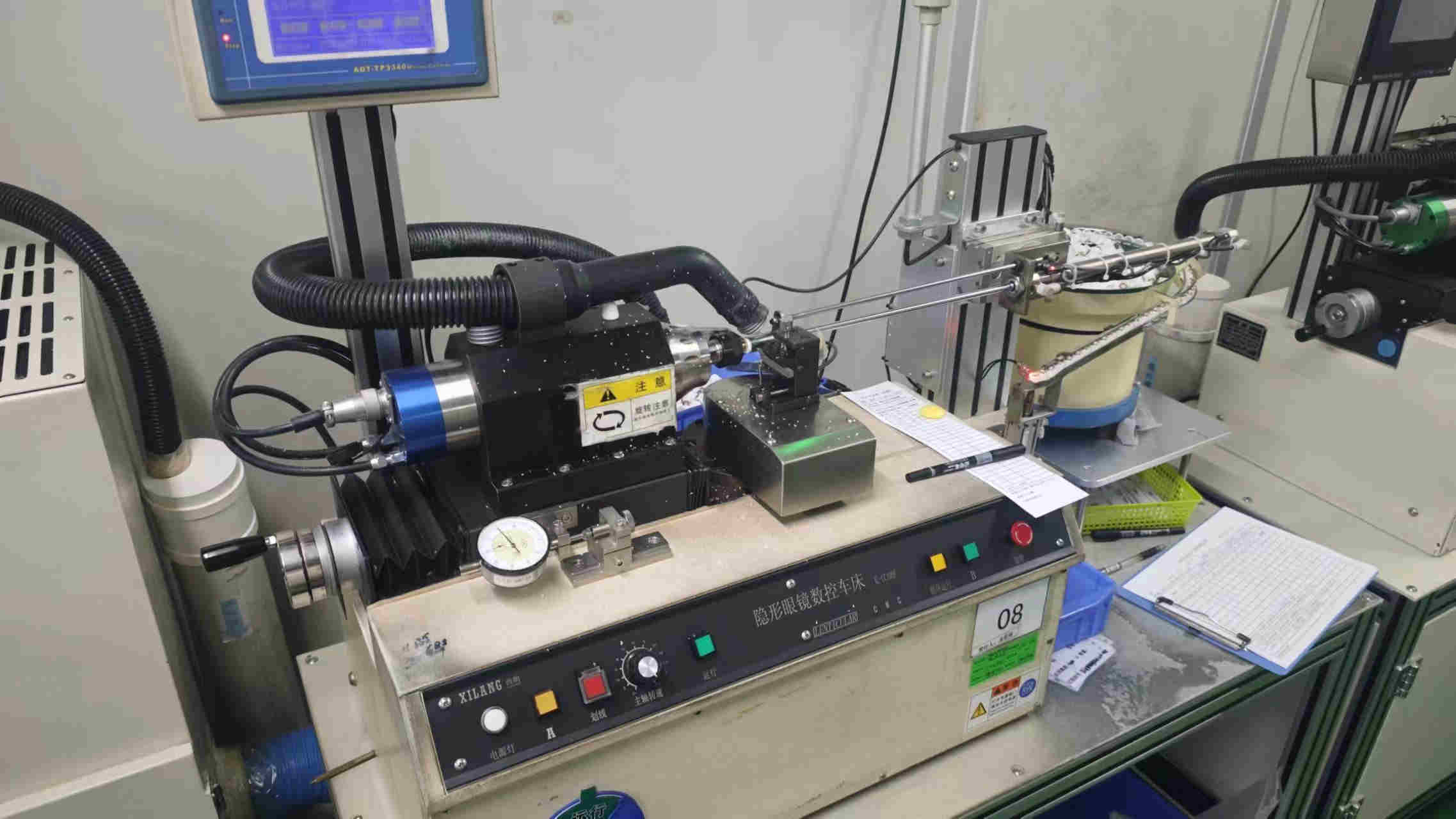
Cutting
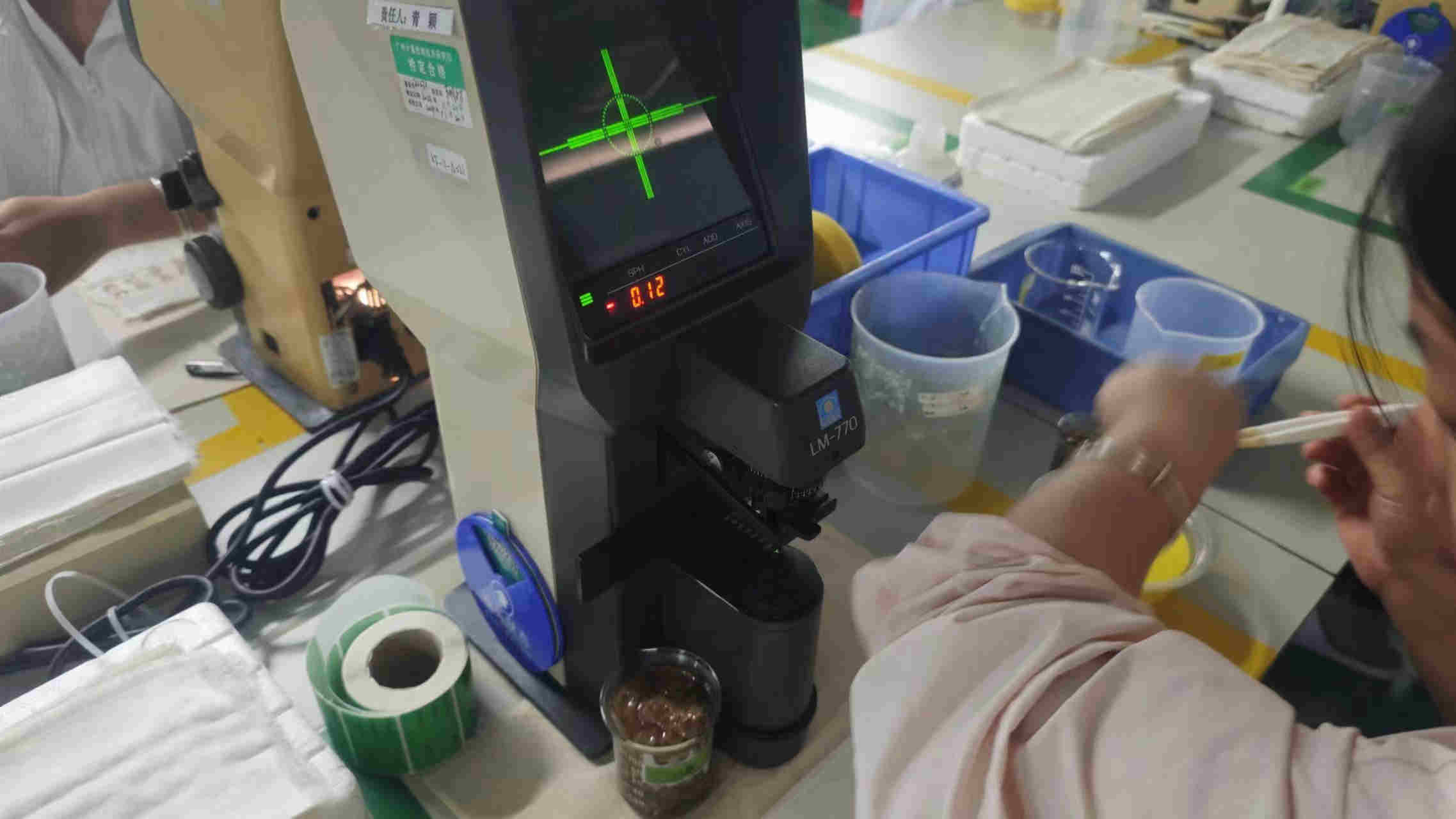
Inspection
Inspection
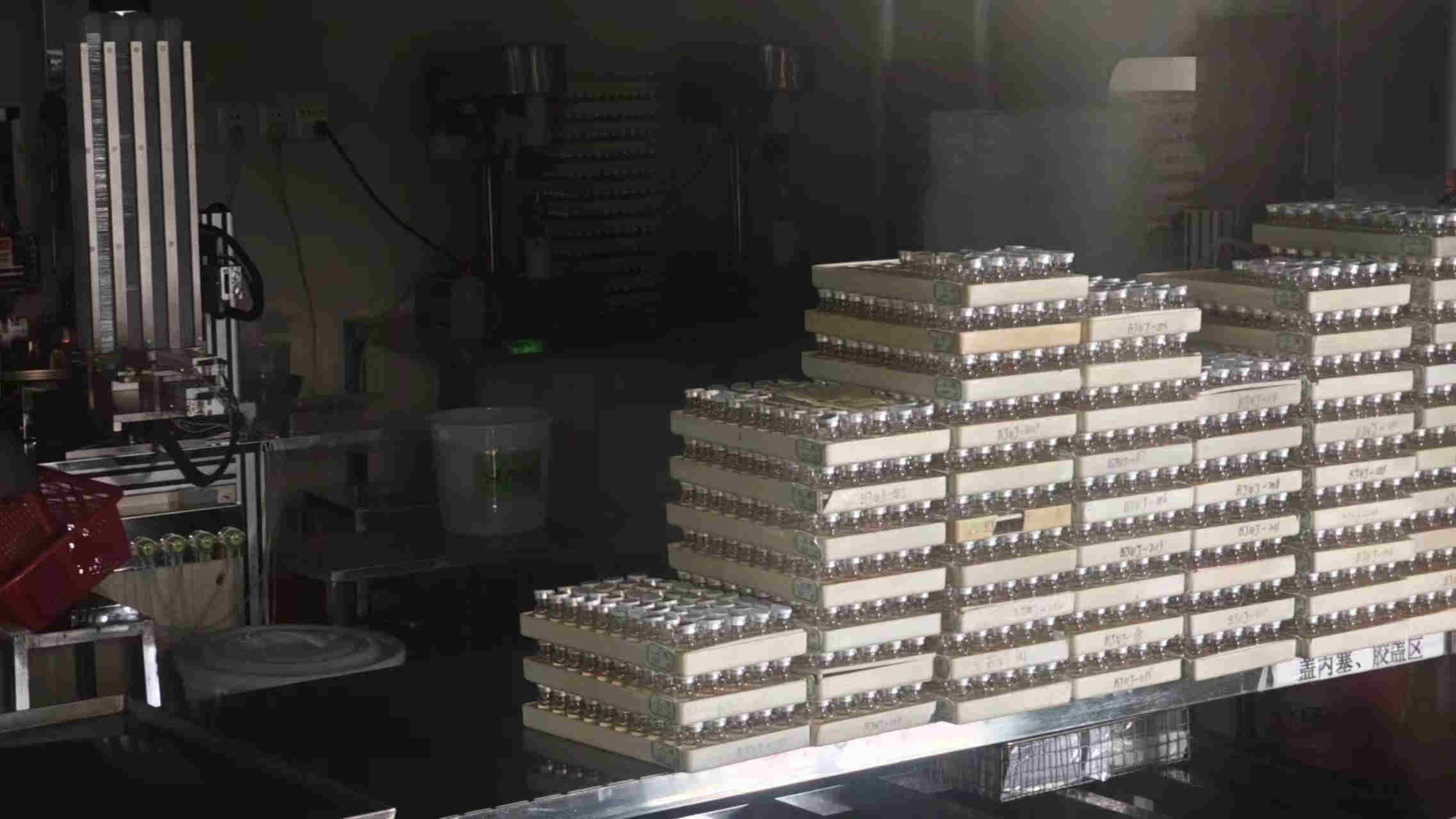
Packing
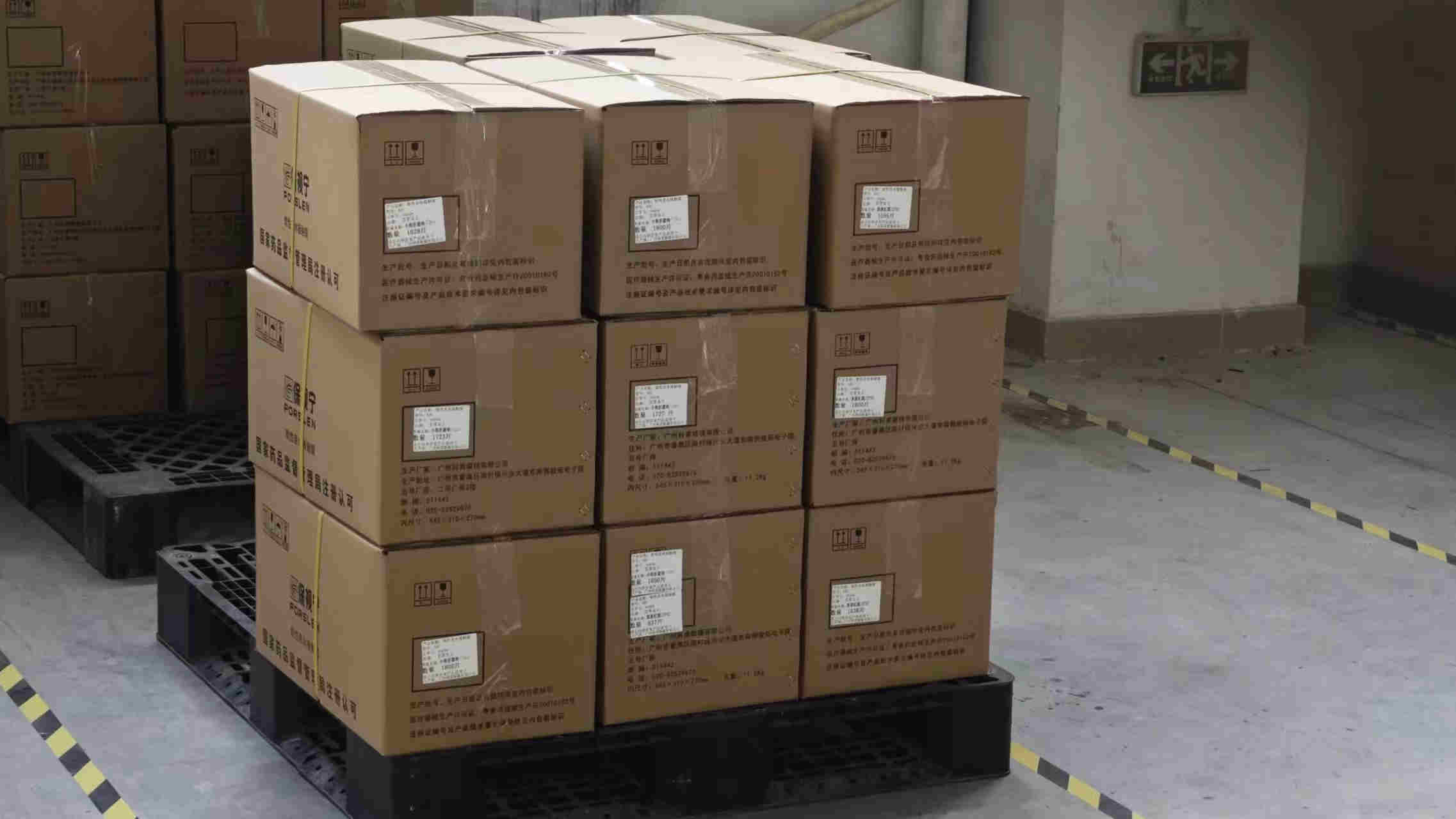
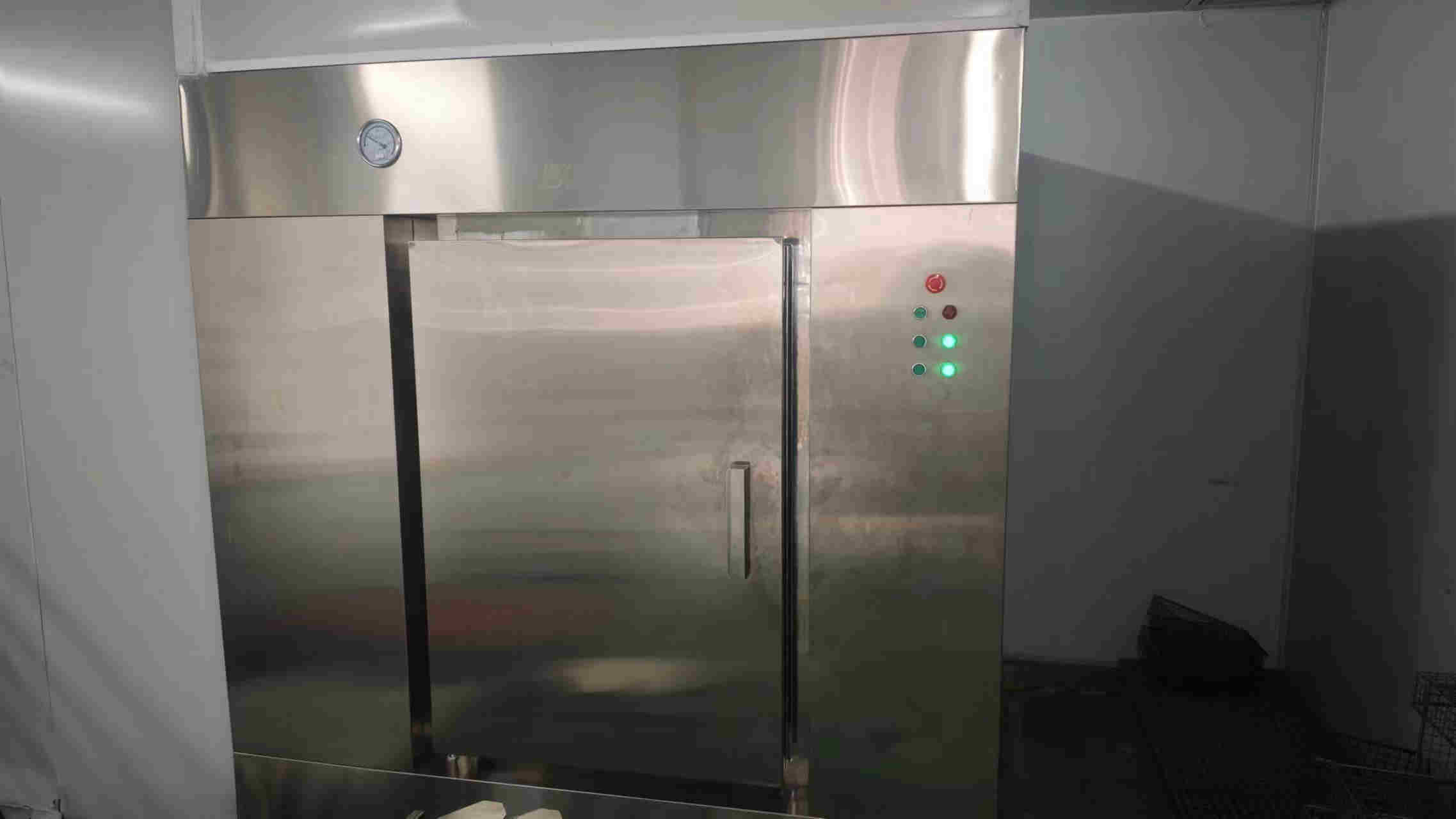
Sterilization
Finished Products
Cutting Machine
Liquid Injection
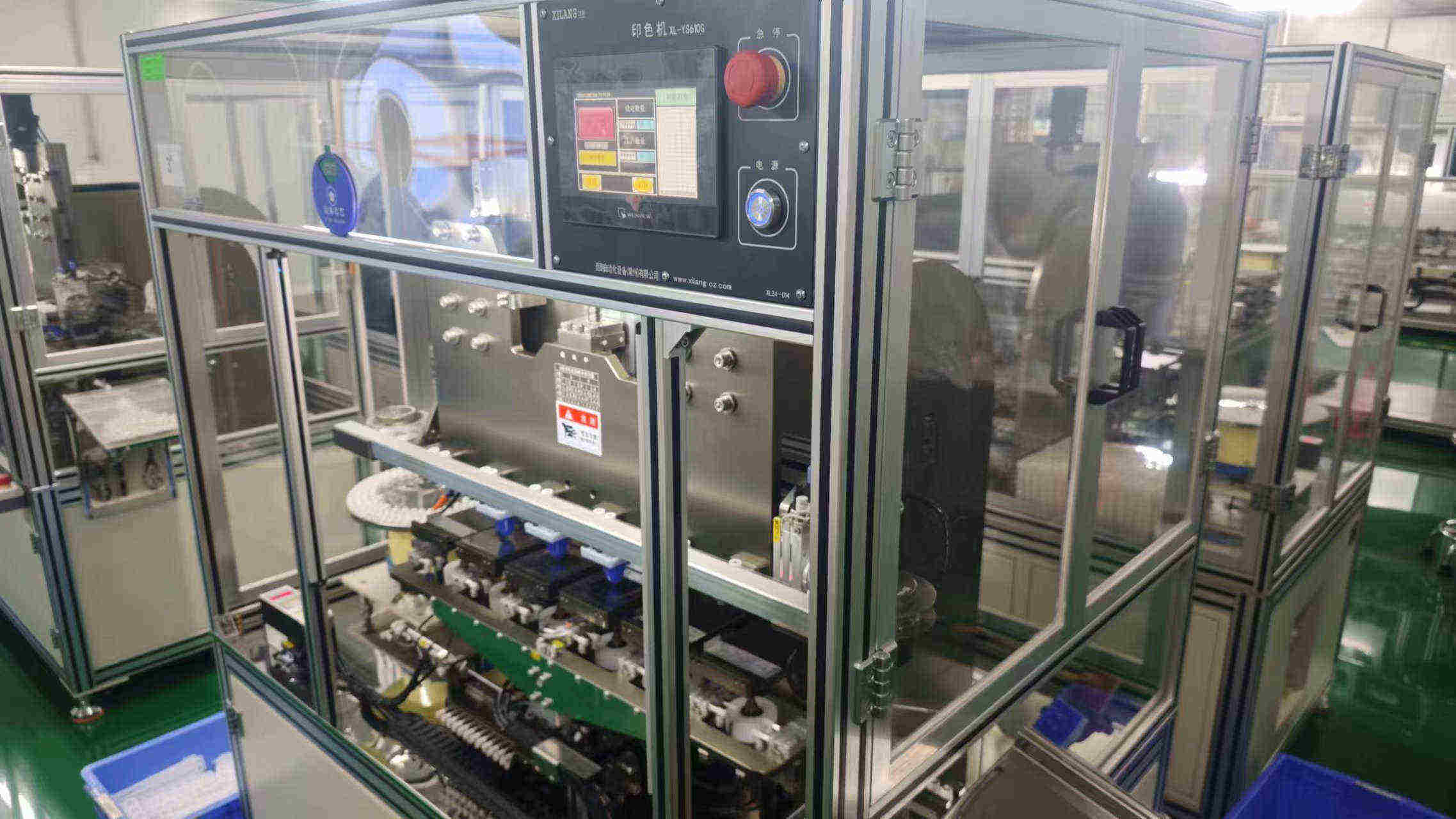
Polish Machine
High oxygen permeable lenses are critical across various daily activities, environmental settings, and therapeutic treatments.
Modern professionals face prolonged screen exposure, leading to reduced blink rates and tear film instability. Our lenses maintain high oxygen transmissibility and surface hydration to help minimize computer-induced dry eye syndrome.
At higher altitudes or in dry regions, atmospheric pressure and humidity levels are lower. High Dk/t lenses are essential under these conditions to prevent corneal oxygen deprivation and protect against dry environments.
Colored and custom pattern lenses are often worn for extended periods during conventions and performances. Our medical-grade materials allow cosmetic wearers to enjoy vibrant colors and intricate designs while keeping their eyes comfortable.
Our ongoing commitment to material science drives our development of next-generation vision solutions.
Developing polymer matrices modeled after biological membranes to reduce protein deposition and improve user comfort.
Integrating blue-light blocking monomers directly into high-Dk polymers to shield the retina from digital screens.
Developing lenses that release localized medications at a controlled rate, offering a new delivery system for glaucoma therapies.
Embedding micro-sensors within the lens matrix to monitor intraocular pressure and biomarker changes in the tear film.
Operating in Dongguan, China, places our production facilities at the heart of the world's most advanced electronics and precision manufacturing hub. This strategic location enables us to run highly efficient production processes, supported by rapid sourcing of raw materials and immediate access to shipping channels. Our facility is designed to scale output quickly, meeting sudden increases in market demand without sacrificing compliance or quality control.
By integrating automated injection molding, precision CNC lathe cutting, and advanced dry-state optics inspection, we maintain tight tolerances for critical parameters like base curve (BC), diameter (DIA), and central thickness. Our vertically integrated packaging lines also allow us to offer fast turnaround times for customized private label (OEM/ODM) designs, helping our partners shorten their product-to-market cycles.
We assist our global distribution partners through the complex regulatory pathways required to launch optical devices in key regional markets.
We provide complete technical files and conformity declarations to support our partners as the European market transitions from the old MDD to the new MDR system.
Our manufacturing processes generate the biocompatibility data, extraction studies, and mechanical testing records required for FDA submissions.
We provide the technical documentation, manufacturing licenses, and testing reports needed for registration with regulatory bodies like Japan's PMDA and China's NMPA.
Find answers to key technical, regulatory, and logistical questions about our high oxygen permeable lenses.
Dk is the intrinsic oxygen permeability of the lens material, measuring how easily gas moves through the polymer. Dk/t is oxygen transmissibility, which accounts for the thickness (t) of the actual lens. For clinical safety, Dk/t is the more important measurement, as thicker prescription lenses can restrict oxygen flow even when made from high-Dk materials.
Yes, our manufacturing facility operates under ISO 13485 certification, and our contact lenses are CE certified, aligning with safety and quality regulations. We actively maintain and update our technical documentation to comply with the European Union's Medical Device Regulation (MDR 2017/745).
Yes, we specialize in comprehensive OEM/ODM services. We assist brands with everything from graphic pattern design and custom material development to packaging options (sterile blisters or glass vials) and regulatory documentation.
We use high-temperature wet autoclaving methods to sterilize our lenses in their final sealed packaging. Each production batch undergoes strict quality control checks, including testing for sterility, extractable substances, and overall physical dimensions, ensuring consistent quality and performance.
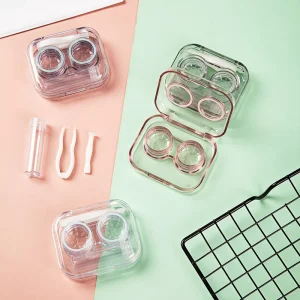
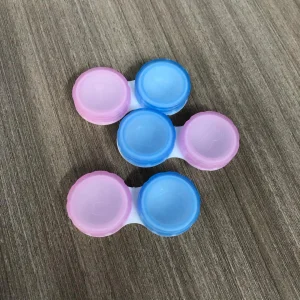
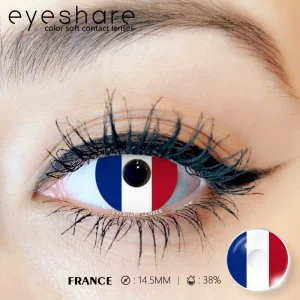
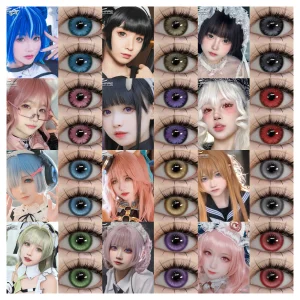
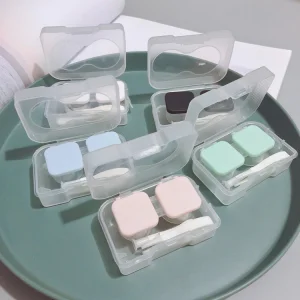
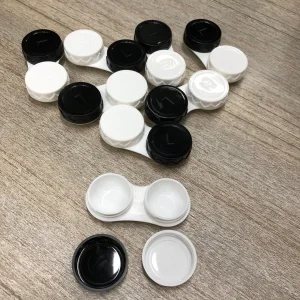
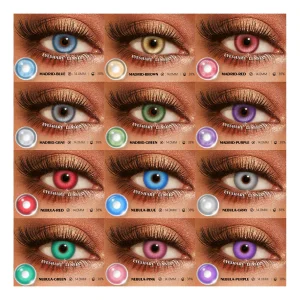
Our second collection features a variety of specialty cosmetic colors, daily and yearly replacement options, and modern care solutions.
 Chic Contacts