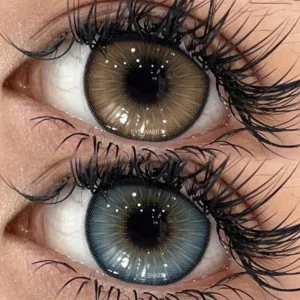
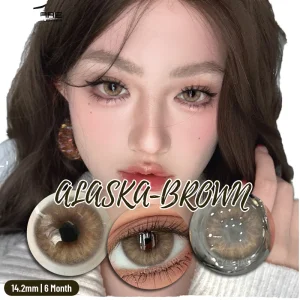
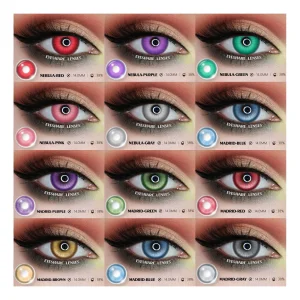
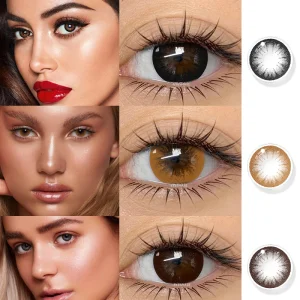
Explore our premium quality soft daily, monthly, and yearly disposable corrective and cosmetic contact lenses.
The global ophthalmic lens industry is witnessing a revolutionary shift. In an era where refractive errors such as myopia, hyperopia, astigmatism, and presbyopia are escalating exponentially, vision correction lenses have migrated from optional optical aids to vital medical hardware. According to contemporary epidemiological estimates, over 50% of the world’s population is projected to require vision correction by 2050. This surge is fueled not only by aging demographic curves in high-income regions but also by early onset myopia triggered by near-work and digital screen exposures across key markets in Asia, the Americas, and Europe.
As a medical product directly contacting the cornea, safety, and optical precision are paramount. Globally, regulatory bodies classify contact lenses as Class IIa or Class IIb medical devices. Consequently, securing a certified supply chain is the baseline requirement for legal market entry and consumer brand protection. As leading developers, maintaining CE Certification is not simply a decorative badge of honor; it is an absolute technical validation. Under the updated European Union Medical Devices Regulation (MDR 2017/745), strict oversight is enforced on biocompatibility, sterilization validation, chemical extractables, and clinical follow-up.
For exporters and distributors targeting Europe, North America, and Southeast Asia, partnering with an ISO 13485 certified manufacturer is the definitive strategy to mitigate customs seizure risks, quality recalls, and civil liabilities. Optical performance must remain consistent through manufacturing tolerances measured in microns. From raw monomer handling to polymerization, lathe cutting, hydration, and terminal autoclave sterilization, every operational step must guarantee stability, consistency, and optical clarity.
Refractive demands differ distinctly across geographic markets. Successful global exporters must pivot their manufacturing frameworks to accommodate localized application scenarios and purchasing behaviors:
In Europe, daily disposables dominate the market share. Consumers prioritize ocular health and convenience, seeking materials with high oxygen transmissibility (Dk/t) such as Silicone Hydrogels. Regulatory requirements demand rigorous validation against chemical leaching. Our CE certification serves as a passport, assuring that monomers, color additives, and storage saline comply with the absolute limit of toxicological profiles.
The North American landscape demands extended prescription ranges, including complex toric configurations for astigmatism and multifocal designs for presbyopic correction. Additionally, the region features a robust therapeutic market, using lenses for dry-eye management and corneal splinting post-surgery.
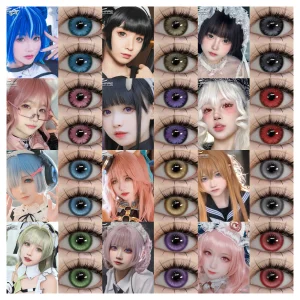
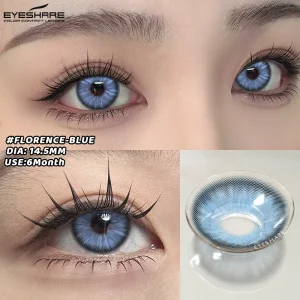
In APAC, particularly in East and Southeast Asia, colored cosmetic contacts with corrective properties (ranging from 0.00D to -10.00D or higher) represent the fastest-growing optical segment. Consumers seek both cosmetic enlargement (circle lenses) and corrective utilities. The manufacturing challenge lies in ensuring that colorants are safely sandwiched inside the polymer matrix rather than printed on the surface, which could lead to corneal abrasions or pigment shedding.
"By offering an integrated product configuration that fuses custom Rx parameters with high-fashion cosmetic profiles, exporters can unlock massive commercial margins in high-growth demographic sectors."
Founded in Dongguan, China, Dongguan Chic Contacts Co., Ltd. is a leading, specialized manufacturer dedicated to the research, development, and high-volume production of premium contact lenses and colored cosmetic lenses.
Operating from a state-of-the-art, GMP-standard cleanroom facility, we combine advanced cast-molding technologies with automated production lines to deliver lenses with exceptional oxygen permeability, moisture retention, and centration. Our robust supply chain allows us to support an extensive portfolio, ranging from daily disposables to yearly replacement lenses, utilizing market-proven materials like Hydrogel and Hema.
As a trusted global OEM/ODM and private-label partner, Chic Contacts strictly adheres to international quality management systems, ensuring our products meet stringent global regulatory standards (CE/ISO). From custom pattern design and fast prototyping to mass production and compliant packaging, we provide end-to-end manufacturing solutions that empower global eyewear brands, distributors, and fast-fashion labels to scale with confidence.
The manufacturing of high-precision vision correction lenses relies on advanced polymer chemistry and precise mechanical engineering. Key parameters include:
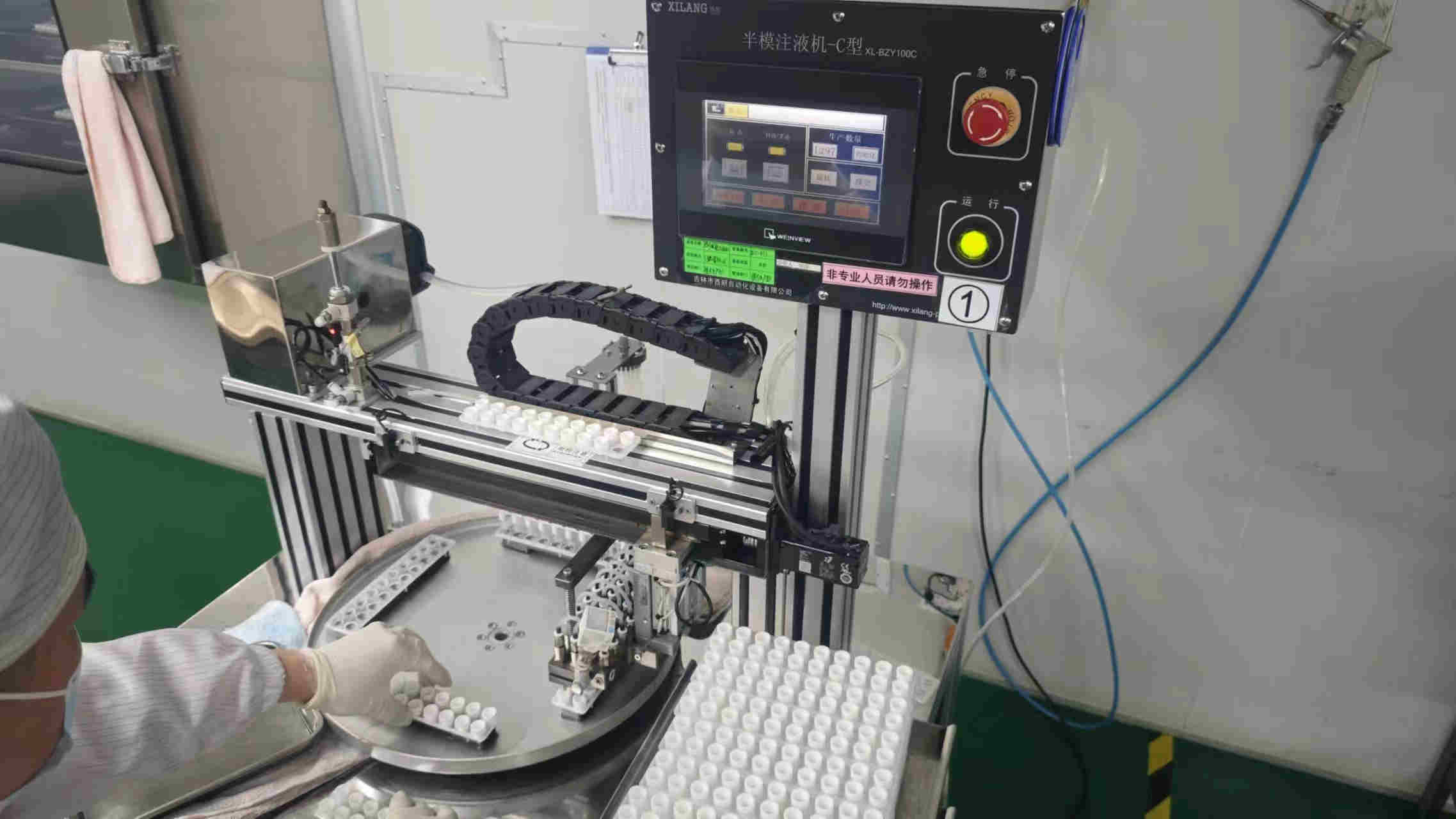
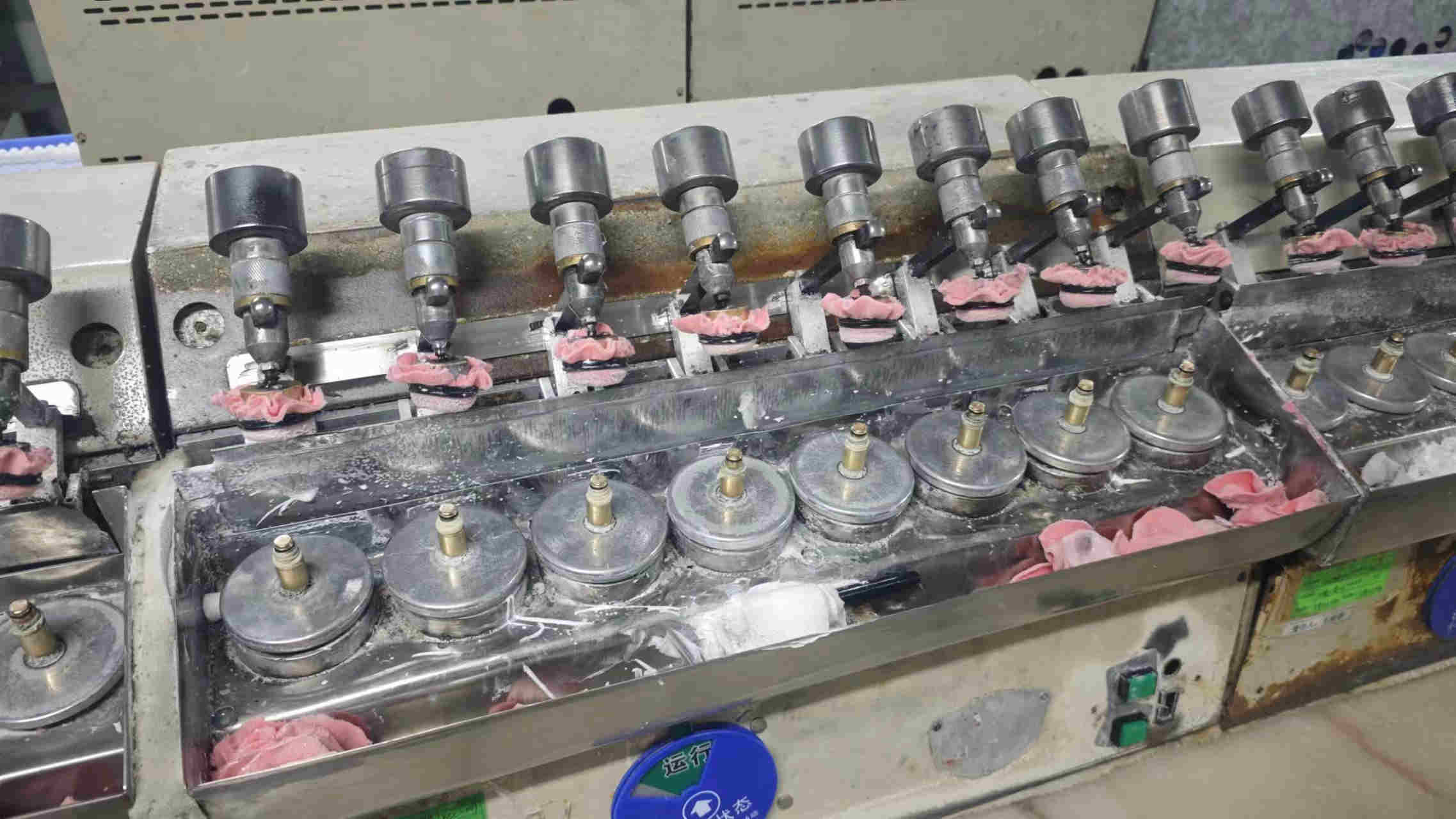
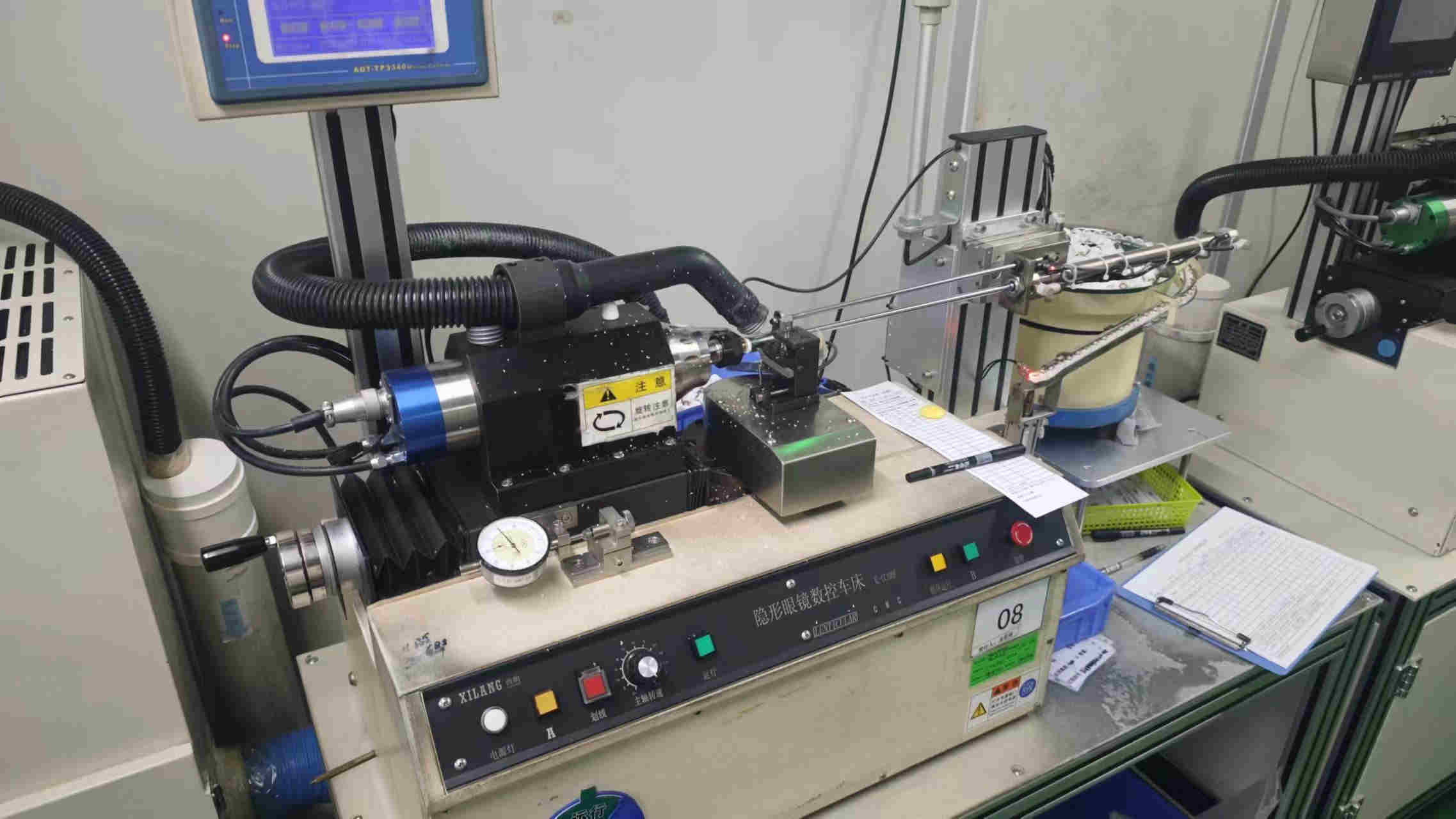
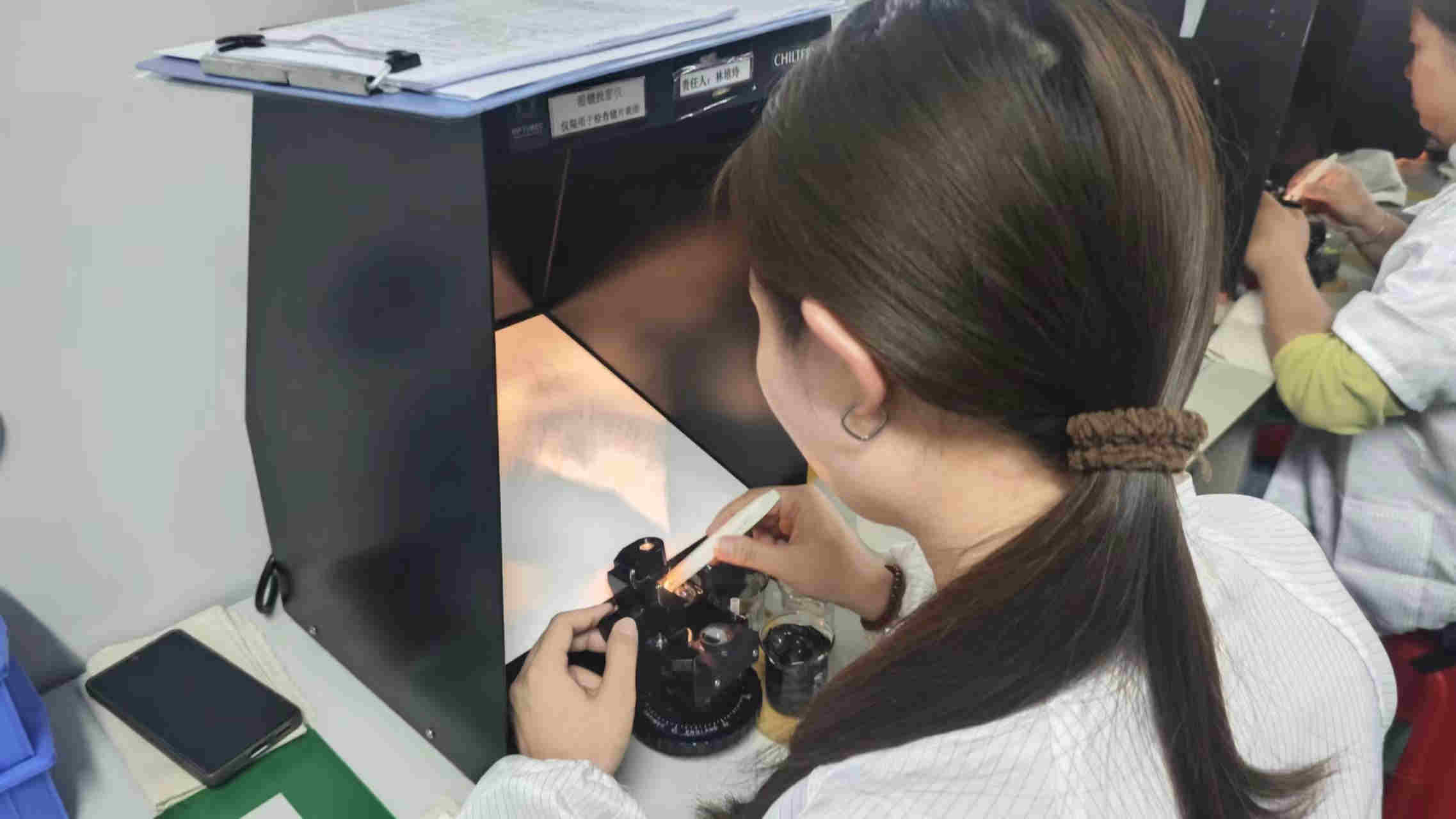
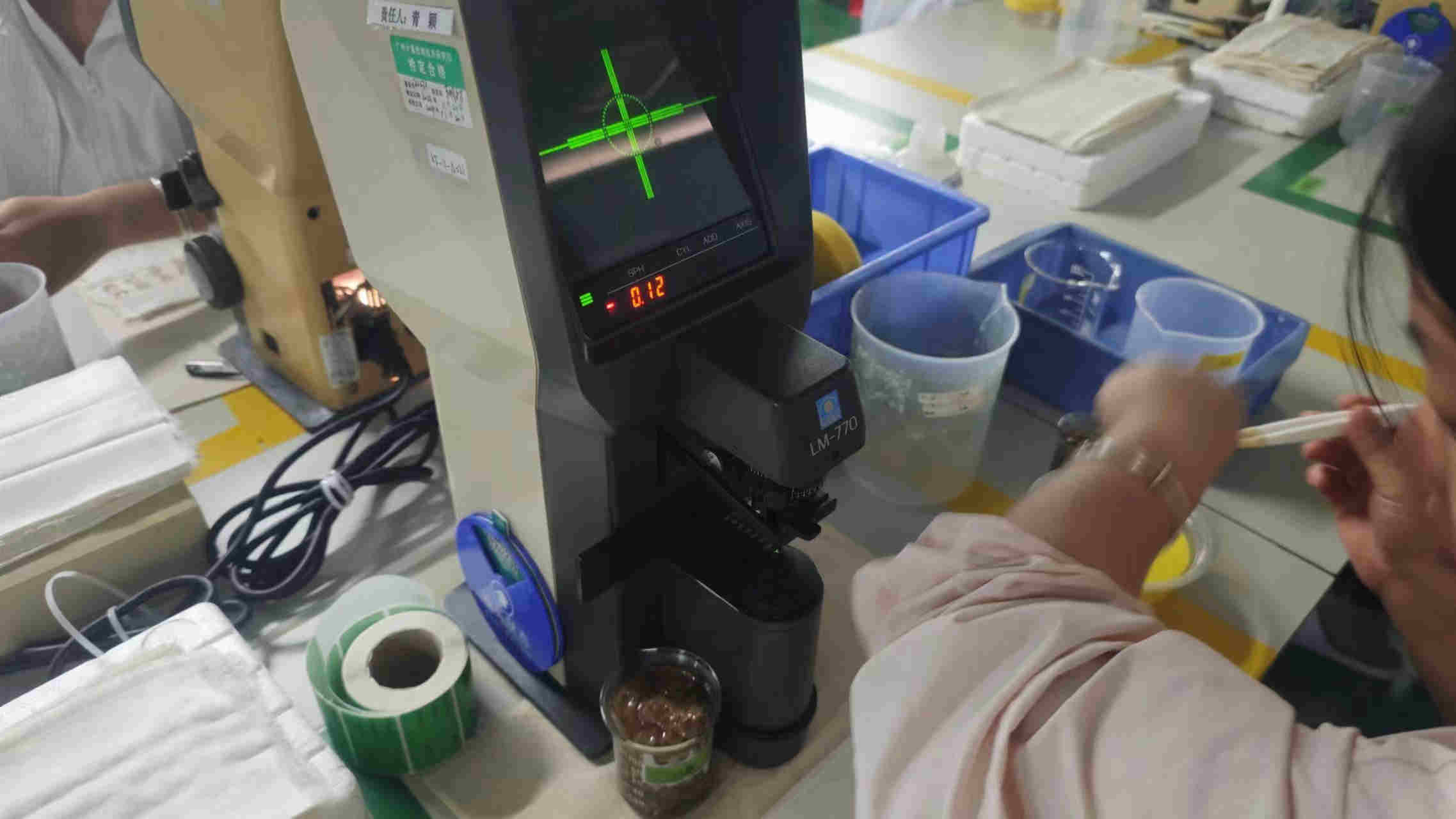
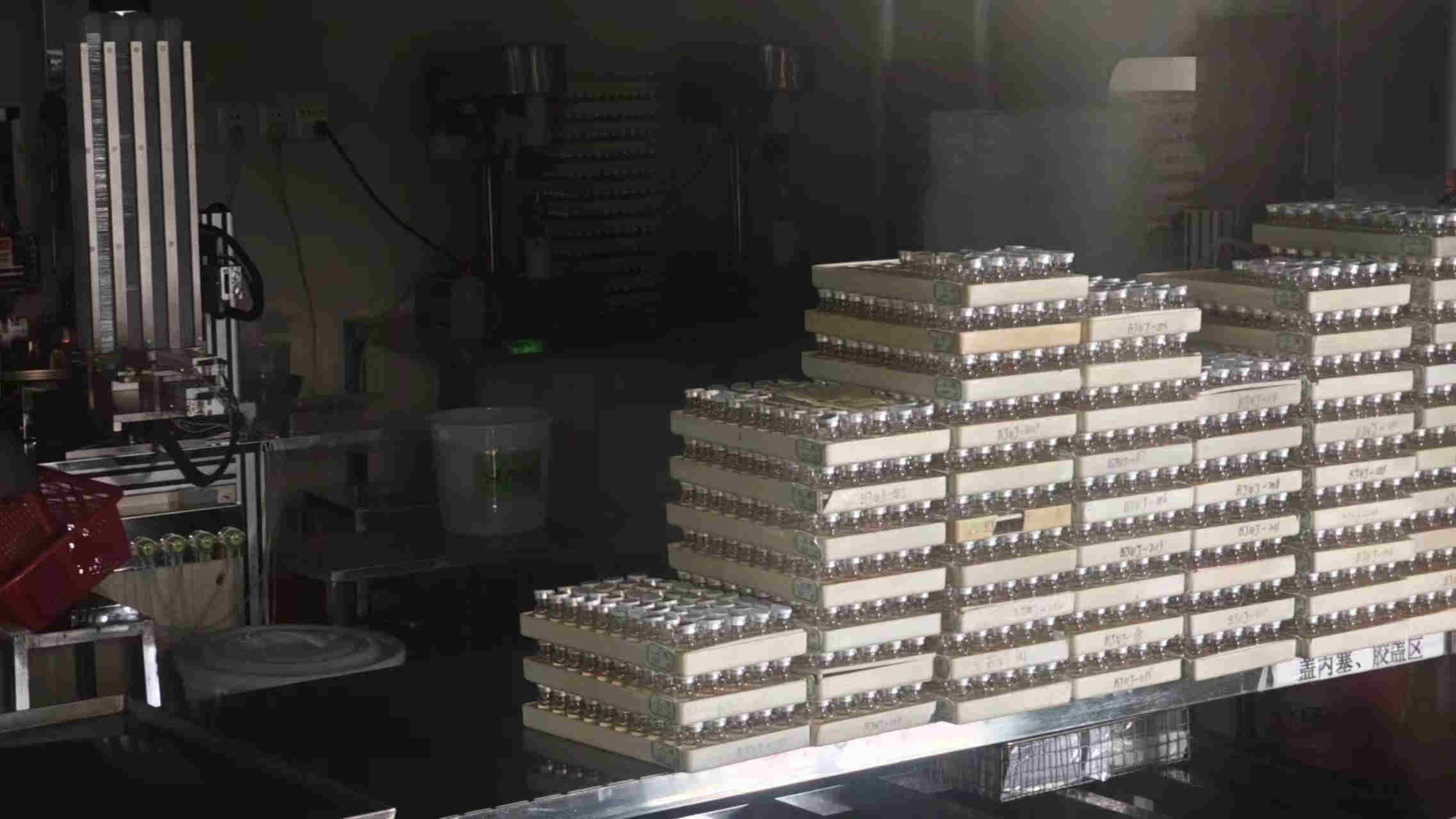
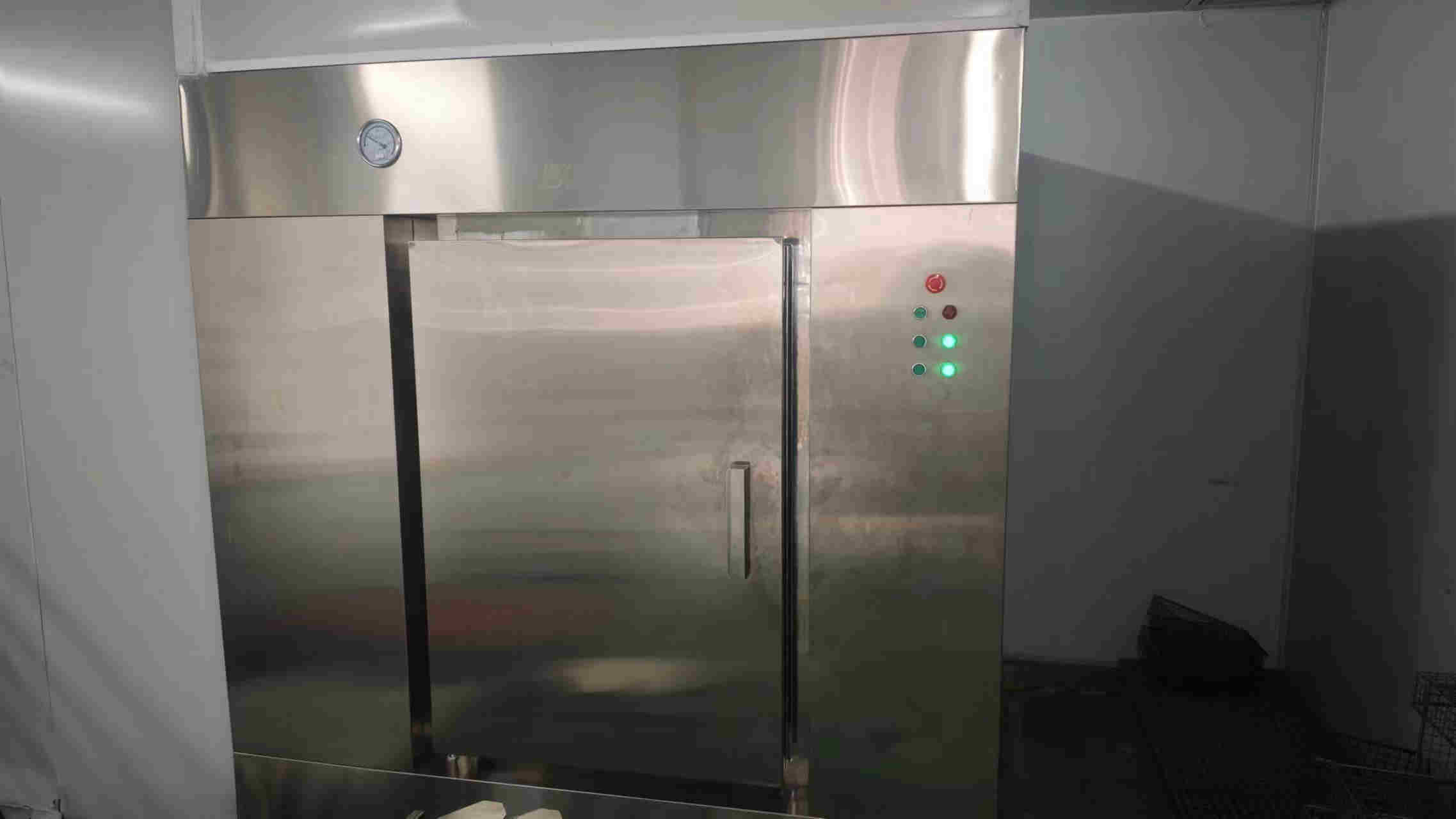
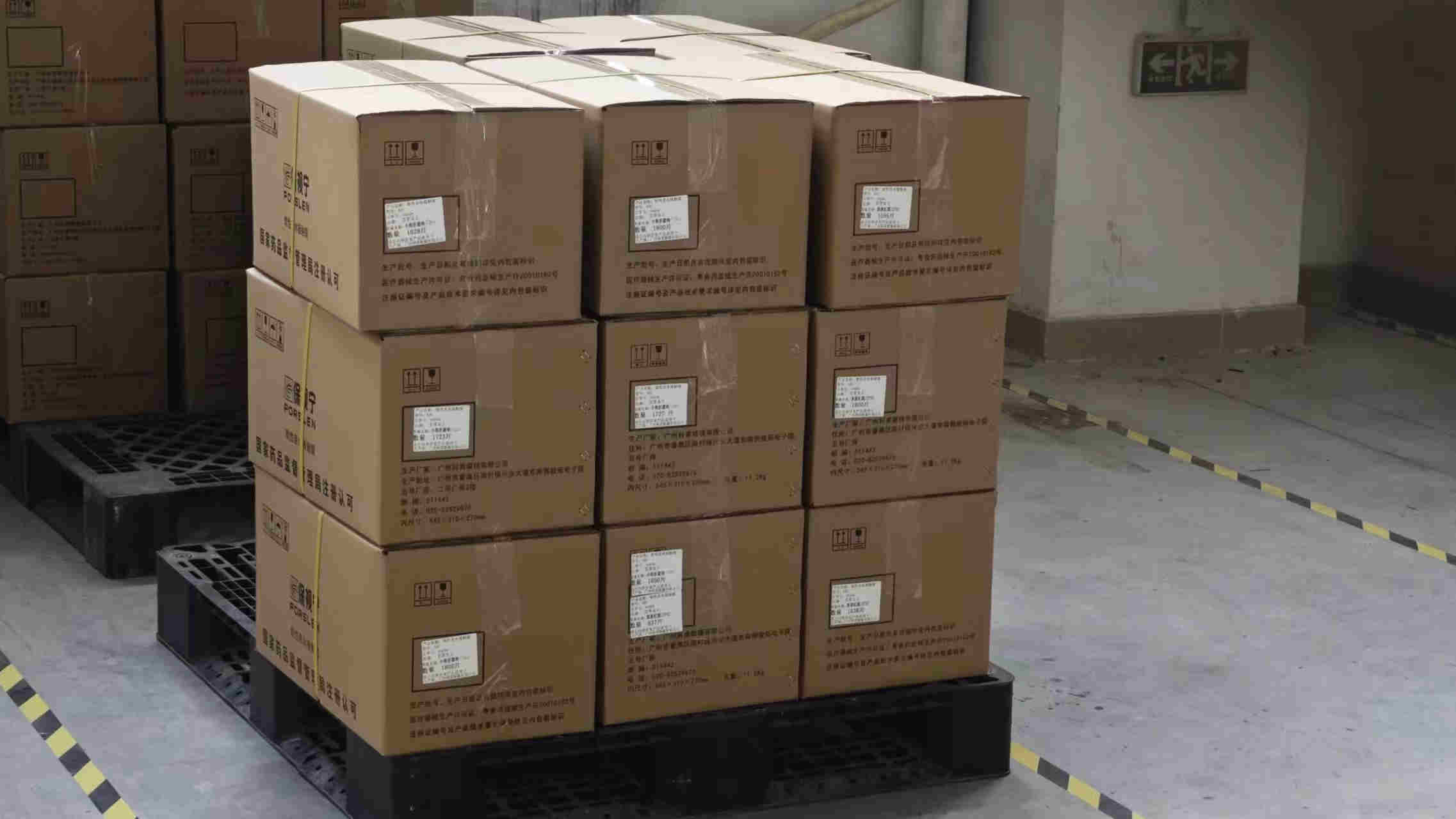
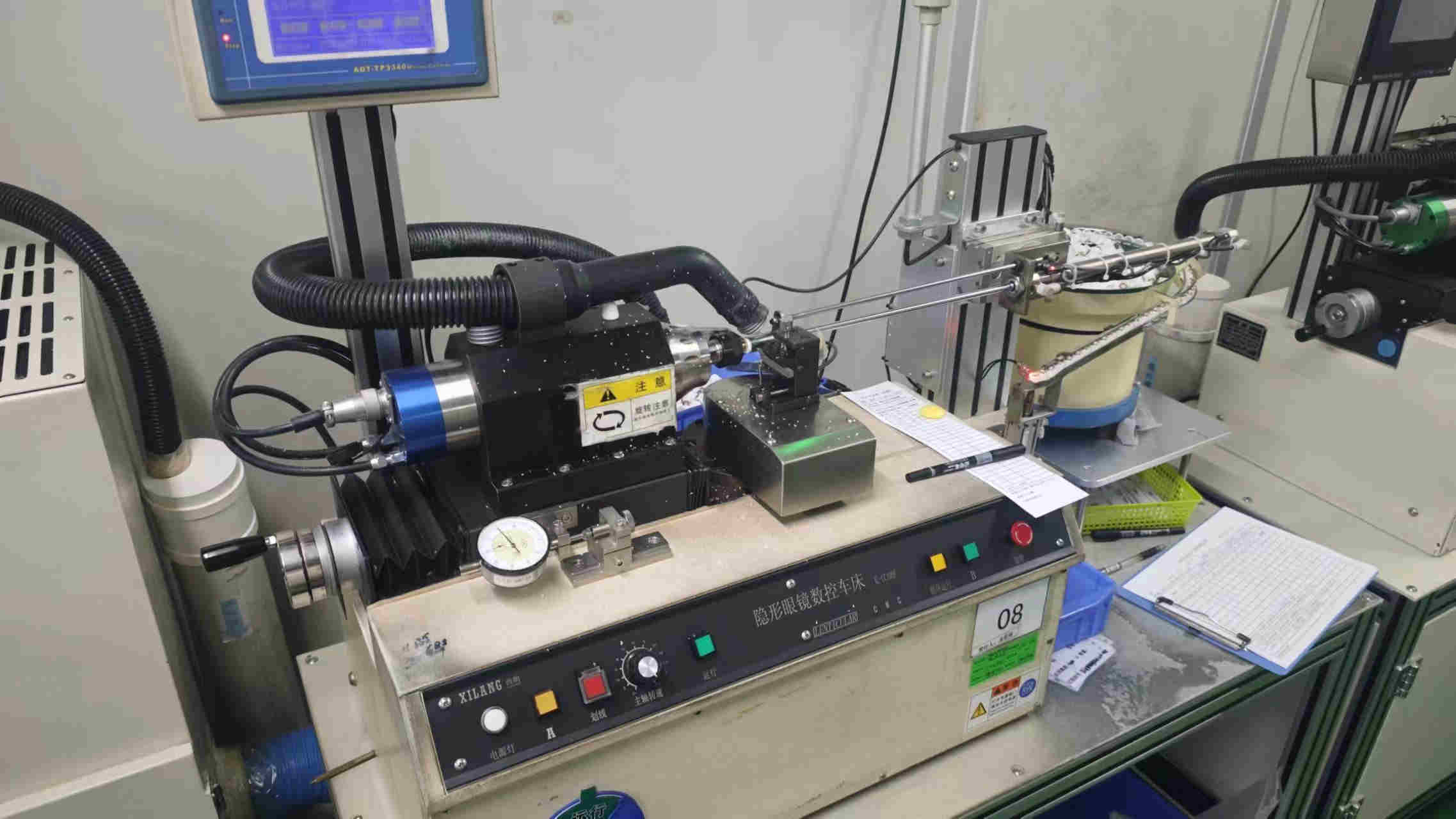
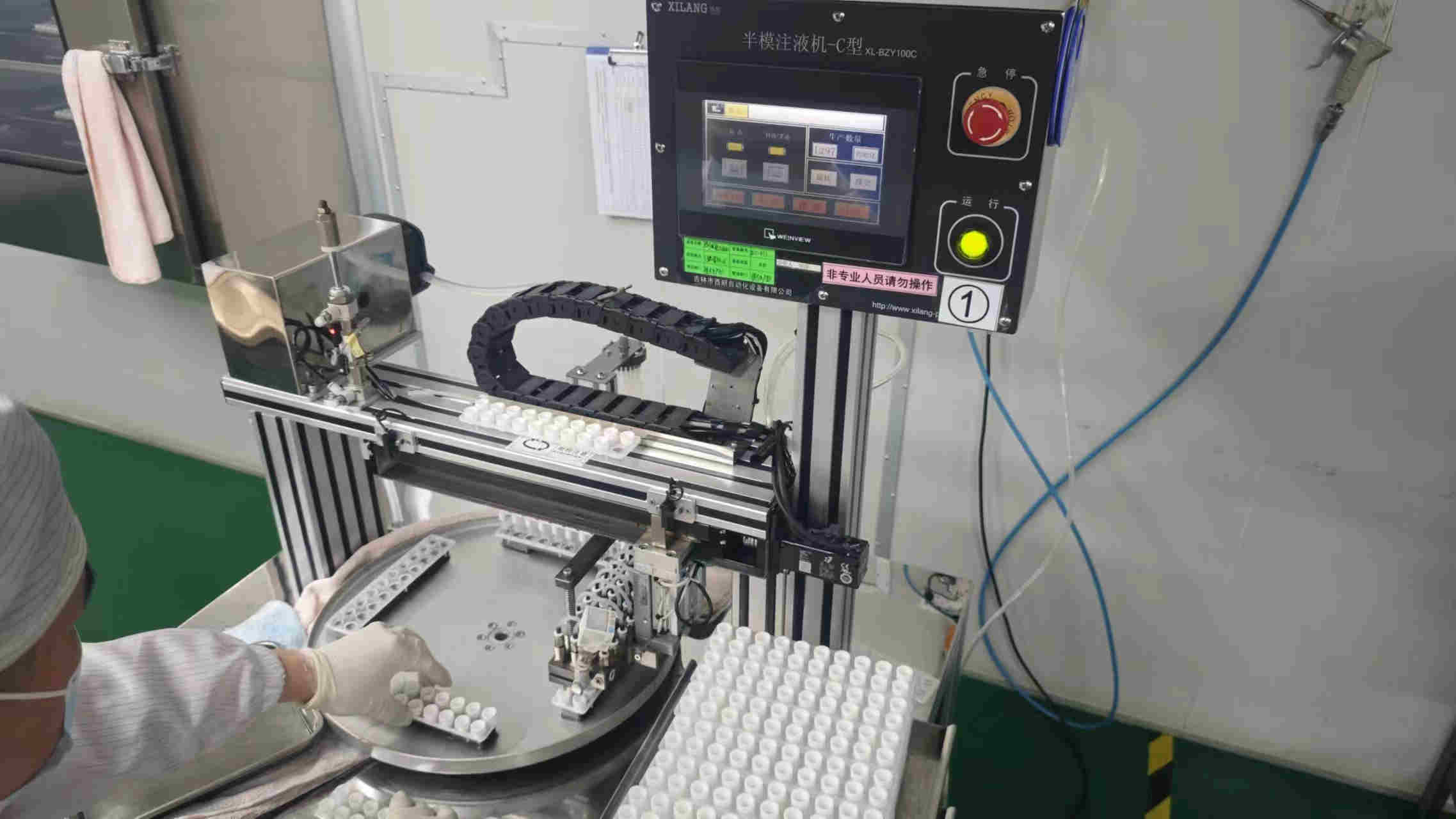
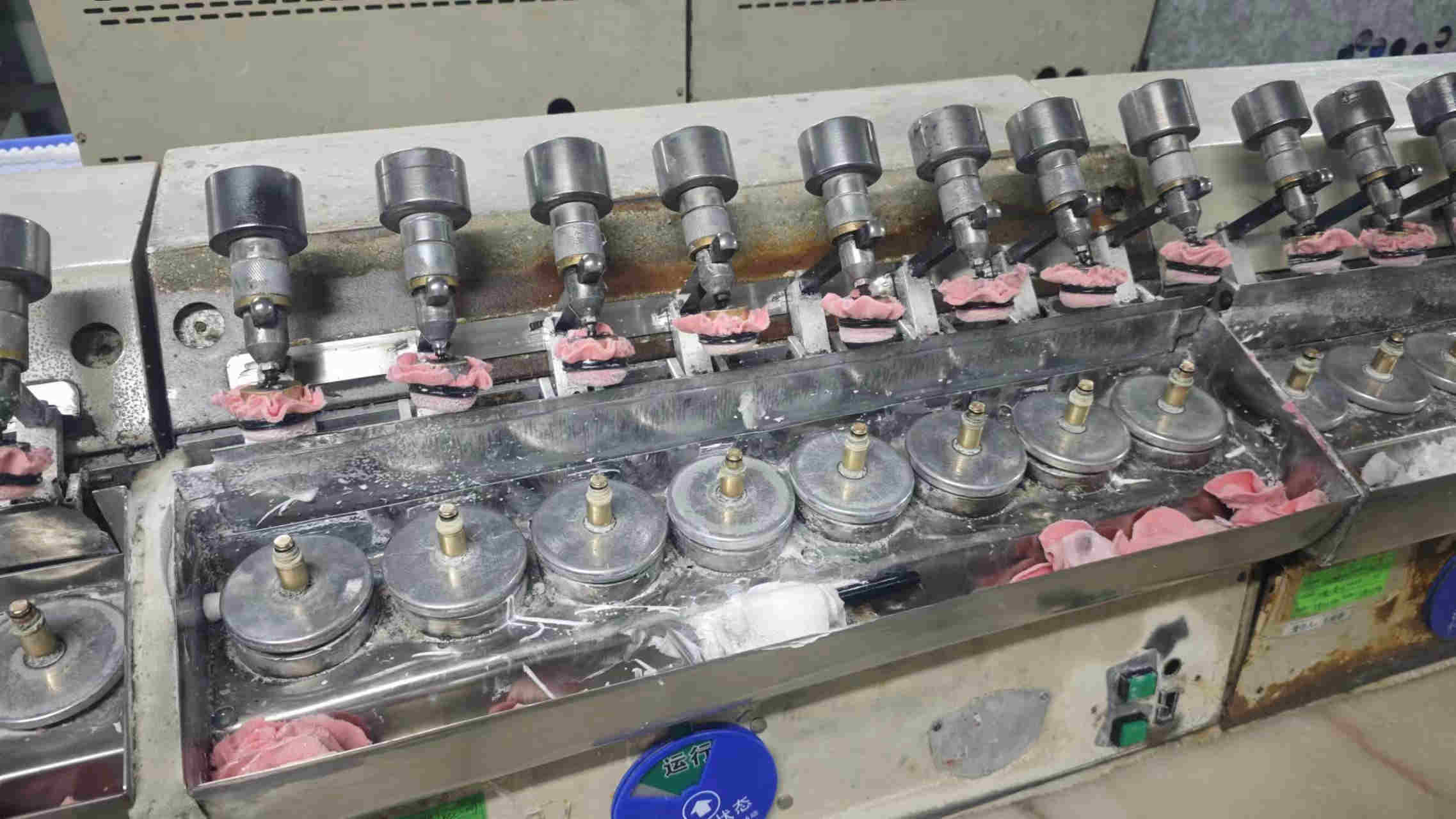
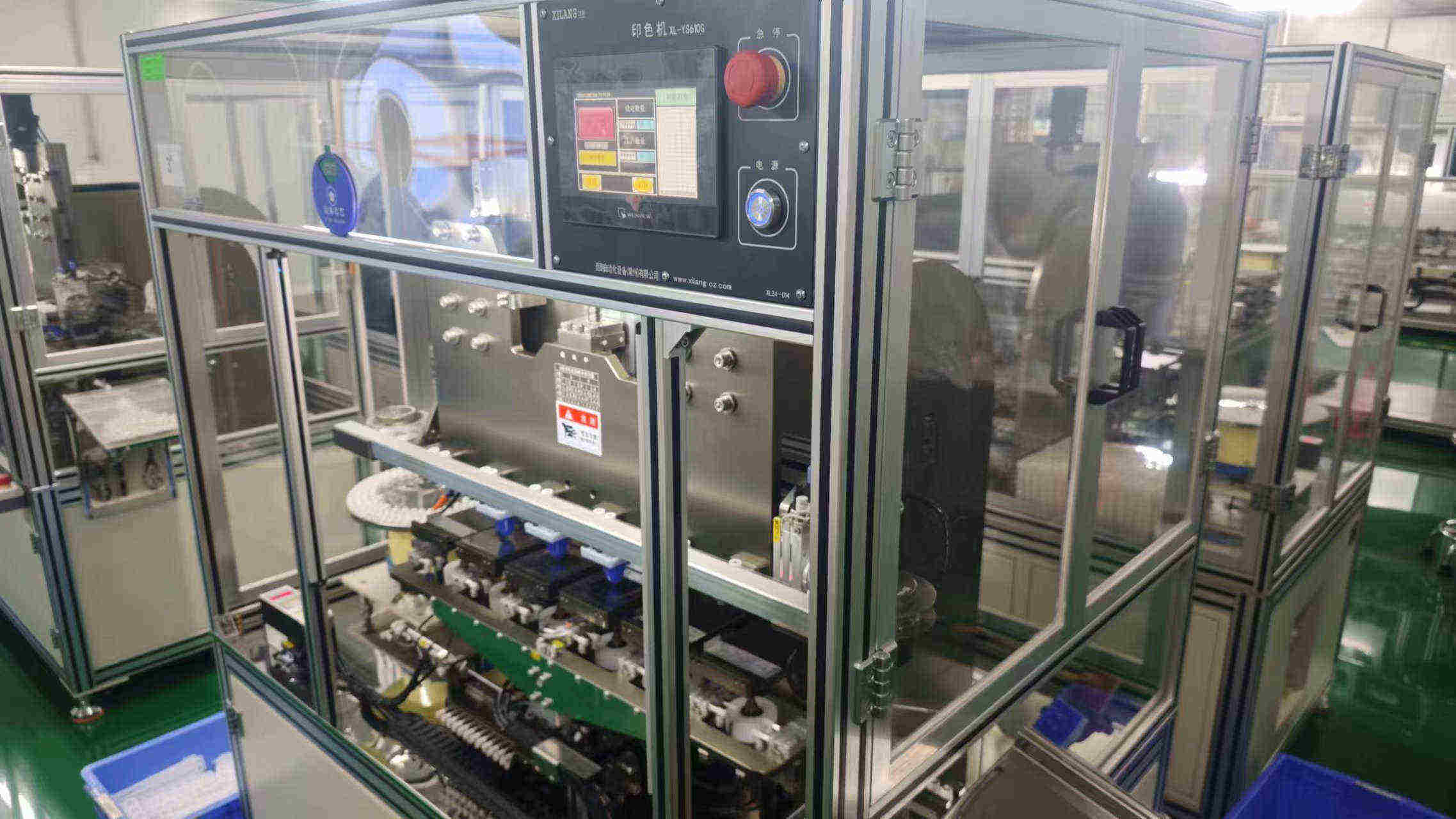
At Dongguan Chic Contacts Co., Ltd., we combine advanced automated machinery with strict manufacturing protocols. Below is a detailed view of our production and quality control workflow, demonstrating our end-to-end industrial capability:
Dongguan Chic Contacts Co., Ltd. serves as an end-to-end partner for optical brands, distributors, and global importers. We offer comprehensive solutions designed to streamline market entry and scaling:
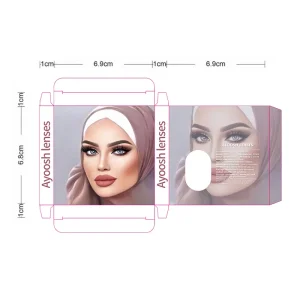
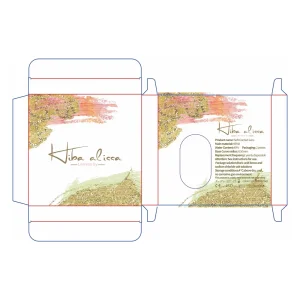
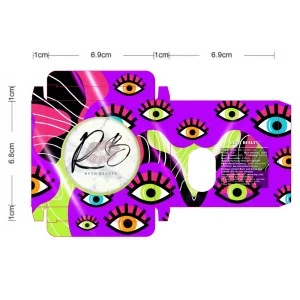
We provide custom packaging design, graphic carton manufacturing, and customizable blister options. Our designers collaborate with your team to produce packaging that aligns with localized market regulations and aesthetics.
With complete ISO 13485 and CE certifications, we supply comprehensive regulatory documentation, including Declarations of Conformity, technical files, and biocompatibility study reports.
Leveraging state-of-the-art automated lines, we manage high-volume production requests with rapid turnaround times, helping brands respond effectively to shifting market trends.
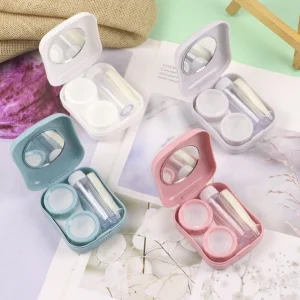
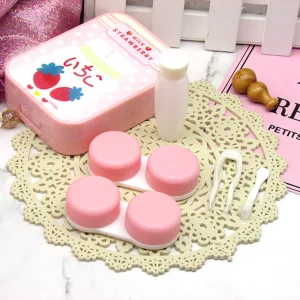
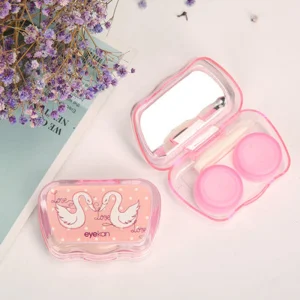
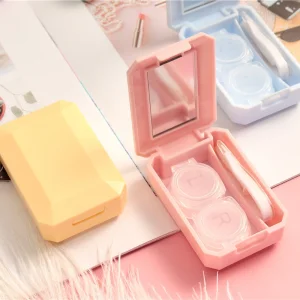
Complete your brand portfolio with our premium prescription packaging solutions and precision lens care accessories.
 Chic Contacts