Discover our initial selection of precision-engineered cosmetic and special effects contact lenses, alongside cleanroom-manufactured packaging and storage components.
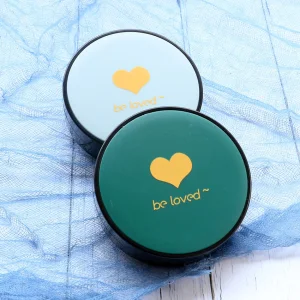
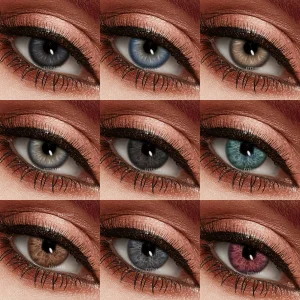
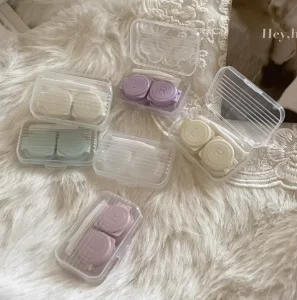
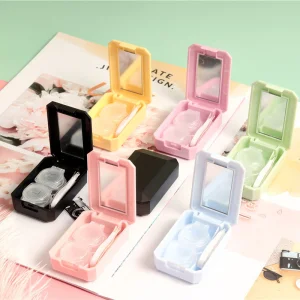
Analyzing consumer behavioral shifts, pigment chemistry improvements, and optical regulatory paradigms in the global B2B landscape.
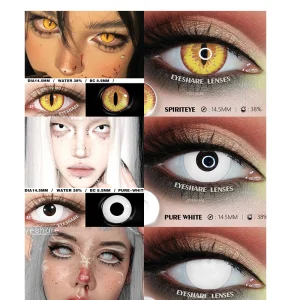
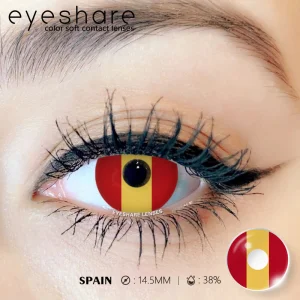
In the global cosmetic contact lens sector, yellow contact lenses have transitioned from niche theatrical requisites into mainstream high-volume consumer goods. Driven by the expansion of the entertainment industry, gaming conventions, and the globalization of cosmetic subcultures, the demand for high-opacity yellow pigments has spiked exponentially. This shift has challenged conventional manufacturing pathways to evolve, pushing colorant and hydrogel compounding technology to historical heights.
Historically, designing high-density yellow colored contact lenses presented a technical bottleneck: ensuring high opacity to mask dark natural eye colors while maintaining adequate oxygen transmissibility (Dk value). In modern manufacturing, we utilize advanced HEMA (Hydroxyethylmethacrylate) and Hydrogel copolymers formulated with optimized water binding capacities. The integration of sandwich printing technology protects the ocular tissues from directly touching the encapsulated, non-toxic pigment layers, thus prioritizing physiological health while delivering striking color performance.
For medical device importers, retail chains, and e-commerce enterprises across North America, the EU, and Latin America, the regulatory credentials of a manufacturer are non-negotiable. Importers require clear compliance trails, including ISO 13485:2016 Quality Management Systems certificates, CE Marks under the Medical Device Regulation (MDR 2017/745), and certified toxicological verification of pigments. Uncertified products face heavy customs enforcement, risking brand reputation and legal liability.
How Dongguan Chic Contacts Co., Ltd. integrates automation and digitalized quality control loops to secure global supply resilience.
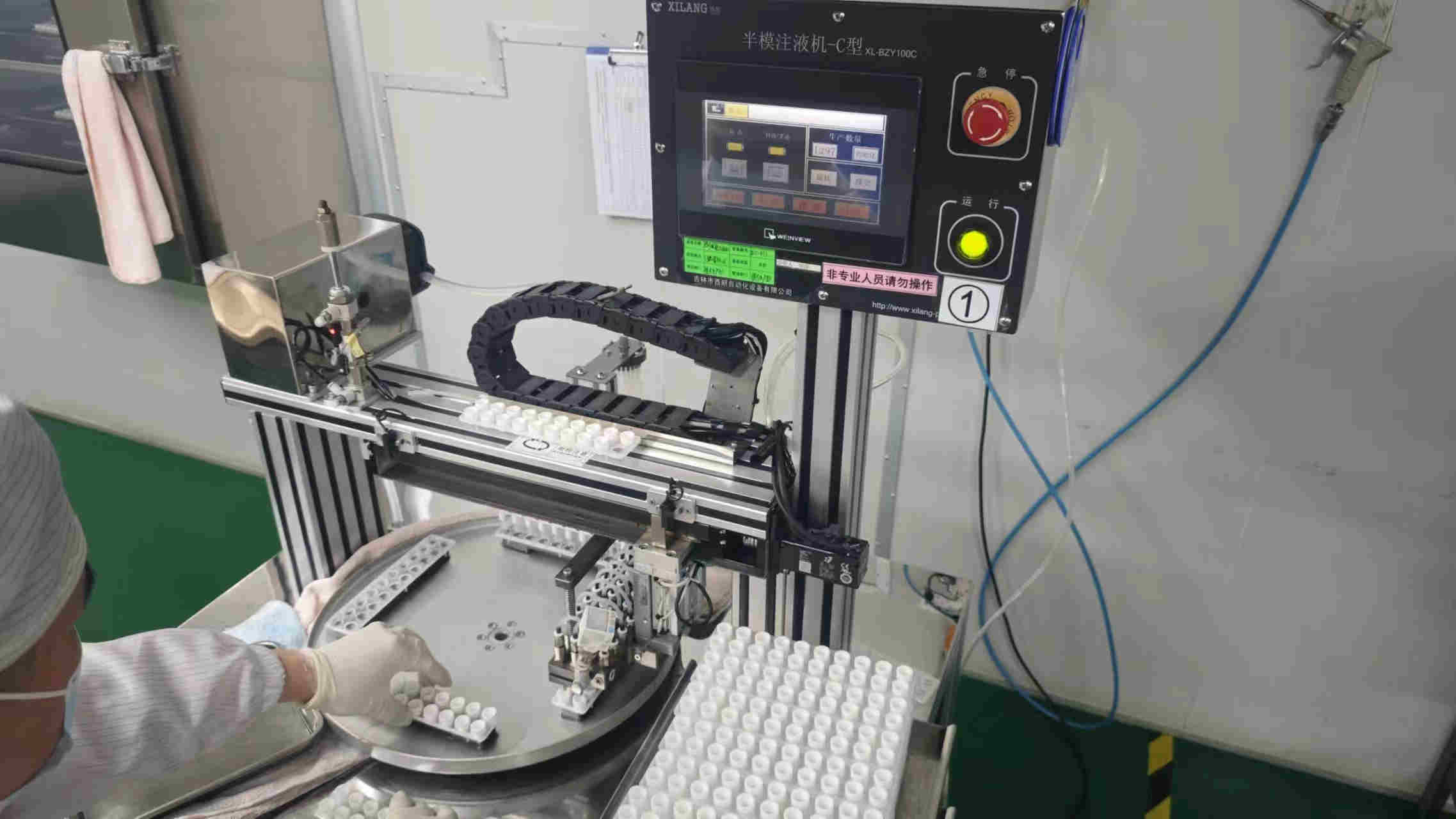
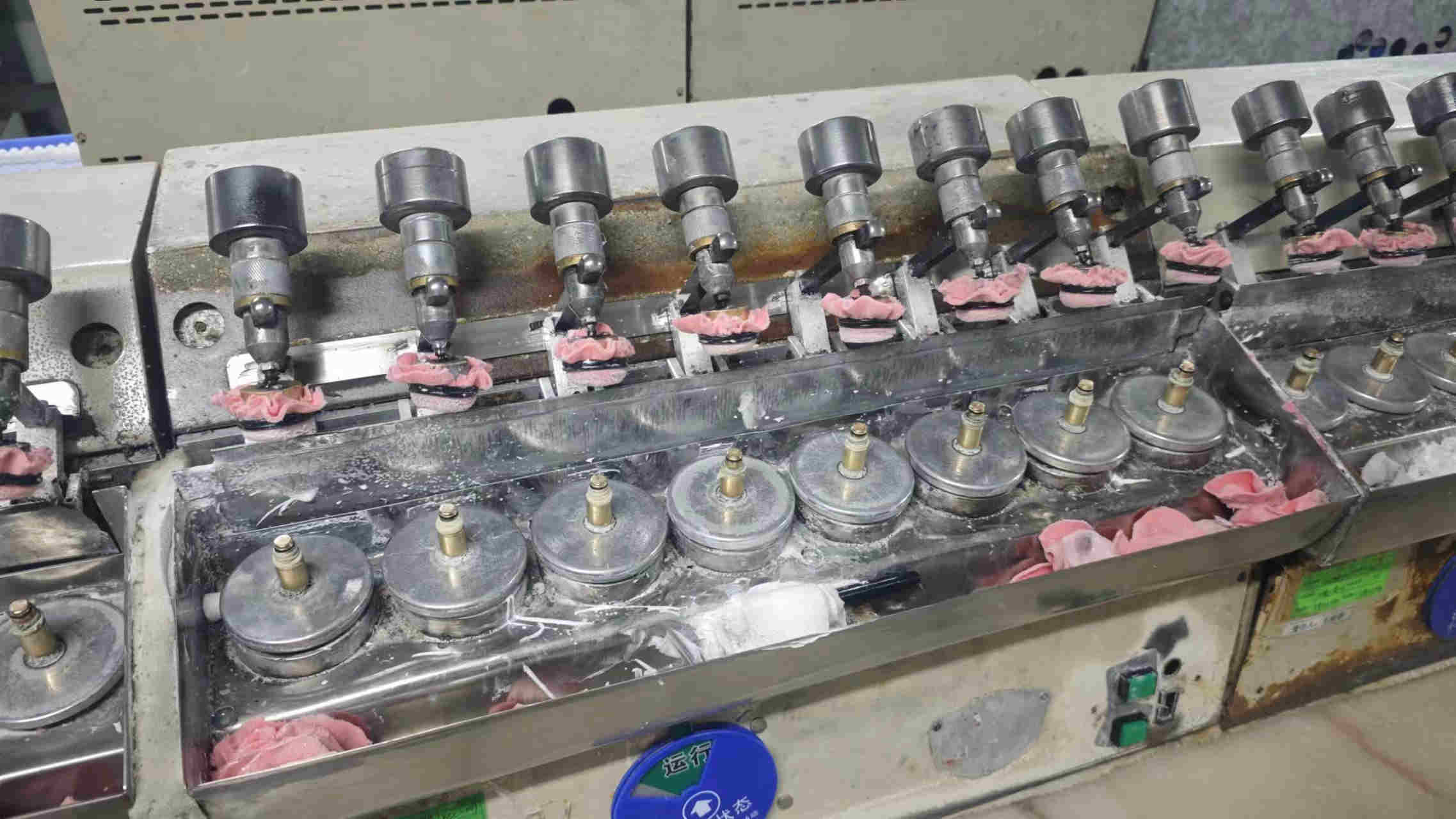
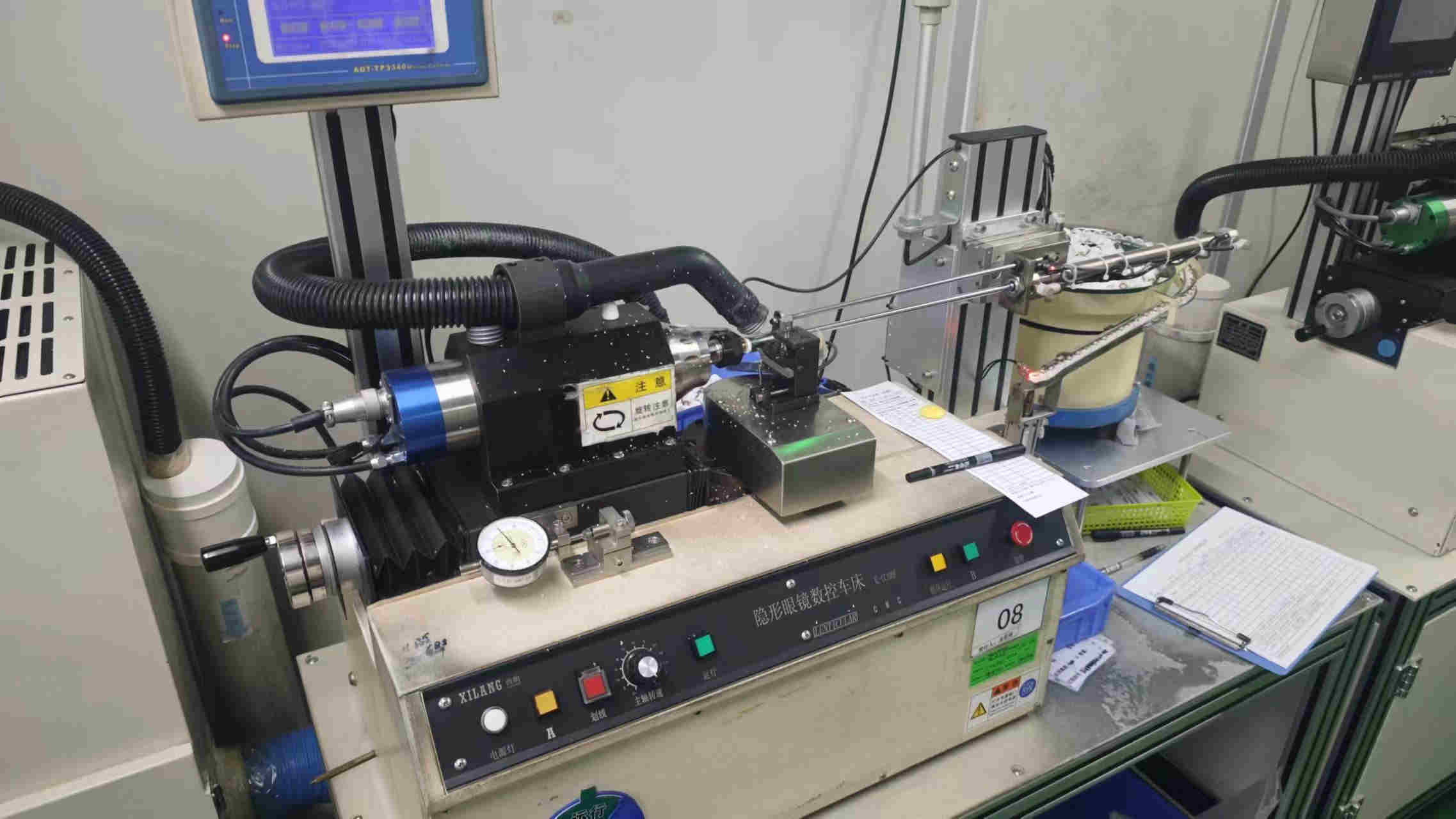
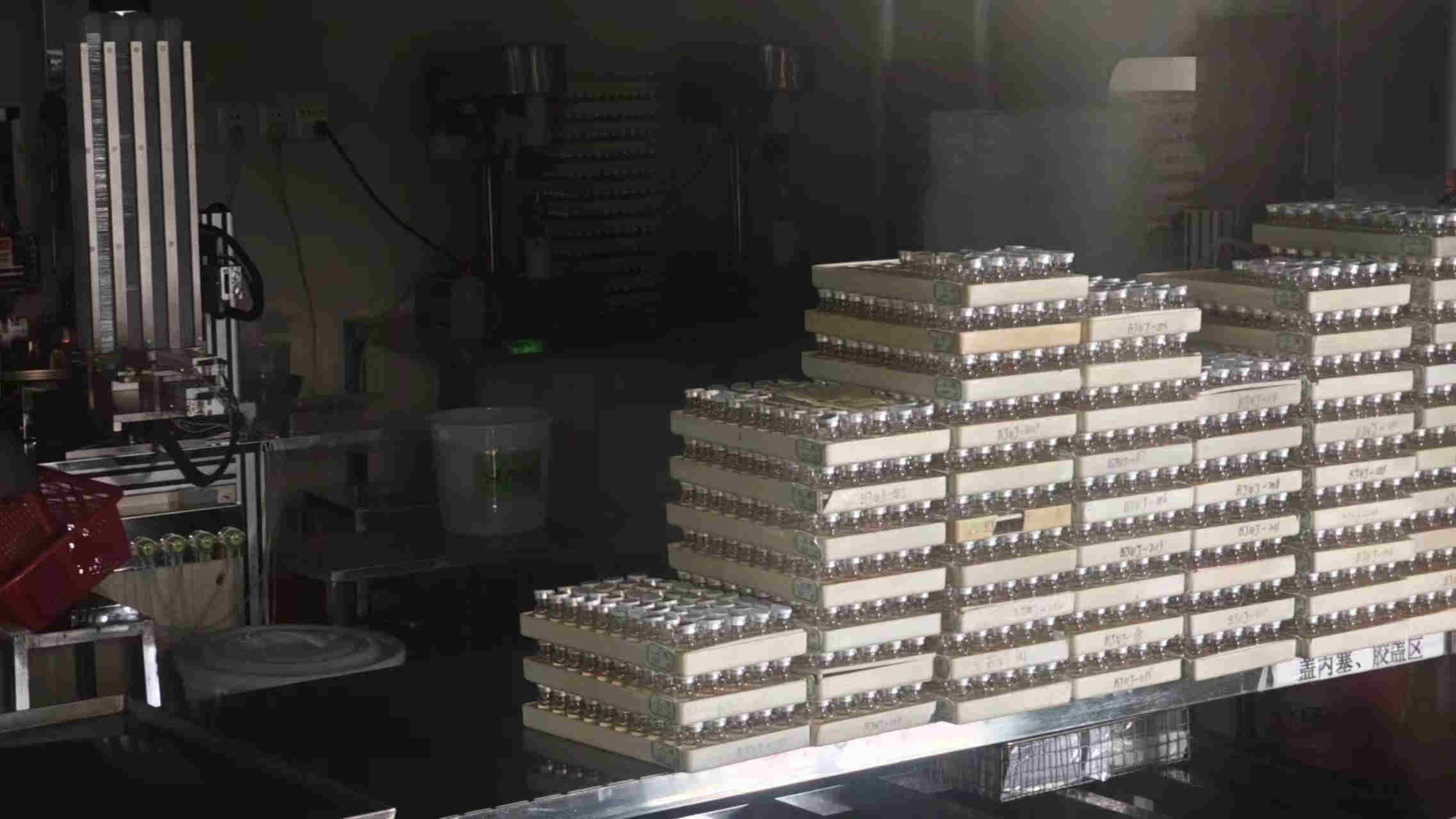
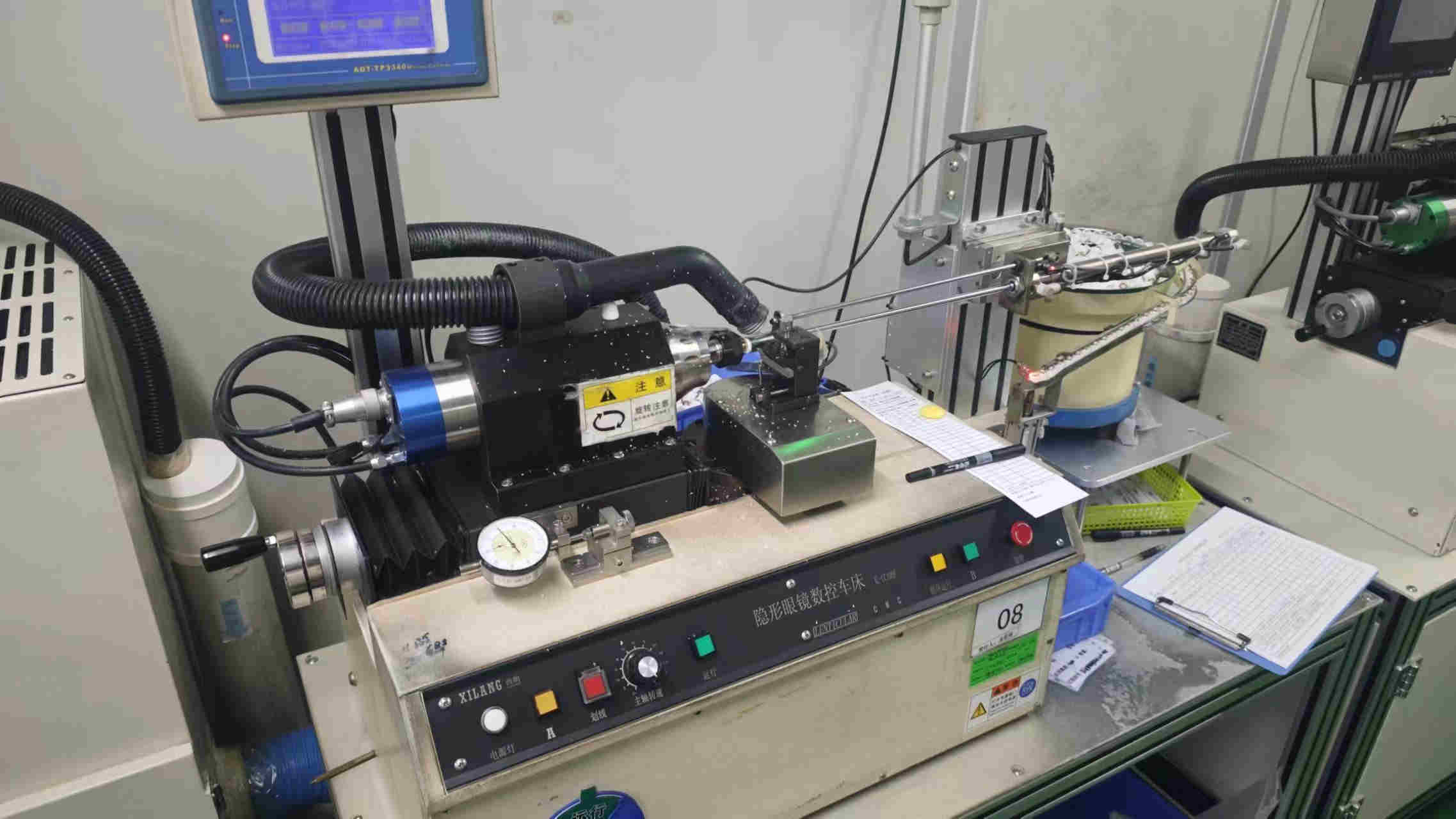
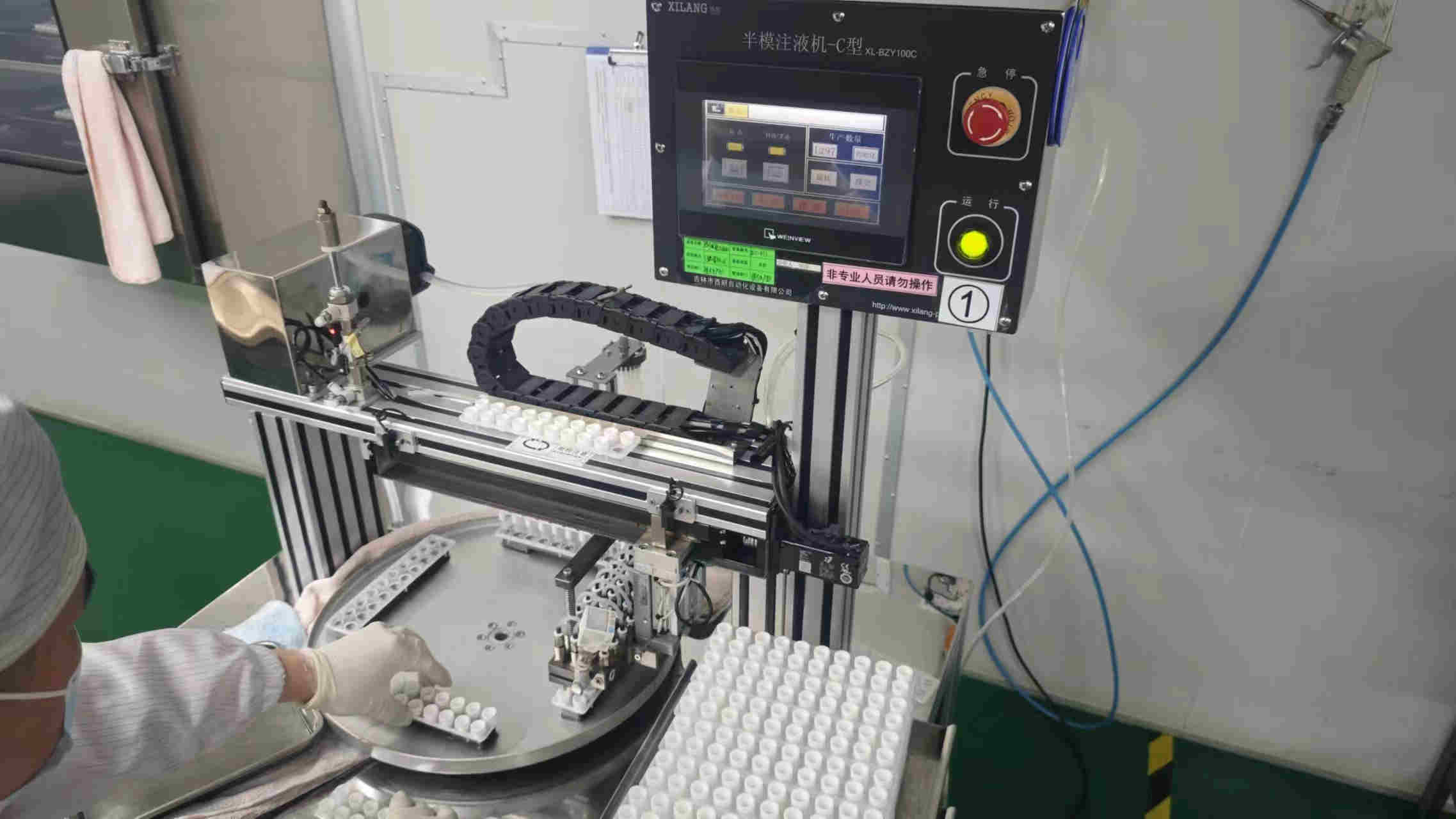
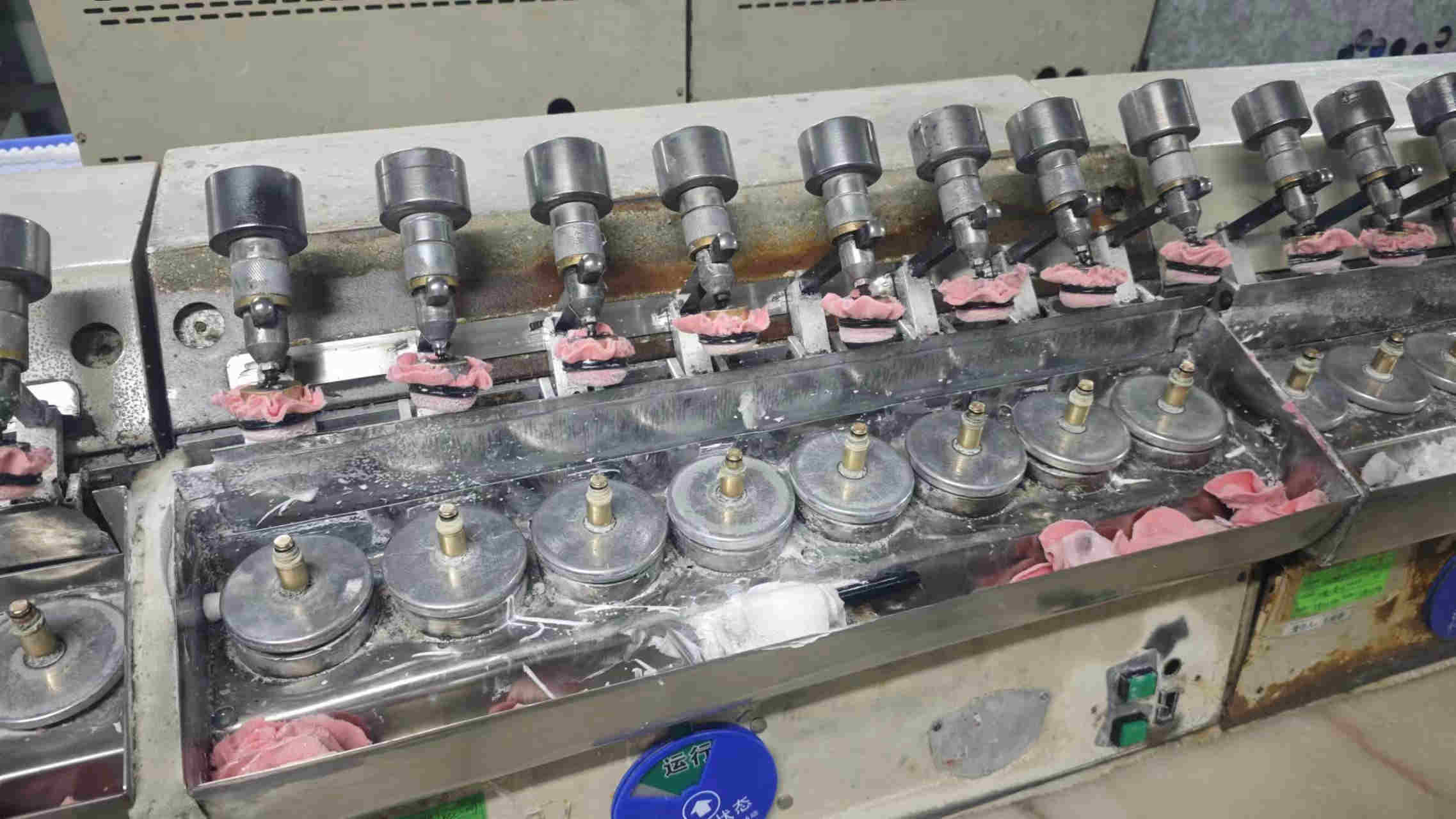
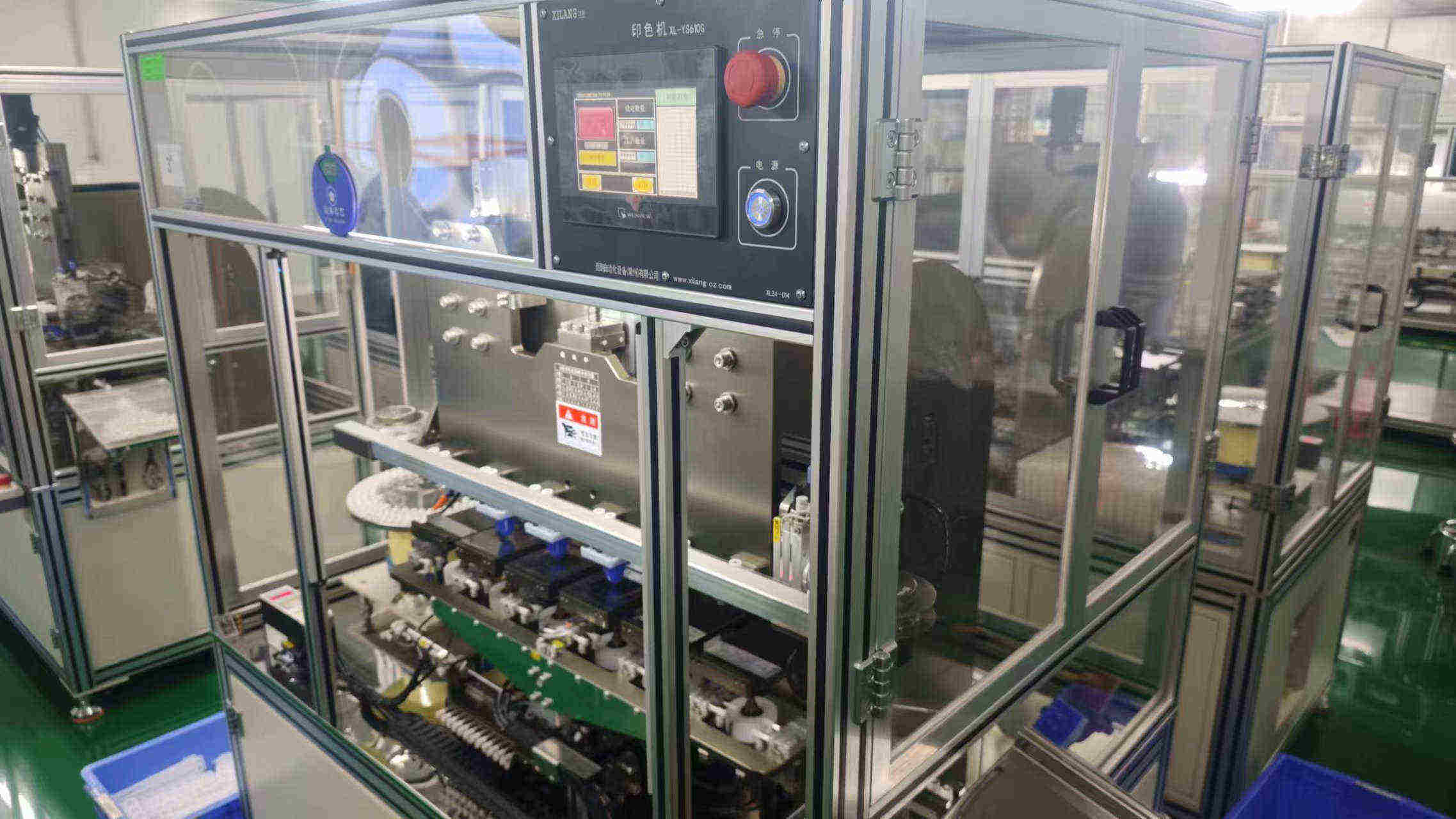
Located in the heart of China’s high-tech manufacturing hub, Dongguan Chic Contacts Co., Ltd. has established a factory paradigm that leverages Automation 4.0. Our facility utilizes automated cast-molding machinery alongside high-speed print lines to maintain cost efficiencies while ensuring precision replication of intricate designs. Our facility operates inside certified Class 100,000 (ISO Class 8 equivalent) cleanrooms to control environmental particulates throughout the production run.
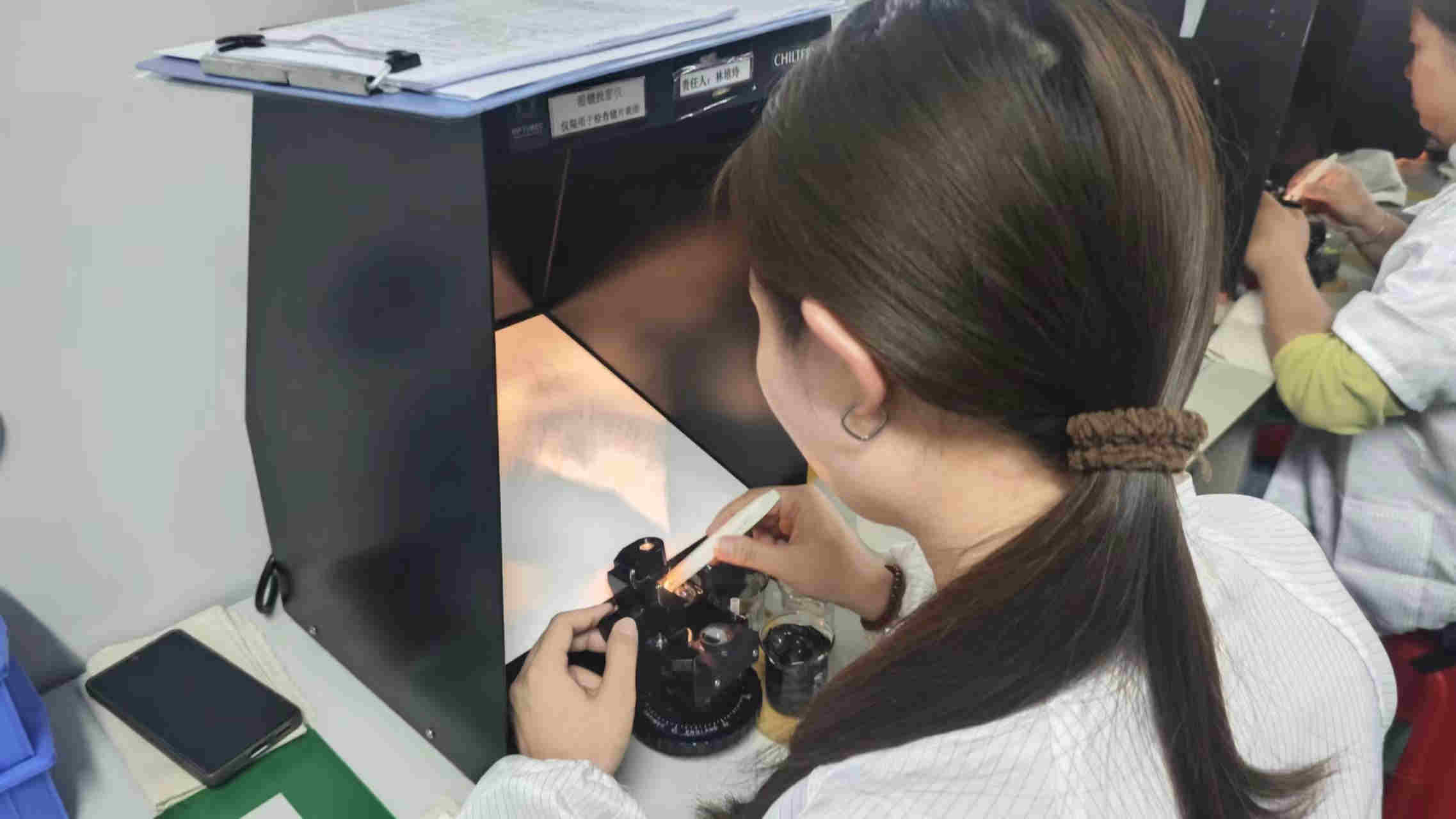
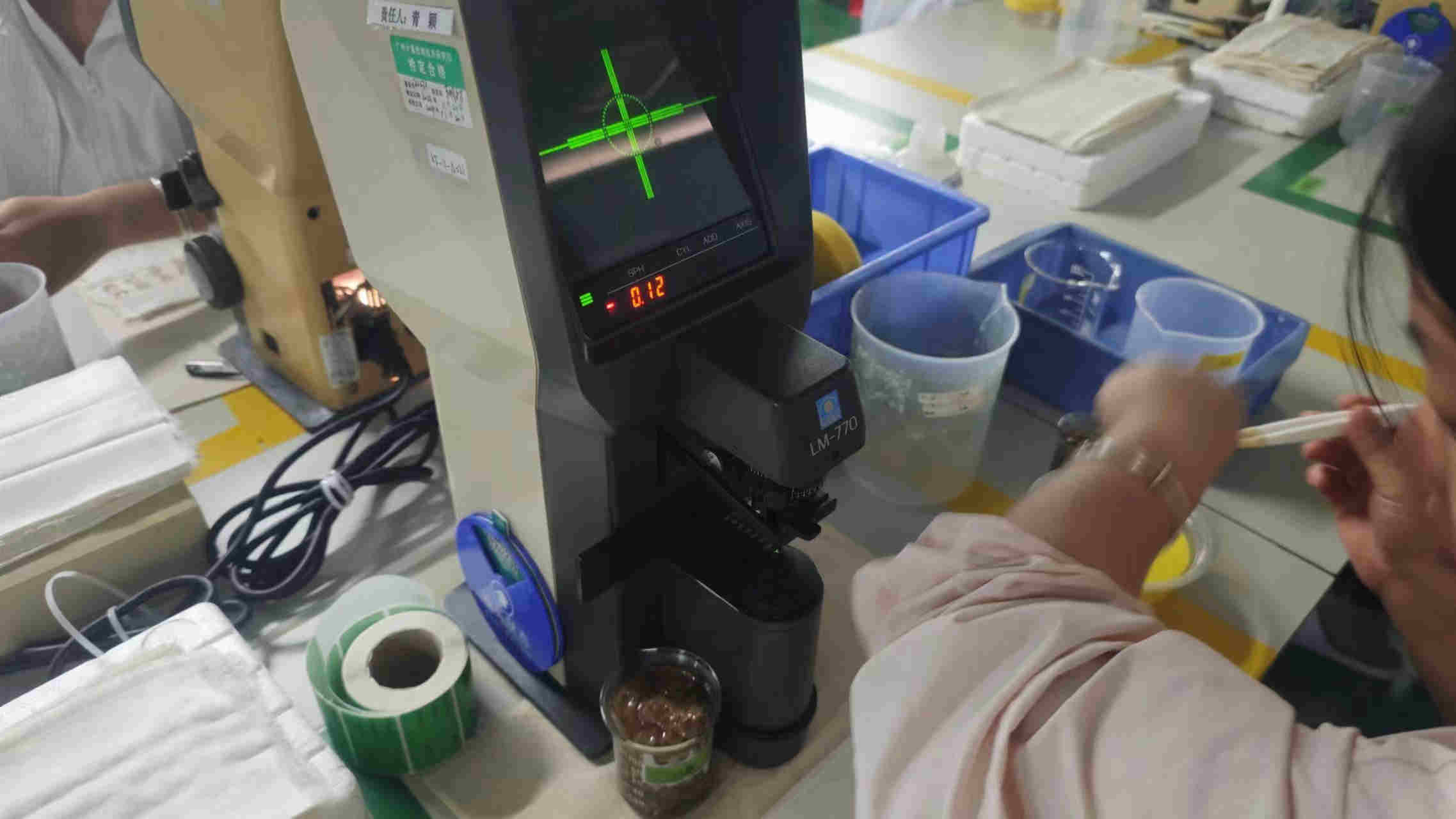
By using direct-injection liquid monomer systems coupled with automated optical inspection (AOI) technology, we minimize human-error variances. This systematic control path produces highly centered, structurally uniform soft contact lenses capable of meeting the strict QA criteria of international buyers.
Explore how every stage of the production cycle is controlled to deliver safe, comfortable, and vibrant contact lenses.
Discover the science behind our non-leaching dye technologies, material hydration curves, and structural longevity parameters.
Developing yellow cosmetic lenses requires resolving a complex optical challenge. The human iris is naturally dark in most consumer markets, necessitating opaque yellow designs. However, typical opaque inorganic metal oxides (such as iron oxide formulations) can impair material elasticity and decrease the lens's water-holding capability when mixed directly into the hydrogel matrix.
To overcome this, Dongguan Chic Contacts Co., Ltd. implements a specialized pigment encapsulation process. Through this method, the color patterns are printed on a base hydrogel layer and sealed with a clear cover layer. This technique creates a secure barrier, preventing direct contact between the active pigments and the corneal surface or the palpebral conjunctiva.
| Parameter | Specification Target | Regulatory Standard / Method |
|---|---|---|
| Base Curve (BC) | 8.50 mm – 8.60 mm | ISO 18369-3 (Optogeometrical parameters) |
| Overall Diameter (DIA) | 14.00 mm – 14.50 mm | ISO 18369-3 |
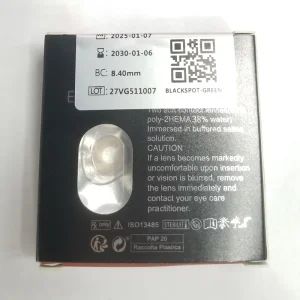
| Water Content | 38% – 42% (Hydrogel-HEMA) | Gravimetric Method (ISO 18369-4) |
| Oxygen Permeability (Dk) | 8.5 – 11.0 Dk units | Polarographic Method (ISO 18369-4) |
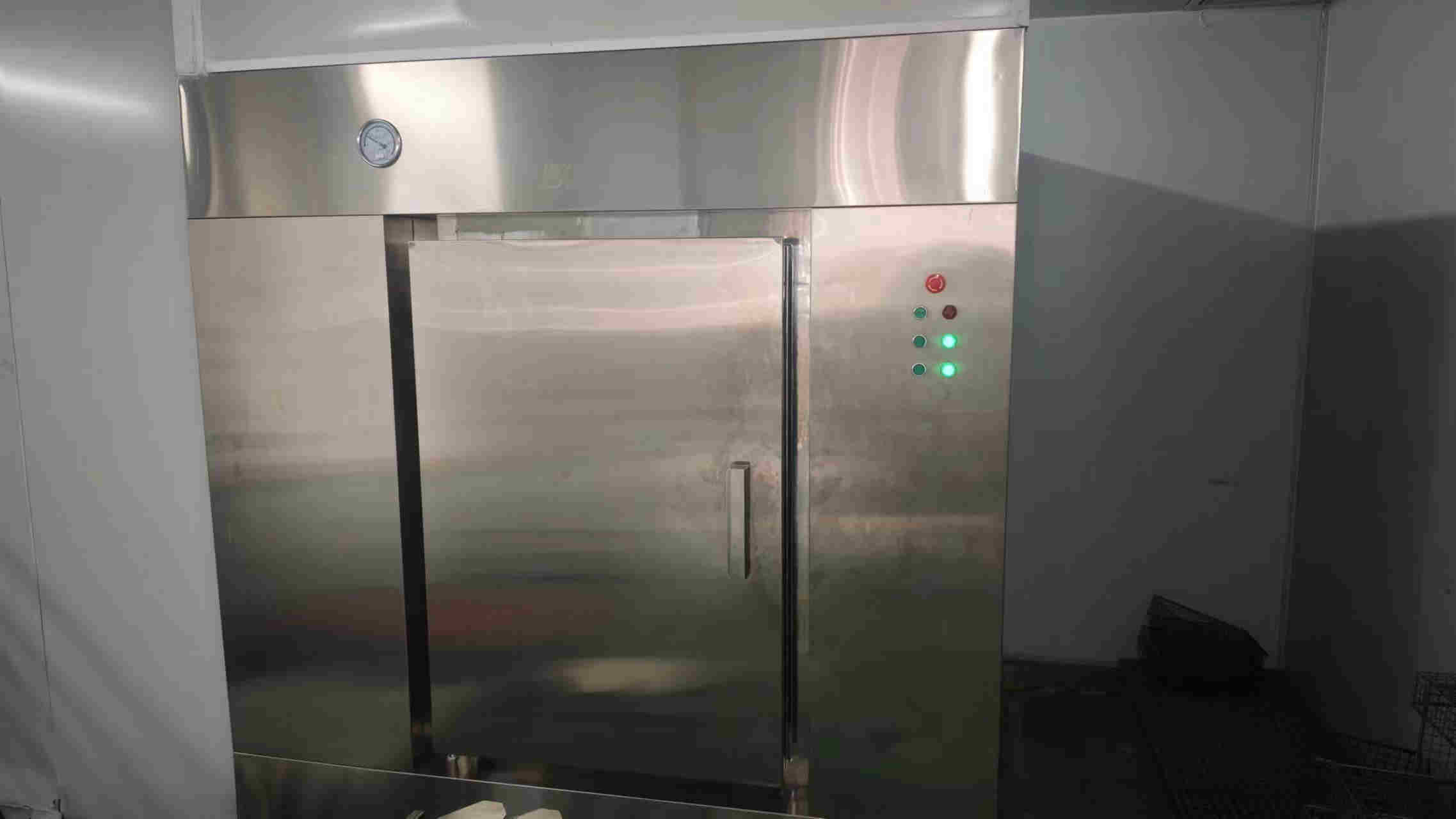
| Sterilization Cycle | Moist Heat Autoclave (121°C, 20-30 min) | EN ISO 17665-1 (Sterilization validation) |
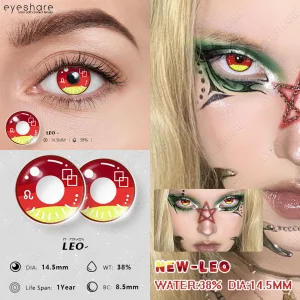
Our yellow and special effects lenses are designed for diverse, high-growth market segments:
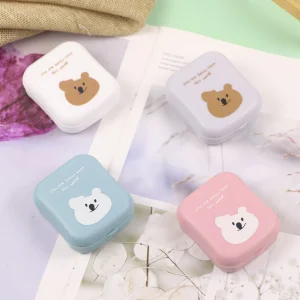
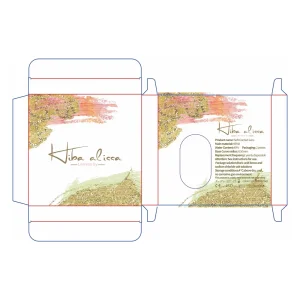
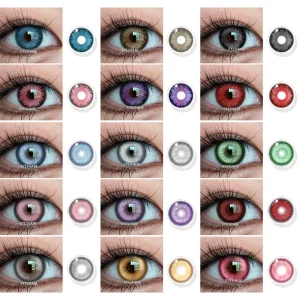
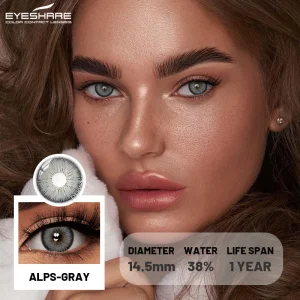
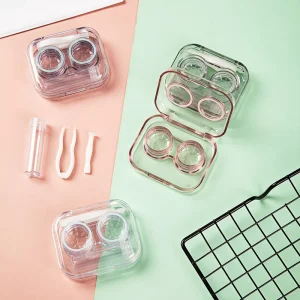
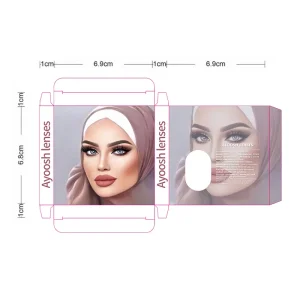
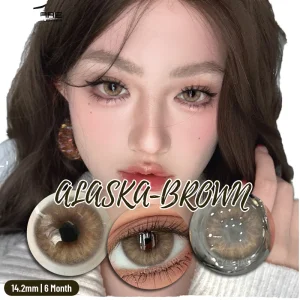
Explore our remaining selection of specialized lens series, protective storage designs, and wholesale-optimized packaging configurations.
Get detailed technical answers on product safety, global compliance frameworks, customization services, and logistics support.
 Chic Contacts