Understanding formulation dynamics, microbiological benchmarks, and industrial scaling for global optical hygiene distribution networks.
The global contact lens cleaning solution market is transitioning from simple saline-based rinse formulations to highly bio-compatible, multi-purpose solutions (MPS) and advanced hydrogen peroxide systems. With the rising global adoption of both cosmetic/colored contact lenses and therapeutic silicone hydrogel lenses, the demand for cleaning liquids that provide simultaneous disinfection, protein removal, and extended corneal hydration has surged.
For B2B buyers—including brand owners, clinical distributors, and optical retail chains—sourcing from a technologically mature manufacturing hub in China offers a competitive edge. The best-in-class manufacturers integrate advanced macromolecular surfactants (such as Poloxamers) and biocides (like PHMB and Polyquaternium-1) to ensure excellent antimicrobial efficacy without triggering corneal cytotoxicity or eye redness.
Sourcing contact lens solutions involves navigating complex regulatory spaces and strict formulation standards. Major markets demand compliance with microbiological standards like ISO 14729 (stand-alone antimicrobial testing), which mandates a specific log-reduction rate for pathogens like Pseudomonas aeruginosa, Staphylococcus aureus, and Fusarium solani.
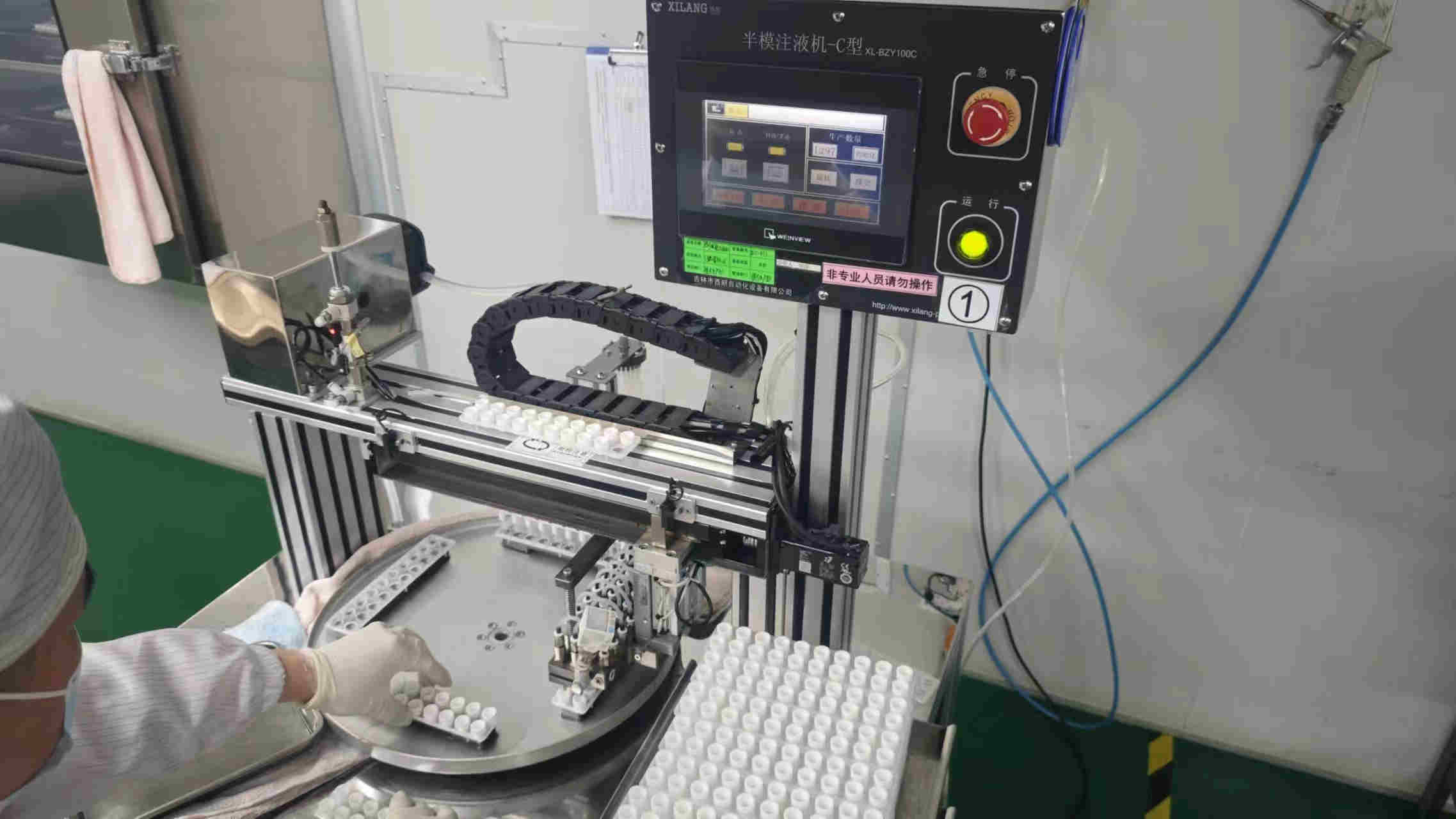
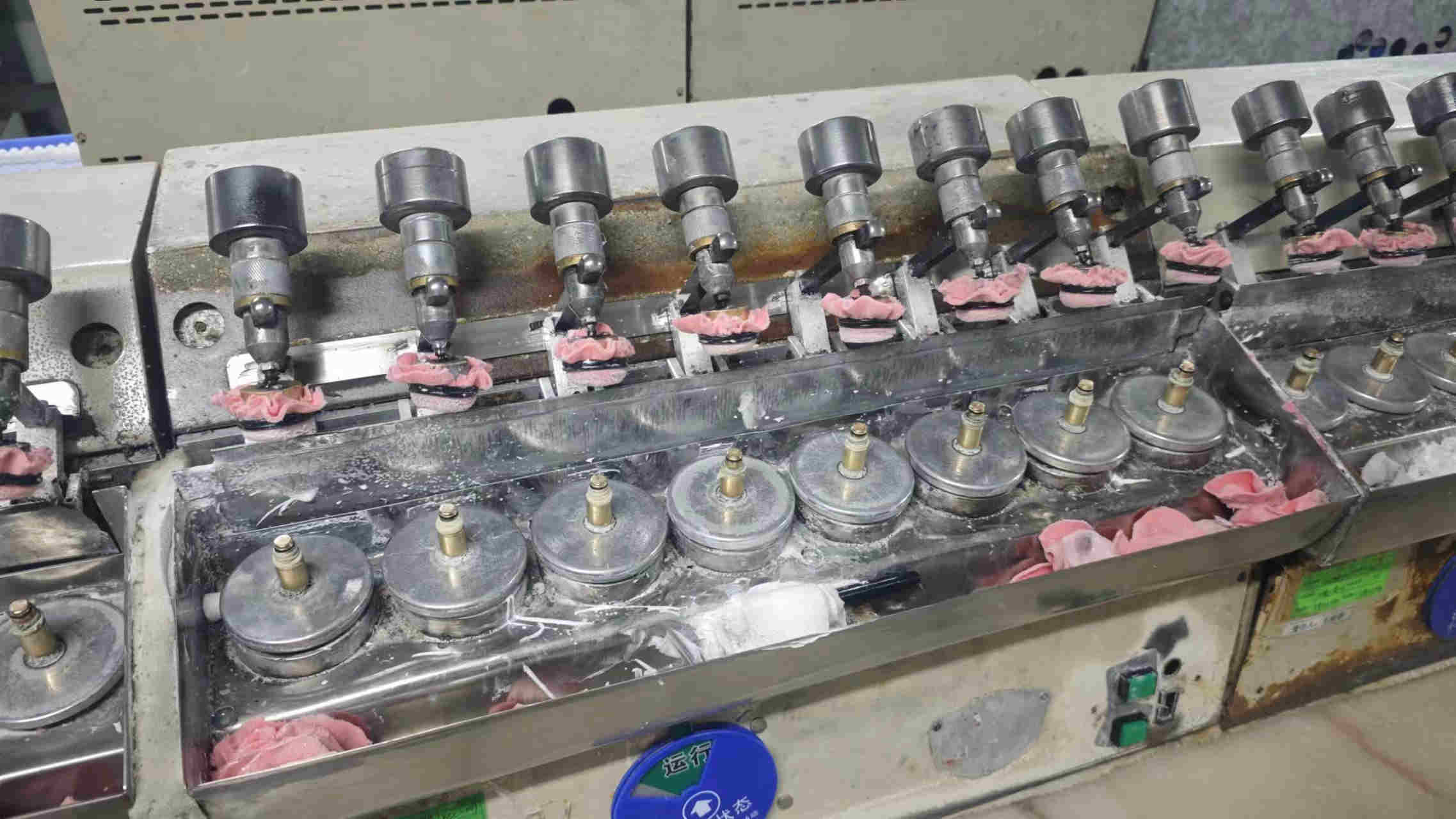
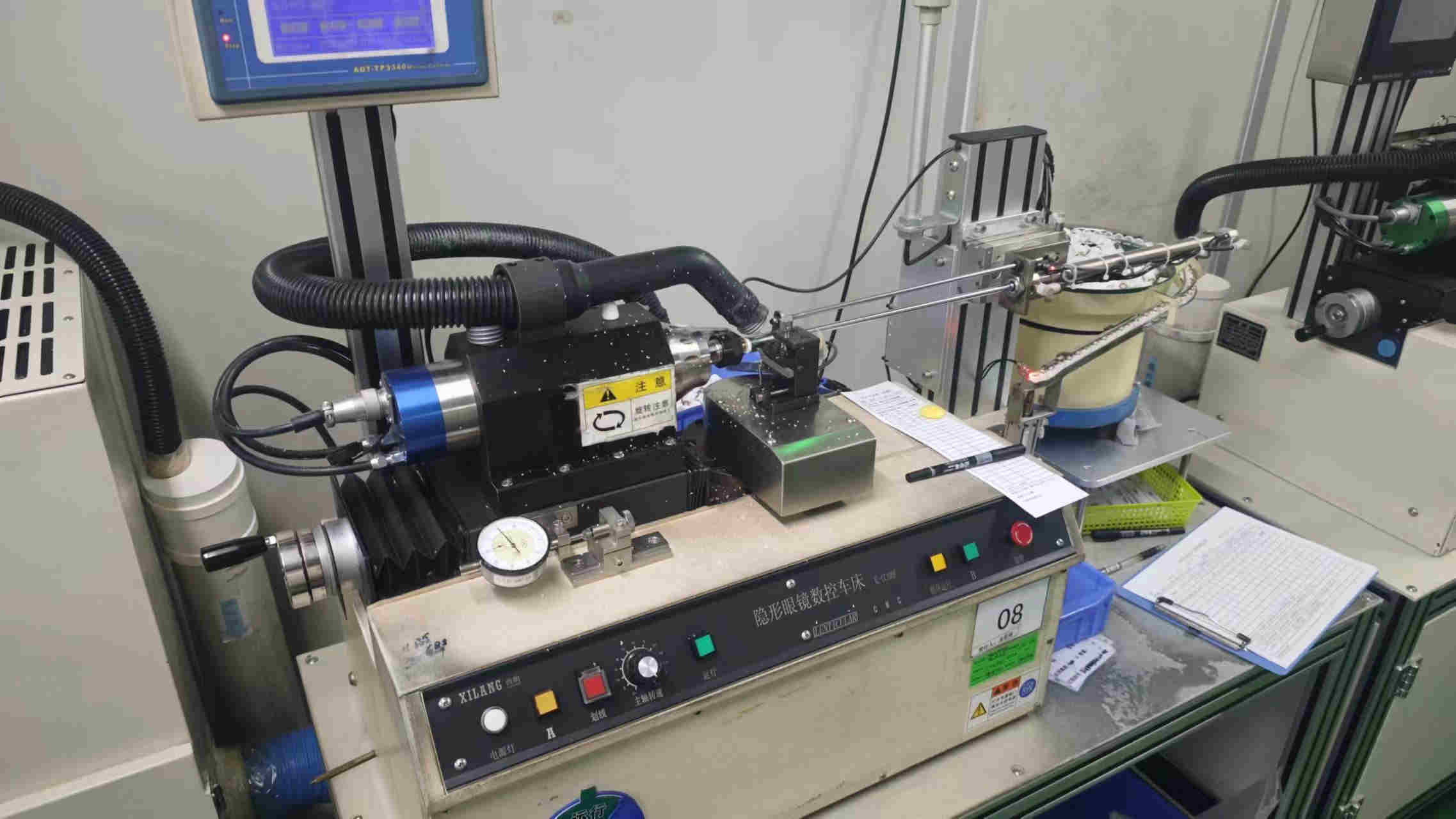
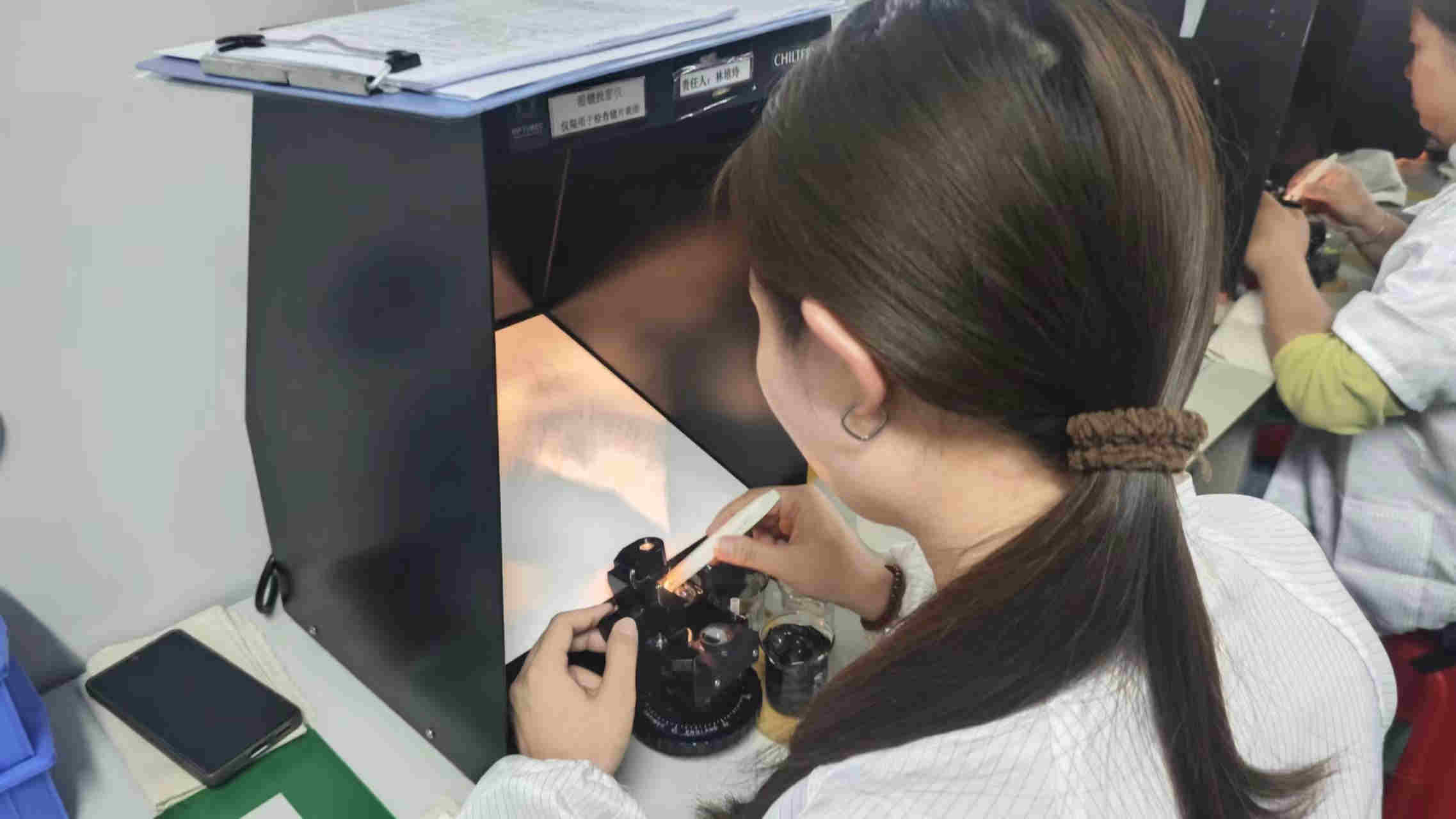
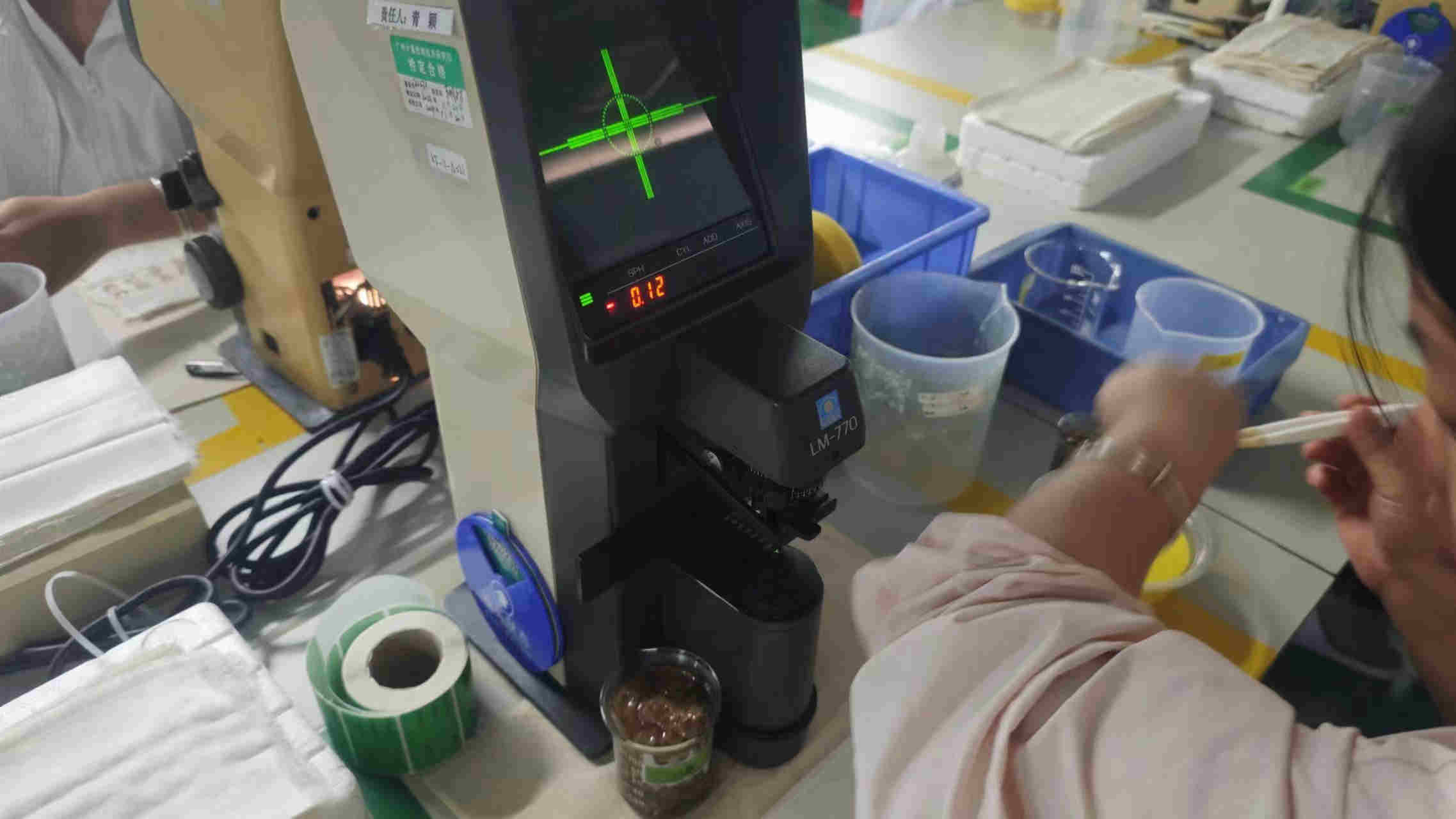
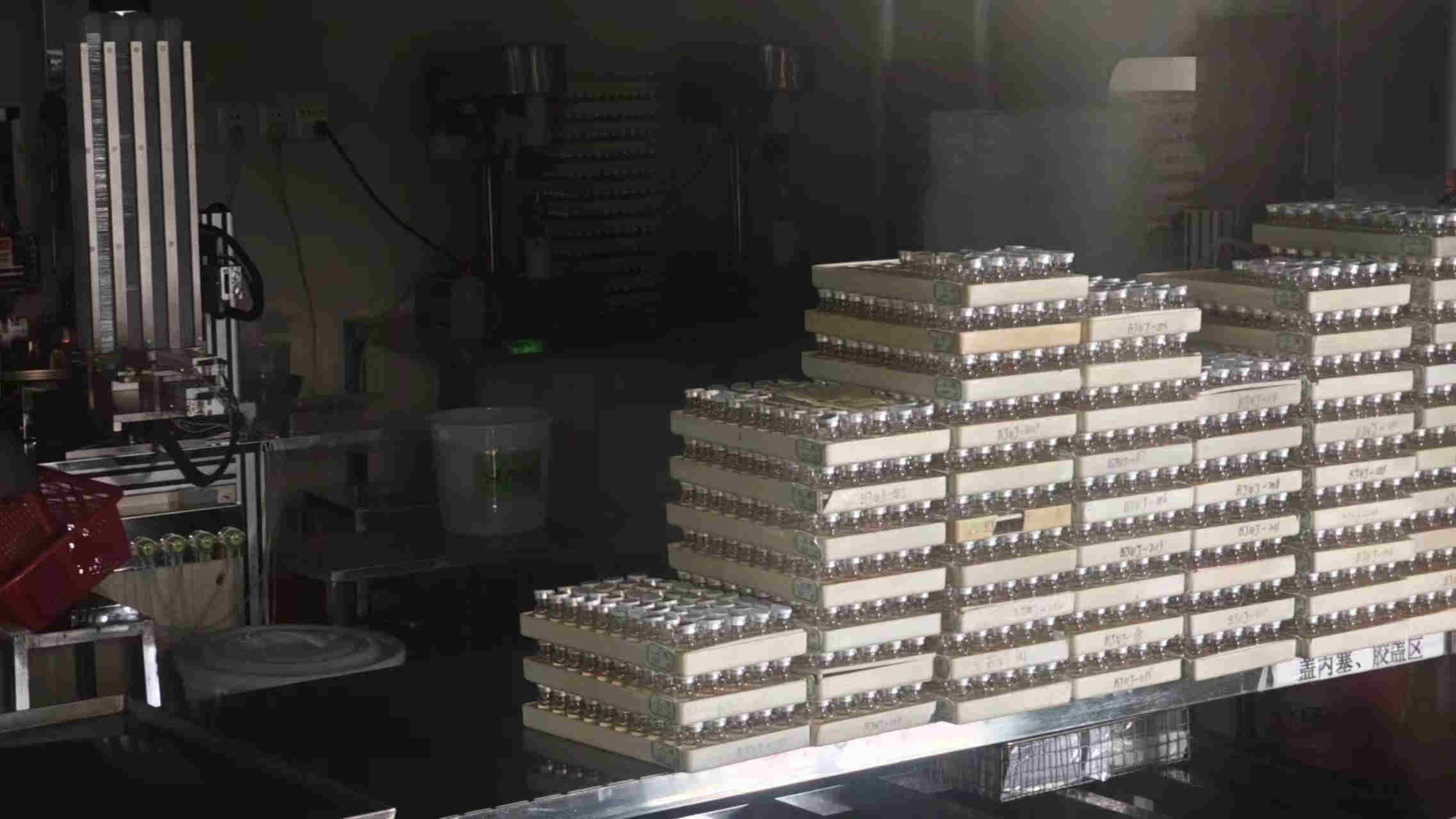
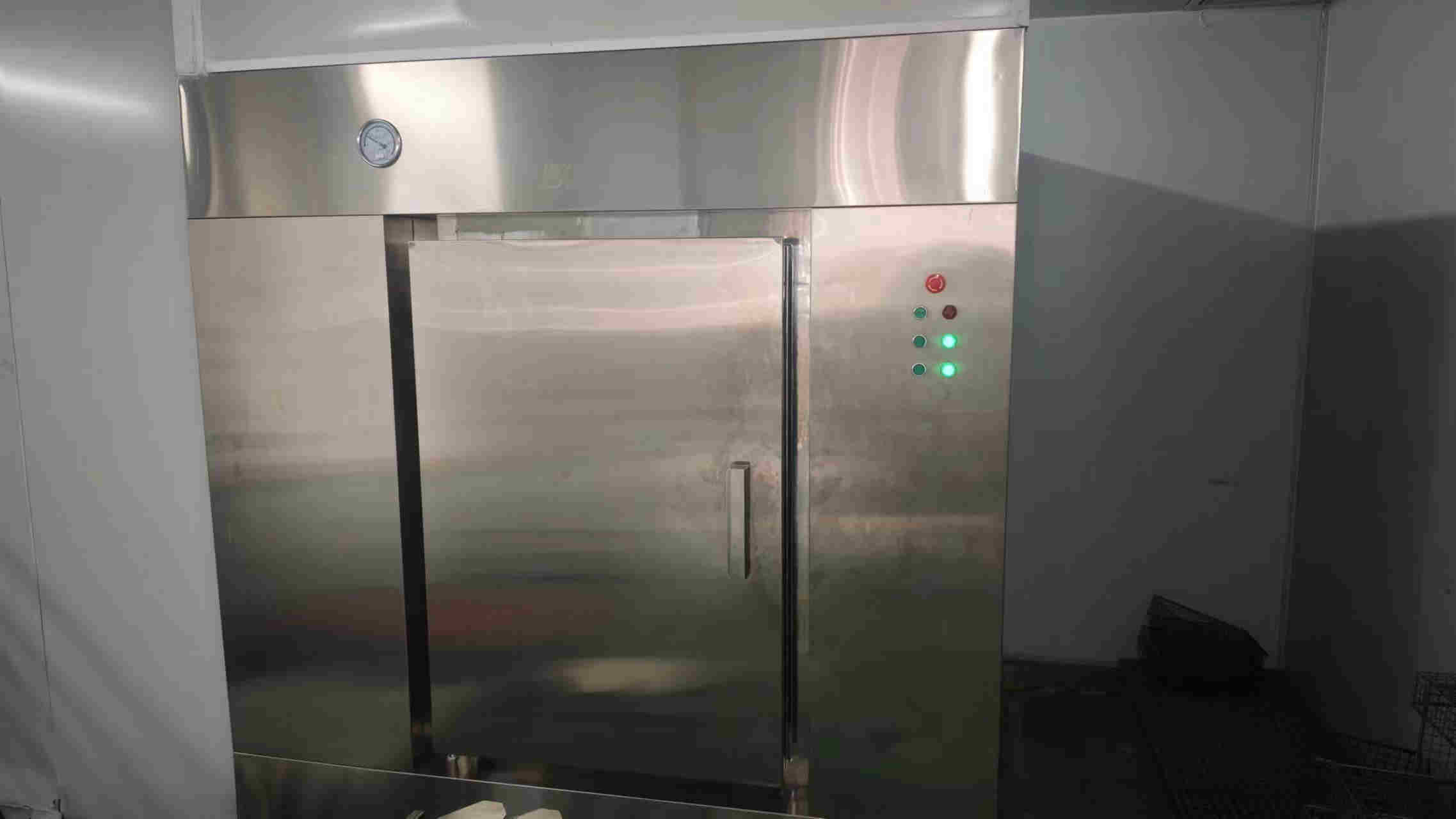
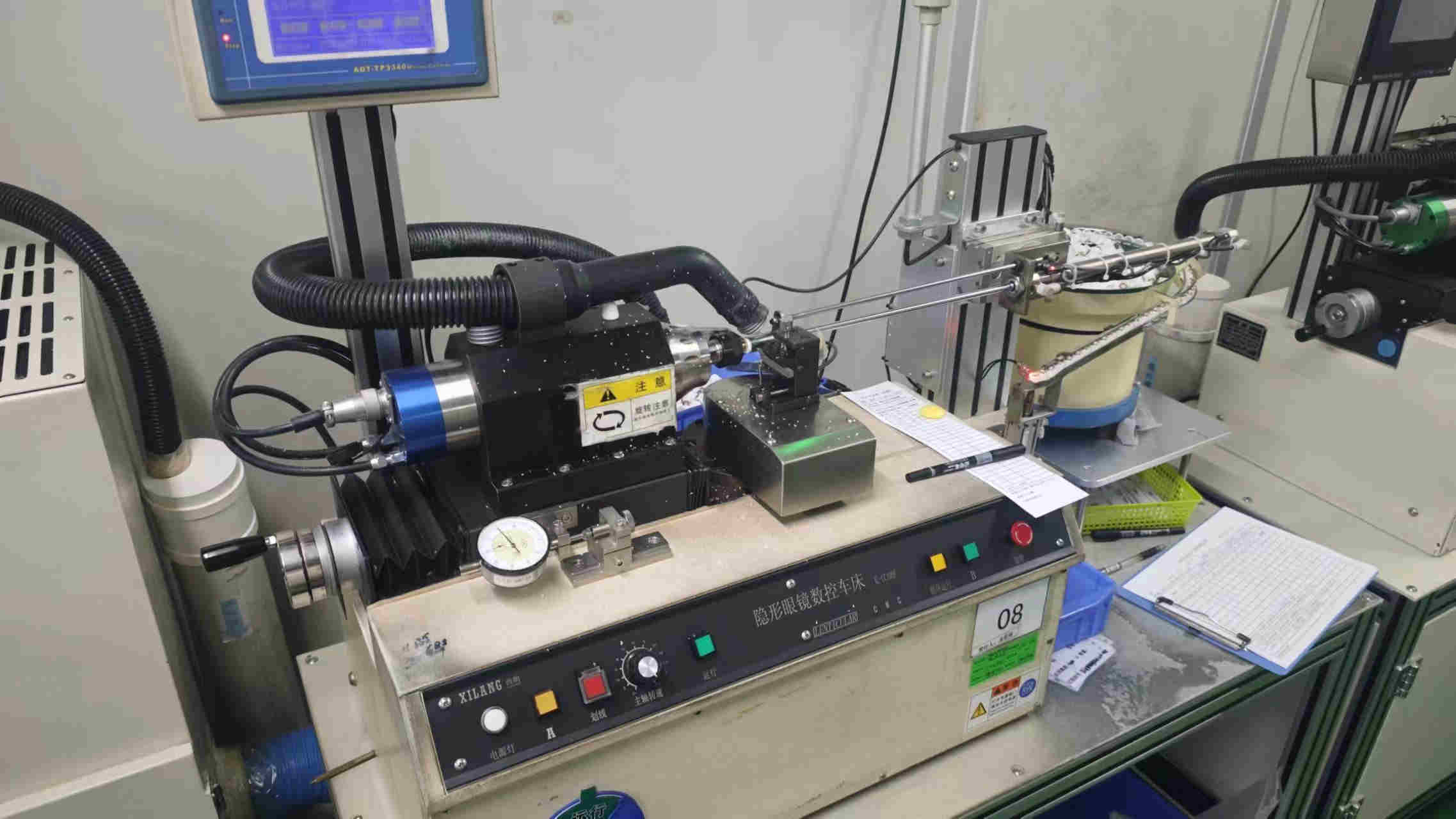
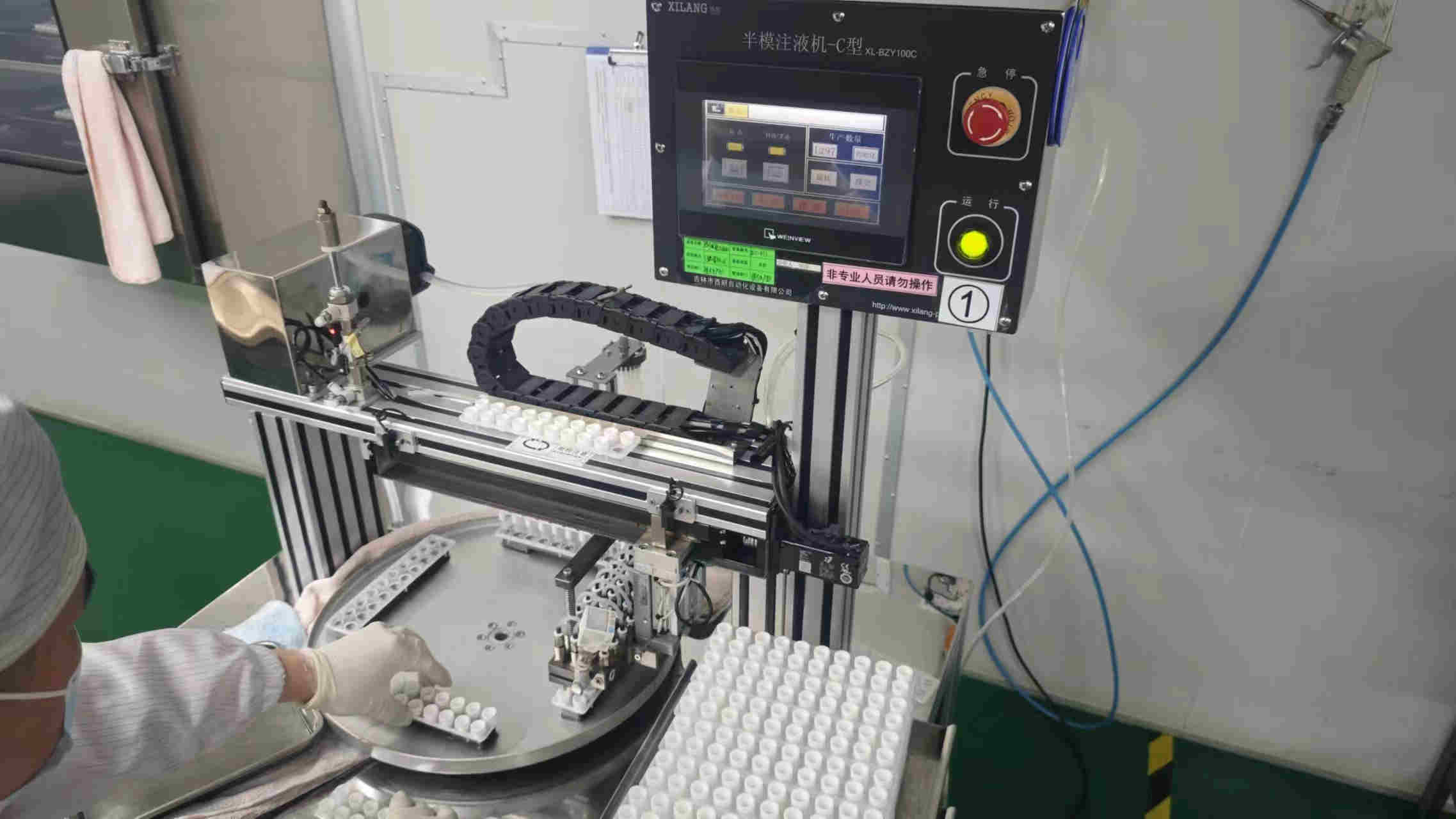
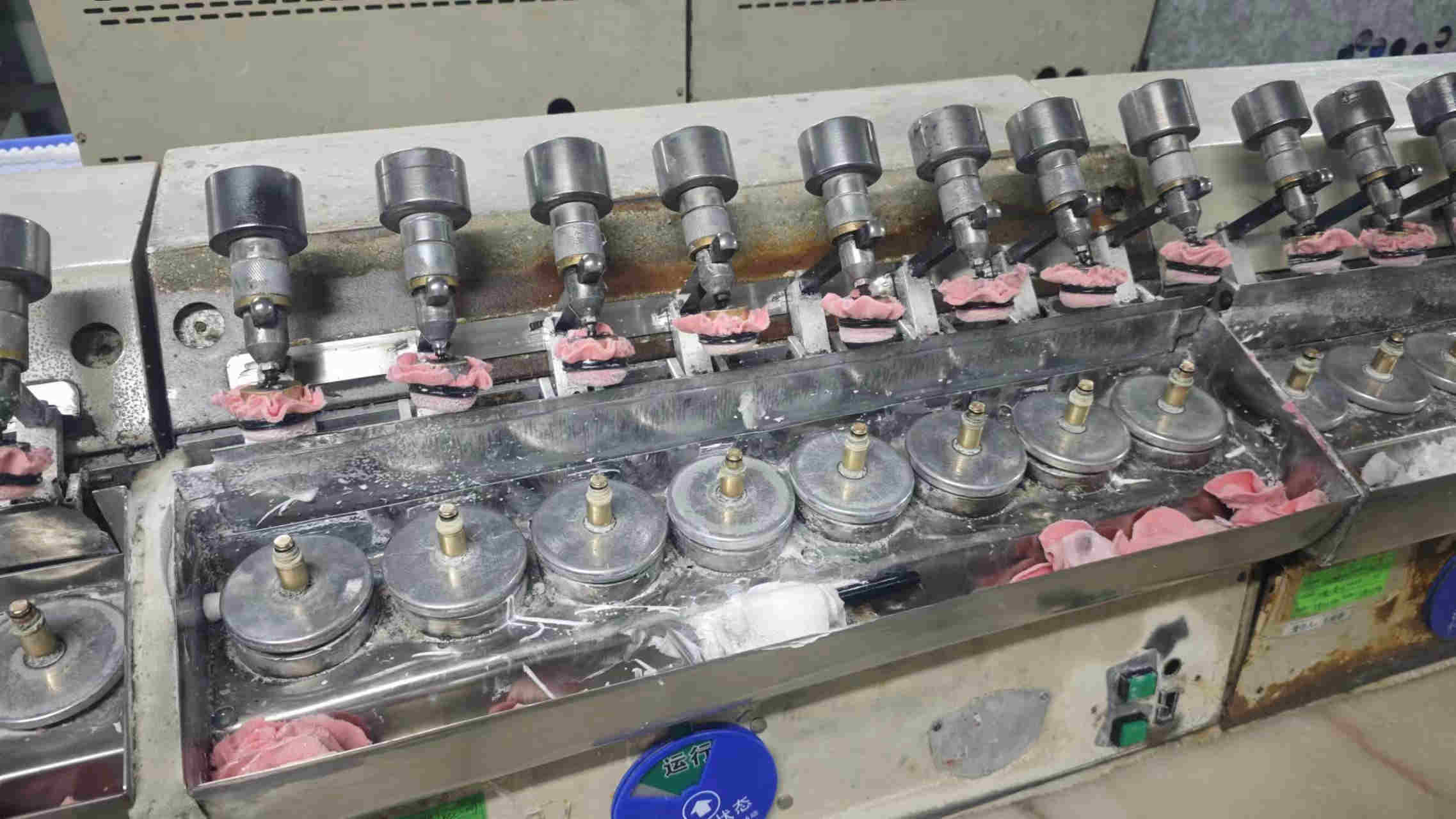
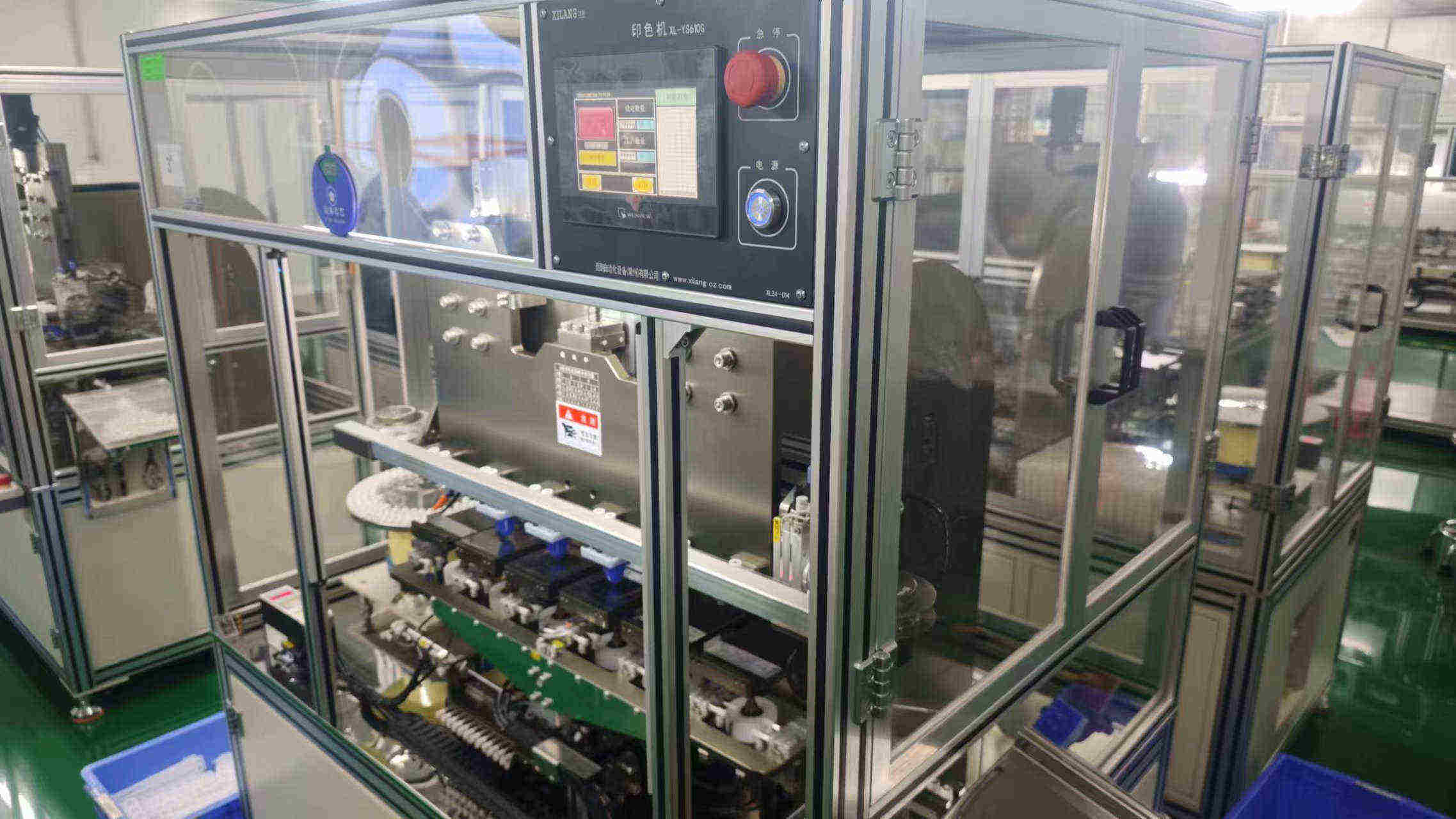
Founded in Dongguan, China, Dongguan Chic Contacts Co., Ltd. is a leading, specialized manufacturer dedicated to the research, development, and high-volume production of premium contact lenses, colored cosmetic lenses, and associated lens care formulations. Operating from a state-of-the-art, GMP-standard cleanroom facility, we combine advanced cast-molding technologies with automated production lines to deliver optical products with exceptional oxygen permeability, moisture retention, and centration.
Our robust supply chain allows us to support an extensive portfolio, ranging from daily disposables to yearly replacement lenses, utilizing market-proven materials like Hydrogel and Hema. As a trusted global OEM/ODM and private-label partner, Chic Contacts strictly adheres to international quality management systems, ensuring our products meet stringent global regulatory standards (CE/ISO). From custom formulation design and packaging prototyping to mass aseptic filling and compliant packaging, we provide end-to-end manufacturing solutions that empower global eyewear brands, distributors, and fast-fashion labels to scale with confidence.
Transitioning toward preservative-free, biomimetic formulations that optimize comfort and tear-film stability.
Combining low-concentration Polyhexamethylene Biguanide (PHMB) and Polyquaternium-1. This synergistically disrupts microbial cell membranes without causing structural penetration of corneal epithelial cells, minimizing corneal staining.
Integration of Sodium Hyaluronate (HA) and Hydroxypropyl Methylcellulose (HPMC). These bio-polymers mimic natural mucins in the human tear film, creating a moisture shield that decreases dry-eye symptoms over 16+ hours of wear.
Introduction of non-ionic block copolymers (Poloxamer 407 and Tetronic 904). These agents actively wrap lipid deposits and denatured proteins, lifting them away from the lens surface without the need for manual rubbing.
Advancement toward Blow-Fill-Seal (BFS) single-use packaging. Eliminates preservatives entirely, utilizing high-purity saline infused with electrolytes matching natural human tears, targeted at sensitive eyes and specialized clinical wearers.
Entering international markets with contact lens care liquids requires rigorous adherence to local medical device regulatory frameworks. Because these solutions interface directly with the ocular surface, regulatory bodies classify them under high-risk tiers (e.g., Class IIb in the European Union under MDR 2017/745, and Class II under US FDA 510(k) protocols).
Our partnership network guarantees compliance across major regulatory jurisdictions:
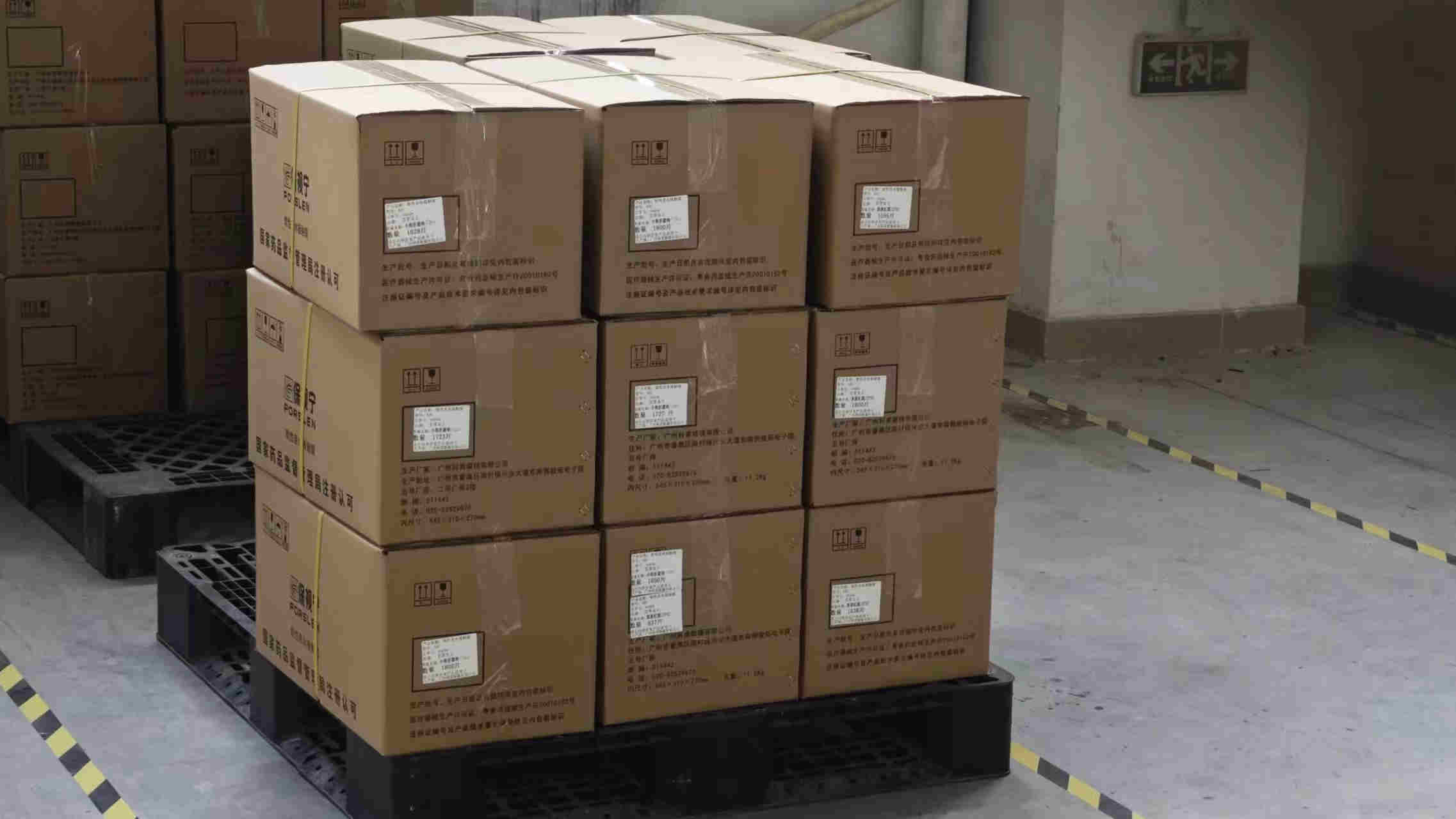
Sterile ophthalmic liquids are highly sensitive to thermal fluctuations during transit. Freezing or excessive heat can destabilize the polymeric matrix of surfactants and diminish the efficacy of antimicrobials.
To secure bulk shipments, we implement temperature-controlled monitoring protocols, utilizing smart tracking sensors to record real-time environmental status throughout the sea and air transport stages. Sealed tamper-evident HDPE containers prevent oxygen ingress, ensuring a stable 2 to 3-year shelf life for all bulk liquid shipments.
Detailed answers to structural, formulation, and commercial questions commonly asked by global procurement professionals.
 Chic Contacts