Explore our ISO 13485-certified cosmetic and costume specialty contact lenses, designed for maximum comfort, high pigment coverage, and unmatched retail appeal.
An in-depth structural review of market demands, commercial dynamics, and cosmetic manufacturing safety standards.
The global market for specialty contact lenses, specifically Halloween costume lenses, cosplay contact lenses, and theatrical ocular prosthetics, has witnessed exponential growth. What was once considered a niche sector catering strictly to movie production and theatrical stage acting has transformed into a highly profitable cosmetic sub-sector. Fueled by the democratization of pop-culture, the explosive growth of international ACGN (Anime, Comic, Games, Novel) events, and social media platforms like TikTok, Instagram, and YouTube, demand peaks consistently throughout the year, with key seasonal peaks centered around Halloween and Carnival seasons.
From a global supply chain perspective, China is the primary hub for the manufacturing of premium novelty cosmetic contact lenses. Suppliers are situated at the intersection of material science advancements and high-efficiency injection molding technology. The international trade system for B2B wholesale buyers requires working with suppliers who can not only manage seasonal demand spikes but also strictly comply with global medical device standards, such as CE, ISO 13485, and FDA certifications. Importers, brand owners, and e-commerce enterprises must navigate these supply lines meticulously to secure high-quality products that prevent ocular health complications while offering excellent color coverage.
Establishing authority and technical leadership in specialized cosmetic contact lens production.
Founded in Dongguan, China, Dongguan Chic Contacts Co., Ltd. is a leading, specialized manufacturer dedicated to the research, development, and high-volume production of premium contact lenses and colored cosmetic lenses. Operating from a state-of-the-art, GMP-standard cleanroom facility, we combine advanced cast-molding technologies with automated production lines to deliver lenses with exceptional oxygen permeability, moisture retention, and centration. Our robust supply chain allows us to support an extensive portfolio, ranging from daily disposables to yearly replacement lenses, utilizing market-proven materials like Hydrogel and Hema.
As a trusted global OEM/ODM and private-label partner, Chic Contacts strictly adheres to international quality management systems, ensuring our products meet stringent global regulatory standards (CE/ISO). From custom pattern design and fast prototyping to mass production and compliant packaging, we provide end-to-end manufacturing solutions that empower global eyewear brands, distributors, and fast-fashion labels to scale with confidence.
Specialty Halloween costume contact lenses require specialized material sciences due to their opaque pigments. When designing decorative contact lenses, the color layer must block out the user’s natural iris color, requiring dense, micro-fine organic pigments. If printed on the surface of the contact lens, these pigments risk coming into contact with the corneal endothelium or palpebral conjunctiva, which can cause micro-abrasions, allergic conjunctivitis, or pigment transfer.
To eliminate these hazards, Dongguan Chic Contacts uses Dual-Cladding Sandwich Technology. In this manufacturing process, the pigment matrix is encapsulated inside the inner polymer layer, sealing it away from both the cornea and the eyelid. The design is printed onto a thin layer of HEMA polymer, then heat-cured, and finally sealed within a second protective hydrogel layer. This structure ensures that only biocompatible medical-grade hydrogel touches the eye, while maintaining clear vision and safety.
Step-by-step transparency of our manufacturing process, ensuring optical reliability, sterilization, and defect-free distribution.
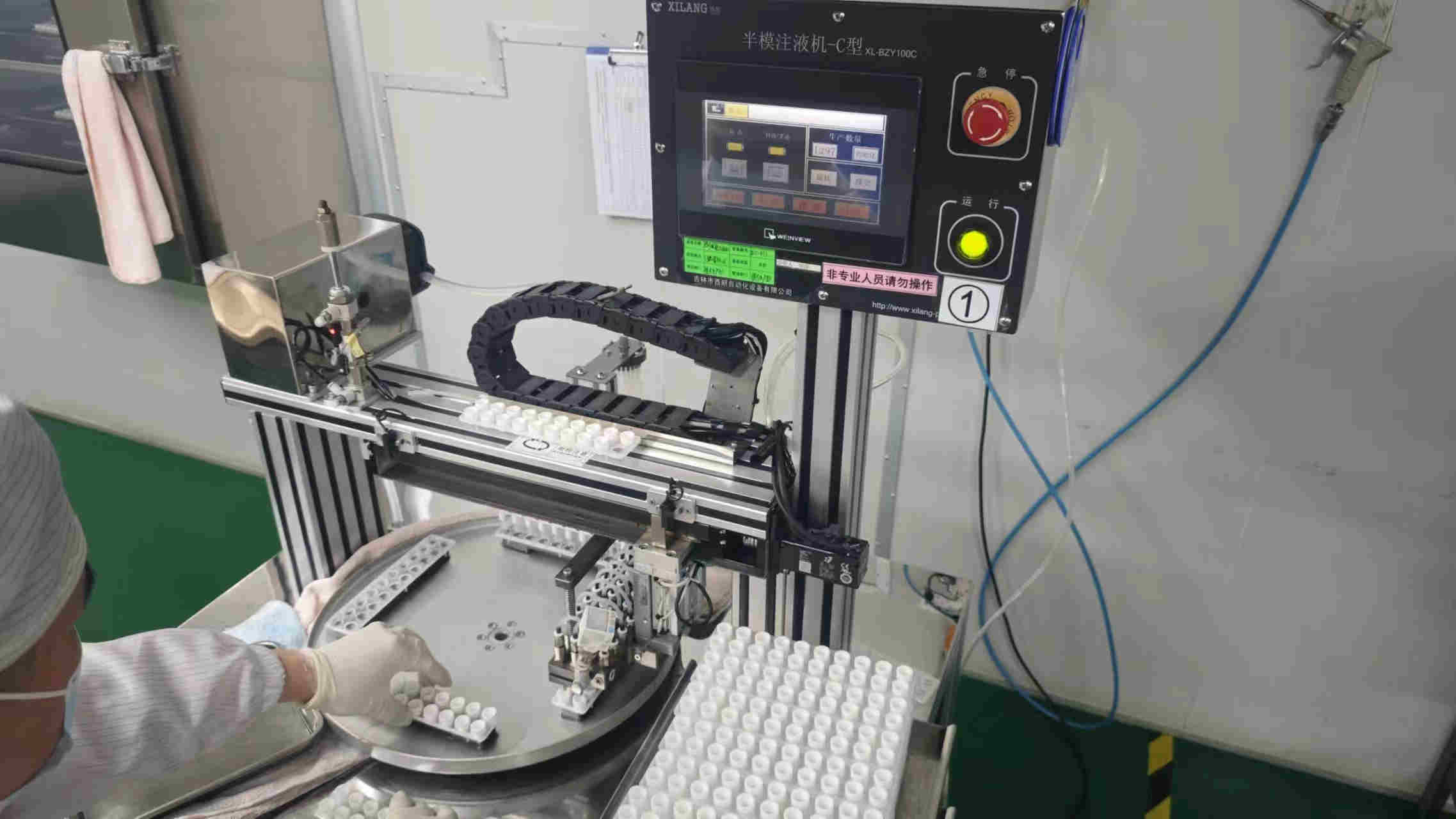
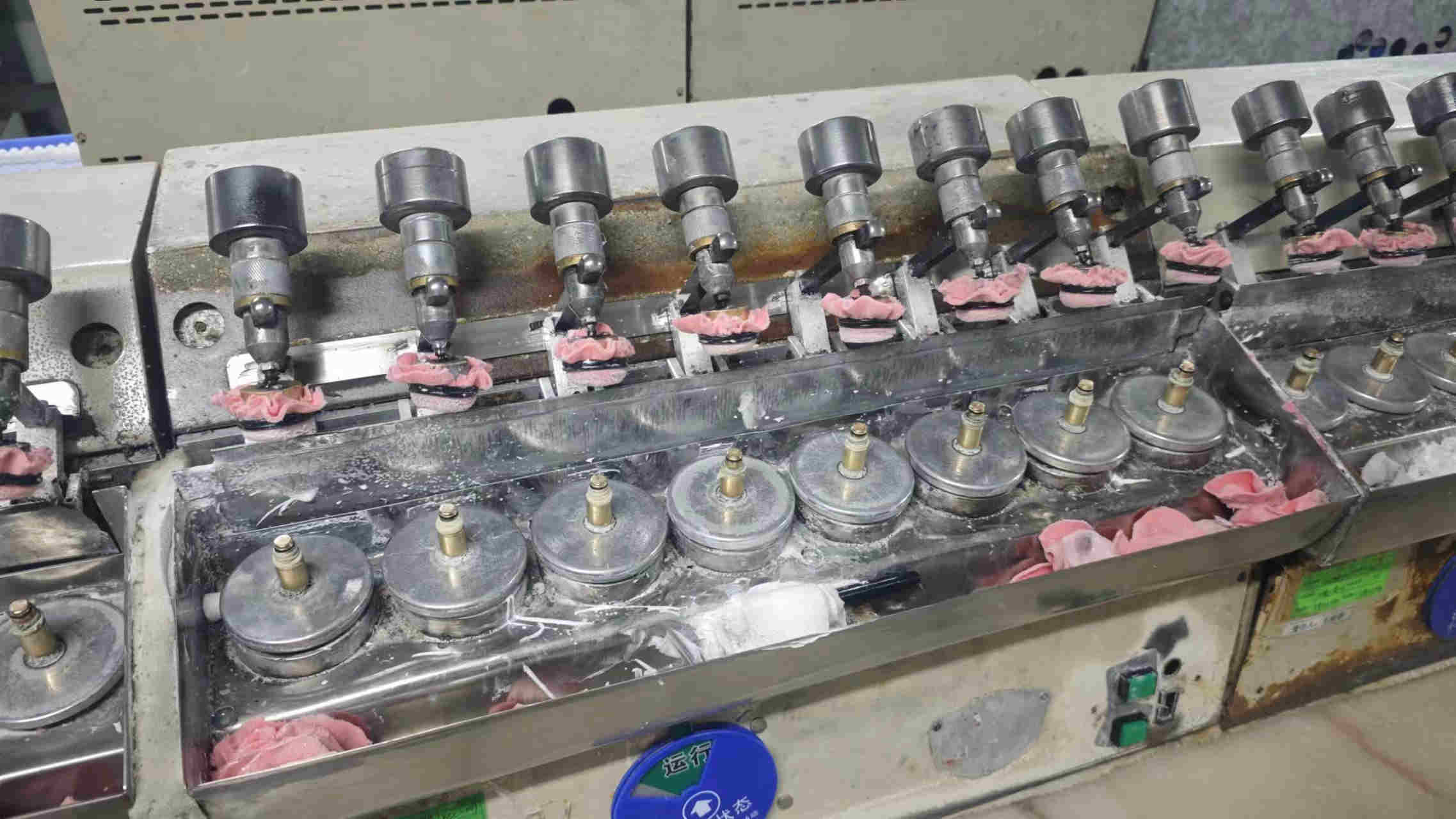
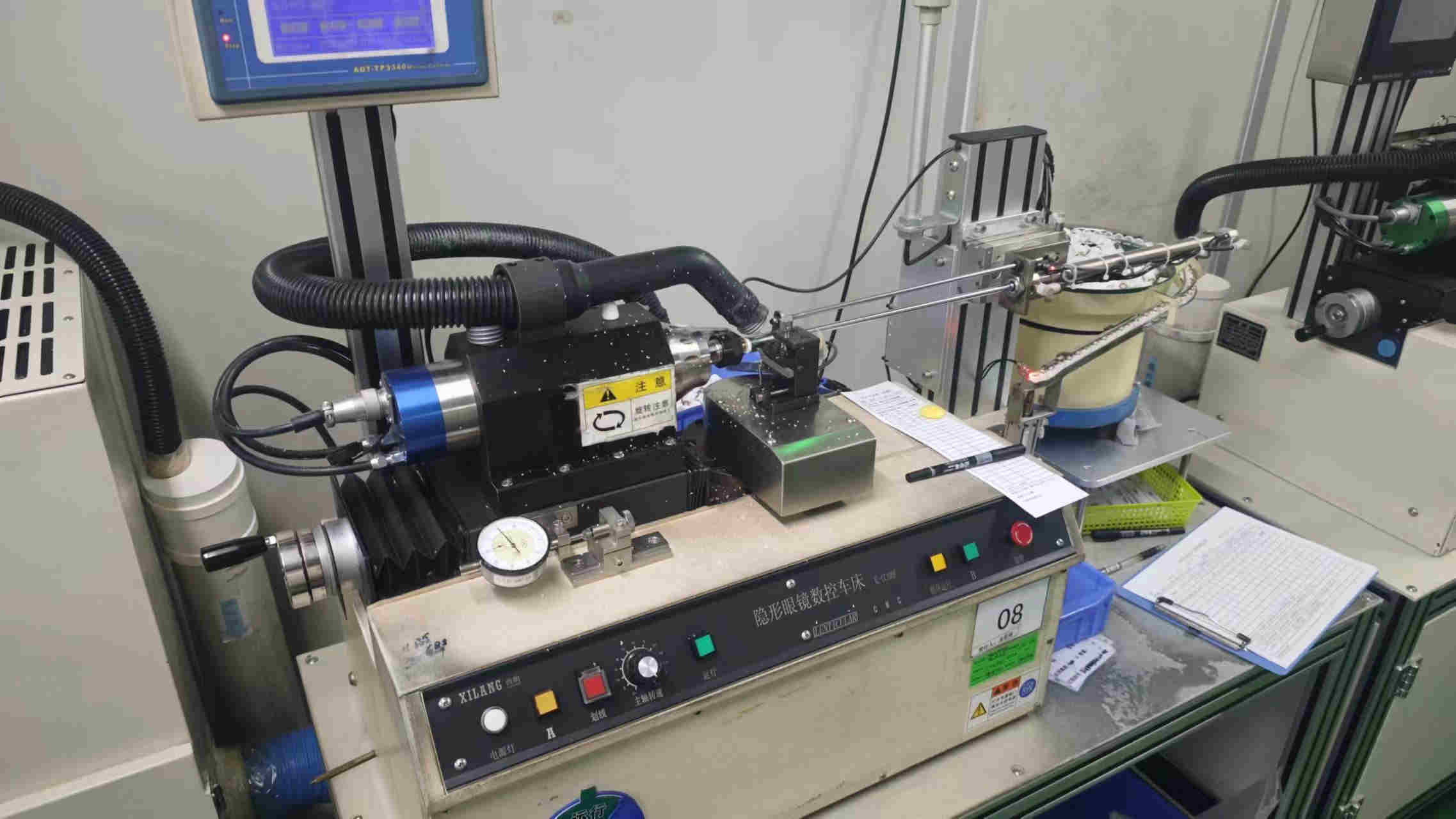
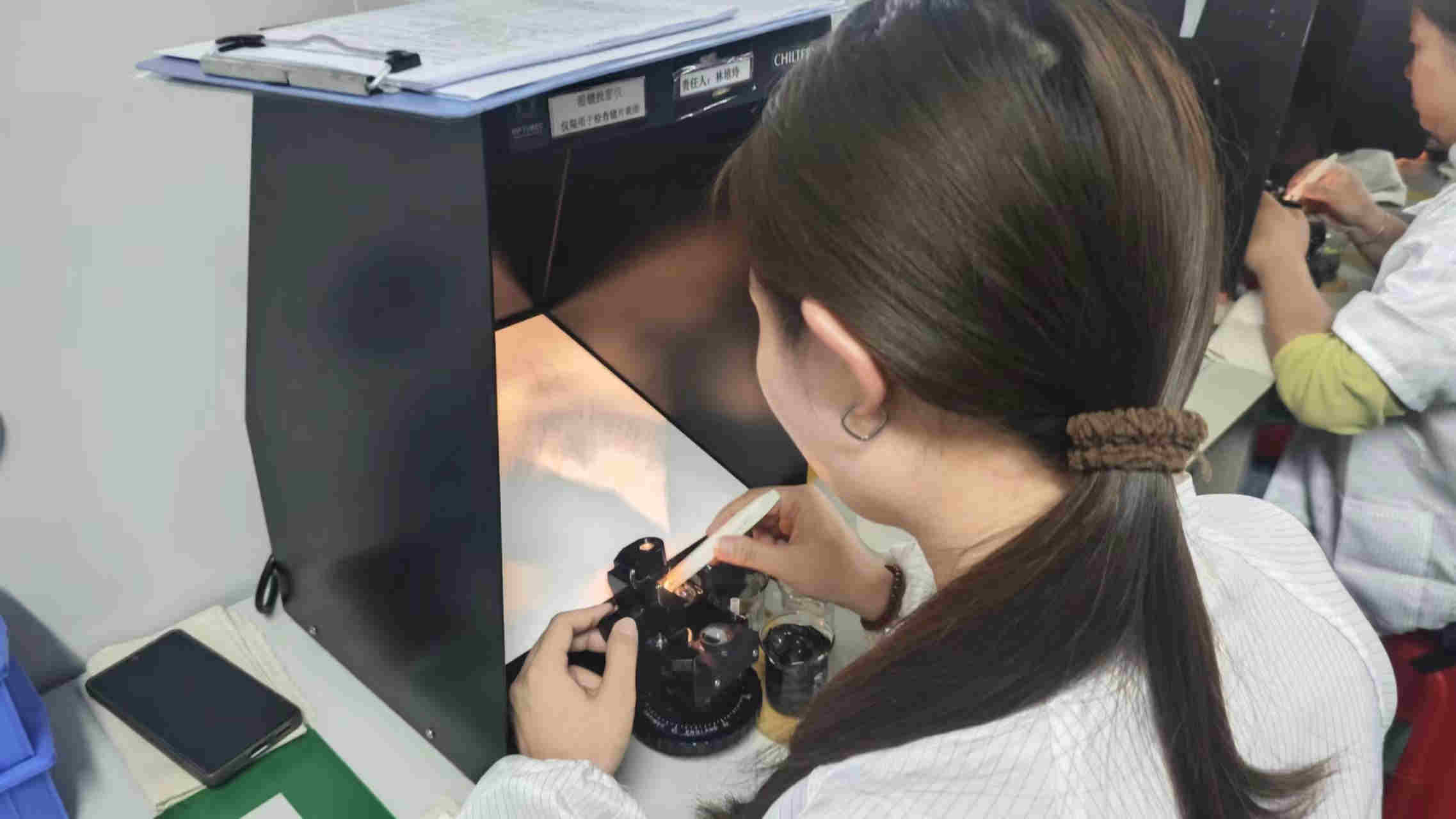
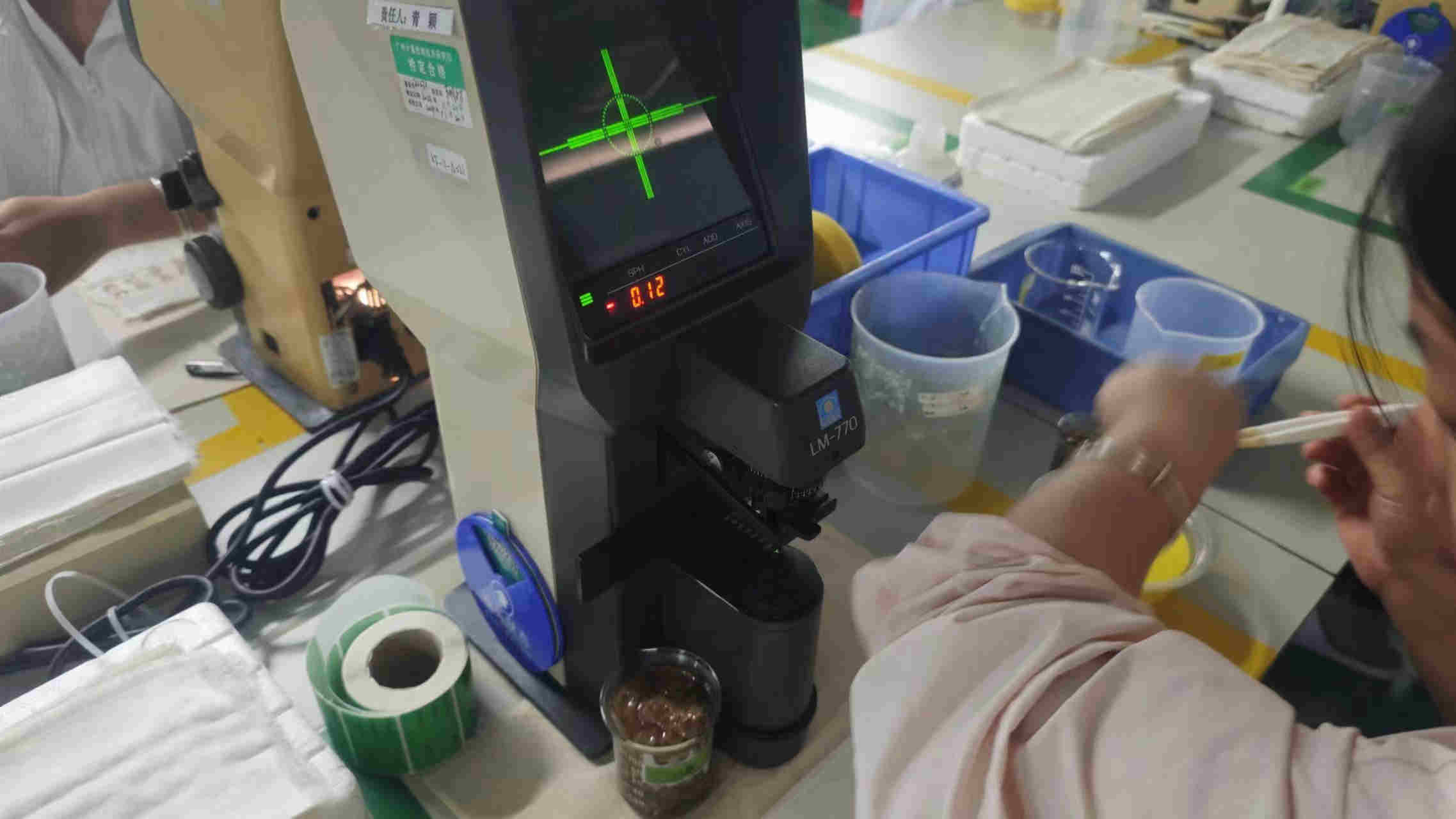
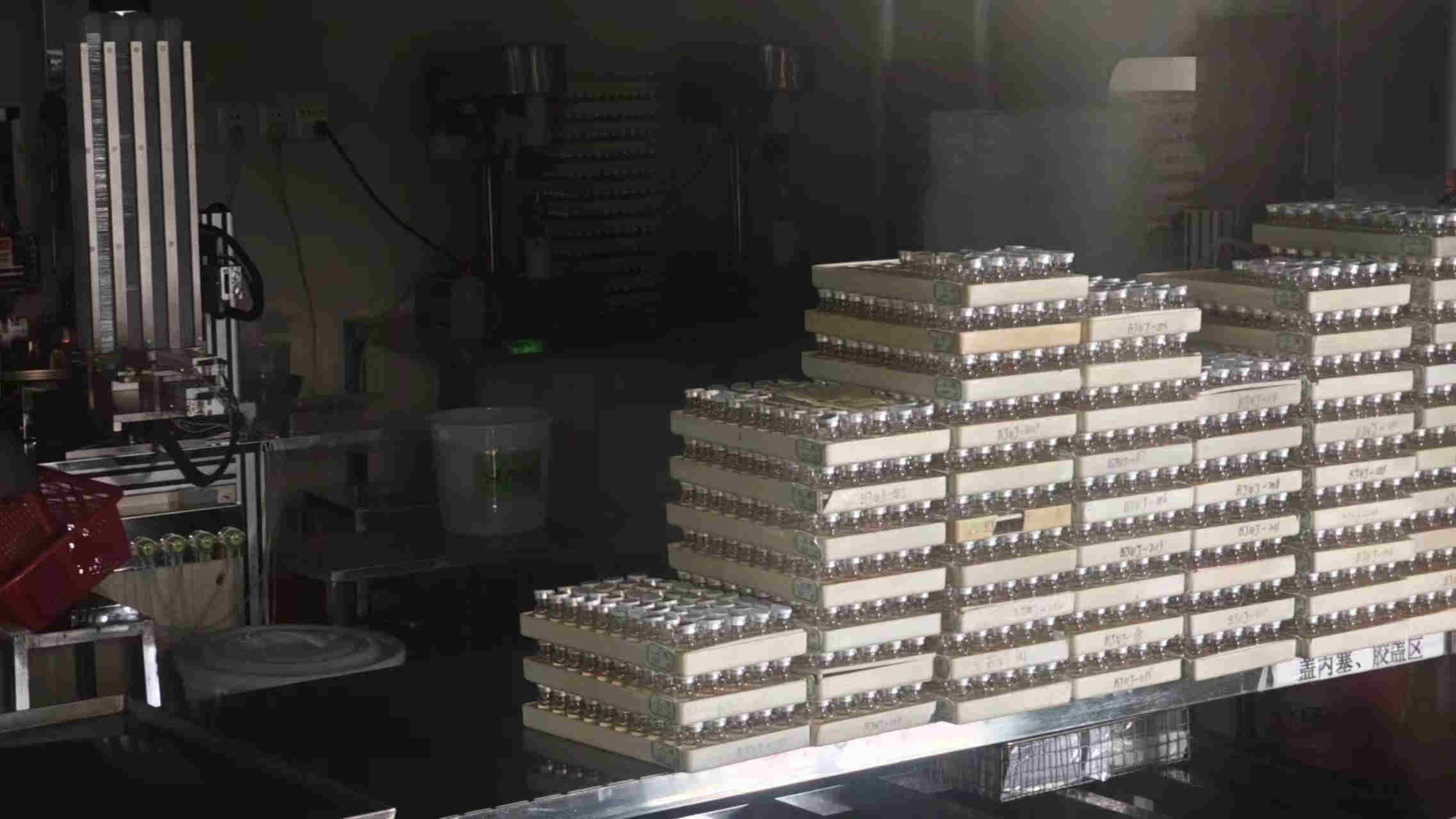
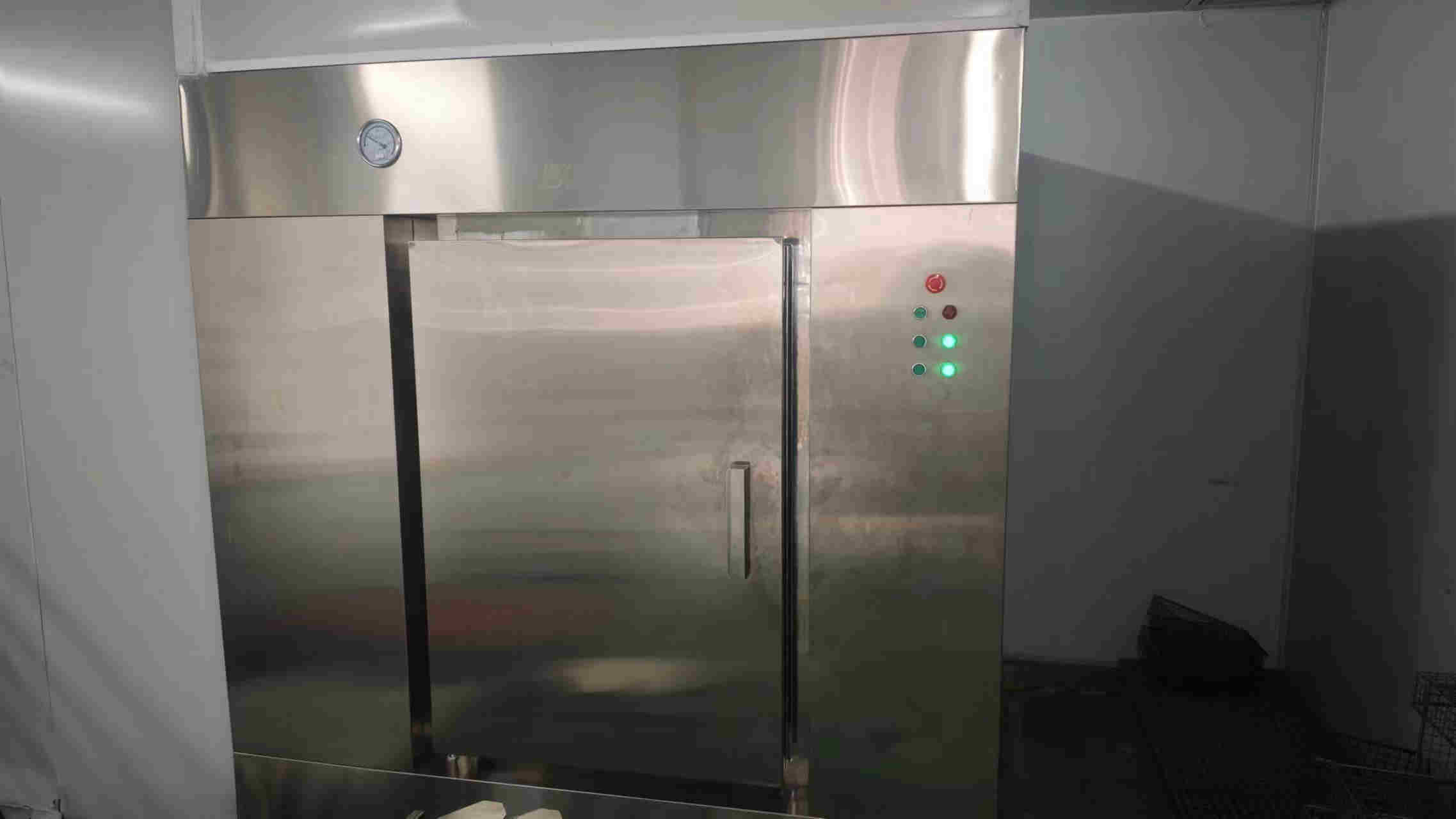
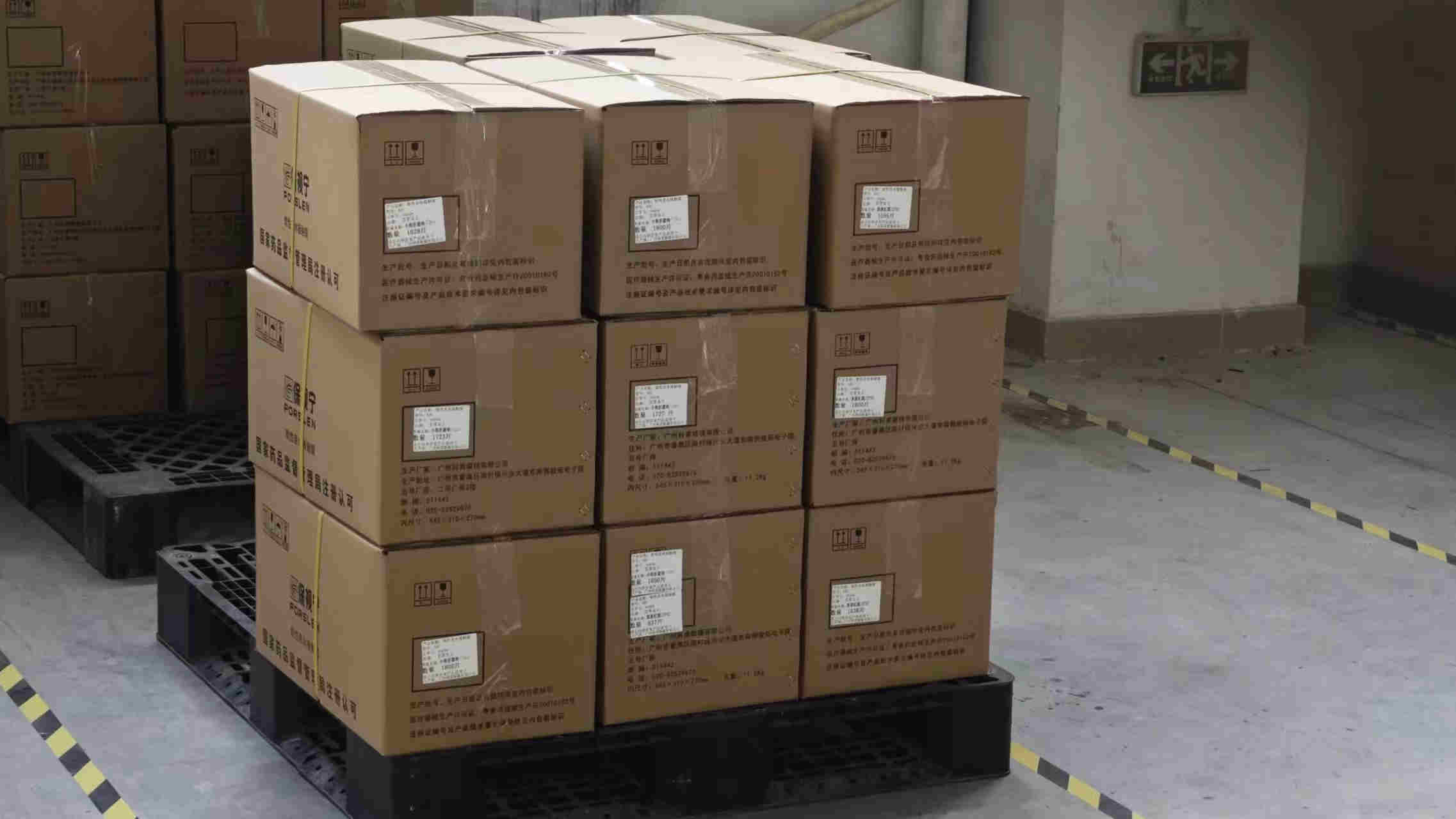
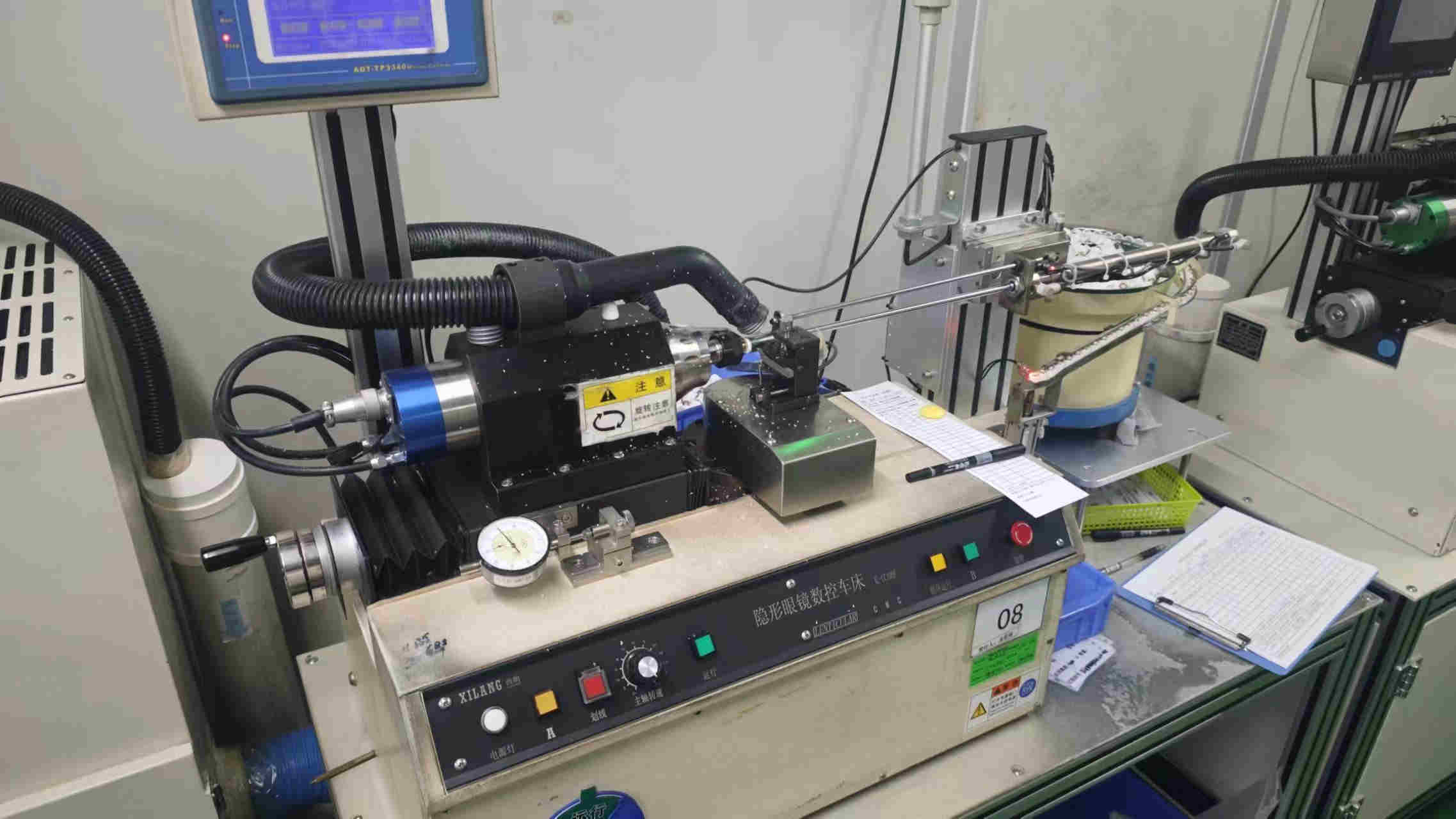
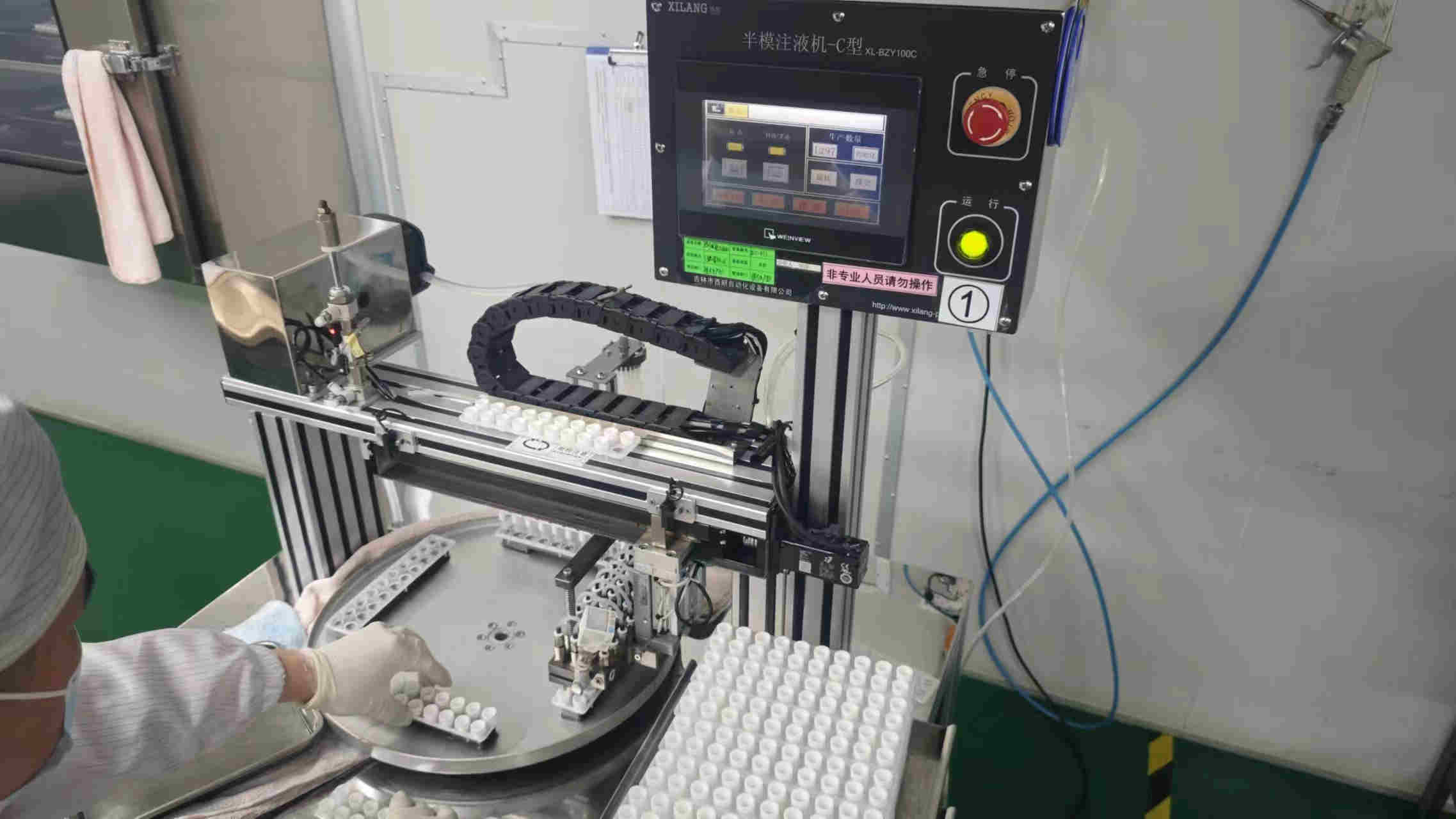
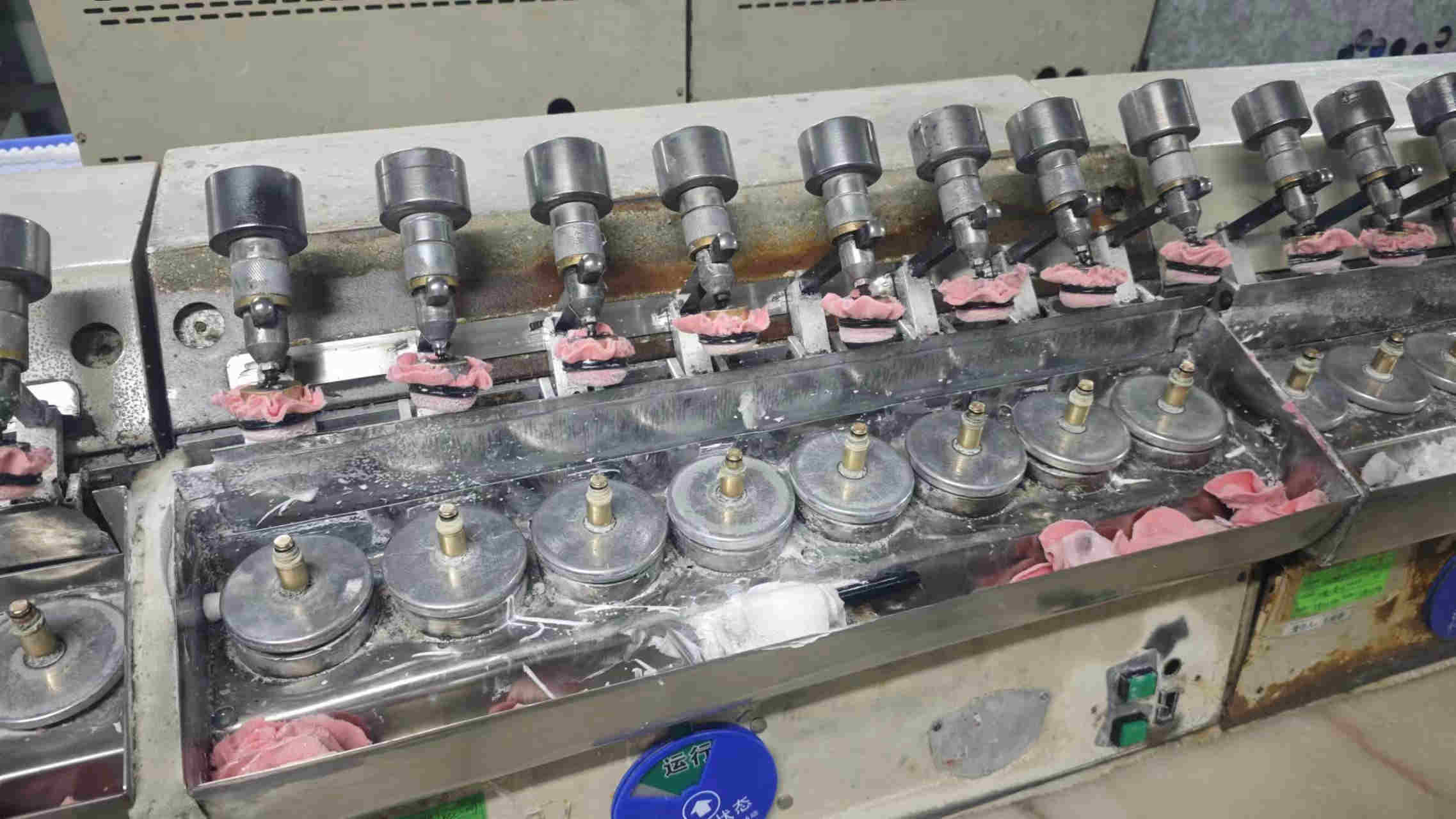
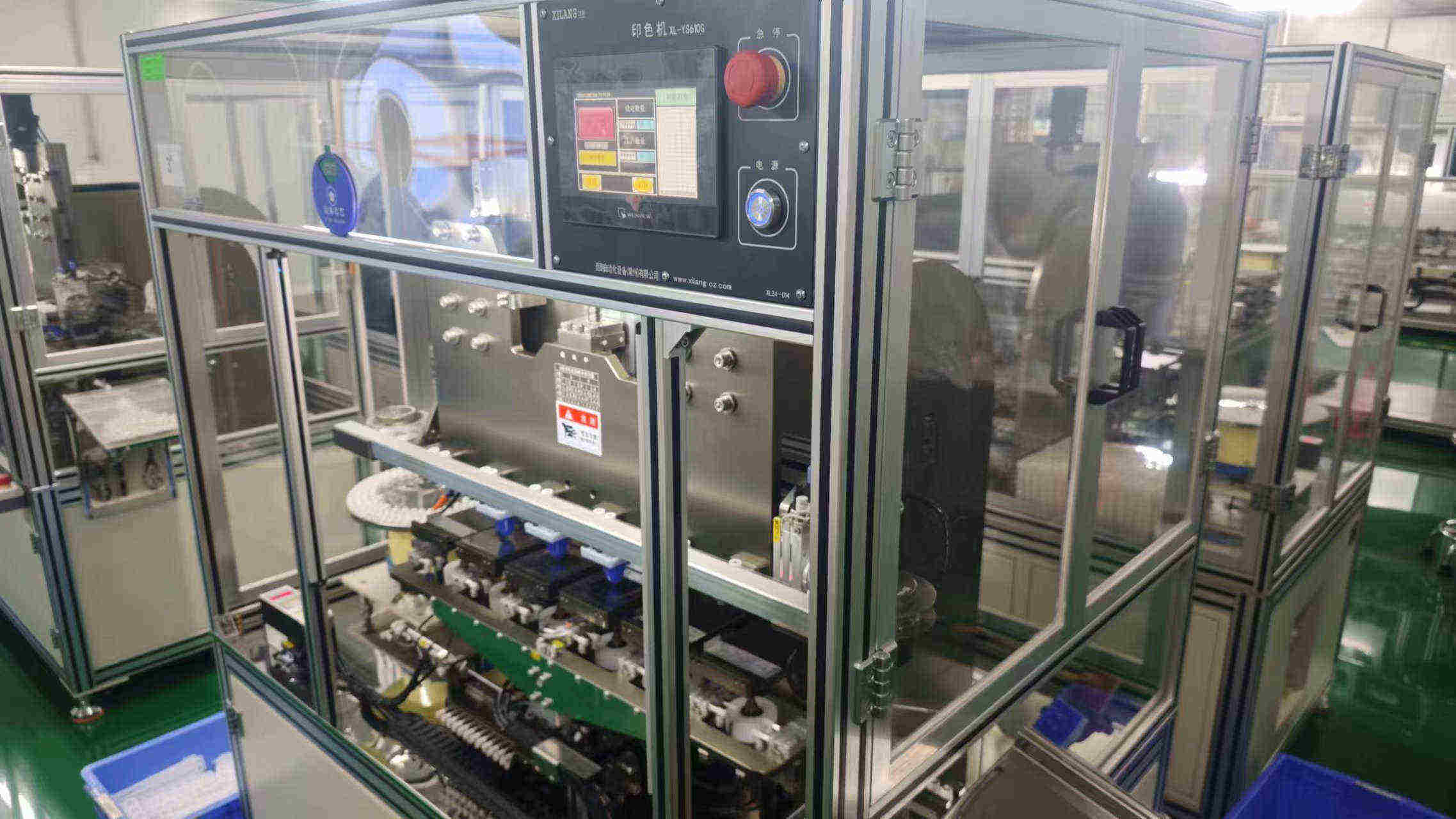
Analyzing key shifts in cosmetic contact lenses, including material upgrades, UV barrier technology, and customized manufacturing processes.
Traditional novelty contact lenses rely on standard hydrogel polymers (HEMA). The industry is moving toward silicone hydrogel formulations. These increase oxygen transmission (Dk/t) values, helping reduce corneal hypoxia during extended wear at events and conventions.
Using digital inkjet deposition instead of analog steel plates allows for faster design changes. Our facilities can produce customized patterns, offering rapid prototyping for global buyers who need short runs of custom-branded cosmetic contact lenses.
Cosmetic lenses are increasingly integrating UV-blocking additives directly into the polymer matrix. This helps screen harmful UVA and UVB rays, adding functional eye protection to standard colored contact lenses.
Modern medical manufacturing is shifting toward reducing carbon footprints and reducing chemical waste during production. The polymer manufacturing process uses closed-loop monomer distillation, which recovers unused liquid agents to minimize run-off. Additionally, optimizing water consumption during the initial hydration of HEMA contacts minimizes overall production water usage. This allows global brands to market their products not only as highly safe but also as responsibly manufactured.
Essential guidance on regional requirements, import compliance, and quality control systems for cosmetic contact lenses.
Because cosmetic contact lenses sit directly on the cornea, they are regulated as medical devices globally. For distributors, import partners, and retail store networks, importing these products requires compliance with regional regulatory bodies. Failing to meet these standards can lead to customs delays, confiscations, and potential legal liabilities.
In the United States, cosmetic and plano (non-prescription) contact lenses are classified as Class II Medical Devices under the FDA. It is illegal to sell decorative contact lenses without a valid prescription. Importers must hold proper FDA 510(k) clearance or source from registered manufacturers with Active Establishment Listings and Device Listings.
The European Union regulates plano decorative contact lenses under the Medical Devices Regulation (MDR 2017/745), moving away from the old MDD framework. Lenses must bear a valid CE mark, and manufacturers must maintain a comprehensive technical dossier. They must also assign a Unique Device Identifier (UDI) and provide documentation covering biocompatibility and clinical evaluation.
This international standard sets the requirements for a quality management system specific to the medical devices industry. ISO 13485 certification ensures that a manufacturer maintains cleanroom conditions, clean water systems, strict raw material control, and batch traceability from formulation to shipment.
Sourcing directly from a certified OEM/ODM provider like Dongguan Chic Contacts Co., Ltd. allows brands to streamline development. Our services cover custom design generation, mechanical optimization of edge profiles for comfort, packaging design (blisters, boxes, kits), and support with regulatory submissions. Managing the entire manufacturing chain under one roof ensures consistent quality, helping cosmetic brands scale with confidence.
Addressing essential questions about orders, technical specs, regulatory compliance, and customization options.
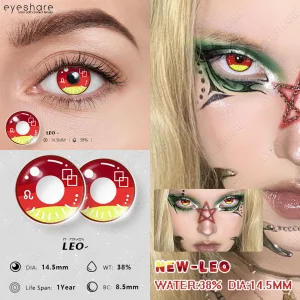
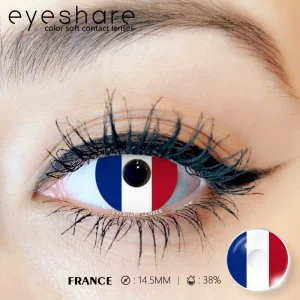
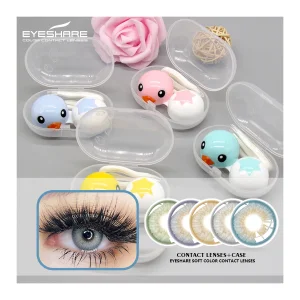
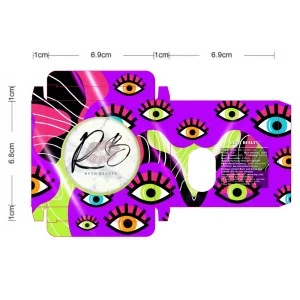
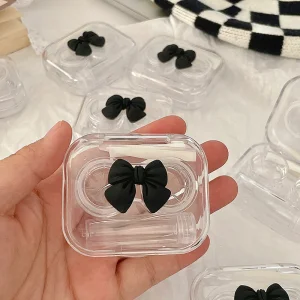
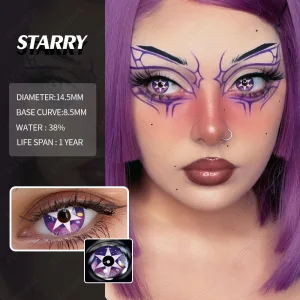
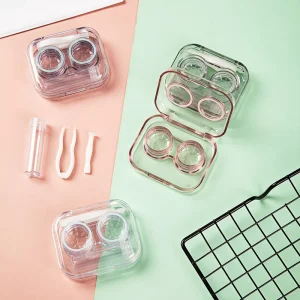
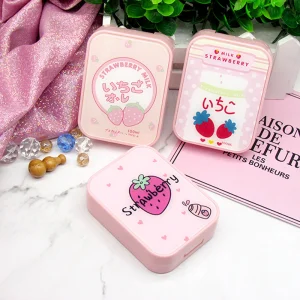
Premium themed lenses, cosmetic packaging, and high-performance care accessories to complete your retail product lineup.
 Chic Contacts