Explore our state-of-the-art contact lens series and clinical packaging designs optimized for international markets.
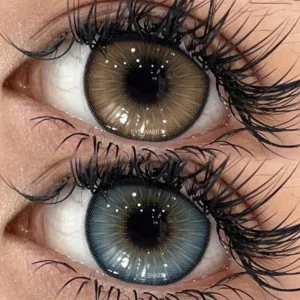
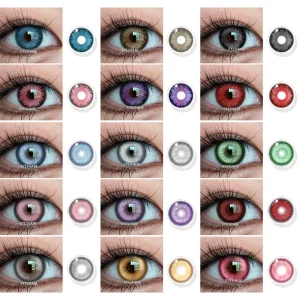
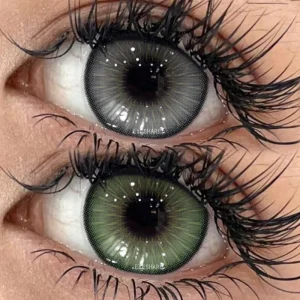

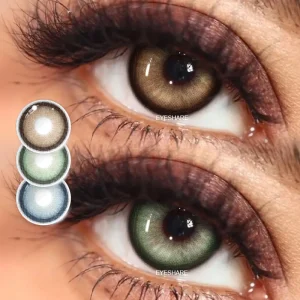
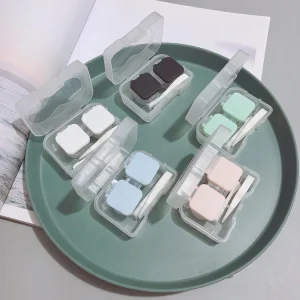
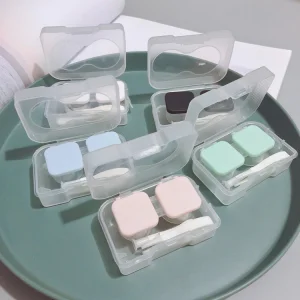
Founded in Dongguan, China, Dongguan Chic Contacts Co., Ltd. is a leading, specialized manufacturer dedicated to the research, development, and high-volume production of premium contact lenses and colored cosmetic lenses. Operating from a state-of-the-art, GMP-standard cleanroom facility, we combine advanced cast-molding technologies with automated production lines to deliver lenses with exceptional oxygen permeability, moisture retention, and precise centration.
Our robust supply chain allows us to support an extensive portfolio, ranging from daily disposables to yearly replacement lenses, utilizing market-proven materials like Hydrogel and Hema. As a trusted global OEM/ODM and private-label partner, Chic Contacts strictly adheres to international quality management systems, ensuring our products meet stringent global regulatory standards (CE/ISO). From custom pattern design and fast prototyping to mass production and compliant packaging, we provide end-to-end manufacturing solutions that empower global eyewear brands, distributors, and fast-fashion labels to scale with confidence.
Why Modern Optometry Demands Higher Oxygen Transmissibility (Dk/t) in Hydrogel and Cosmetic Polymer Lenses.
In the global B2B contact lens procurement landscape, the term "ventilated contact lenses" refers to contact lenses designed to maximize corneal respiration through superior oxygen transmissibility (Dk/t) and dynamic tear exchange. The human cornea is avascular; it does not obtain oxygen from the blood supply but directly from the atmosphere. When a contact lens acts as a barrier, it can induce corneal hypoxia, leading to symptoms such as corneal swelling (edema), microcysts, limbal hyperemia, and general end-of-day discomfort.
To prevent hypoxia-related issues, leading manufacturers use materials with optimized matrix structures and advanced edge profiles. The oxygen transmissibility ($Dk/t$) is determined by two main factors: the inherent permeability of the polymer matrix ($Dk$) and the physical thickness of the lens center ($t$). Modern hydrogel and silicone-hydrogel lenses address this challenges in two ways:
For wholesale distributors, optical chains, and private labels, offering contact lenses that provide proper corneal oxygenation is essential for maintaining product safety and customer satisfaction.
Utilizing high-grade Hydrogel and HEMA-based copolymers that stabilize the hydration level, minimizing dehydration-induced tight lens syndrome.
Eliminating surface micro-roughness via wet-mold casting, providing uniform thickness distribution to ensure stability and vision clarity.
Our hydrophilic monomer formulations naturally bind water molecules to the lens surface, keeping the eye moisturized for extended periods.
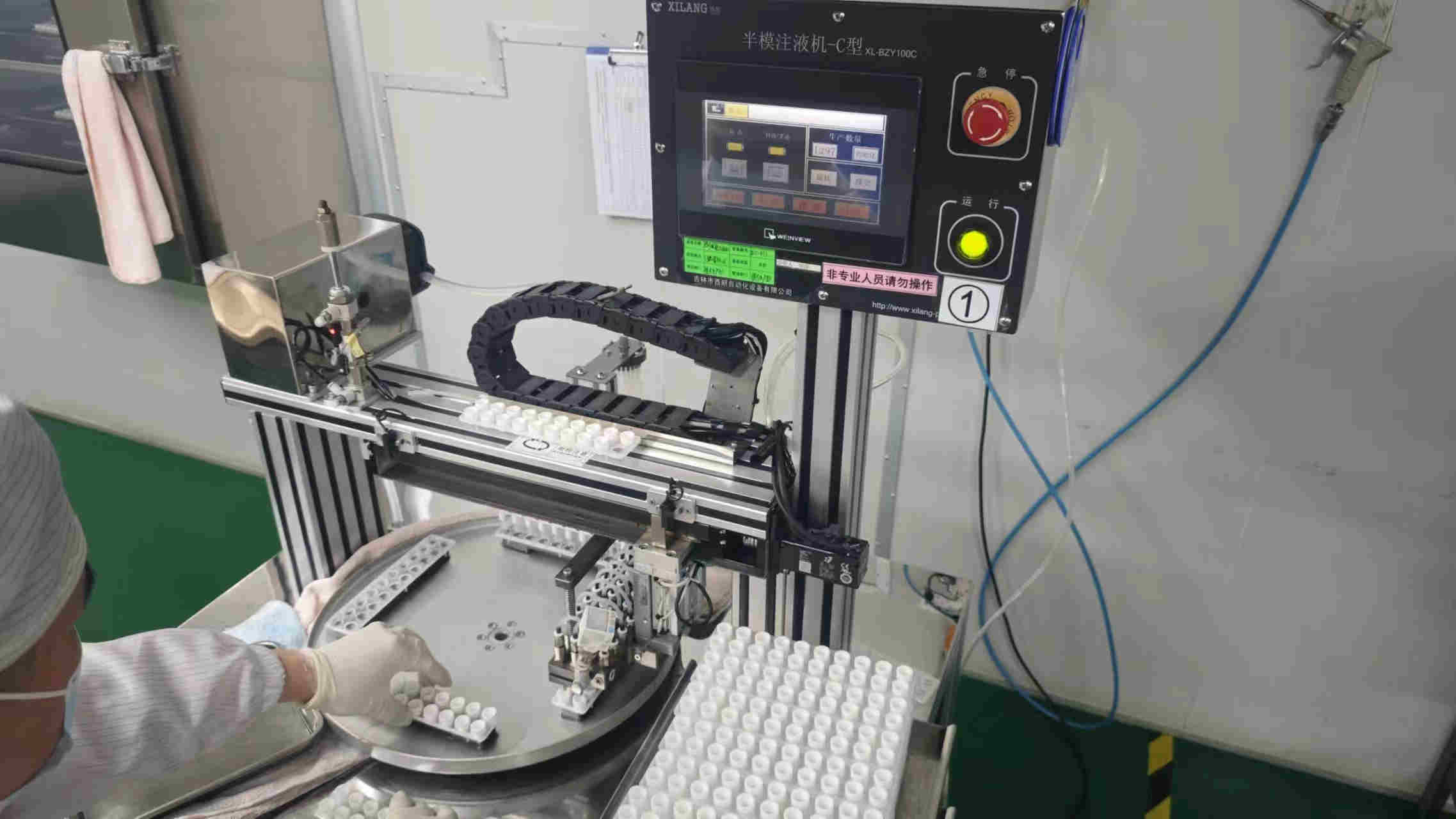
Inside Dongguan Chic Contacts Co., Ltd.'s Advanced Cast-Molding Facility.
A contact lens requires tight production tolerances. The difference of a few microns can alter optical power, centration behavior, and overall wearability. Below is an overview of the manufacturing processes utilized at our facility to produce reliable, high-precision contact lenses.
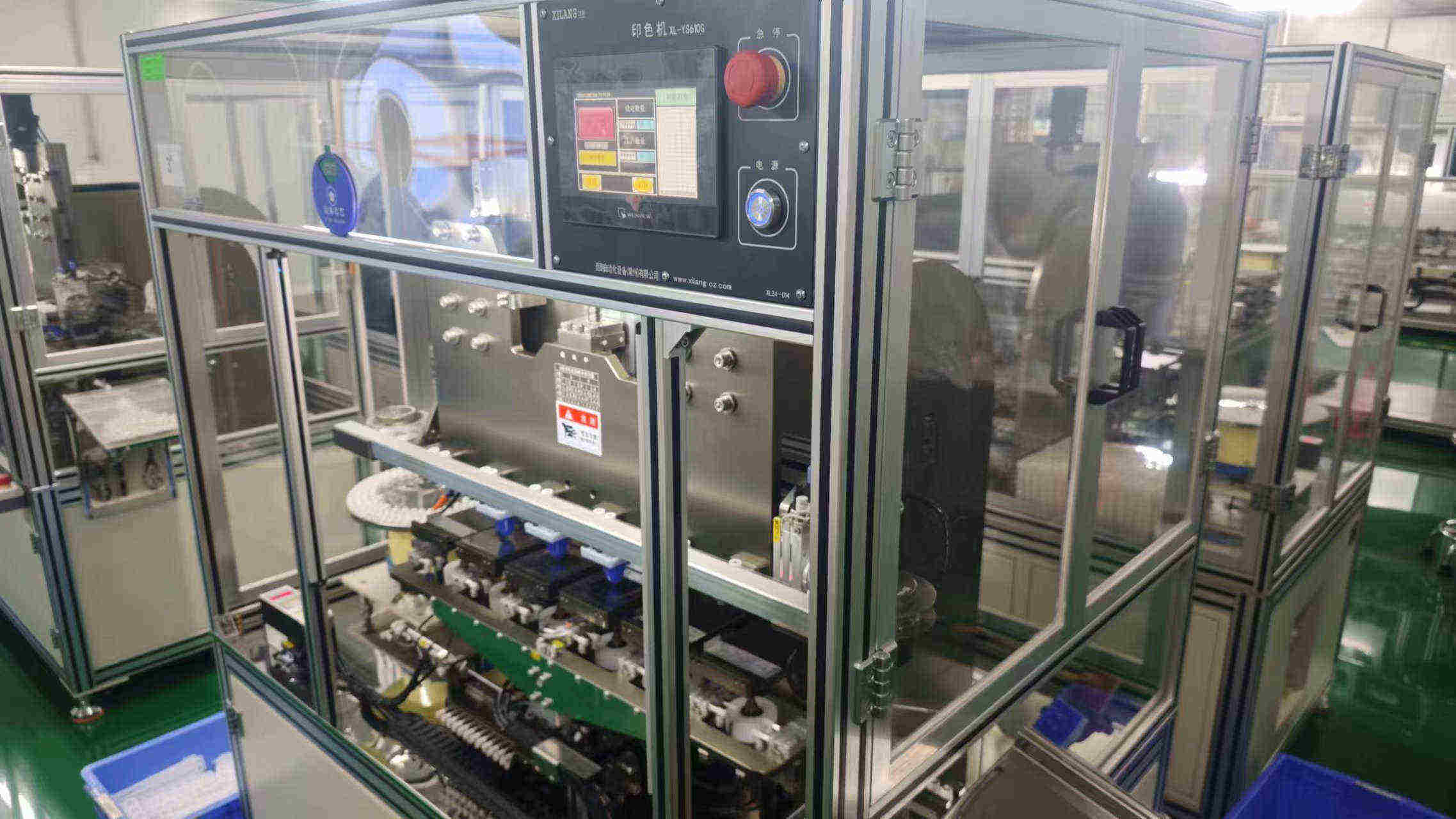
Precise, non-toxic pigment placement using multi-tonal pad printing systems for natural-looking color layers.
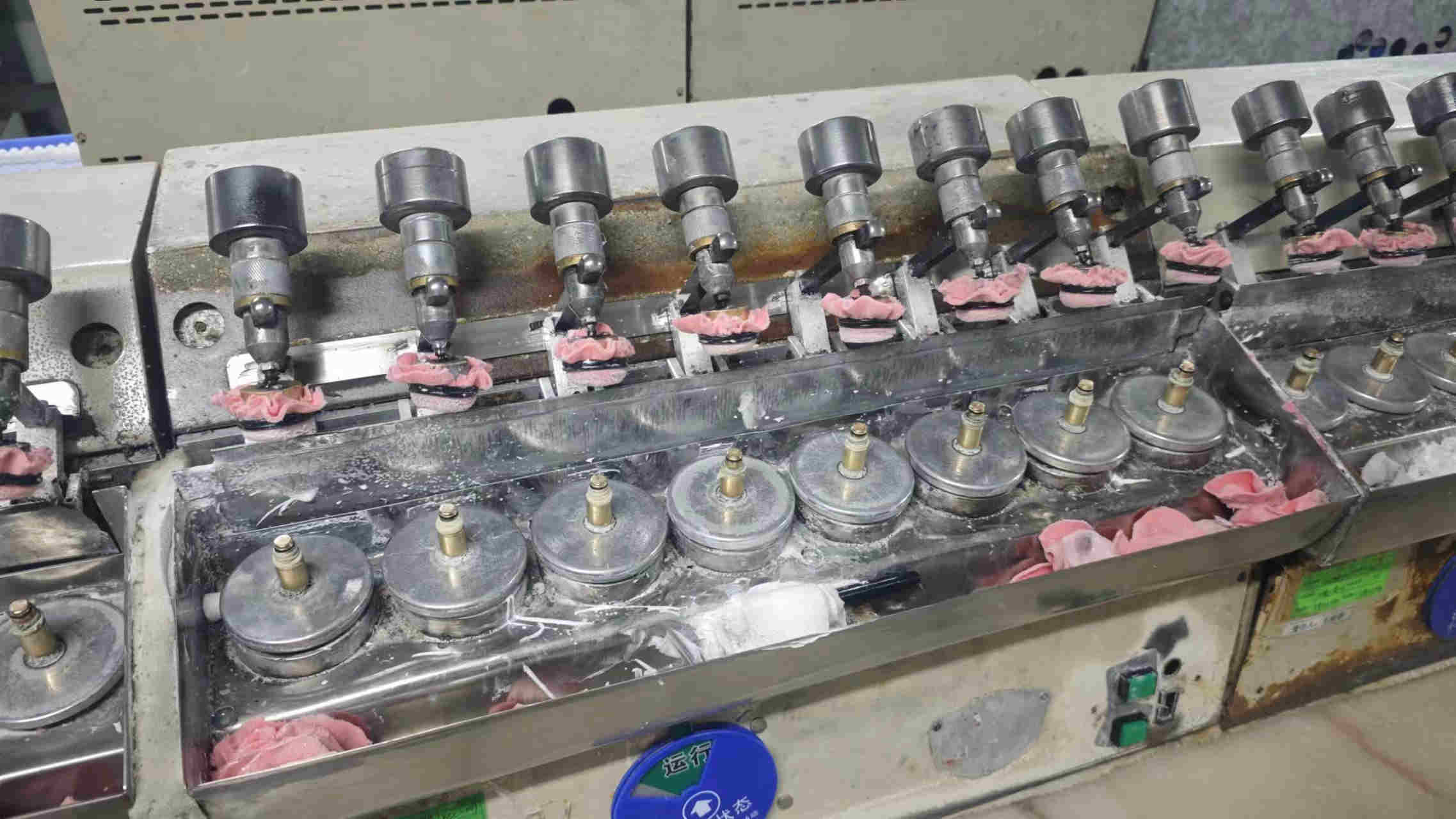
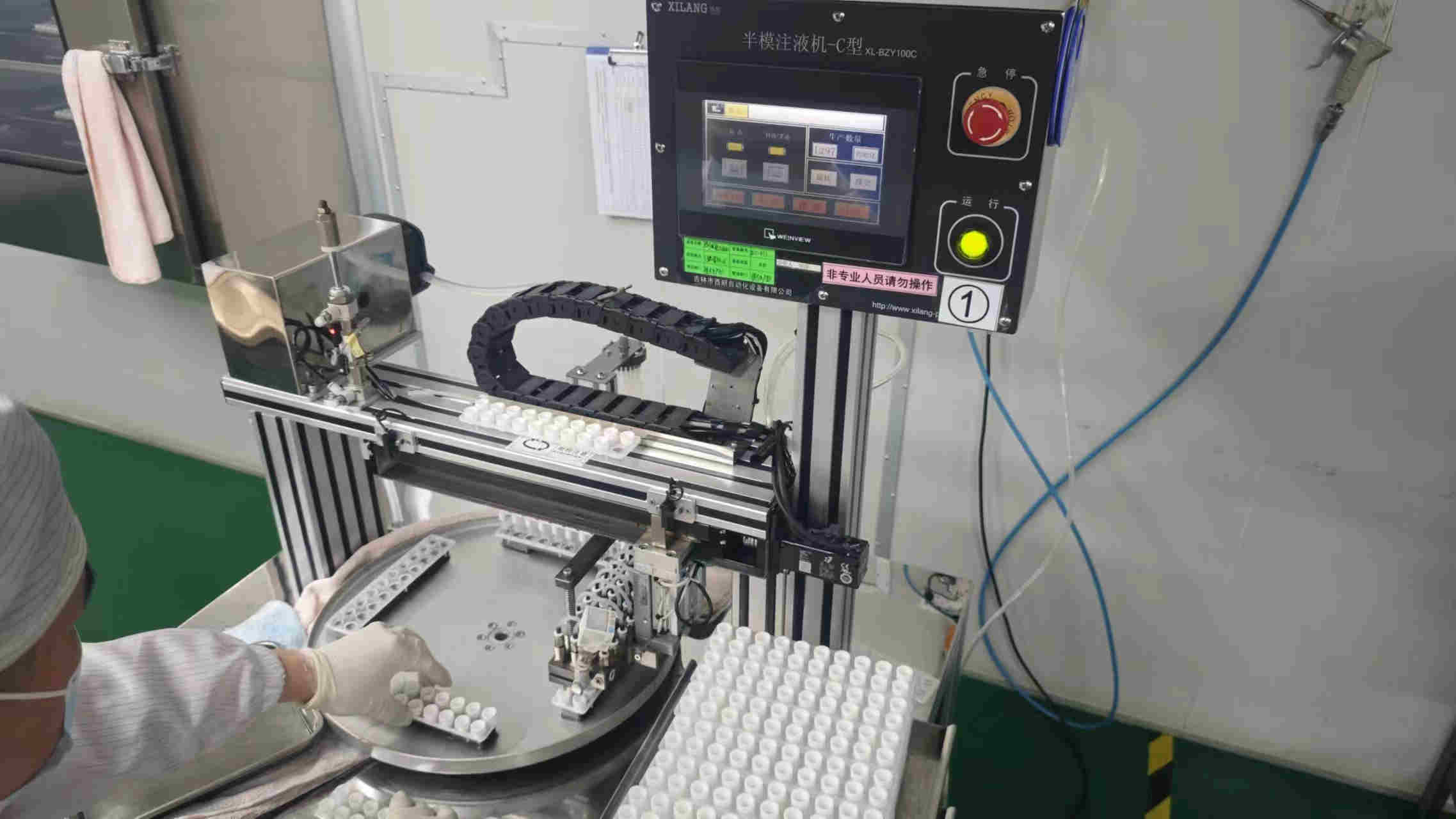
Automated monomer injection into micro-molds, ensuring material volume consistency and base curve shape.
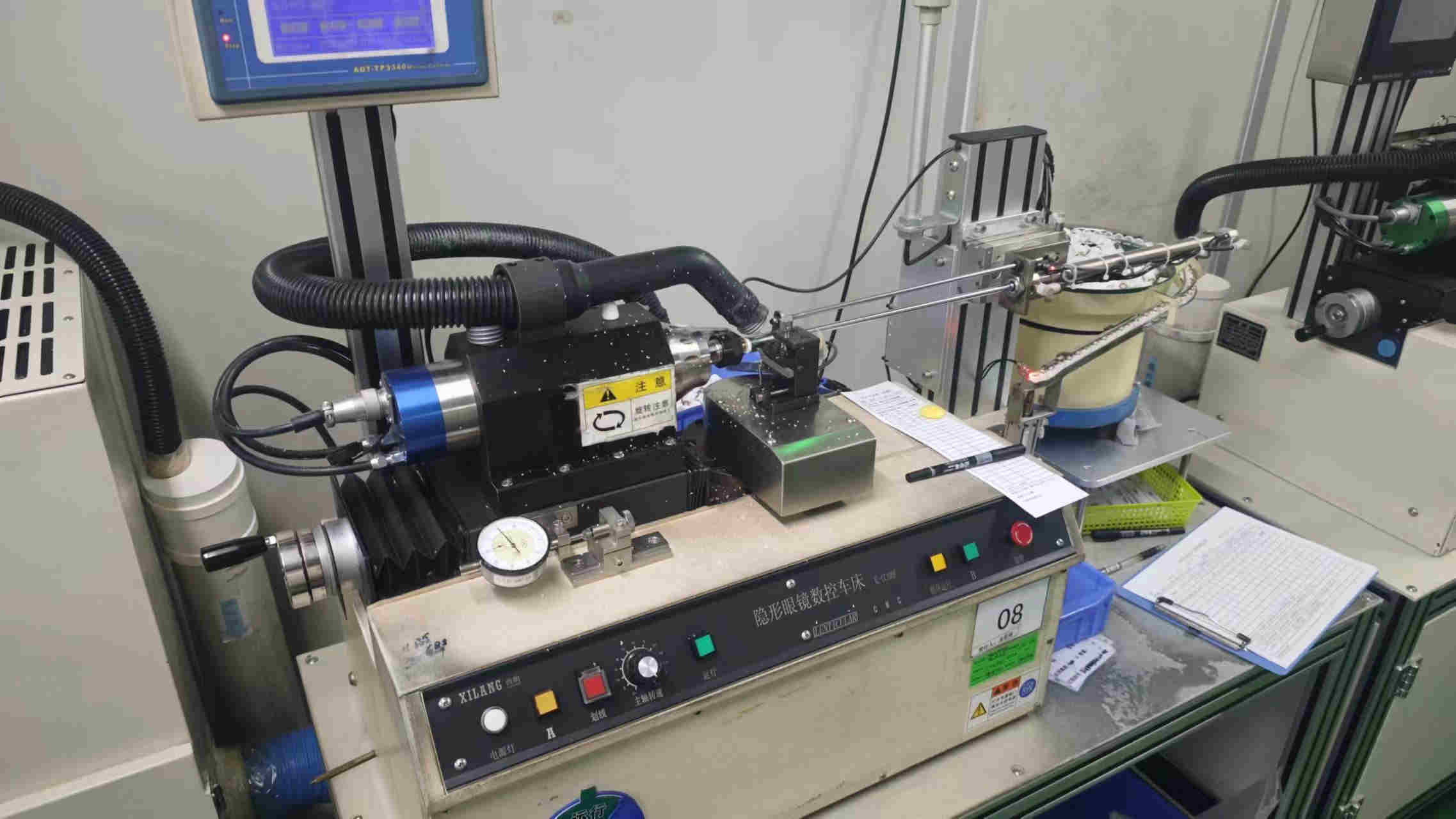
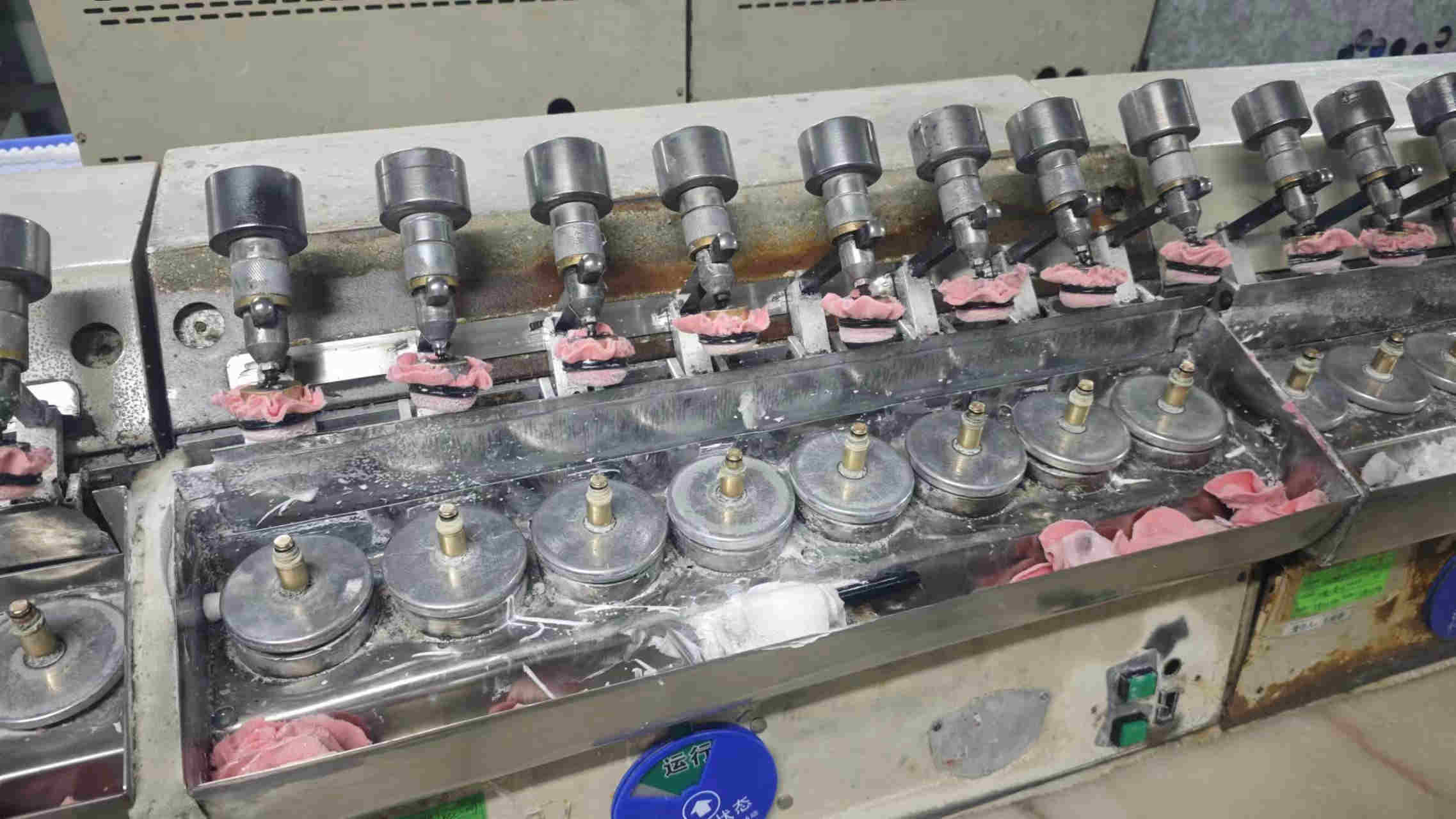
Ultra-fine polishing to remove micro-edge flash, providing a smooth and comfortable lens edge profile.
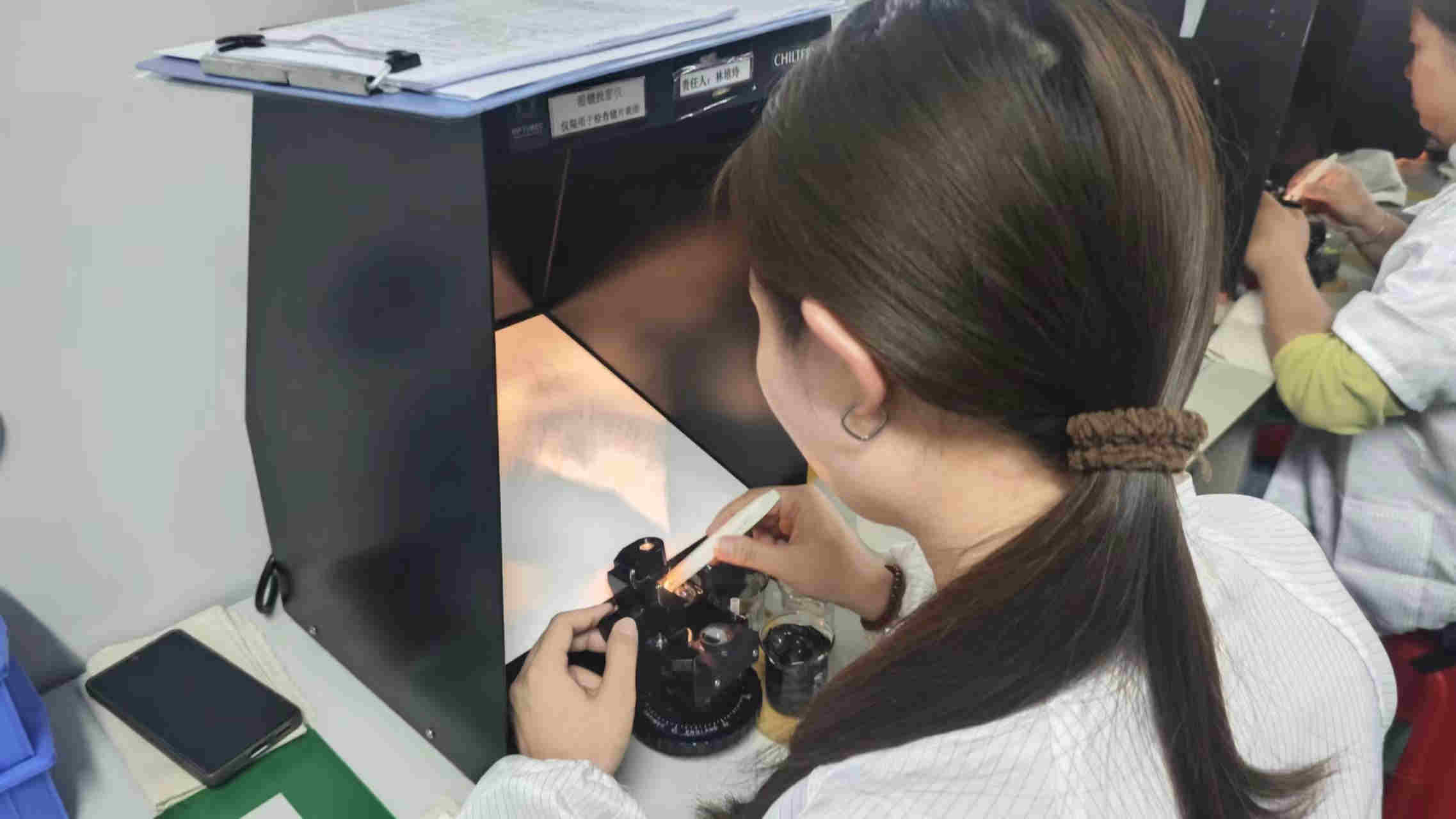
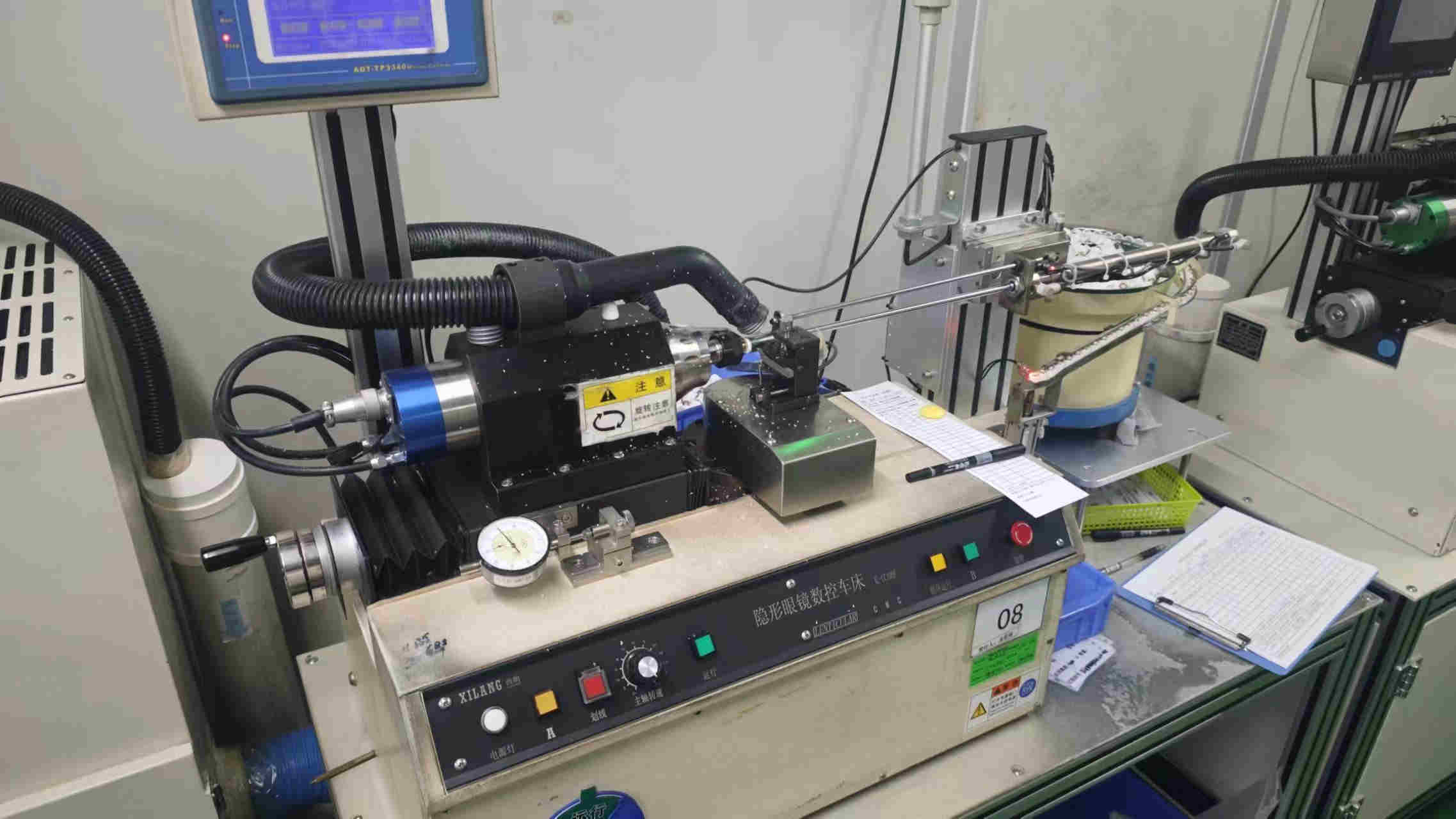
Diamond lathe cutting adjustments for complex parameters and custom prescriptions (Rx) when required.
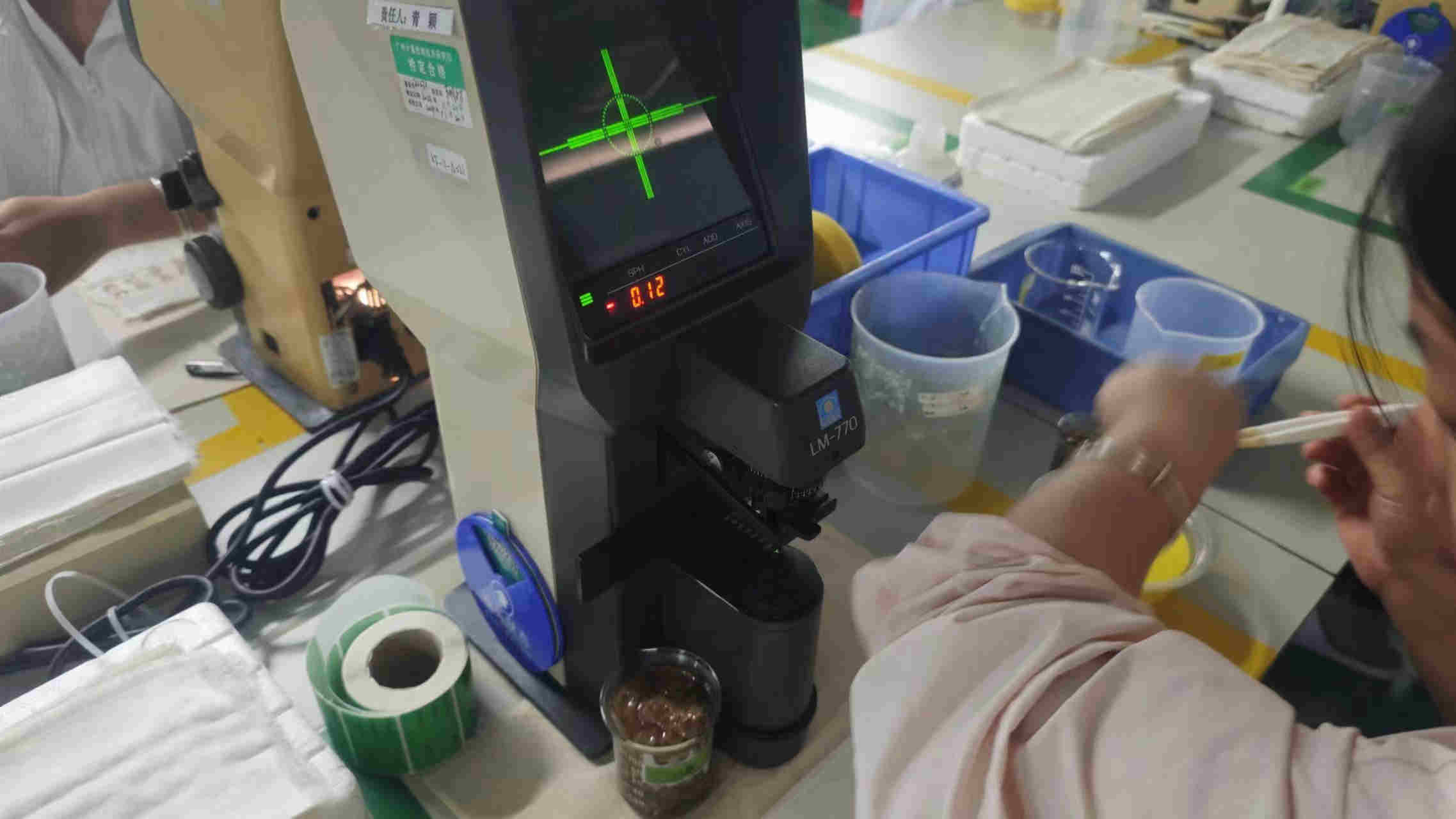
Visual and mechanical measurements for lens diameter, power accuracy, and surface quality.
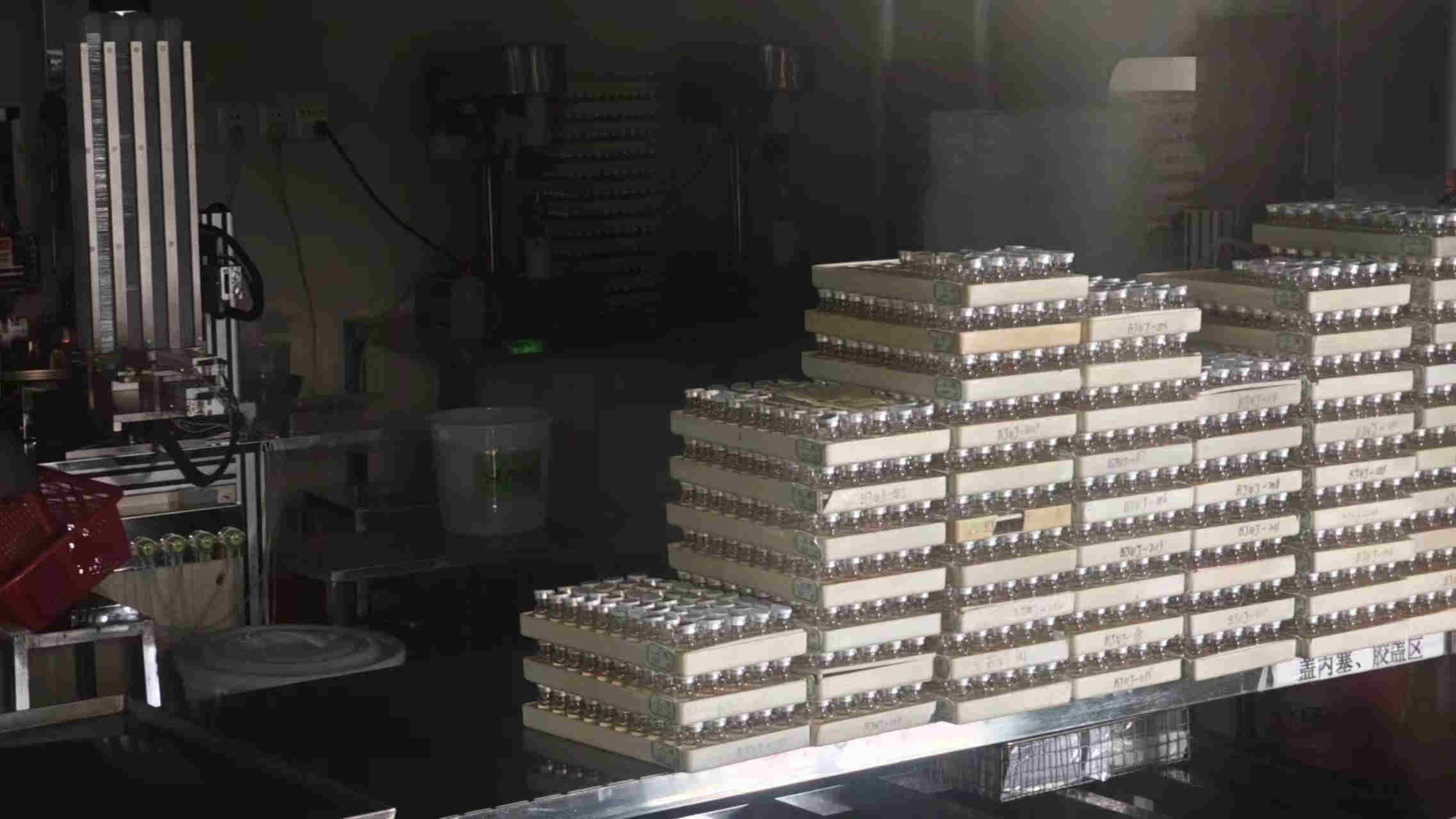
Automated optical inspection systems scan for impurities, micro-bubbles, and pattern alignment.
Lenses are sealed in saline-filled blister packs using automated, sterile blister-sealing systems.
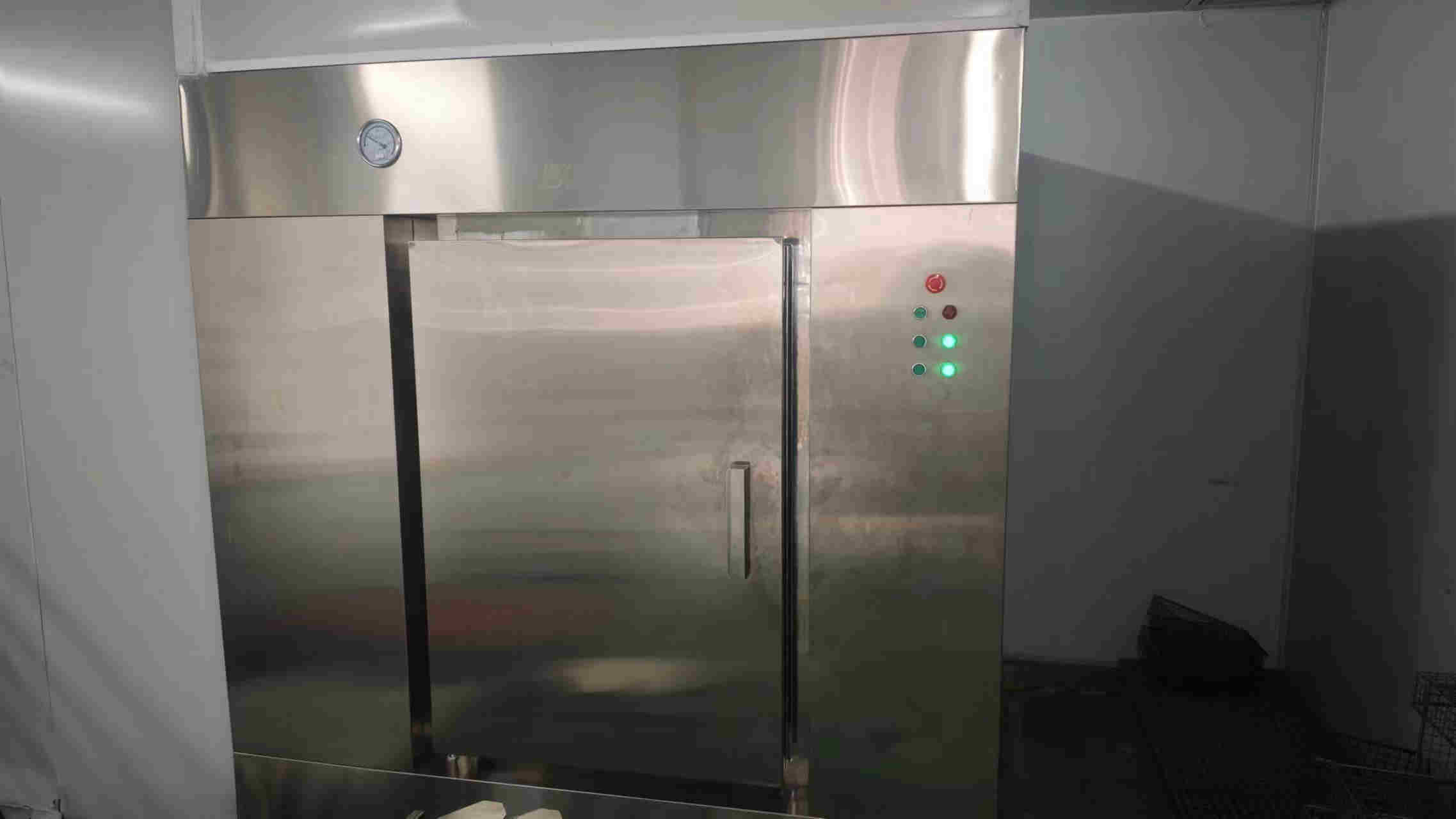
Autoclave steam sterilization cycle, validating a Sterility Assurance Level (SAL) to ensure safety.
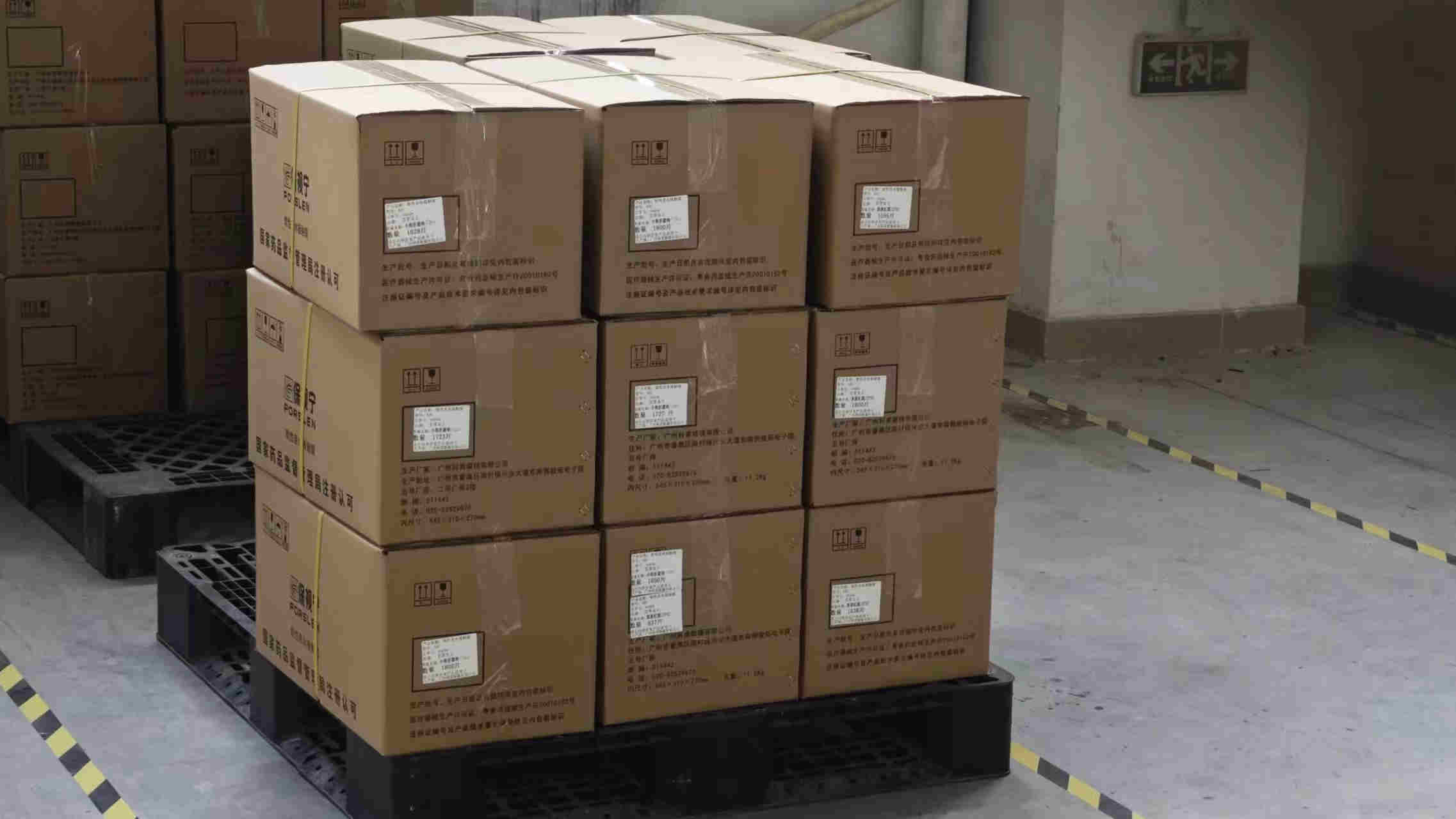
Final storage, batch numbering, and compliance labeling ready for global shipment and customs clearance.
High-speed computerized CNC diamond lathes for dry state lens contour shaping and base curve tailoring.
Closed-system injection environment preventing raw polymer exposure to airborne dust and microparticles.
Polishing heads utilize custom abrasive compounds to achieve smooth edge contours.
Technical comparison and product configurations of our core OEM/ODM ventilated lens portfolio.
When importing contact lenses at scale, optical brands and medical-device distributors look closely at polymer compositions, water content balance, base curves, and oxygen transmissibility ($Dk/t$). Finding the right balance between water content and $Dk/t$ is critical: higher water content in hydrogel lenses improves initial comfort but can lead to dehydration-driven dry eye, while silicone hydrogel materials provide high oxygen transmission through the silicone phase, reducing dependency on water content.
| Material Class | Water Content | Base Curve (BC) | Diameter (DIA) | Oxygen Permeability (Dk) | Recommended Replacement Cycle |
|---|---|---|---|---|---|
| HEMA / Hydrogel (Standard) | 38% - 42% | 8.5mm - 8.6mm | 14.0mm - 14.5mm | 8.5 - 10 | Daily / Monthly / Yearly |
| HEMA-MMA Copolymer | 42% - 45% | 8.5mm - 8.7mm | 14.2mm - 14.5mm | 12 - 15 | Monthly / Yearly |
| High-Moisture Hydrogel | 55% - 58% | 8.4mm - 8.6mm | 14.1mm - 14.3mm | 18 - 22 | Daily / Monthly |
| Silicone Hydrogel (Si-Hy) | 38% - 45% | 8.5mm - 8.6mm | 14.0mm - 14.2mm | 80 - 120 | Daily / Monthly |
Dongguan Chic Contacts Co., Ltd. maintains rigorous quality management protocols. Our production facility is certified to meet ISO 13485 standards for medical devices. Every batch undergoes physical, optical, and biological validation before release, including:
The future of contact lens manufacturing: Smart sensors, sustained-release medications, and sustainable production.
We are researching new polymer matrix structures that mimic the eye's mucin layer, reducing mechanical friction during blinking and providing comfort for dry or sensitive eyes.
We are working to reduce plastic waste in the cast-molding process through recyclable PP molds and energy-efficient water purification systems within our GMP cleanroom operations.
Incorporating aberration control geometry into cosmetic lenses to minimize glare, halos, and spherical aberration, delivering clear vision in low-light environments.
Frequently asked questions regarding order minimums, lead times, regulatory documentation, and private labeling.
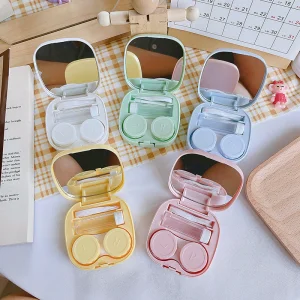
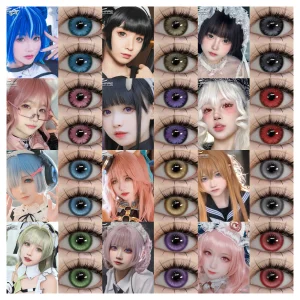
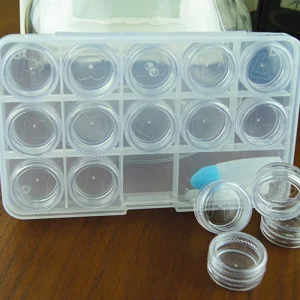
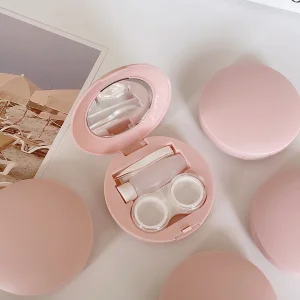
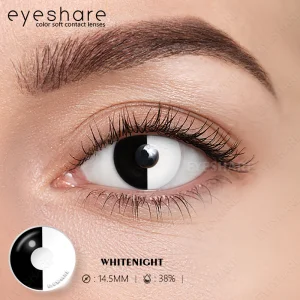
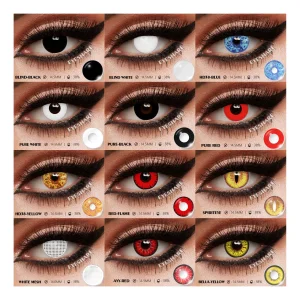
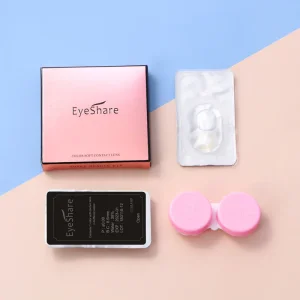
A complete selection of specialty cosplay designs, natural beauty styles, and dedicated lens accessories.

 Chic Contacts