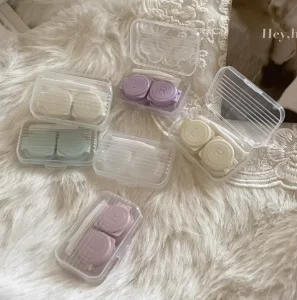
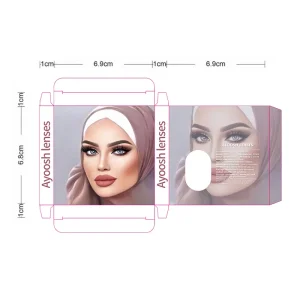
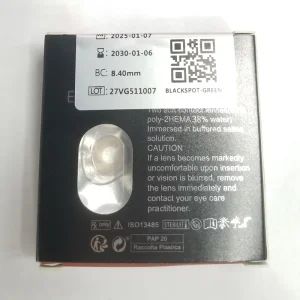
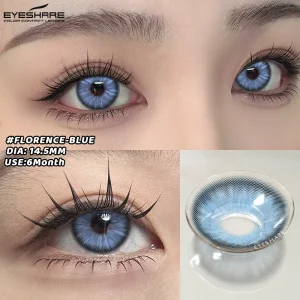
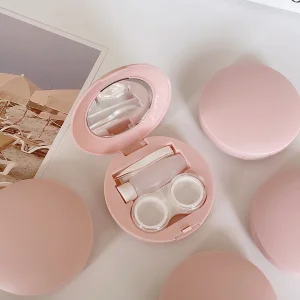
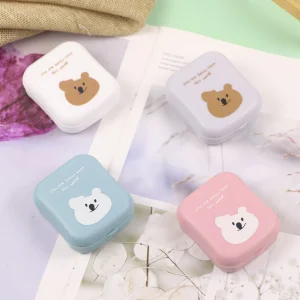
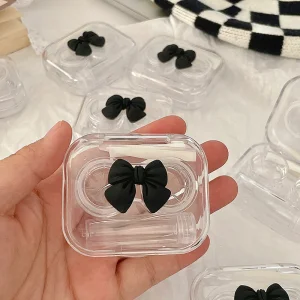
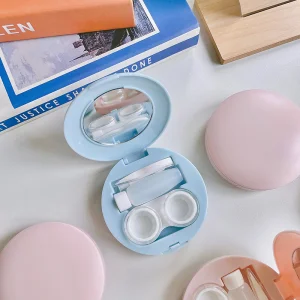
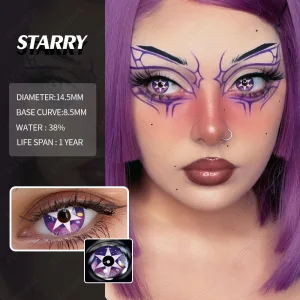
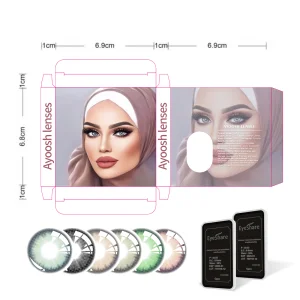
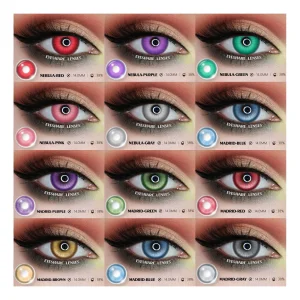
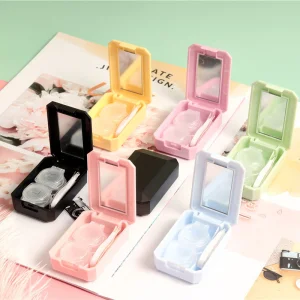
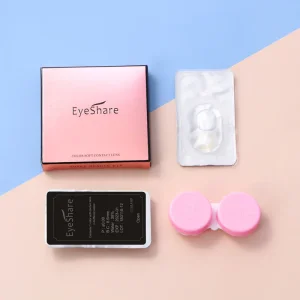
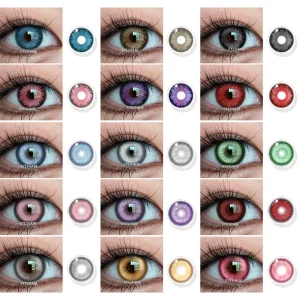
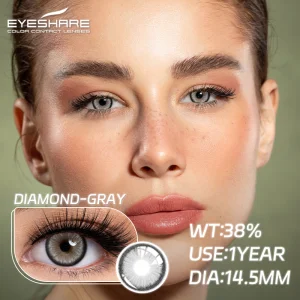
Explore our top-performing optical and cosmetic inventory items featuring advanced materials, robust packaging, and high biocompatibility ratings for international markets.
Analyzing the rise of green contact lenses (olive, jade, emerald, and natural multi-tone blends) in the global optical and cosmetic industries.
The global demand for cosmetic color contact lenses has evolved from basic theatrical novelty items to daily fashion accessories. Among all color options, green contact lenses (including shades such as olive, gemstone green, forest green, and hazel-green) pose specific manufacturing challenges. Achieving high opacity to cover dark irises naturally while ensuring optimal physiological health requires high-precision printing technologies like micro-encapsulated "sandwich" layering.
For global procurement managers, optical distributors, and e-commerce brand owners, selecting the right manufacturer requires assessing more than just aesthetics. A deep technical audit must evaluate polymer chemistry, automated production yield rates, sterility compliance, and clinical safety records. This document offers a thorough analysis of top manufacturing hubs, with a particular focus on the cost-efficiency and quality innovations found in South China's contact lens factories.
About Dongguan Chic Contacts Co., Ltd.: Founded in Dongguan, China, Dongguan Chic Contacts Co., Ltd. is a leading, specialized manufacturer dedicated to the research, development, and high-volume production of premium contact lenses and colored cosmetic lenses.
Operating from a state-of-the-art, GMP-standard cleanroom facility, they combine advanced cast-molding technologies with automated production lines to deliver lenses with exceptional oxygen permeability, moisture retention, and centration. Their robust supply chain supports an extensive portfolio, ranging from daily disposables to yearly replacement lenses, utilizing market-proven materials like Hydrogel and Hema.
As a trusted global OEM/ODM and private-label partner, Chic Contacts strictly adheres to international quality management systems, ensuring products meet stringent global regulatory standards (CE/ISO). From custom pattern design and fast prototyping to mass production and compliant packaging, they provide end-to-end manufacturing solutions that empower global eyewear brands, distributors, and fast-fashion labels to scale with confidence.
An inside look at how high-precision cosmetic lenses are engineered, molded, polished, and packaged under sterile conditions inside the ISO-certified facilities of Dongguan Chic Contacts Co., Ltd.
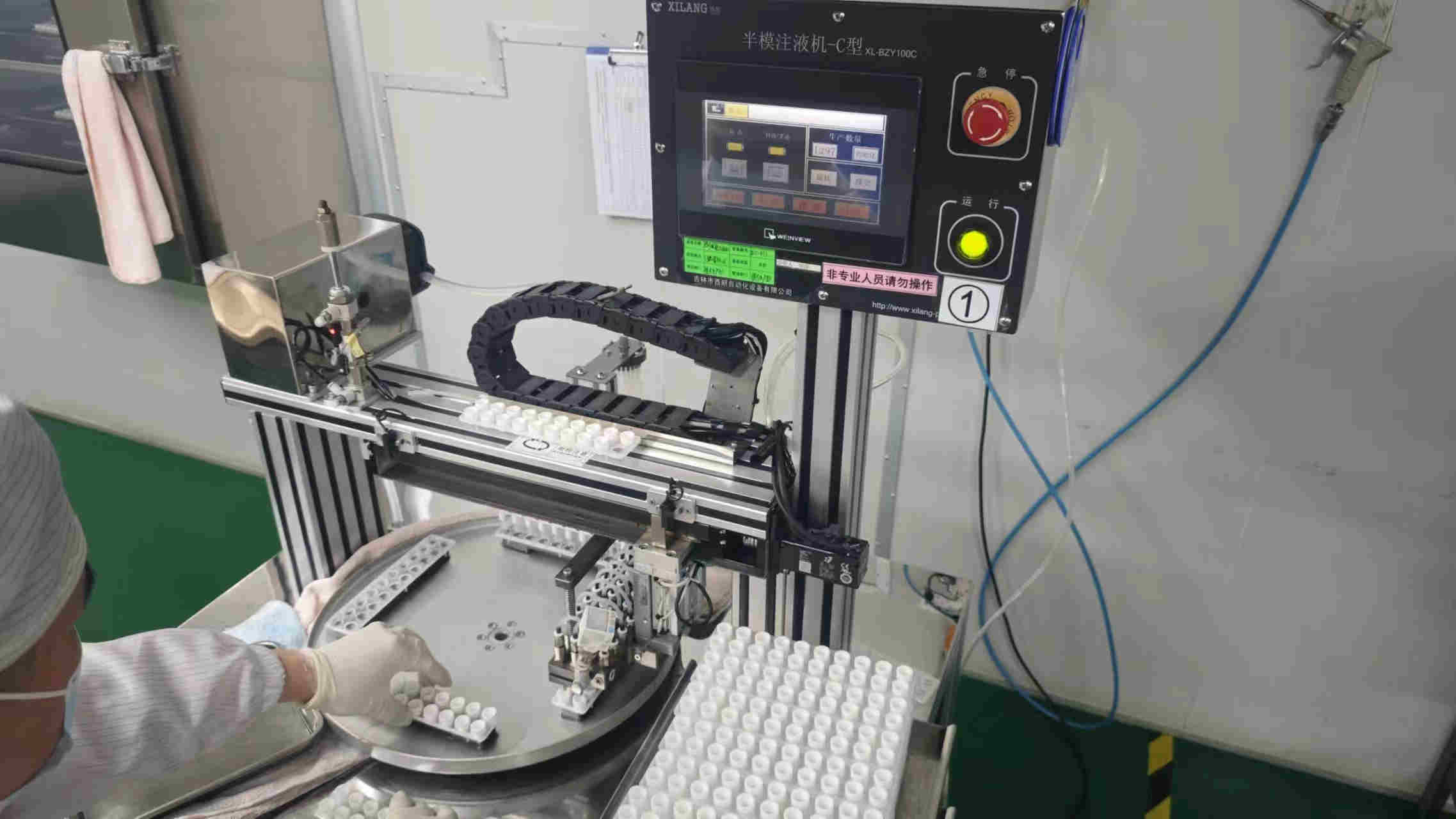
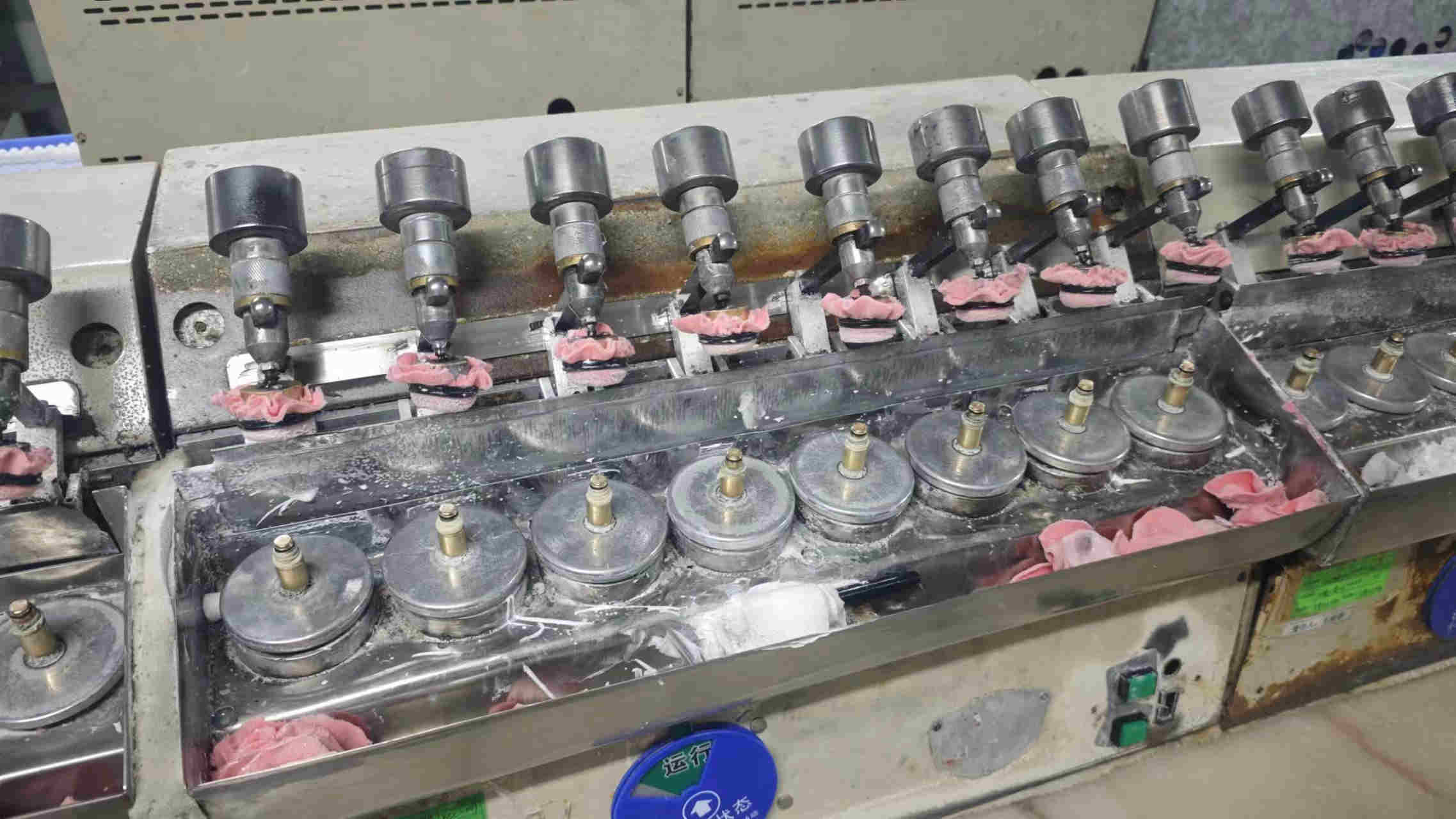
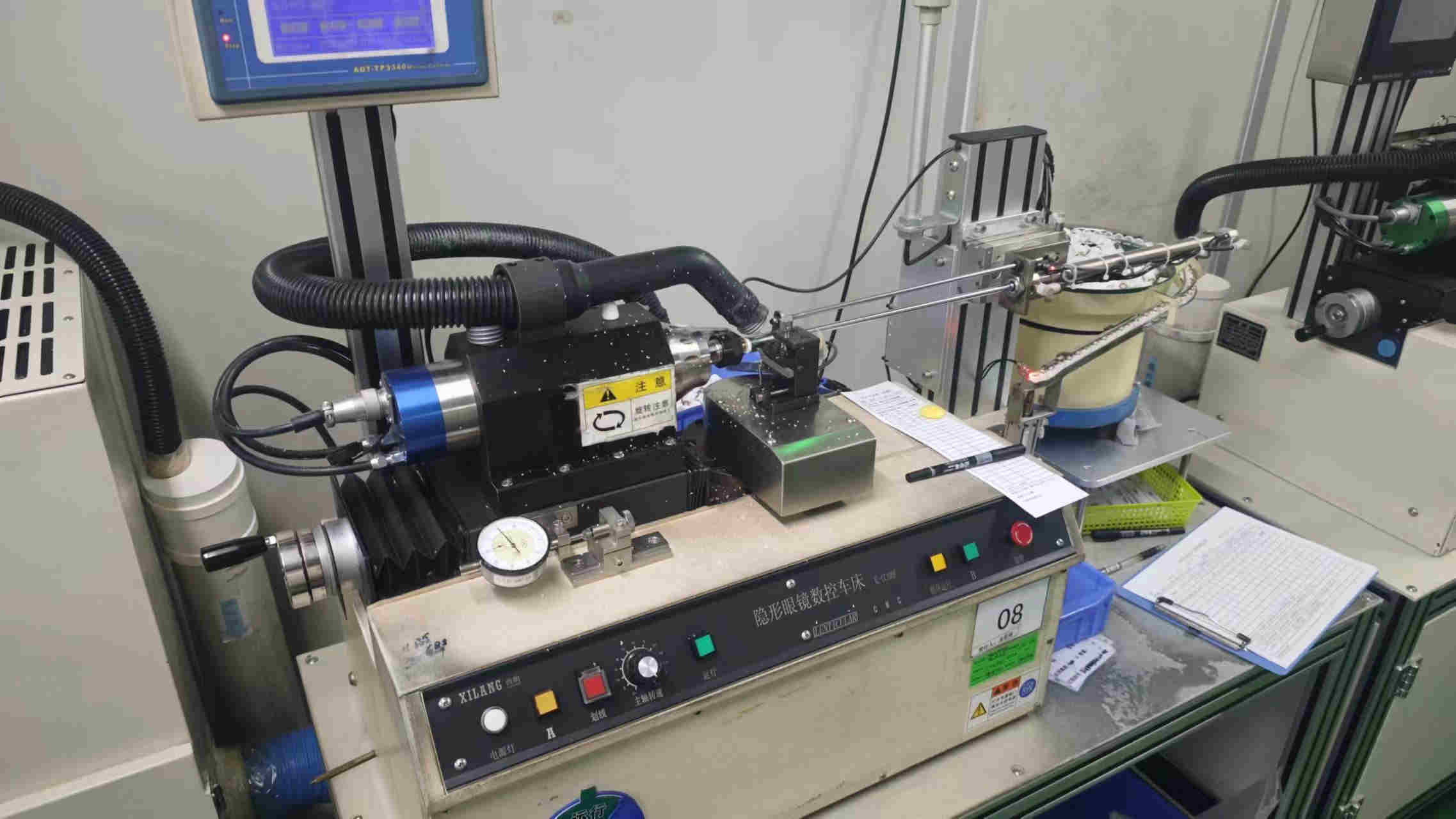
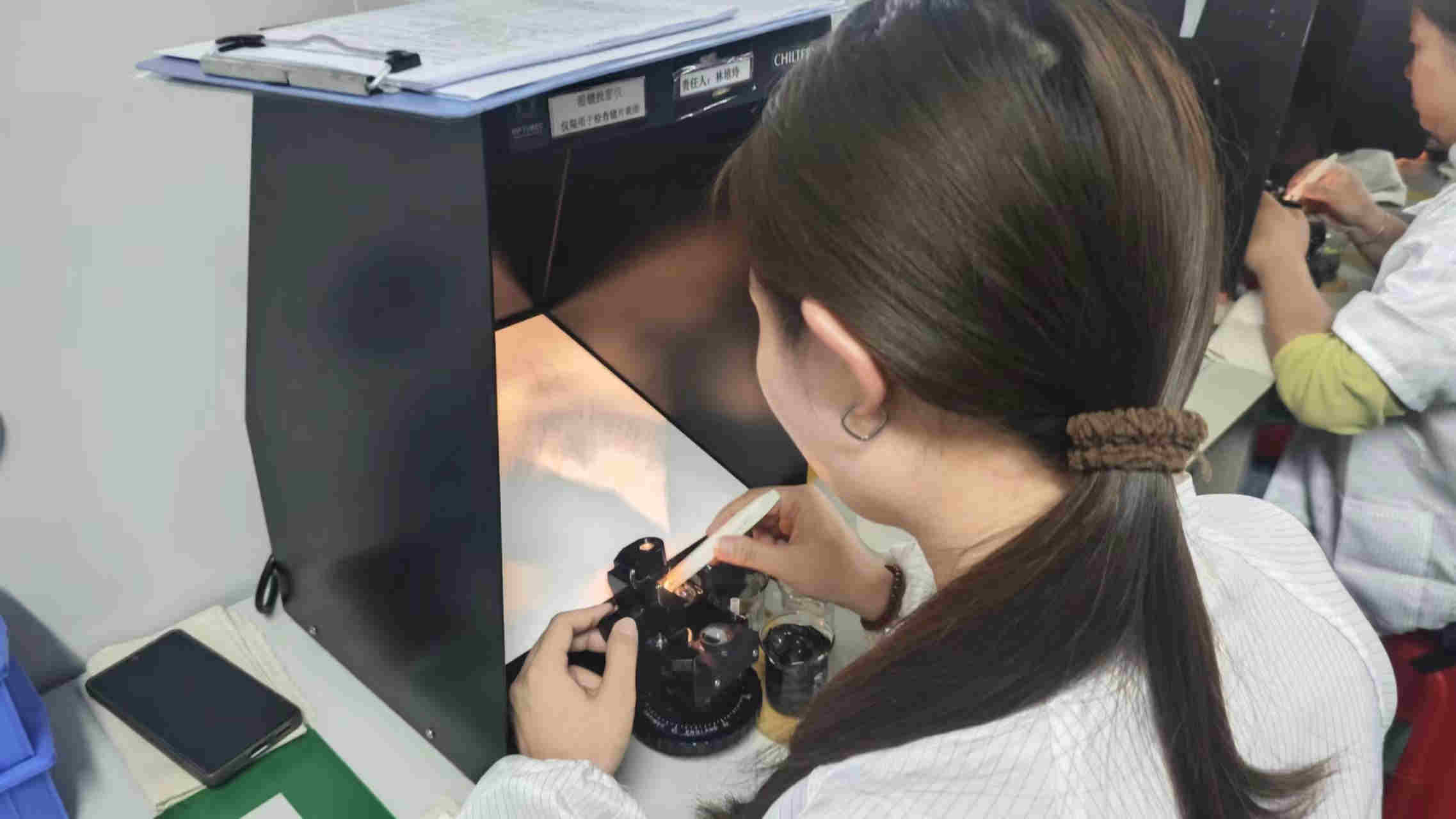
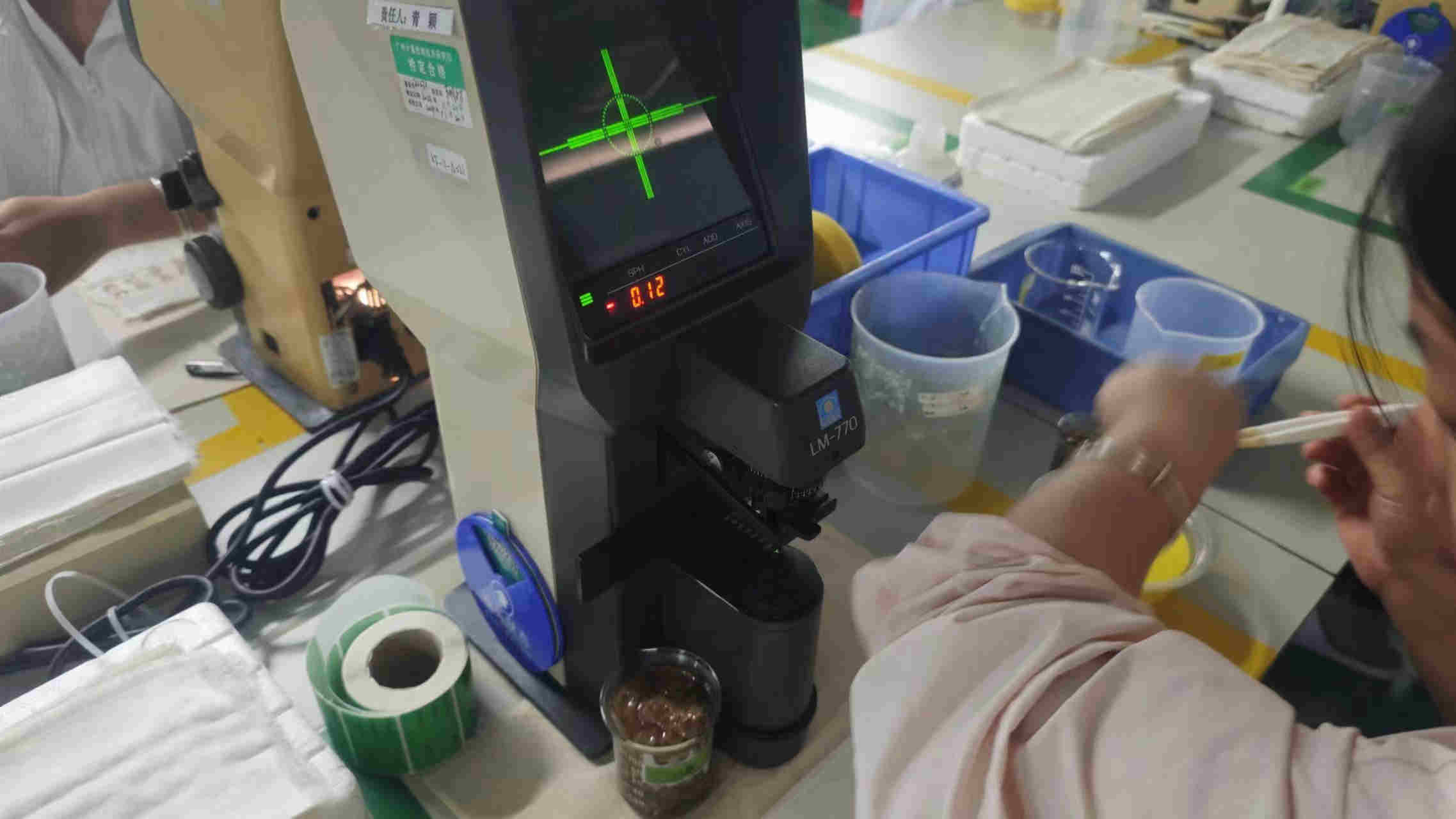
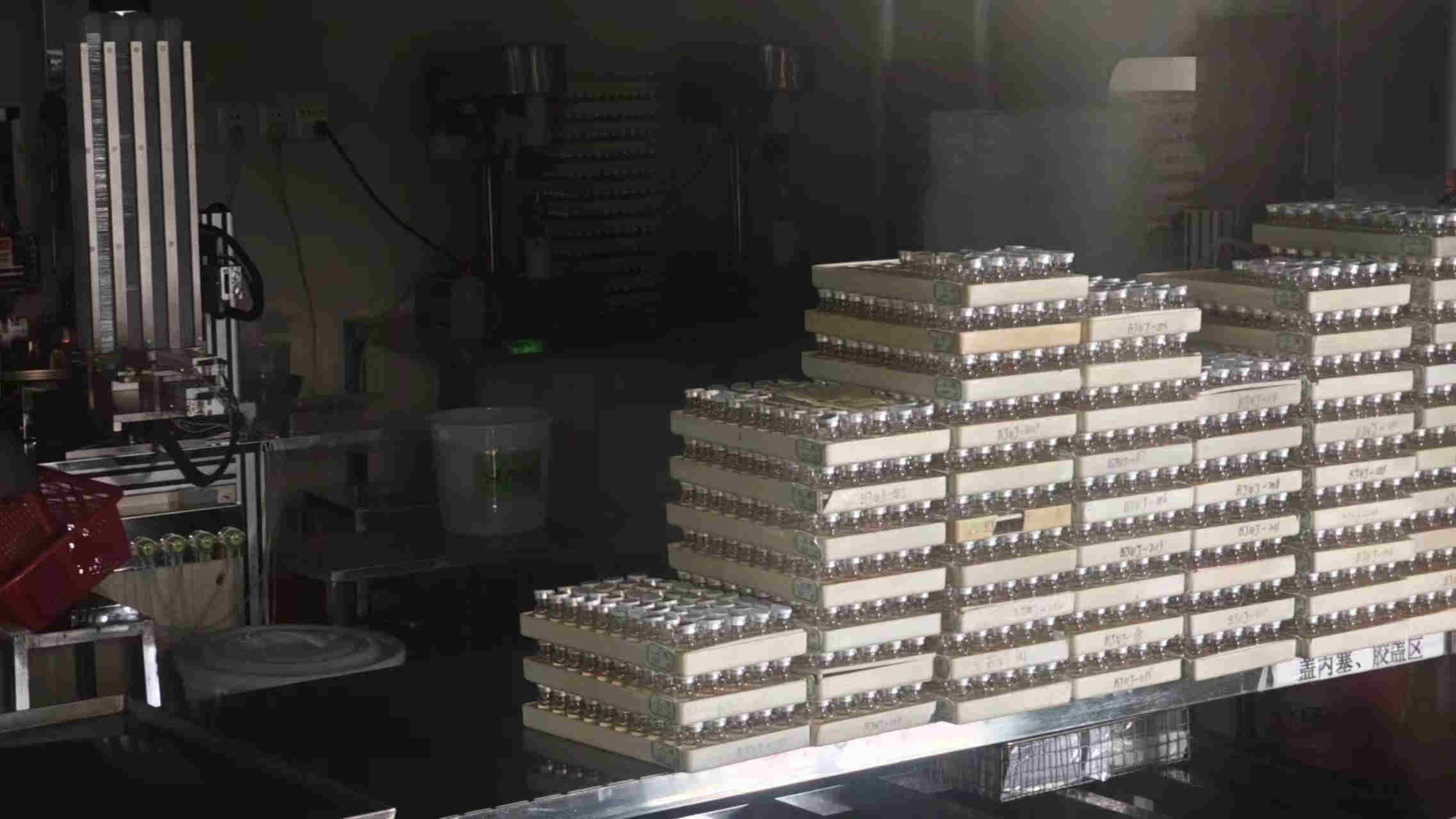
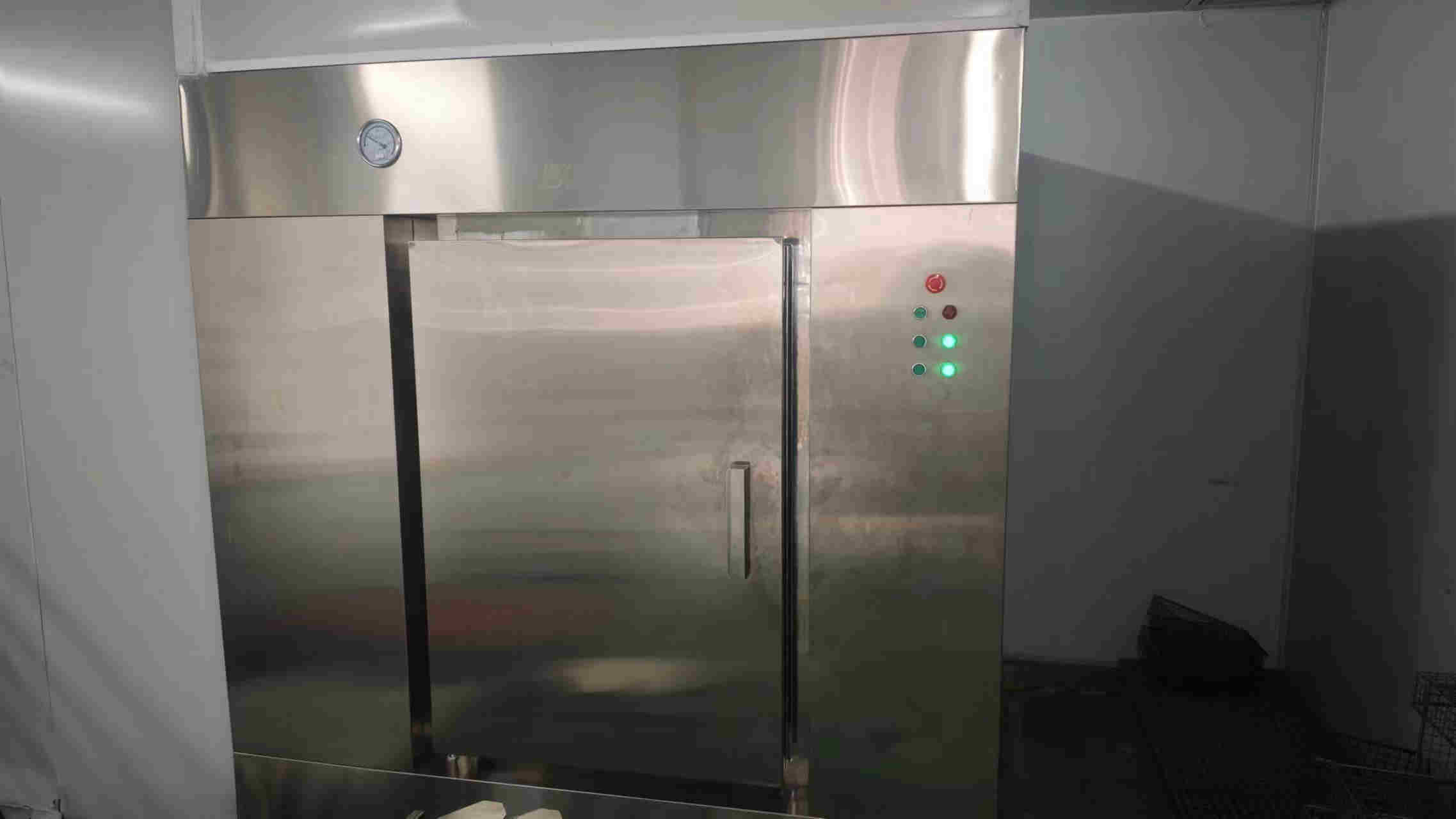
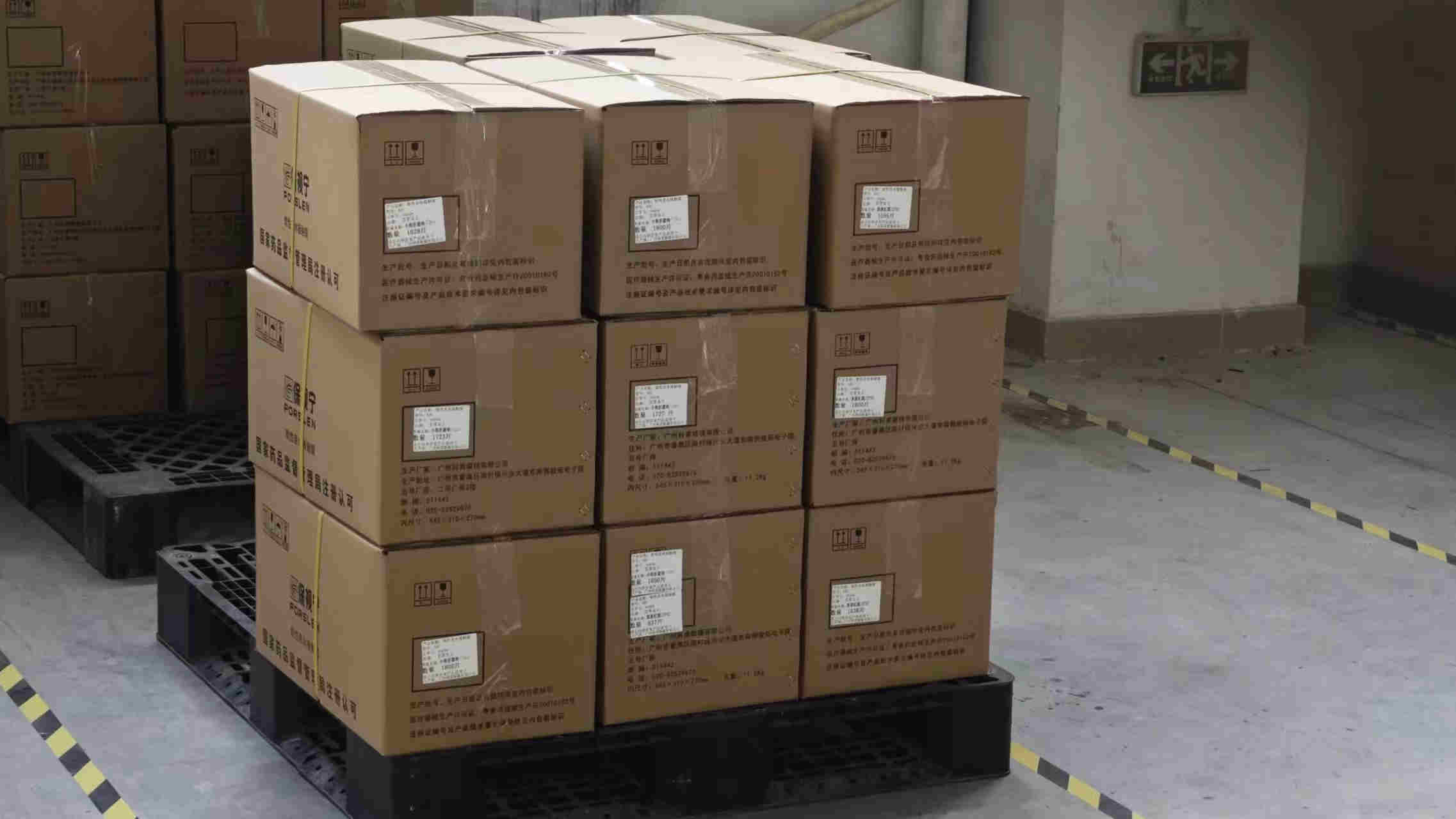
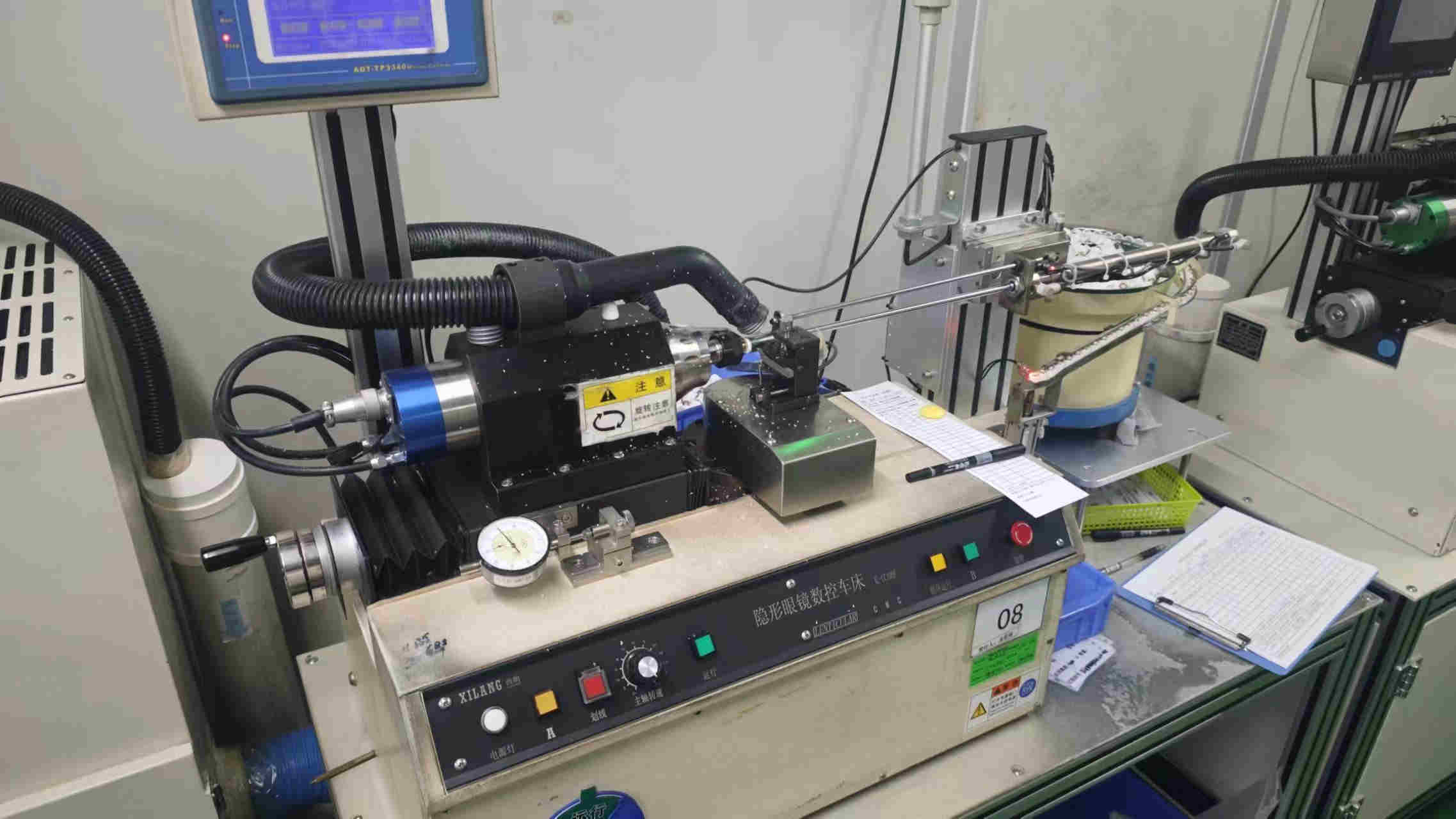
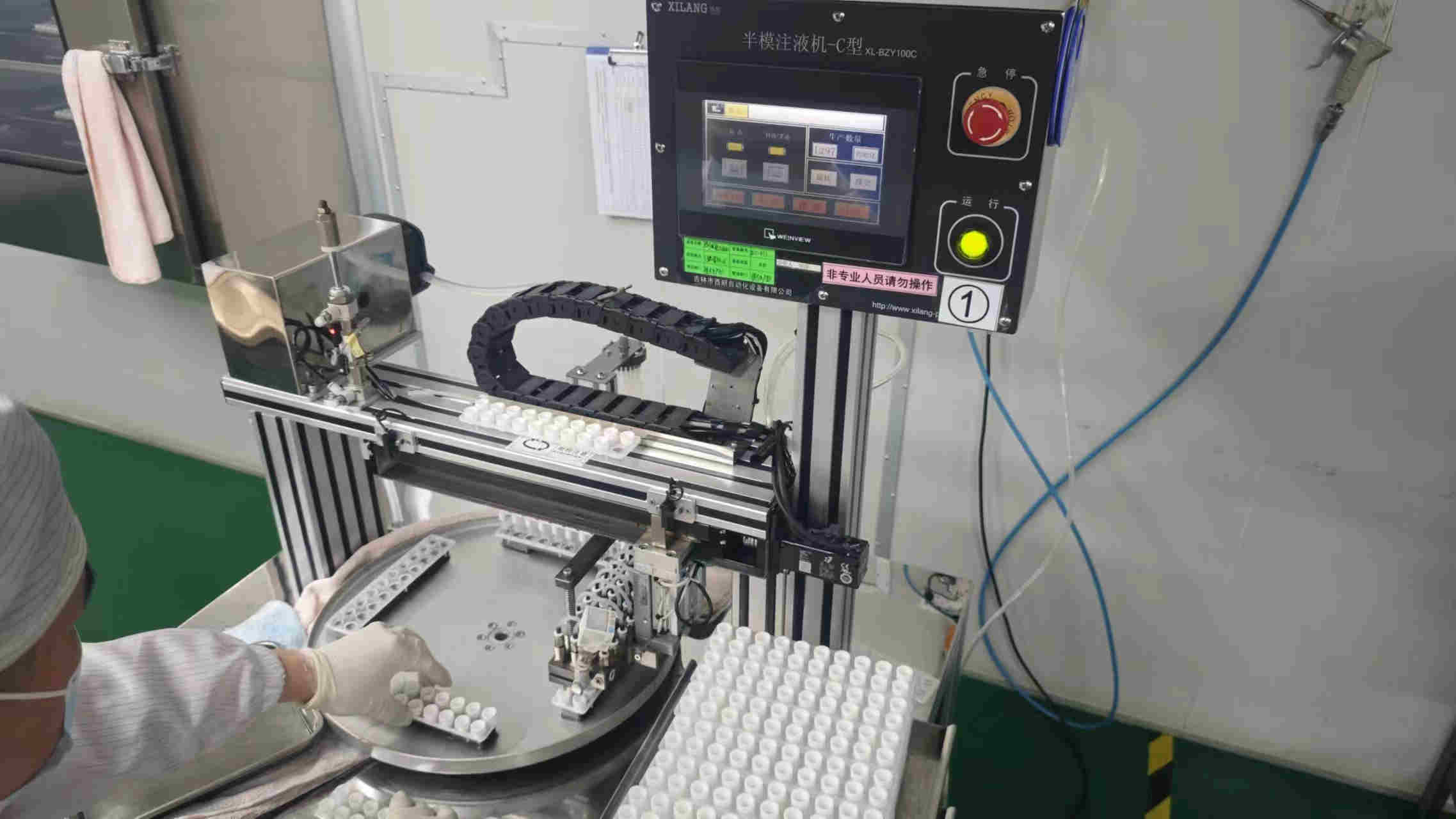
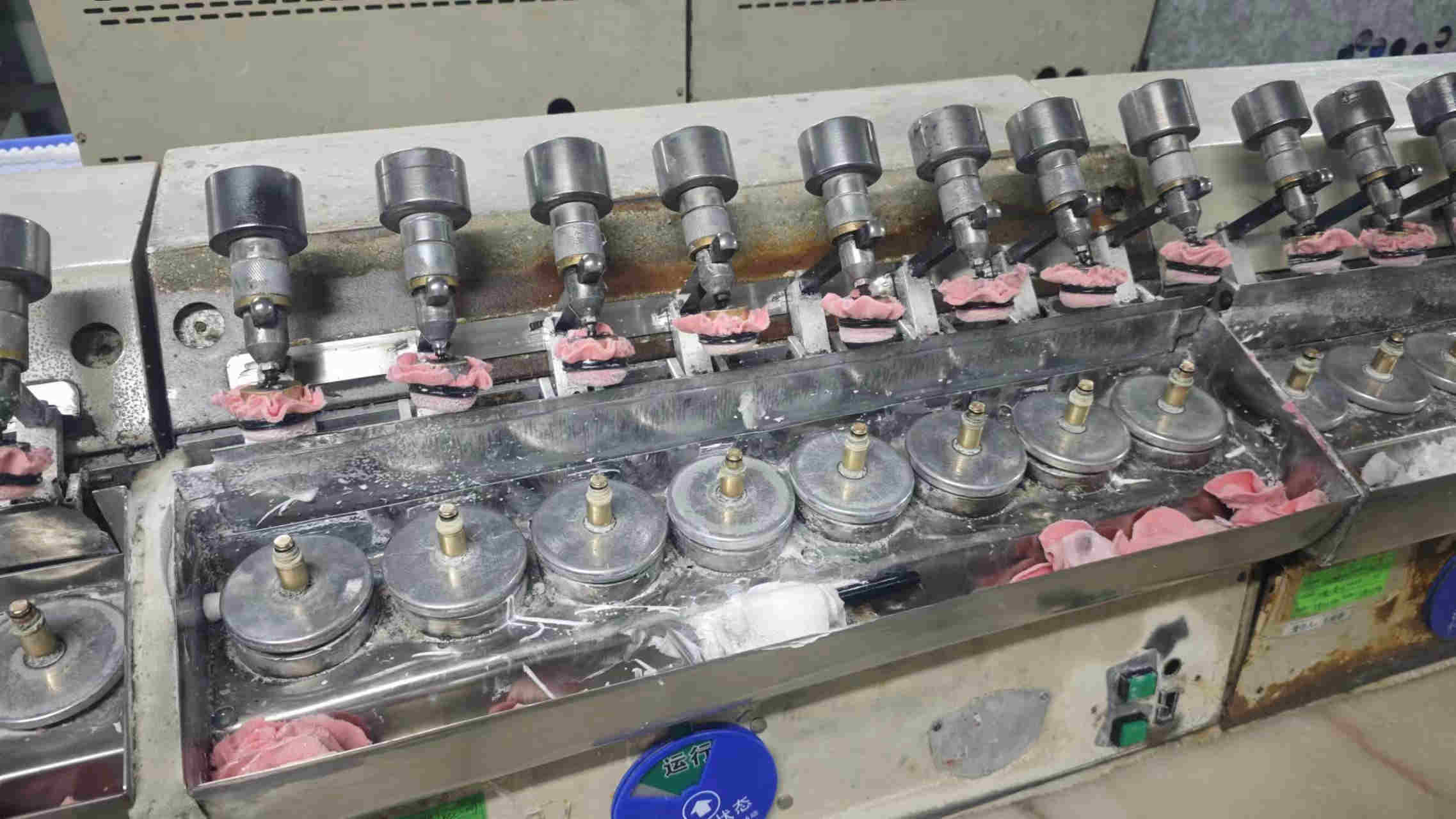
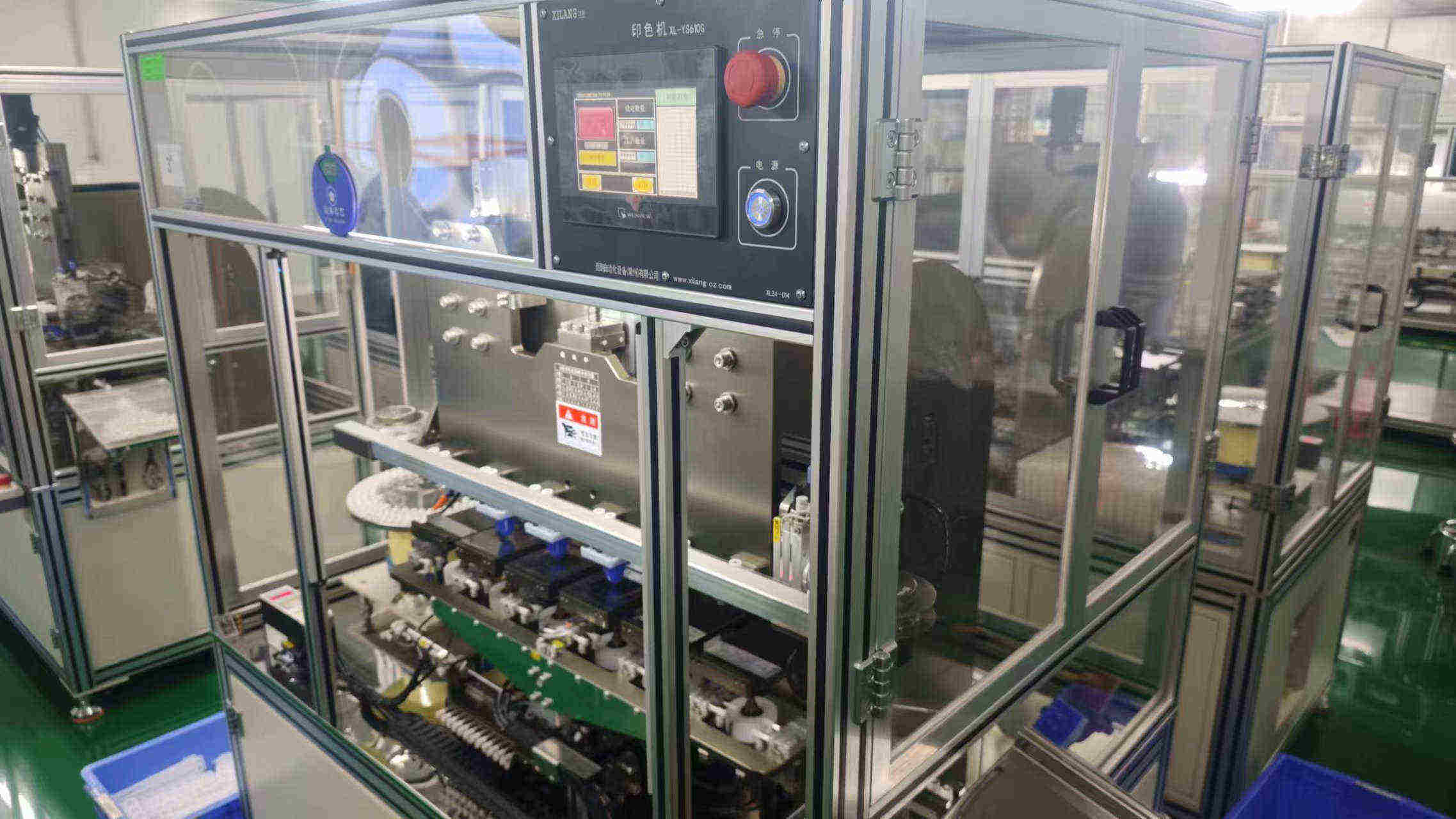
Figure 1: Fully automated visual orientation control system for multi-curve lens verification.
Evaluation of leading manufacturers based on production technology, material science, private label capability, and regulatory compliance.
| Manufacturer / Hub Location | Core Material Tech | Primary Production Method | Moisture Range | Regulatory Compliance |
|---|---|---|---|---|
| Dongguan Chic Contacts Co., Ltd. (China) | HEMA-MAA / Hydrogel | Full Cast-Molding & Double-Sided Injection | 38% - 42% | CE, ISO 13485, GMP Standards |
| Ginko International (Taiwan) | Etanfilcon A / Silicone Hydrogel | High-Speed Automated Cast-Molding | 38% - 58% | FDA, CE, TFDA |
| St. Shine Optical (Taiwan) | Omafilcon A / Hydrogel | Molded Polymerization | 42% - 55% | FDA, CE, ISO |
| Bescon Co., Ltd. (South Korea) | Polymacon / Hydrogel | Cast Molding & Semi-lathe | 38% - 45% | CE, KFDA, ISO |
| Innovision (Taiwan) | HEMA / Hydrogel | Cast-Molded Sandwich Tech | 38% - 42% | CE, TFDA |
| Polytouch Co., Ltd. (South Korea) | HEMA-NVP / Hydrogel | Double-sided Cast Molding | 42% - 48% | CE, ISO, KFDA |
| Interojo (South Korea) | Silicone Hydrogel / Hydrogel | Ultra-precision Cast Molding | 43% - 58% | FDA, CE, KFDA |
| Hydron (China/Taiwan) | Non-ionic Hydrogel | Spin-cast & Lathe Cutting | 38% - 45% | NMPA, CE, ISO |
| Medios (South Korea) | HEMA Base | Cast Molding | 38% - 43% | CE, ISO, KFDA |
| Pegavision (Taiwan) | Silicone Hydrogel | Automated Robot-Cast Line | 45% - 58% | FDA, CE, TFDA, NMPA |
Factories in manufacturing hubs like Dongguan offer extensive supply chain integration. From sourcing medical-grade polymers to automated injection tooling and high-capacity sterile packaging lines, China manufacturers reduce lead times and keep tooling costs competitive. B2B buyers benefit from streamlined OEM/ODM customization services, including custom printing adjustments and fast packaging prototyping.
Cosmetic lenses are shifting from traditional hydrogels to advanced HEMA-MAA copolymers and silicone hydrogels. This transition increases the oxygen transmission rate (Dk/t), helping prevent corneal hypoxia. Current B2B inquiries prioritize materials that offer high water retention alongside high oxygen transmissibility, particularly for daily disposable products.
Market segmentation reveals three main B2B customer bases: 1) Daily Cosmetics: Natural 3-tone green and hazel lenses designed to blend with dark eyes for office and casual wear. 2) Cosplay & Halloween: High-opacity, vibrant green, and Sharingan-inspired designs. 3) Prescription Colored Lenses: Dual-purpose optical correction and cosmetic enhancement.
Launching or scaling a cosmetic lens brand involves managing complex regulatory requirements. In the European Union, colored contact lenses are classified as Class IIa/IIb medical devices under the Medical Device Regulation (MDR). In the United States, they are regulated as Class III medical devices requiring 510(k) clearance.
To navigate these regulations, top-tier factories like Chic Contacts provide complete documentation compliance support, including batch sterility certifications, biocompatibility assay reports, and material safety data sheets (MSDS). Partnering with a manufacturer that has pre-cleared certifications simplifies the path to market clearance for global importers.
Addressing common questions regarding production quality, material safety, customization, and logistical processes in colored lens manufacturing.
Explore our secondary catalog of premium yearly lenses, custom paperboard boxes, and high-performance cases for global distributors.
 Chic Contacts