Industrial Standards, Advanced Materials Technology, and Global Manufacturing Distribution Systems
High-precision contact lenses and OEM-manufactured protective packaging accessories compiled for global distributors.
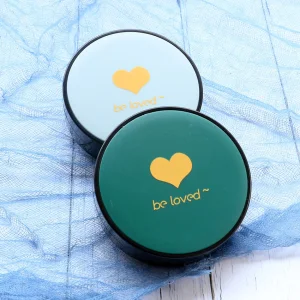
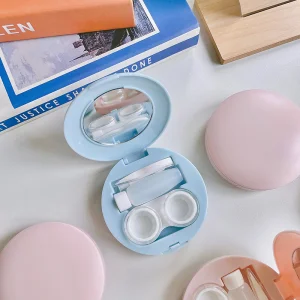
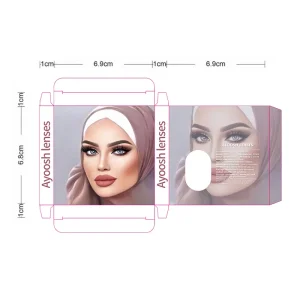
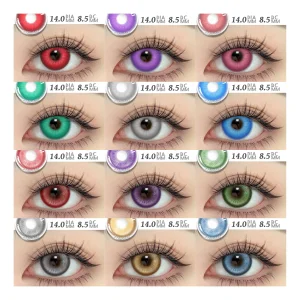
The global ophthalmic market is witnessing an unprecedented shift towards functional, high-performance light filtering ocular systems. Historically used as standard corrective wear, modern optical polymers are now formulated to actively modulate the visible light spectrum. High-energy visible (HEV) blue light (400nm to 450nm) and ultraviolet (UV) radiation (UVA and UVB) represent significant contributors to oxidative ocular stress, macular degeneration, and visual fatigue.
As digital device penetration surpasses 85% of the global active workforce, B2B procurement vectors have pivoted. Importers, optometrists, and cosmetic eyewear brands are actively seeking certified light-filtering contact lenses that feature optimized pigment distribution without compromising overall oxygen permeability (Dk/t metrics) or moisture levels. The contemporary market segment is no longer driven solely by basic corrective lenses but by multi-layered functional solutions: photoprotection, high contrast enhancement, and biological compatibility.
Understanding how advanced molecular structures selectively block high-energy radiation while ensuring color fidelity.
By incorporating blue-light-absorbing monomers into HEMA/Hydrogel polymer chains, the lens blocks harmful violet-blue rays (415-455nm) while preserving healthy turquoise blue light essential for circadian rhythm regulation.
Advanced sandwich structure printing techniques embed colored pigments safely within the inner lens layers, preventing raw chemical pigments from coming into direct contact with the sensitive corneal epithelium.
Maintaining oxygen transmissibility is critical. High water-retention structures (38% to 55% H2O) prevent corneal hypoxia, allowing tears to circulate efficiently under daily wear conditions.
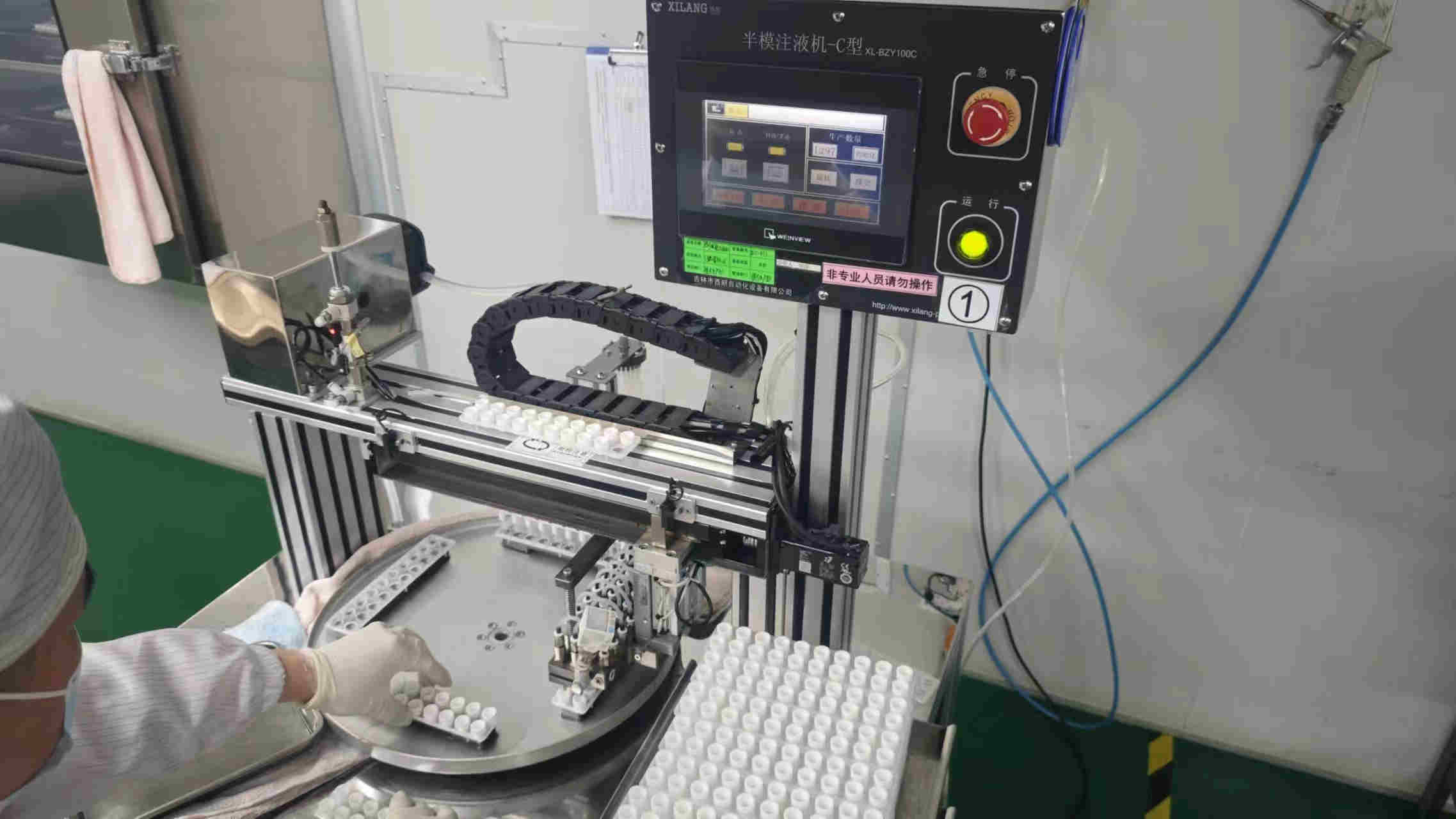
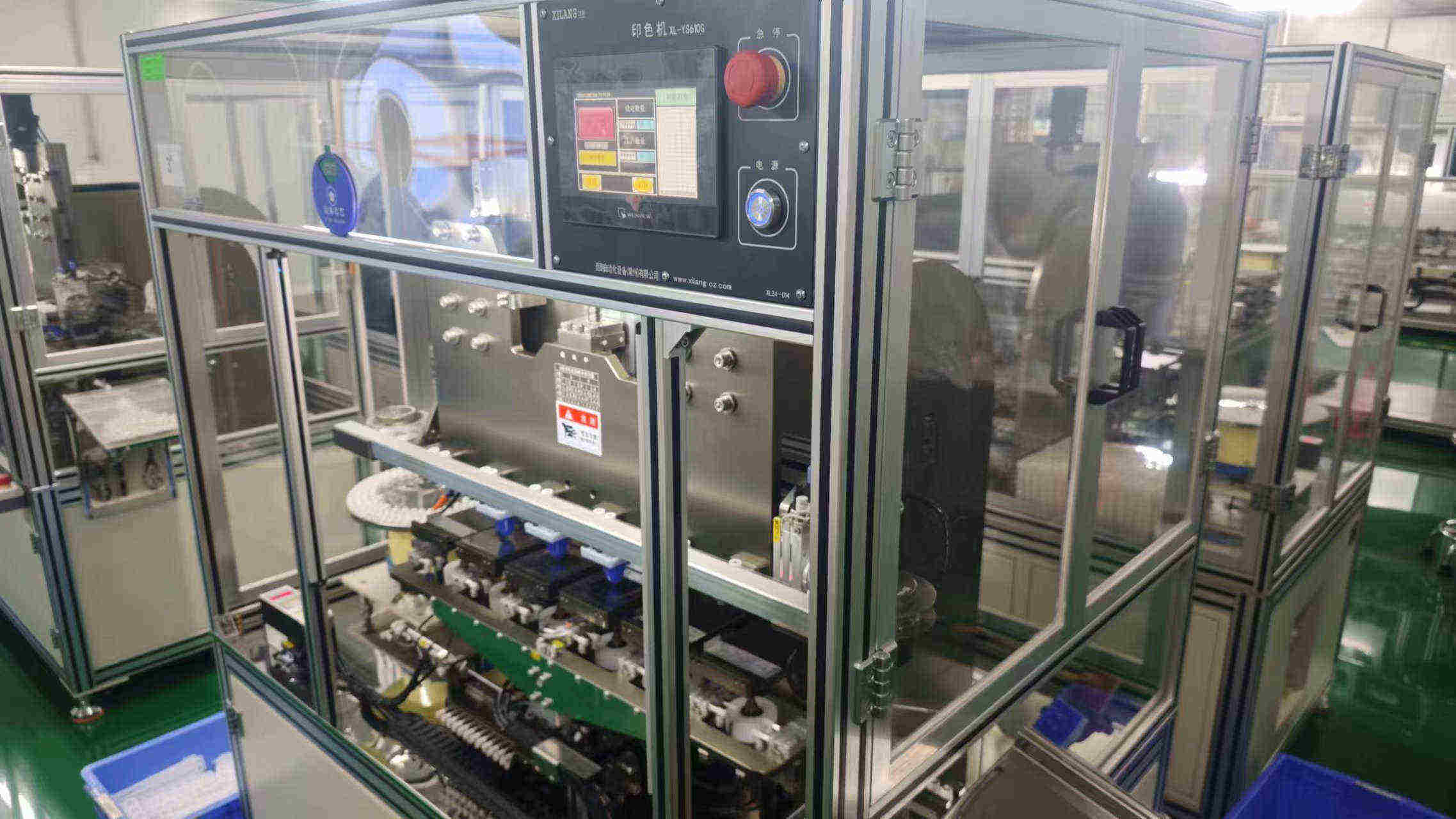
Founded in the industrial hub of Dongguan, China, Dongguan Chic Contacts Co., Ltd. stands as a premier manufacturer specializing in the research, development, and high-volume production of premium contact lenses and colored cosmetic lenses.
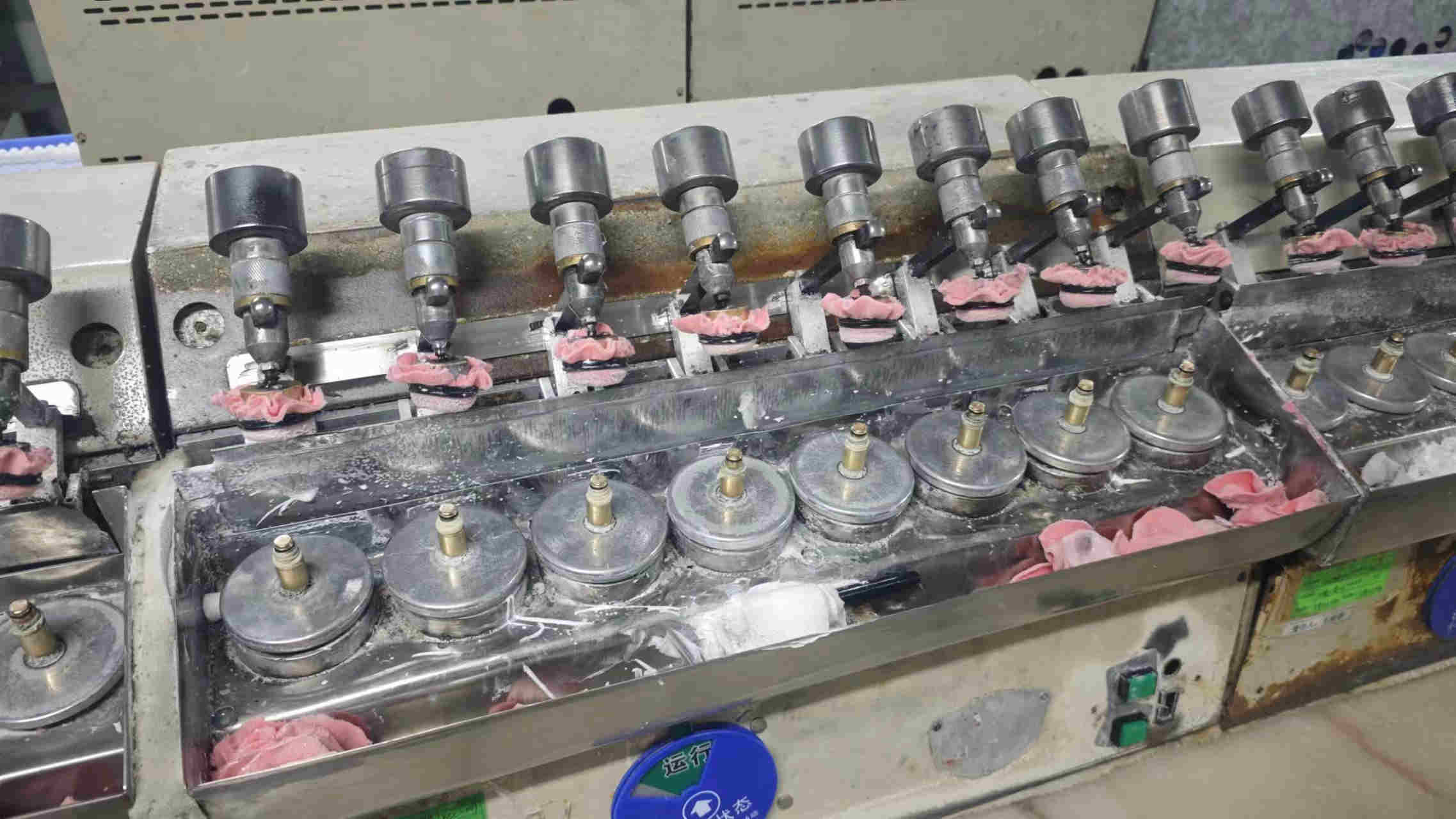
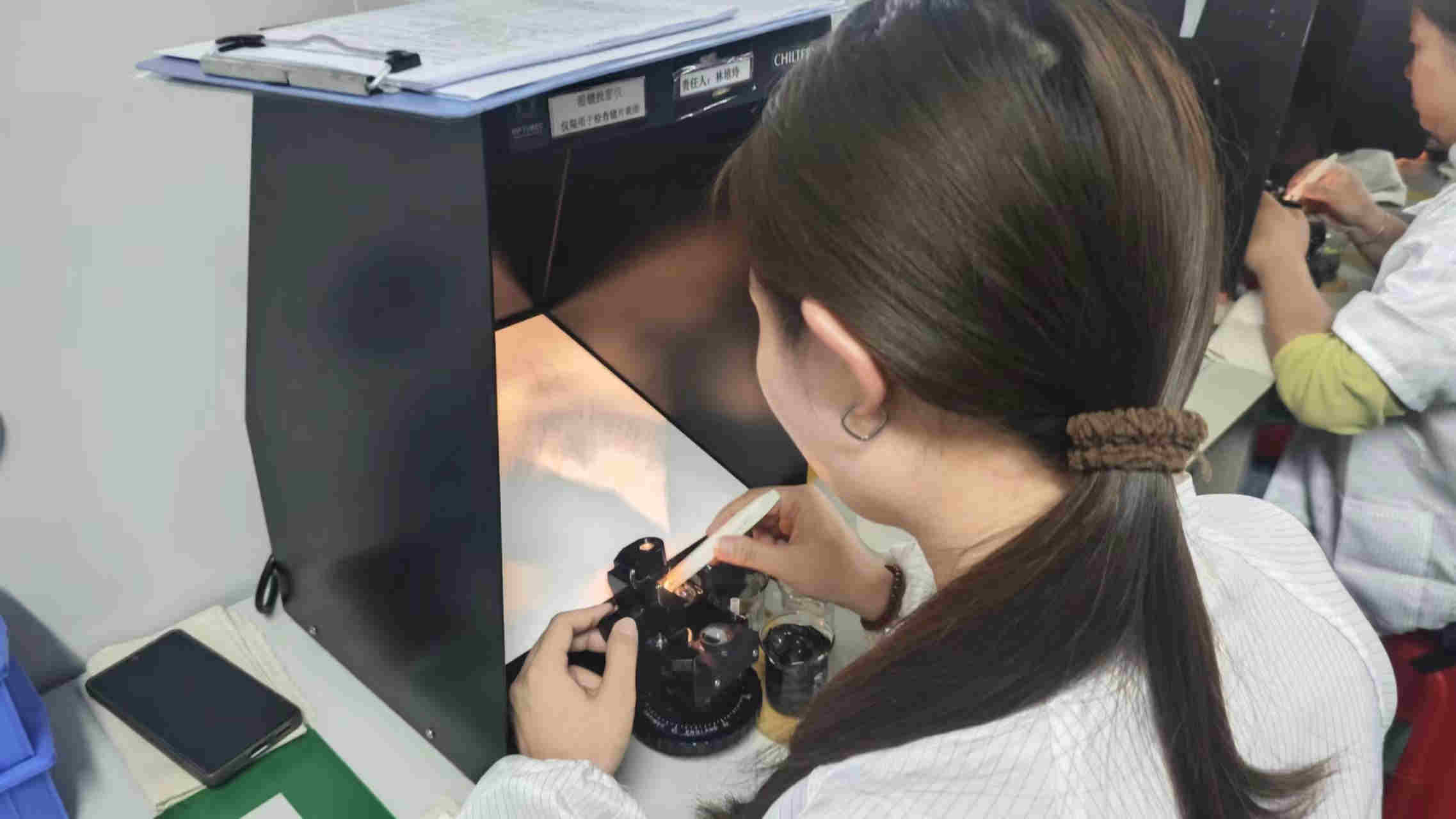
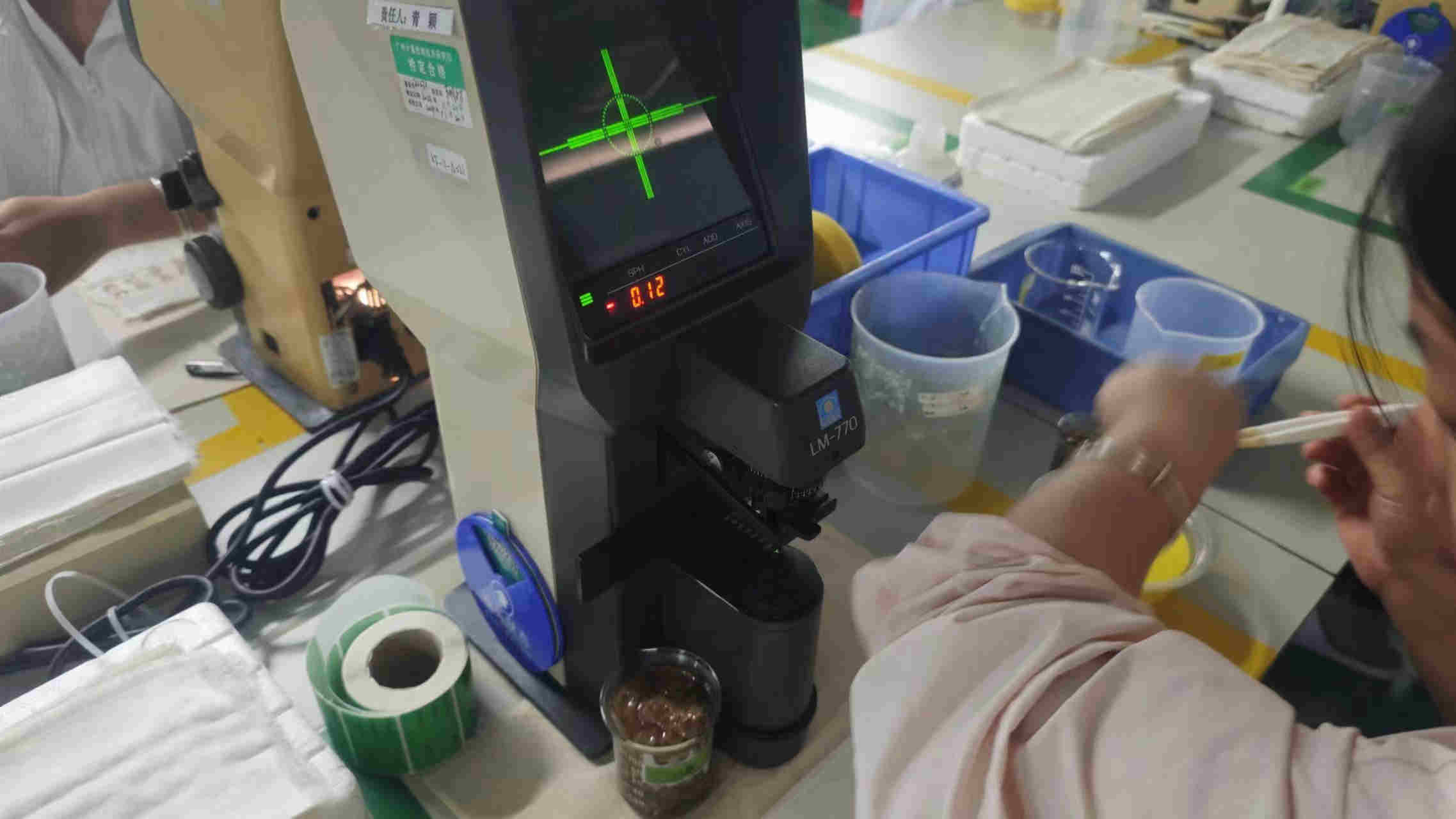
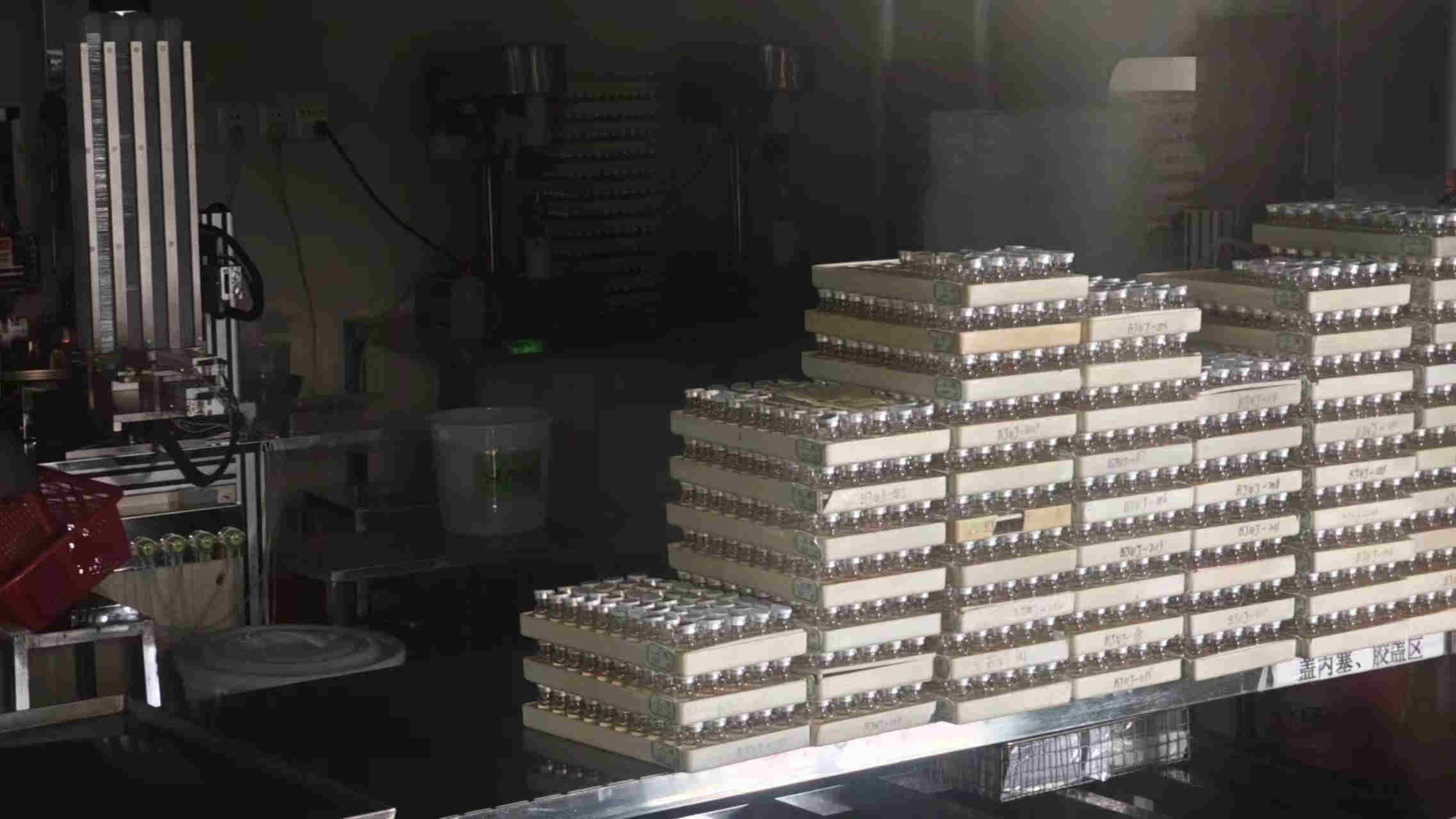
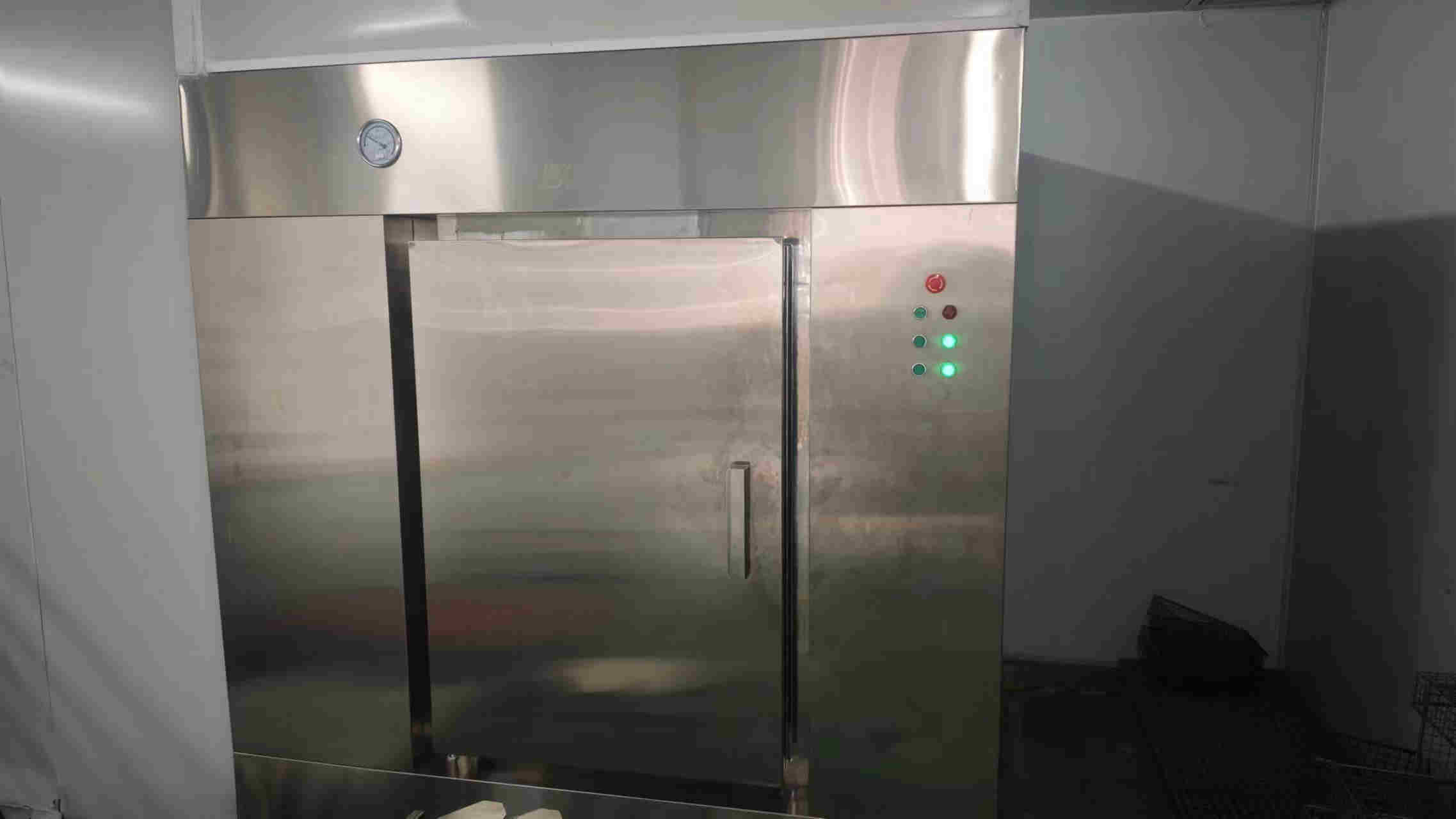
Operating from a state-of-the-art, GMP-standard cleanroom facility, the company integrates advanced cast-molding technologies with automated production lines. The results are contact lenses with exceptional oxygen permeability, moisture retention, and centration. The robust supply chain supports an extensive product portfolio ranging from daily disposables to yearly replacement lenses utilizing market-proven materials like Hydrogel and HEMA.
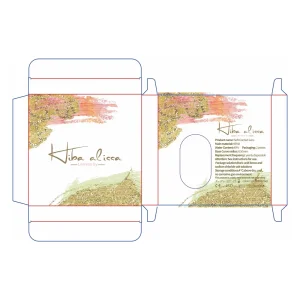
As a trusted global OEM/ODM and private-label partner, Chic Contacts strictly adheres to international quality management systems (CE/ISO). From custom pattern design and fast prototyping to mass production and compliant packaging, we provide end-to-end manufacturing solutions that empower global eyewear brands, distributors, and fast-fashion labels to scale with confidence.
Our facility operates at high efficiency rates, converting premium monomer resins into sterile, ready-to-distribute optical products.
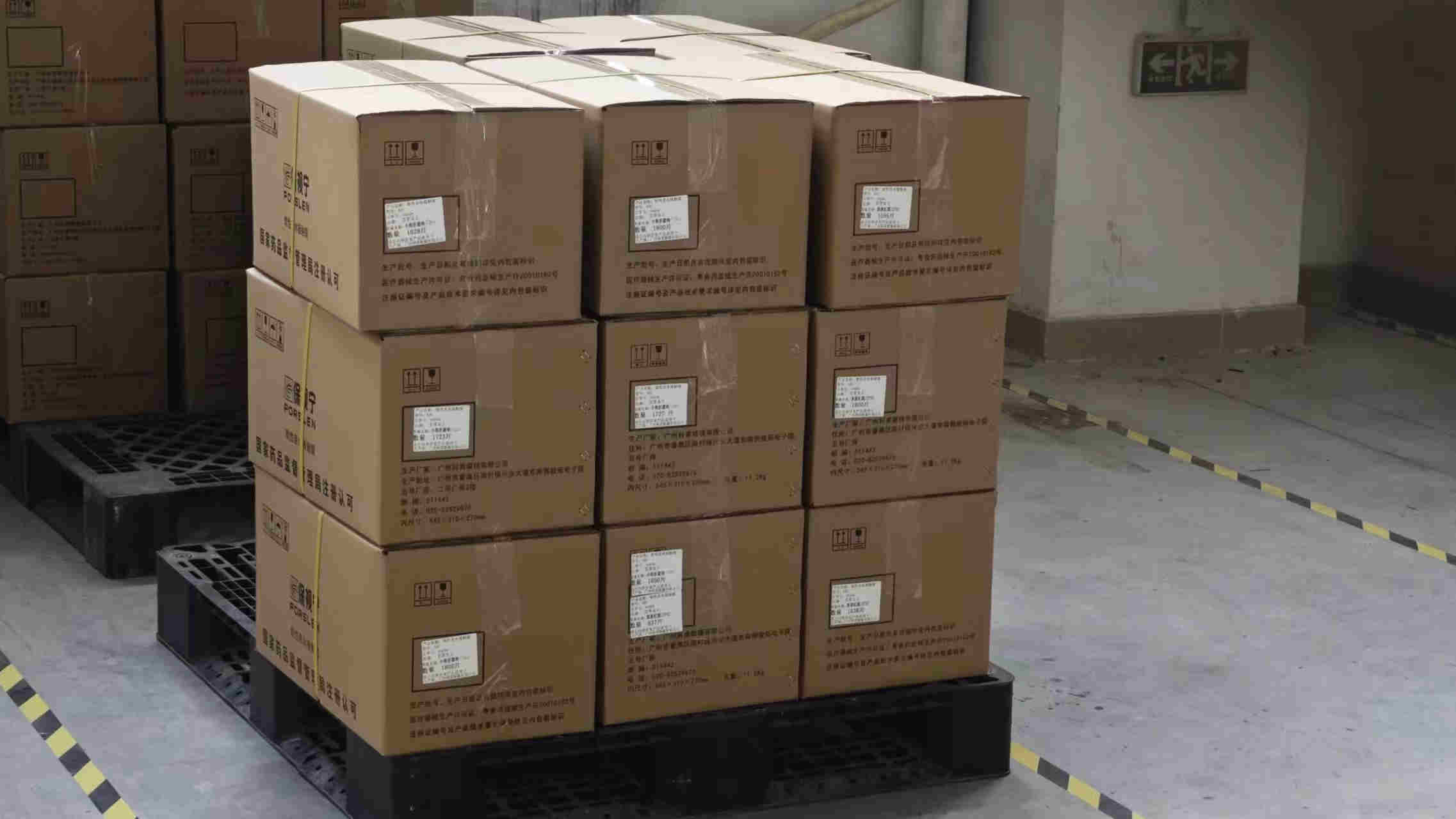
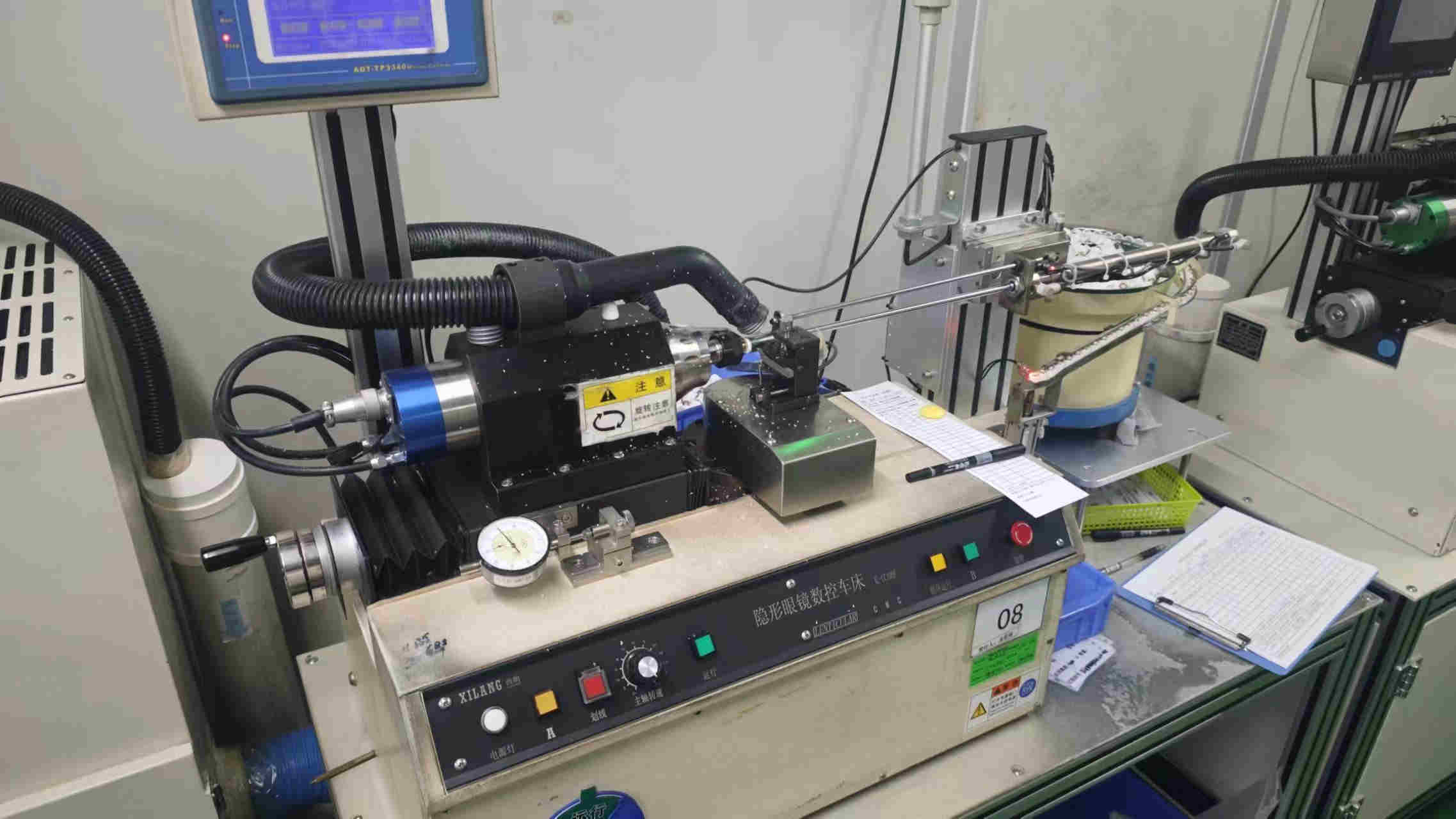
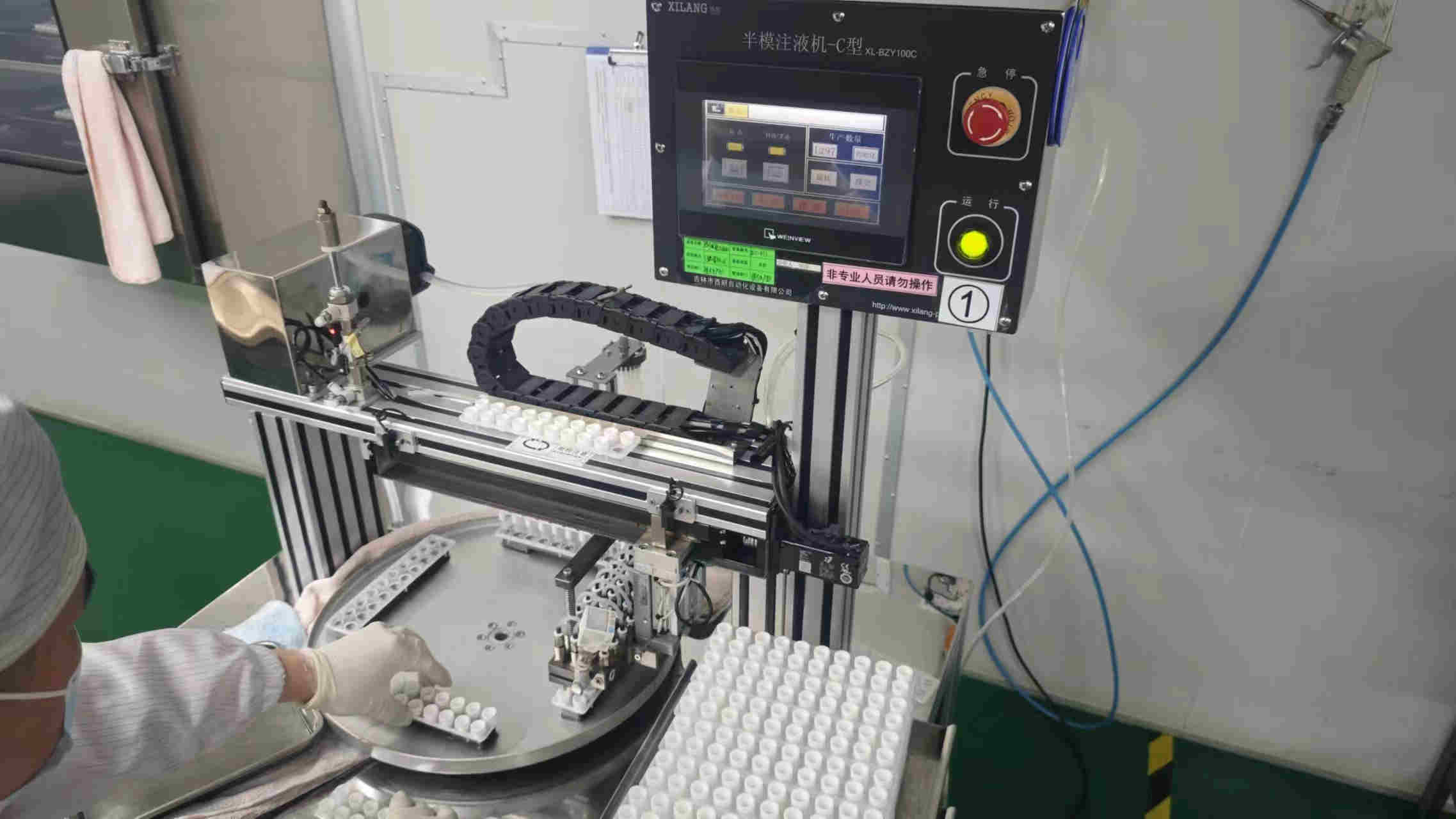
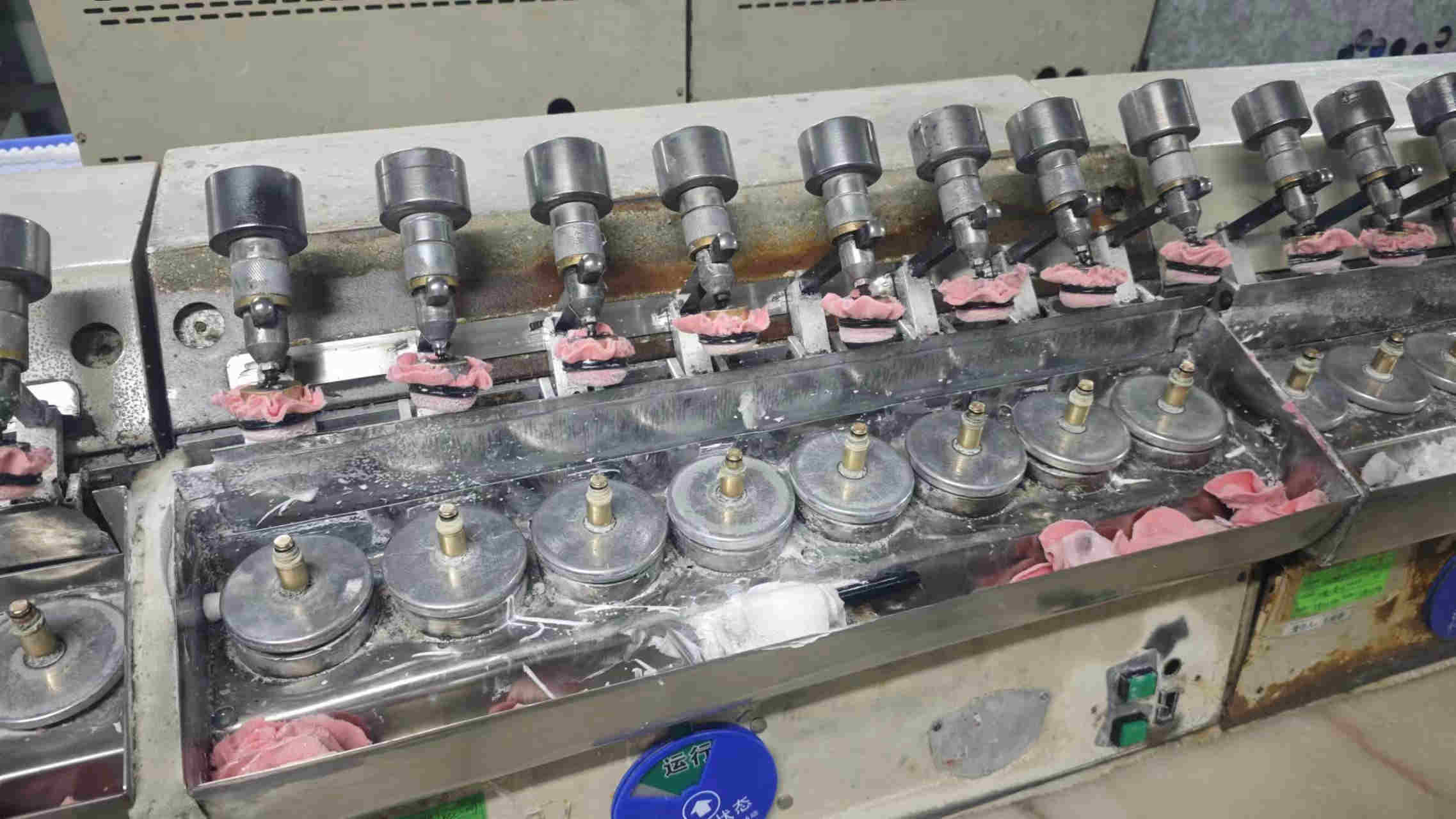
Why sourcing from Dongguan offers massive cost and technical advantages compared to regional alternatives.
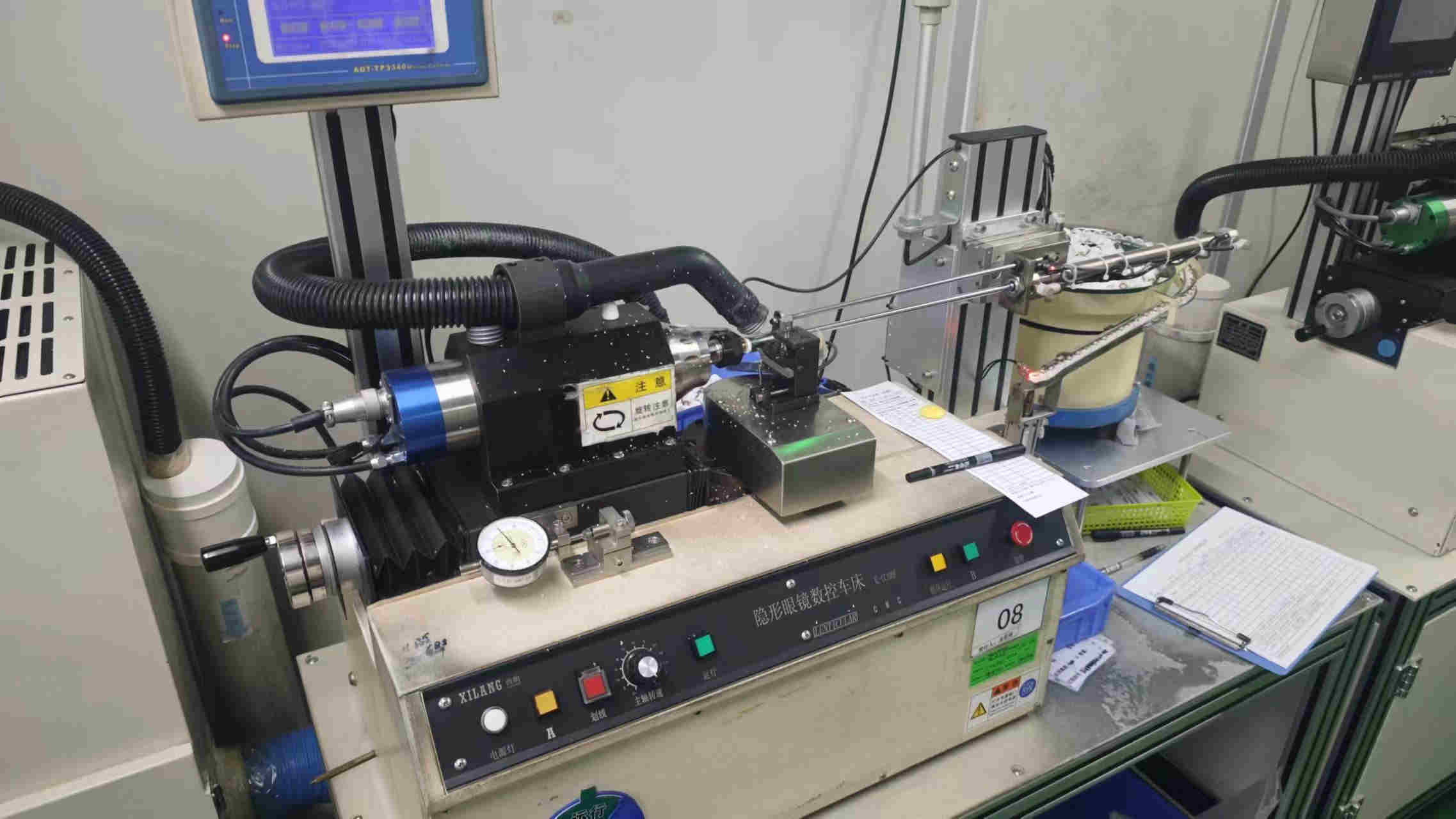
The concentration of precision electronic and chemical manufacturing in the Pearl River Delta provides a highly specialized ecosystem. Dongguan Chic Contacts Co., Ltd. leverages this cluster to lower raw material procurement costs, access local high-precision lathe machinery, and employ specialized chemical engineers who optimize polymer processing. Key logistical and production factors driving this efficiency include:
| Efficiency Metric | Chic Contacts Standard | Industry Average (Global) |
|---|---|---|
| R&D Sample Design Cycles | 7 - 10 Days | 25 - 30 Days |
| Defect Rate (PPM) | < 150 PPM | < 500 PPM |
| Lead Time (Order-to-Ship) | 15 - 25 Days | 45 - 60 Days |
| Compliance Coverage | CE, ISO 13485, MDD | Varies by region |
From daily office work to theatrical performance, functional lenses adapt to diverse consumer lifestyles.
Office workers, software engineers, and financial analysts facing multi-screen setups require continuous filtration of blue light. Light-filtering contact lenses mitigate asthenopia (eye strain) and alleviate dry-eye symptoms caused by reduced blink rates.
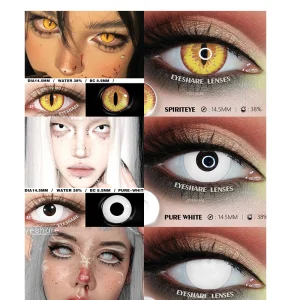
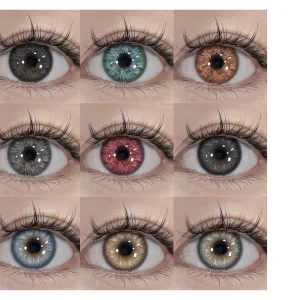
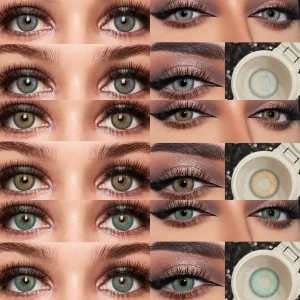
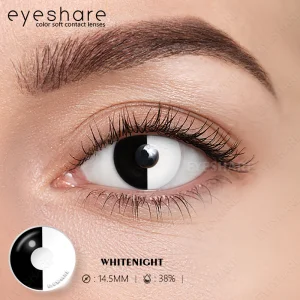
Aesthetics combined with function. Enthusiasts utilizing vibrant themed lenses (such as red sharingan, anime eyes, or starry white configurations) benefit from standard light filtration to shield their eyes from intense convention studio lights and flash photography.
For athletes and outdoor workers, high-contrast filtering enhances depth perception and cuts through atmospheric glare. Our light-filtering materials act as a secondary barrier block against solar UV radiation, maintaining visual acuity in variable terrain.
Looking ahead to 2030, the demand for optical lenses will center on bio-mimetic materials. Standard silicone hydrogel formulations are being updated to include lipid and protein resistance, preventing structural degradation during longer wear. Key industry developments include:
Global procurement teams must shift their sourcing parameters from raw unit cost to overall product security. A single batch rejection by local port customs due to minor documentation failures can disrupt supply operations for months. Partnering with a supplier certified to GMP and MDD standards secures import pathways and provides brands with consistent inventory safety.
Expert answers regarding certifications, materials, customization options, and global shipping policies.
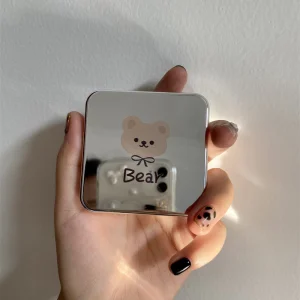
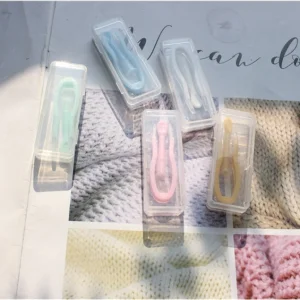
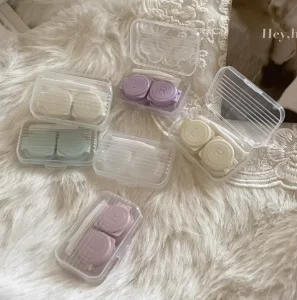
Second set of specialty components, including travel kits, applicator tools, and high-water-retention contact lenses.
 Chic Contacts