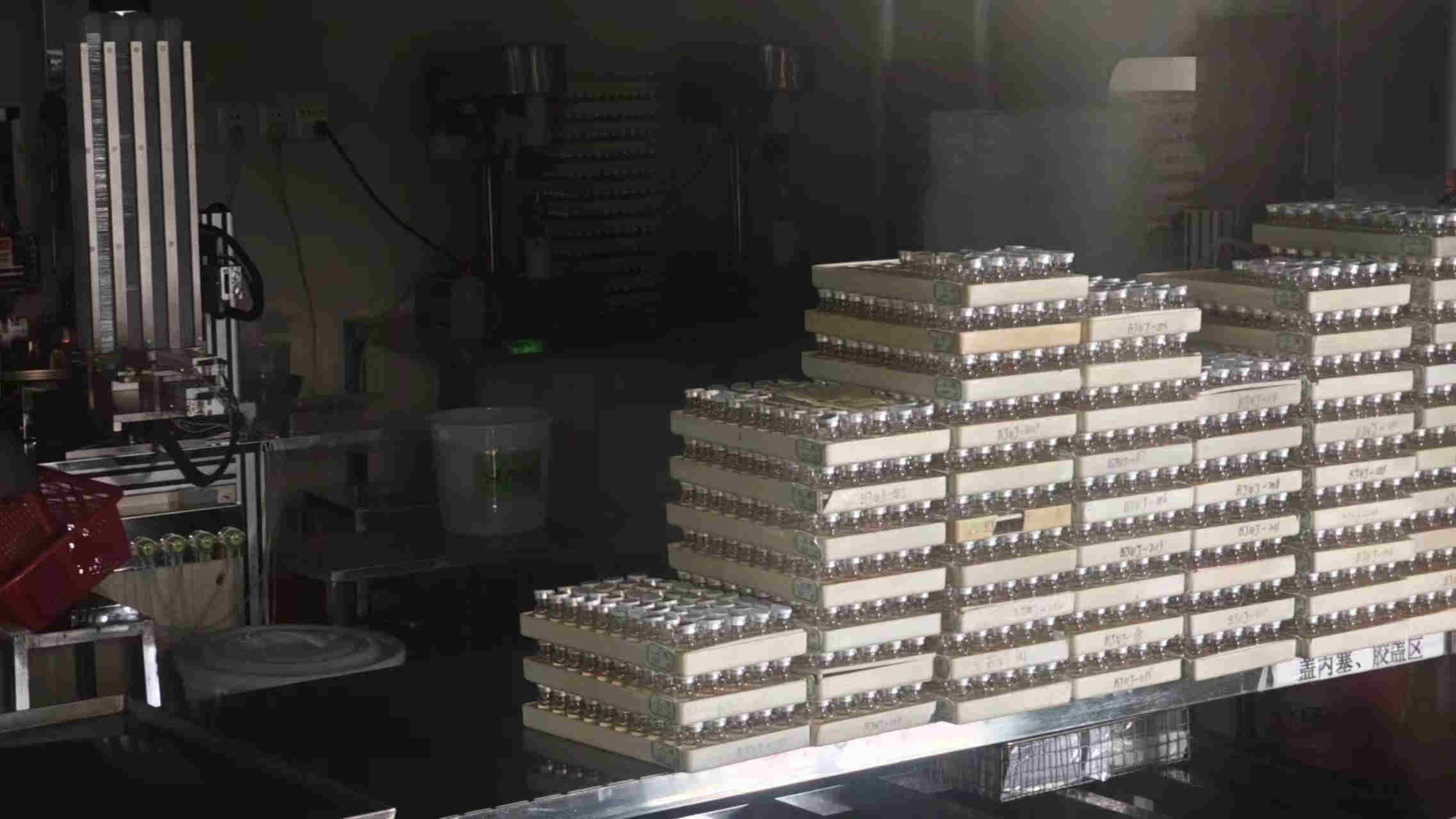
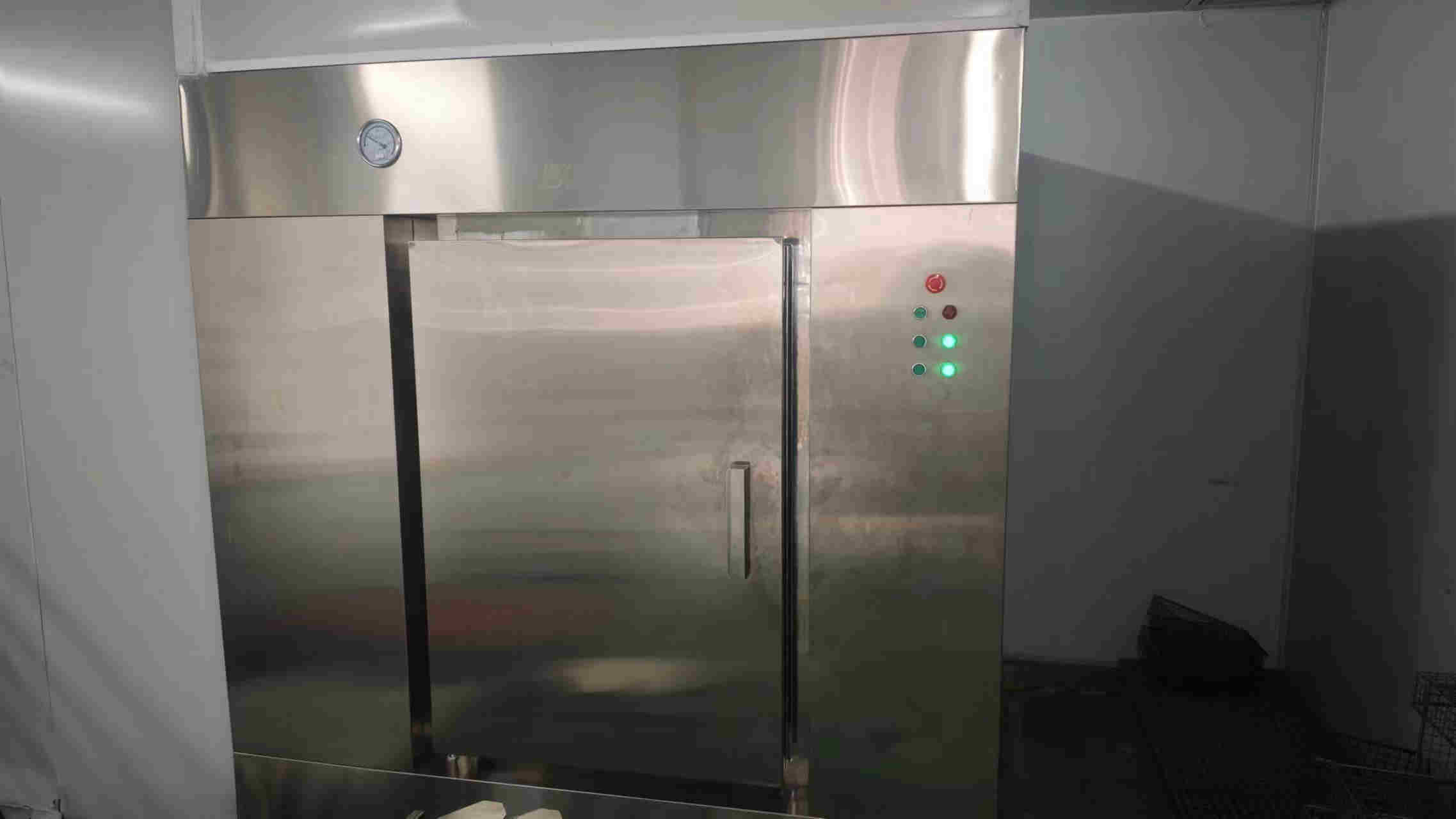
Class 100K Cleanroom
Certified Standards
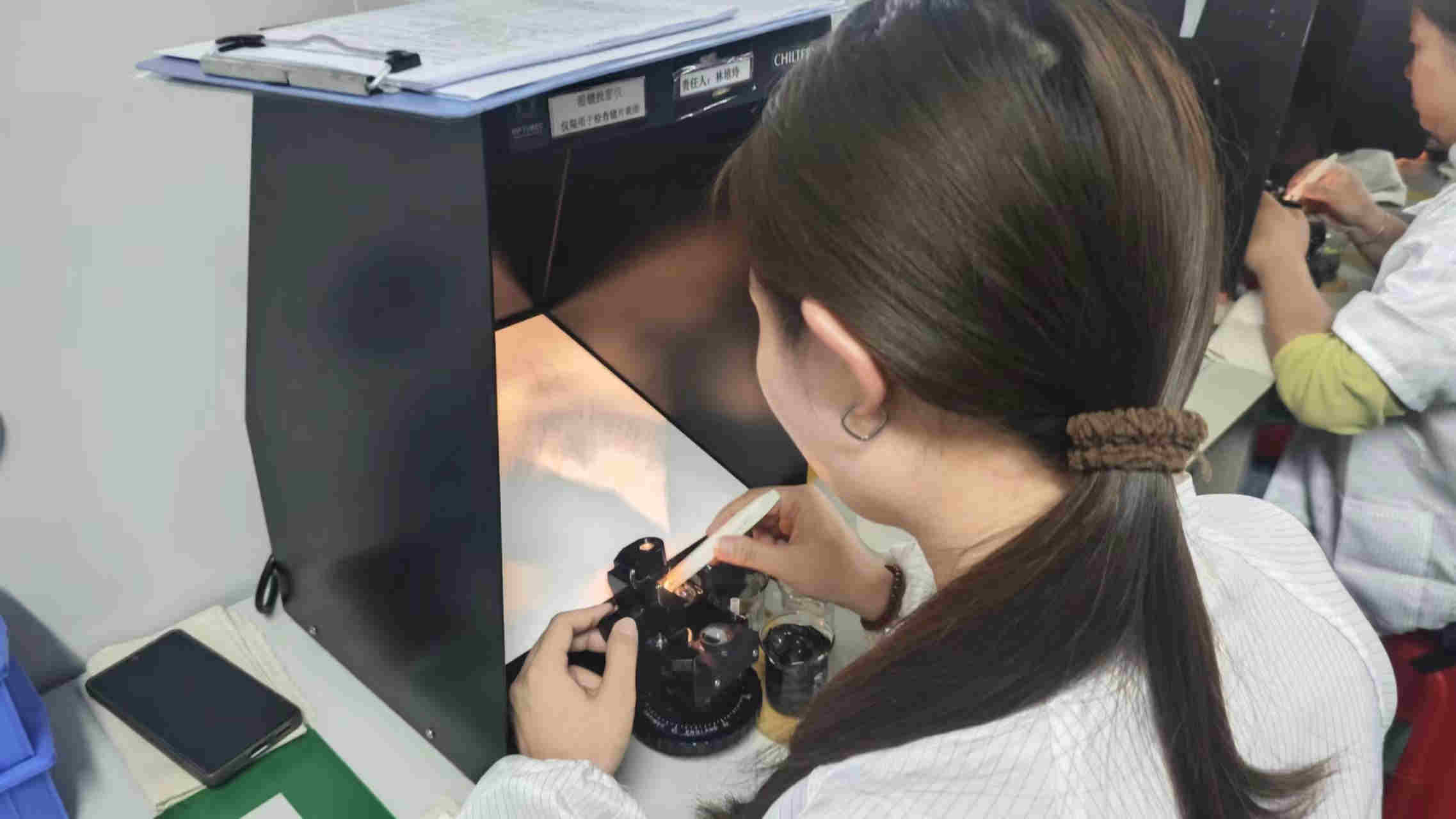
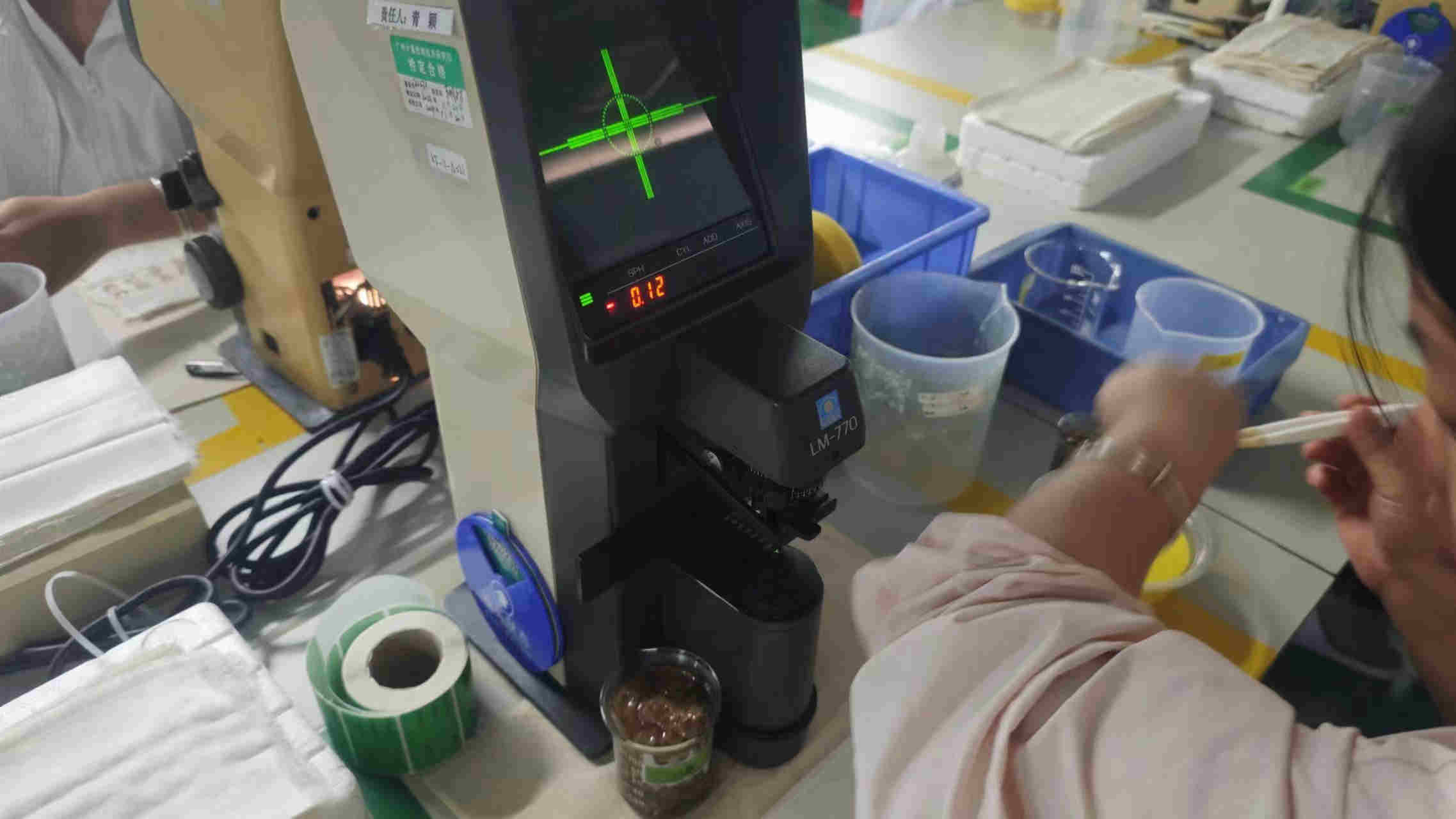
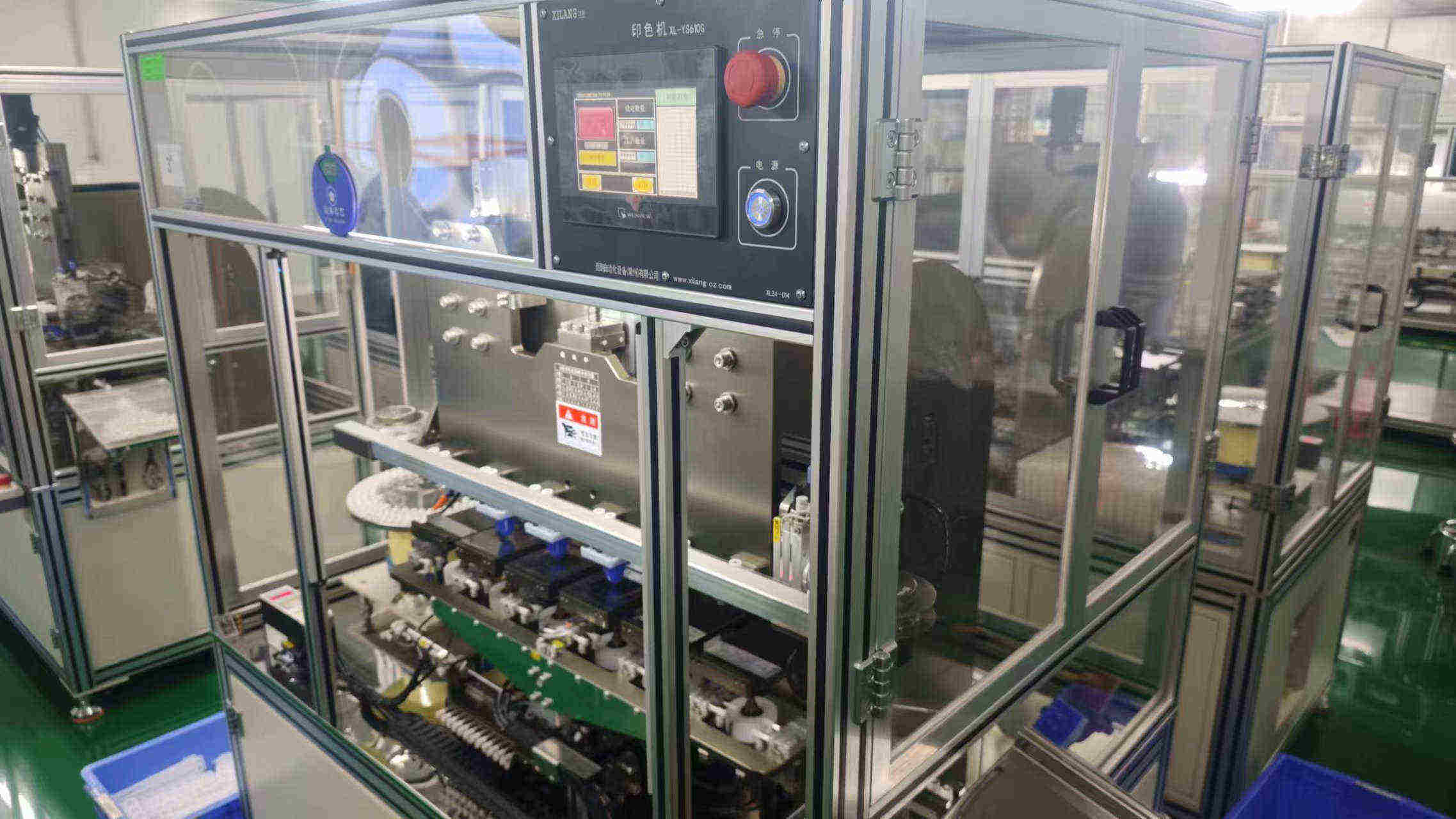
Automated Wet Inspection
End-to-End Solutions
Explore our high-performance cosmetic and medical contact lens range, engineered with premium polymers and manufactured under strict international standards.
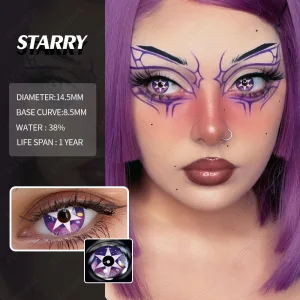
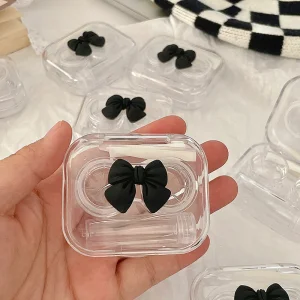
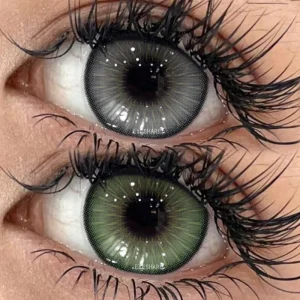
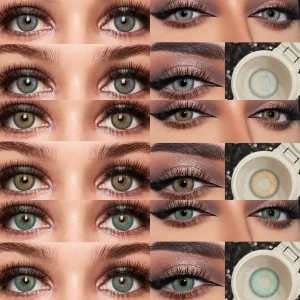
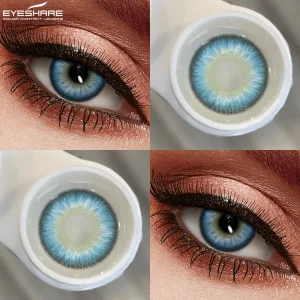
Founded in Dongguan, China, Dongguan Chic Contacts Co., Ltd. is a leading, specialized manufacturer dedicated to the research, development, and high-volume production of premium contact lenses and colored cosmetic lenses.
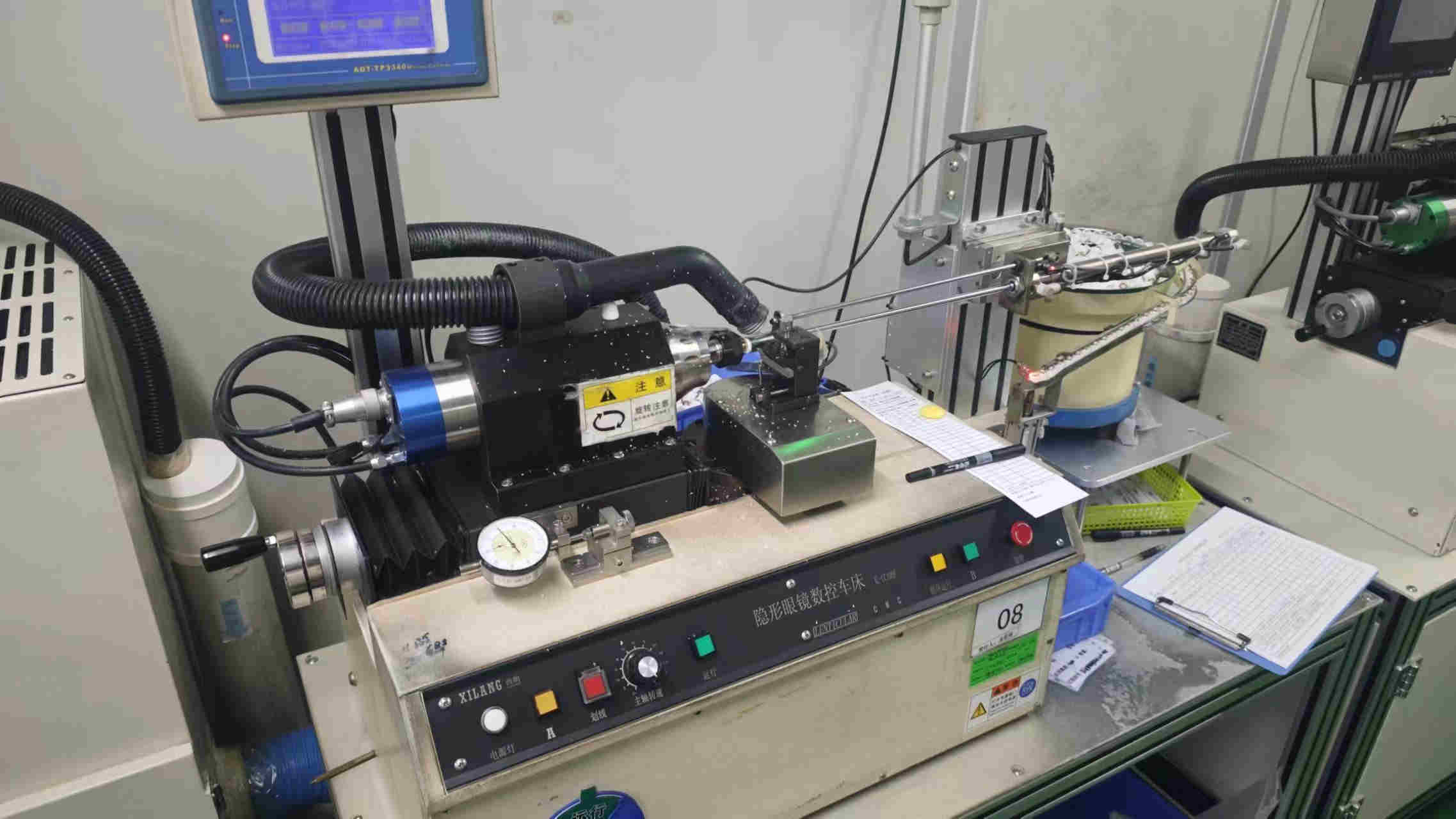
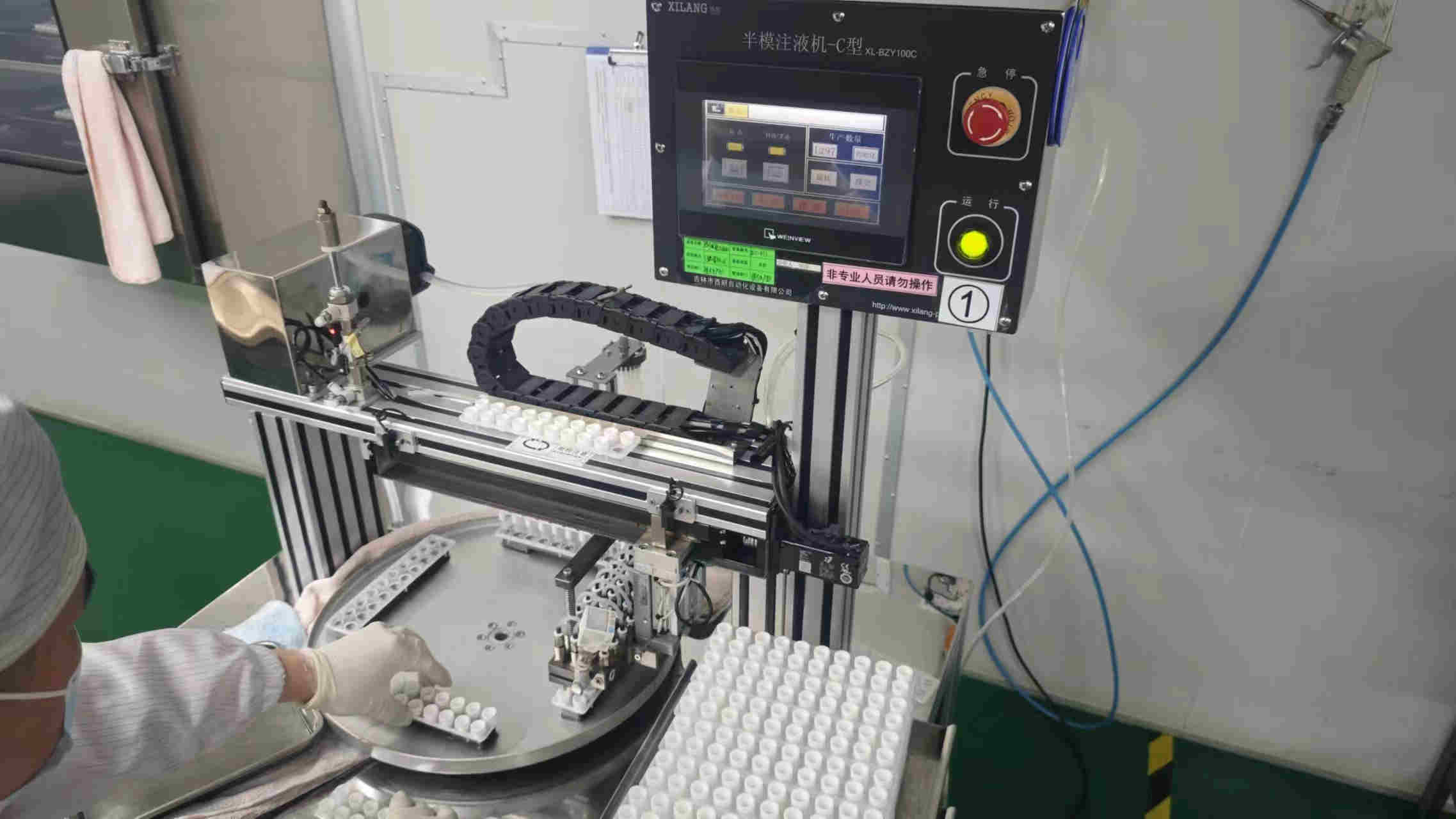
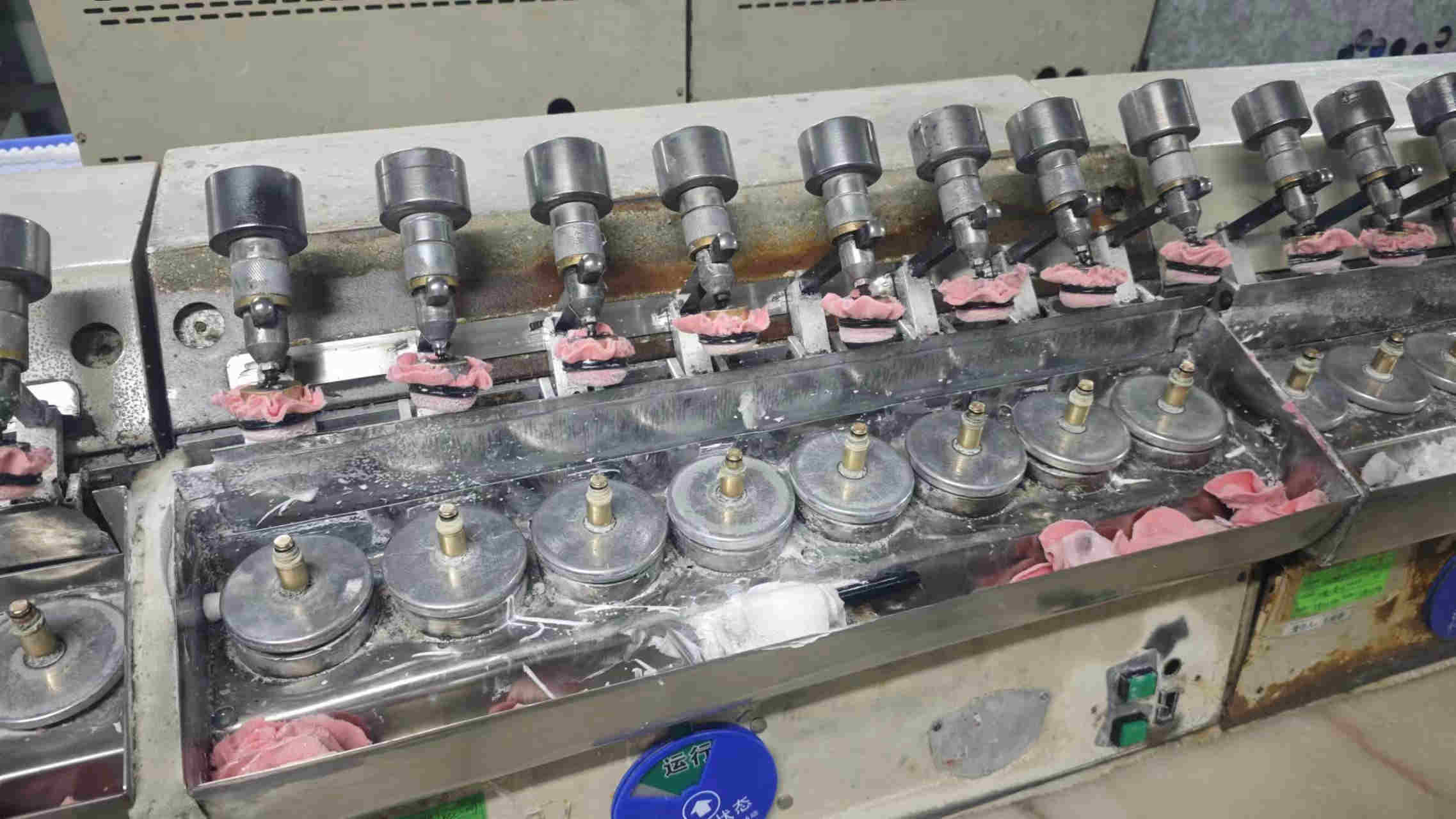
Operating from a state-of-the-art, GMP-standard cleanroom facility, we combine advanced cast-molding technologies with automated production lines to deliver lenses with exceptional oxygen permeability, moisture retention, and centration. Our robust supply chain allows us to support an extensive portfolio, ranging from daily disposables to yearly replacement lenses, utilizing market-proven materials like Hydrogel and HEMA.
As a trusted global OEM/ODM and private-label partner, Chic Contacts strictly adheres to international quality management systems, ensuring our products meet stringent global regulatory standards (CE/ISO). From custom pattern design and fast prototyping to mass production and compliant packaging, we provide end-to-end manufacturing solutions that empower global eyewear brands, distributors, and fast-fashion labels to scale with confidence.
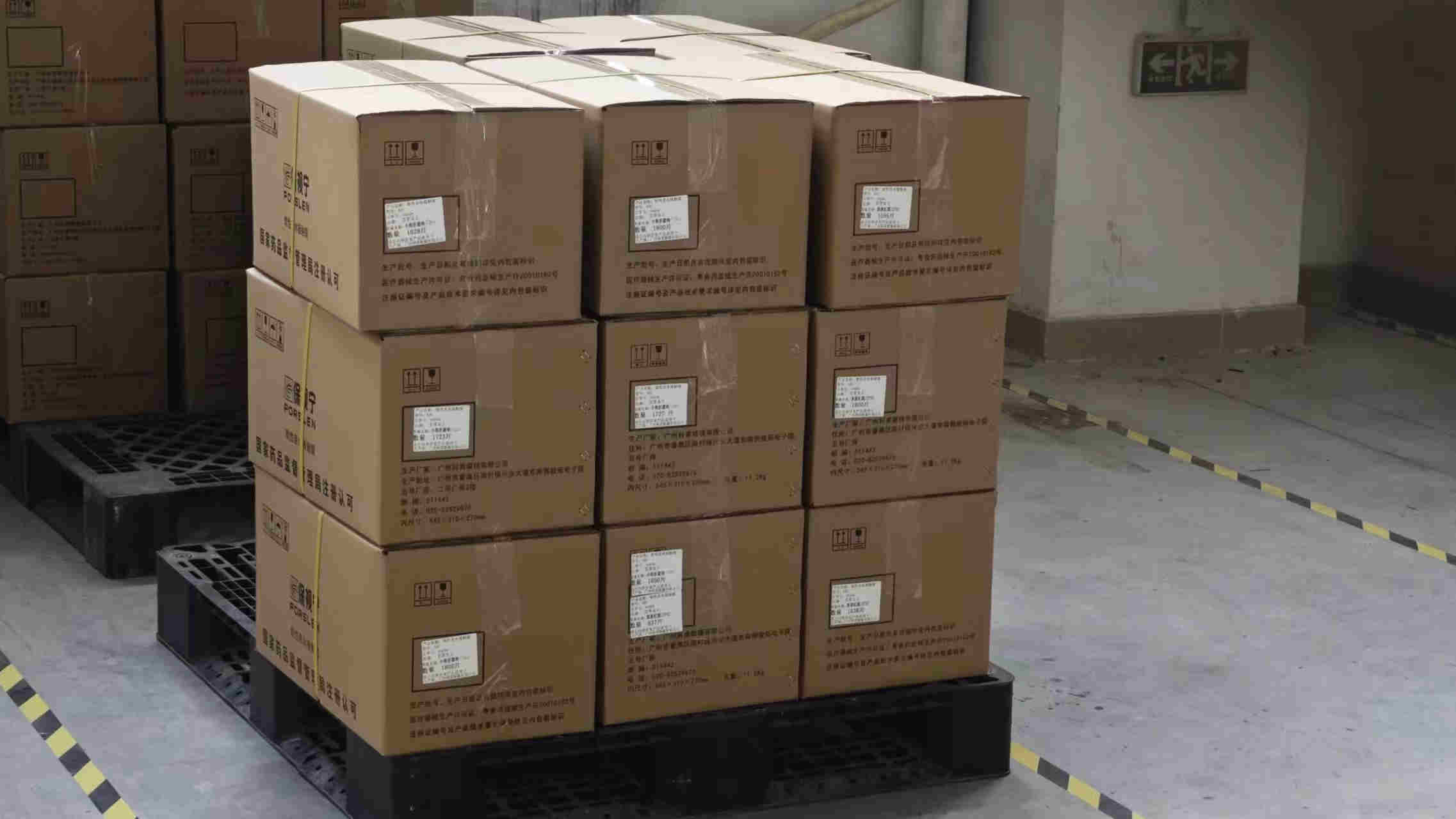
Explore inside our cleanroom facilities where advanced instrumentation and precision engineering combine to generate flawless, medical-grade contacts.
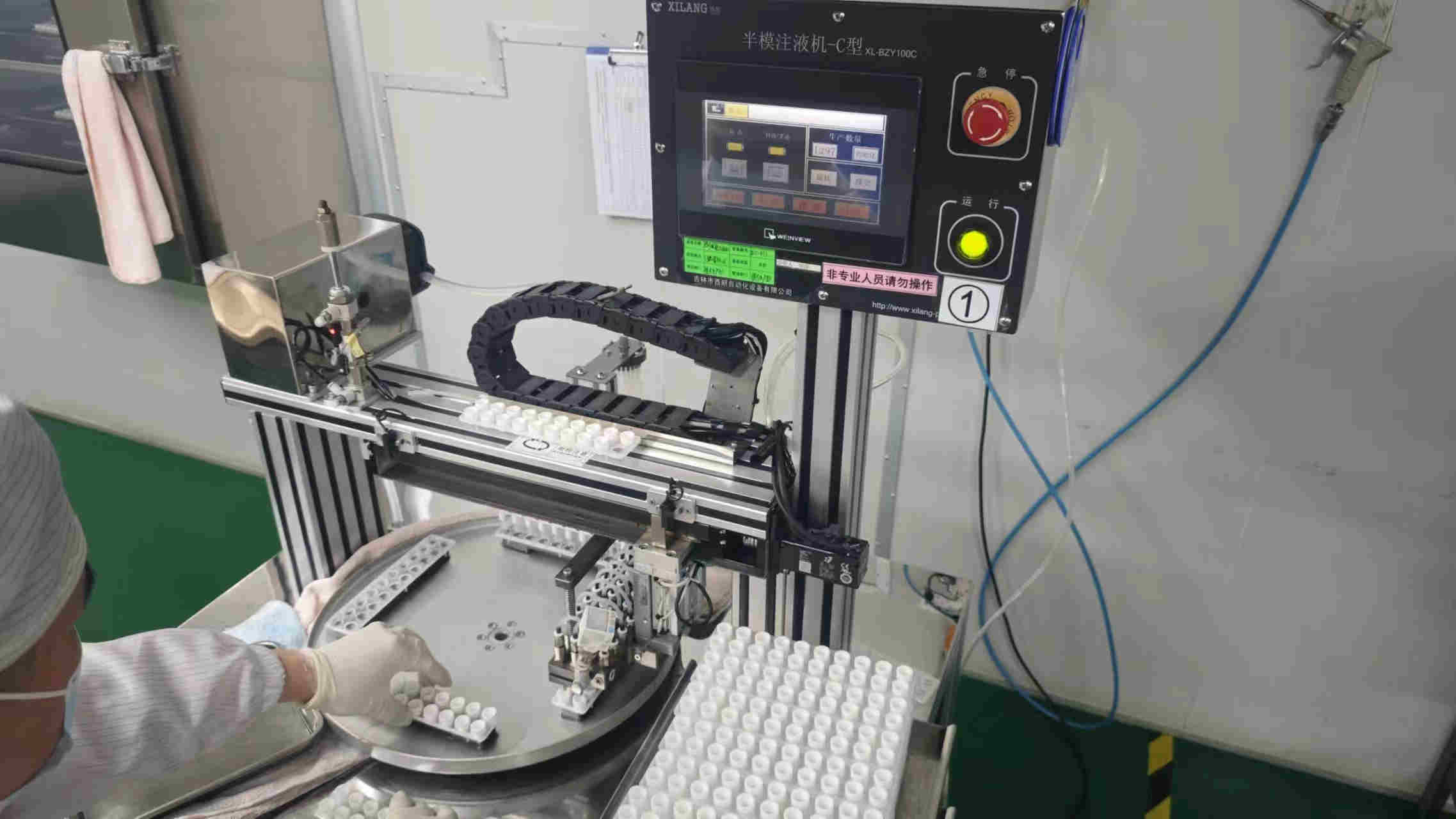
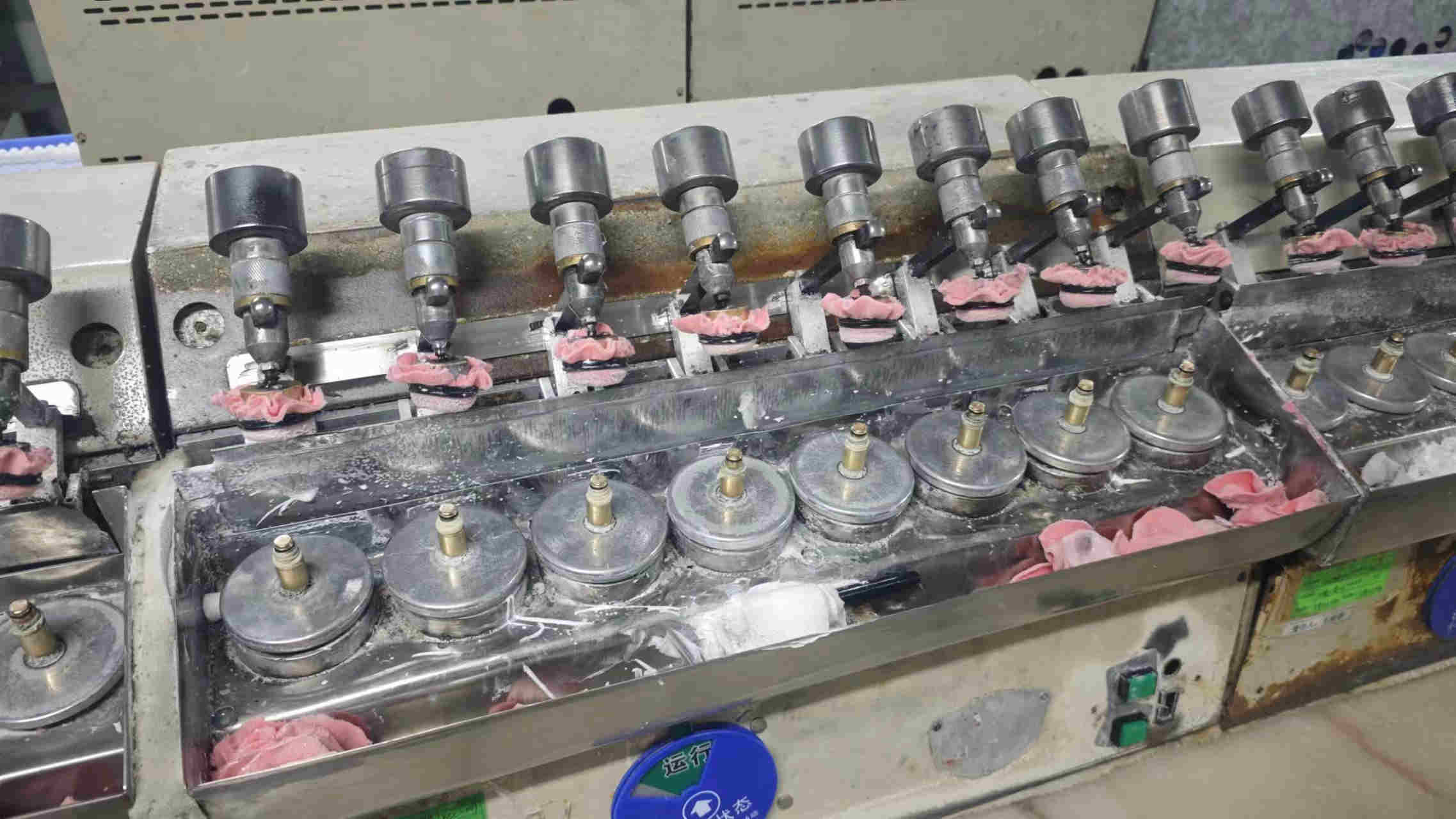
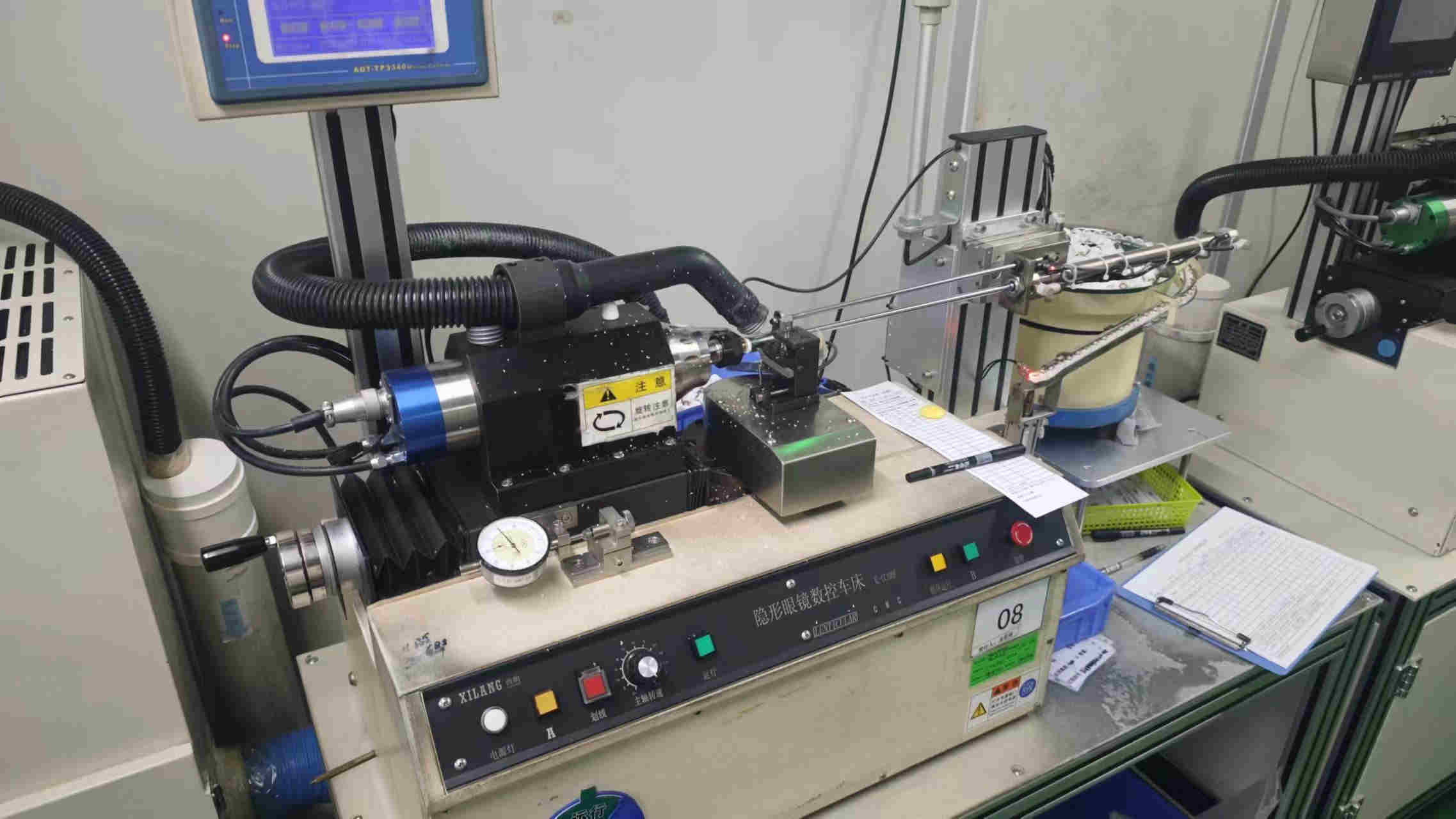
Technical Analysis, Global Supply Chain Dynamics, and Regulatory Compliance Matrix for B2B Eyewear Buyers.
The global contact lens industry has evolved from a niche medical corrective solution into a highly dynamic market segment crossing ophthalmic device precision and fast-fashion cosmetic demand. As brands globally navigate changing consumer behavior, the need for customized, bespoke manufacturing partners in China has grown exponentially. According to clinical ophthalmic registries, nearly 150 million people worldwide wear contact lenses. Beyond simple refraction correction (myopia and hyperopia), there is a surge in demand for specialized optical applications, such as toric lenses for astigmatism, multifocals for presbyopia, and tinted/cosmetic lenses for aesthetic enhancements.
For international distributors and private labels, finding a supplier that can balance high-volume efficiency with high-customization tolerance is a critical bottleneck. This is where bespoke contact lenses manufacturing plays a pivotal role. A bespoke approach allows for precise modifications in base curve, diameter, center thickness, water content, and edge design profiles, which standard production lines cannot accommodate. By aligning localized manufacturing capacities in Dongguan with global supply chain networks, brands can achieve shorter development cycles, optimize catalog diversity, and mitigate the risks of inventory excess.
| Market Classification | Technical Characteristics | Target Demographic | Key OEM/ODM Requirements |
|---|---|---|---|
| Cosmetic Color Lenses | Multiple tones (1-3 tones), vivid pigmentation, pattern centration, high moisture retention. | Gen Z, fashion retail, beauty markets, theatrical/cosplay sectors. | Fast design prototyping, pigment safety compliance (sandwich printing method), rapid design iteration. |
| Daily Disposables (Sphaera) | Ultra-thin center profiles, high water retention polymers, cast-molded high consistency. | Premium optometric clinics, convenience-focused daily consumers. | Highly automated high-yield manufacturing lines, strict cost-per-unit margins, zero-touch packaging. |
| Astigmatic Toric Lenses | Dynamic stabilization zones, prism ballast designs, highly precise orientation marks. | Patients requiring astigmatism correction. | Advanced lathe-cutting and molding tools to prevent lens rotation on the cornea. |
| Extended Wear/Yearly Lenses | Durable hydrogel/silicone hydrogel compounds, robust mechanical strength, deposit resistance. | Cost-effective international markets, custom prescription parameters. | Proven polymer longevity, low protein absorption profiles, sterilizable materials. |
The competitiveness of Chinese contact lens manufacturers relies on transitioning from labor-intensive assembly lines to automated Factory 4.0 paradigms. Dongguan Chic Contacts Co., Ltd. exemplifies this transition by integrating automated optical systems, high-precision injection molding, and digital quality-assurance tracking. The core of this industrial capability resides in our Class 100,000 (ISO 8) cleanrooms, where environmental variables—specifically humidity, temperature, and airborne particulate count—are constantly regulated.
Traditional contact lens production suffered from inconsistency due to manual handling during the demolding and hydration stages. Under our automated framework:
The contact lens market is moving towards biological compatibility and functional integration. Ophthalmic materials must evolve to support prolonged wearing times without causing corneal hypoxia (lack of oxygen). The R&D pipeline at Dongguan Chic Contacts Co., Ltd. focuses on next-generation materials and smart lenses.
Traditional hydrogel lenses rely on water content to transport oxygen to the cornea. However, high water content can lead to dehydration of the lens over the course of the day, drawing moisture away from the wearer's tear film. Silicone hydrogel solves this issue. By incorporating silicone, which has high oxygen permeability, the lens relies less on water to transport oxygen. We are optimizing our third-generation silicone hydrogel compounds, combining high oxygen transmissibility (Dk/t) with a low modulus of elasticity to ensure the lens remains soft and comfortable.
To prevent lipid and protein deposition (which causes discomfort, blurry vision, and potential ocular infections), we are investing in advanced surface modification. This includes plasma surface treatment and biomimetic phosphorylcholine (PC) coating. These treatments create a hydrophilic barrier layer that locks in moisture and repels bacterial attachment.
Looking further ahead, contact lenses are being investigated as drug-delivery devices and health-monitoring tools. Future product iterations involve embedding micro-formulations of anti-allergy or anti-glaucoma drugs into the polymer matrix, allowing for sustained release over 12 to 24 hours. Additionally, we are monitoring developments in photochromic lenses (which darken in response to UV light) and blue-light filtering compounds to address the demands of digital device users.
Exporting contact lenses requires compliance with strict international medical device regulations. Contact lenses are classified as Class II (FDA) or Class IIa/IIb (EU MDR) medical devices because they sit directly on the cornea. Manufacturers must provide rigorous documentation to support compliance.
Dongguan Chic Contacts Co., Ltd. supports global distribution with a robust regulatory compliance framework:
Furthermore, we offer localization support to expedite market entry for our partners. This includes helping with local health authority registrations, preparing technical dossiers, and designing custom primary packaging (blisters and vials) that complies with local labeling requirements (such as barcode systems, regional languages, and regulatory symbols).
When B2B purchasing managers evaluate a bespoke contact lens factory in China, they must look beyond the unit price. A low initial cost can be offset by high return rates, customs delays, or regulatory non-compliance. Below is a strategic assessment matrix for purchasing managers:
Technical and business insights regarding our bespoke manufacturing capabilities, minimum order requirements, and regulatory processes.
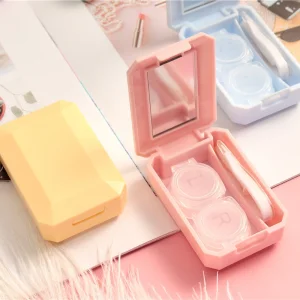
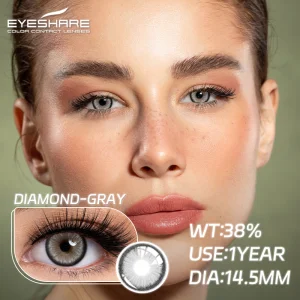
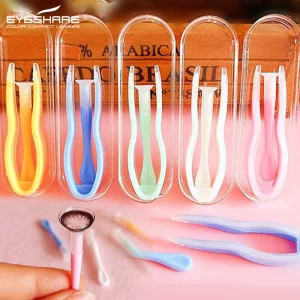
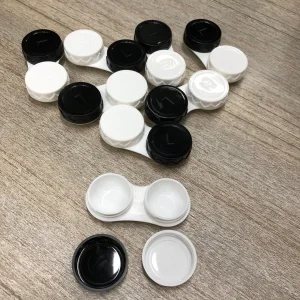
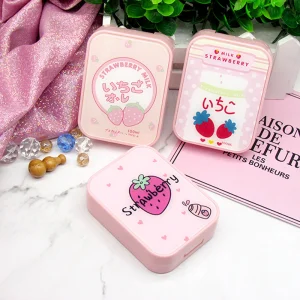
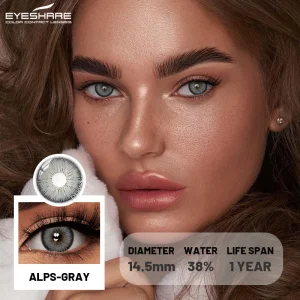
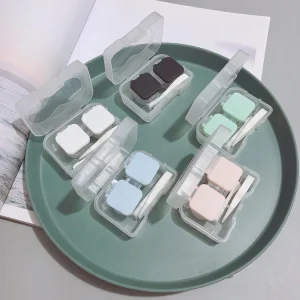
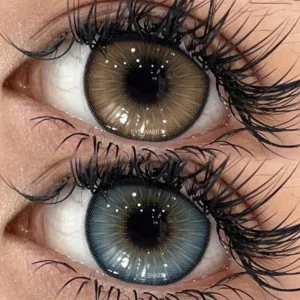
Expand your product catalog with our supplementary line of daily/yearly contact lenses and premium care accessories.
 Chic Contacts