 Chic Contacts
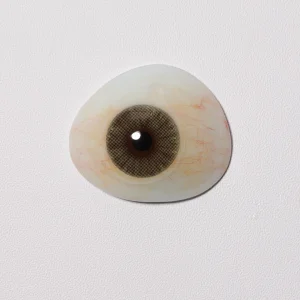
Premium display configurations and cosmetic lens accessories tailored to optimize retail presence and user experience in the Jakarta and Surabaya markets.
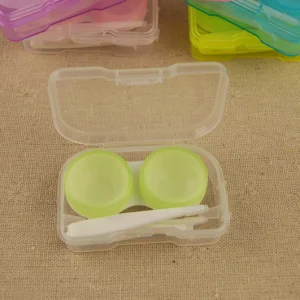
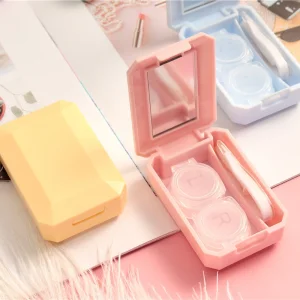
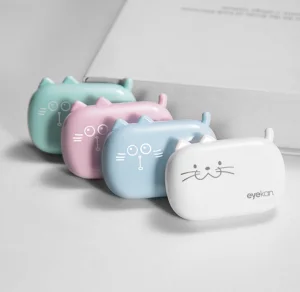
Indonesia represents the largest consumer economy in Southeast Asia, driven by a massive, young demographic eager for global beauty standards and localized fashion trends.
Over the past five years, color contact lenses have transitioned from corrective optical devices to standard everyday cosmetic necessities. Indonesian consumers, specifically Gen Z and Millennials, are heavily influenced by South Korean, Japanese, and Western pop culture. The demand for soft lenses (lensa kontak warna) has surged across tier-1 cities like Jakarta, Surabaya, Bandung, and Medan.
However, importing and distributing contact lenses in Indonesia presents unique localized hurdles. The Indonesian BPOM (Badan Pengawas Obat dan Makanan) strictly regulates contact lenses as Class B medical devices. To successfully access this lucrative market, local distributors and global exporters must align their products with the exact regulatory requirements, ensuring that every batch meets rigorous moisture, oxygen permeability, and pigment safety standards.
Additionally, the tropical climate of Indonesia demands contact lenses that perform well in high humidity and air-conditioned offices. This necessitates advanced HEMA and Hydrogel materials that minimize tear evaporation and dry-eye symptoms throughout the day.
Every imported contact lens must obtain an AKL registration number from the Indonesian Ministry of Health. Forward-thinking manufacturers assist local buyers by providing complete technical dossiers, including CE certificates, ISO 13485, and free sales certificates (FSC).
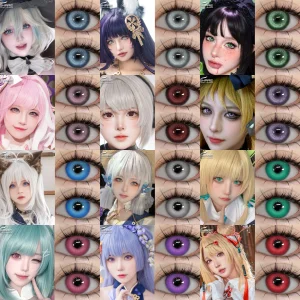
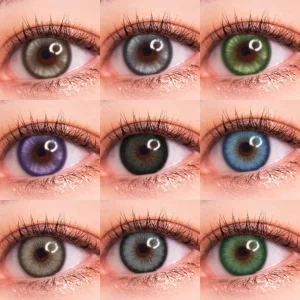
While natural brown, honey, and grey shades dominate everyday office wear, high-contrast, vibrantly saturated cosplay lenses are rapidly gaining market share during cultural events in metropolitan hubs.
Indonesian Target Market Population
BPOM Compliance Assistance Rate
Optimal Moisture Content Formulations
Annual Global Export Capacity
Analyzing key business paradigms that shape how international distributors procure cosmetic contact lenses from top-tier Chinese manufacturers.
The global market has moved past standard HEMA materials. Current B2B procurement demands focus heavily on Silicone Hydrogel and customized HEMA-polymer composites that achieve a balance between mechanical durability and optical clarity.
These advanced polymers ensure high oxygen transmissibility (Dk/t), ensuring comfort during extended 12-hour wear cycles commonly practiced by modern office workers and fashion influencers.
Preventing chemical dye leakage is the primary concern for regulatory authorities. Leading factories employ the Sandwich Coloring Method, where the color pigment layers are chemically locked between transparent HEMA membranes.
This design prevents the dye from directly contacting the patient's cornea or palpebral conjunctiva, guaranteeing clinical safety and ensuring low product return rates for distributors.
Brands require modular flexibility. Modern sourcing centers on OEM/ODM packages where factories provide complete customized design sheets for blister packs, labels, and boxes in the native language of the destination market (e.g., Bahasa Indonesia).
Low MOQs (Minimum Order Quantities) paired with rapid design prototyping have become a major point of competition among global exporters.
How automated production lines in Guangdong Province are establishing new benchmarks for global optical manufacturing.
Dongguan Chic Contacts Co., Ltd., based in the industrial heart of Dongguan, China, represents the technological forefront of modern optical manufacturing. Utilizing advanced automated cast-molding machinery, the company maintains high consistency across high-volume production batches, minimizing deviations in base curve and diameter.
Our GMP-standard cleanrooms feature HEPA filtration systems that ensure a dust-free environment for printing, mold filling, and curing phases. By utilizing automated AOI (Automated Optical Inspection) systems, each individual lens is scanned for physical micro-tears, edge irregularities, and paint alignment defects. Lenses that deviate by even micrometers are automatically flagged and rejected by the AI-enhanced vision systems.
This commitment to Industry 4.0 guarantees supply chain resilience. Through structured planning, raw HEMA monomer supply networks, and direct shipping routes from Shenzhen and Guangzhou ports to Tanjung Priok, Jakarta, Dongguan Chic Contacts ensures a lead time that is up to 30% faster than regional competitors.
Operations adhere strictly to Class 100,000 cleanroom requirements, avoiding biological and particulate contamination during injection and packaging.
Premium cast molding technology ensures smooth edge profiles, reducing mechanical rubbing against the palpebral surface.
Fully compliant with CE and ISO 13485 requirements, streamlining import clearance phases for Southeast Asian custom authorities.
A pictorial insight into our medical-grade production stages, maintaining strict quality controls from initial printing to sterile finished products.
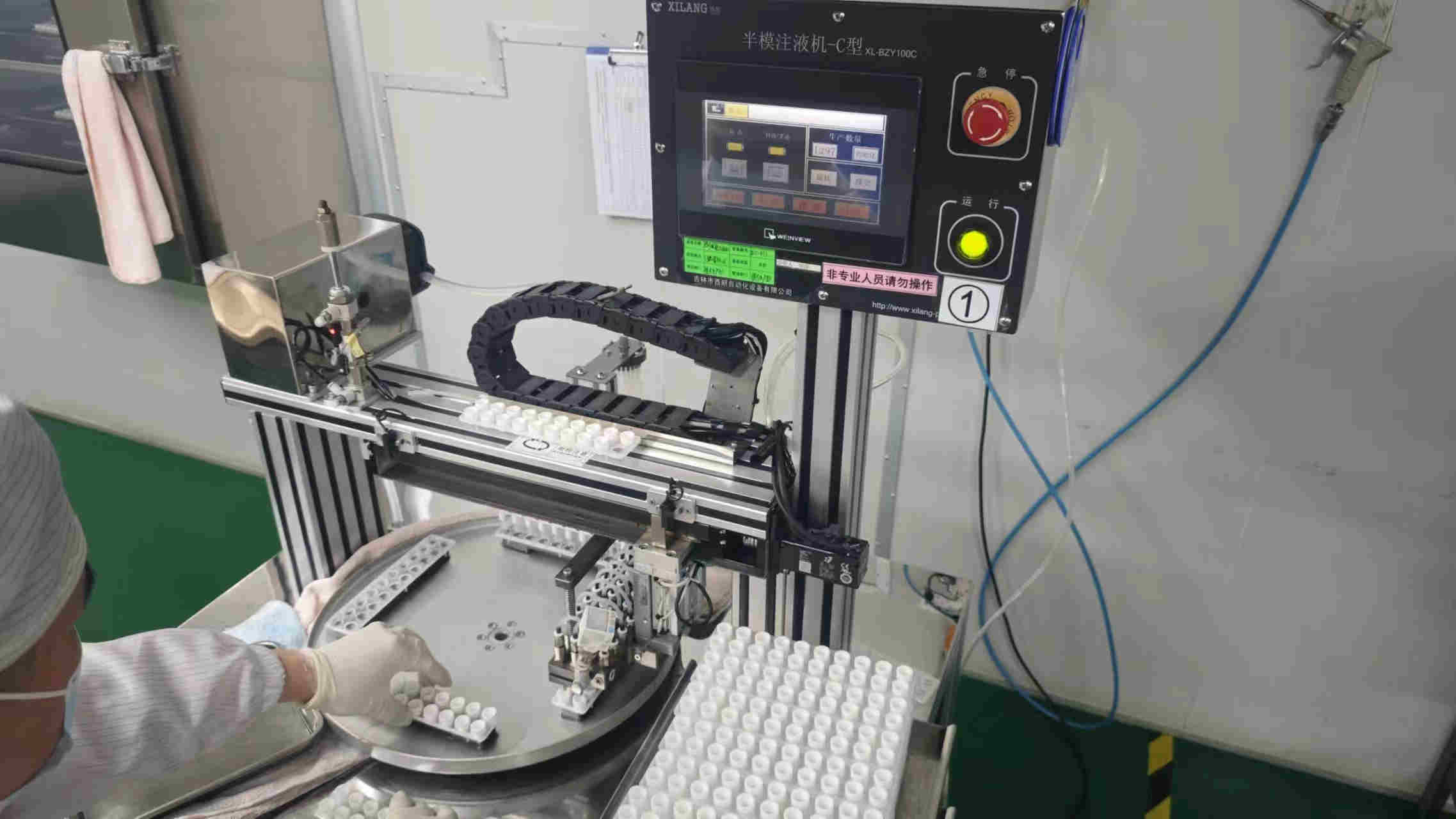
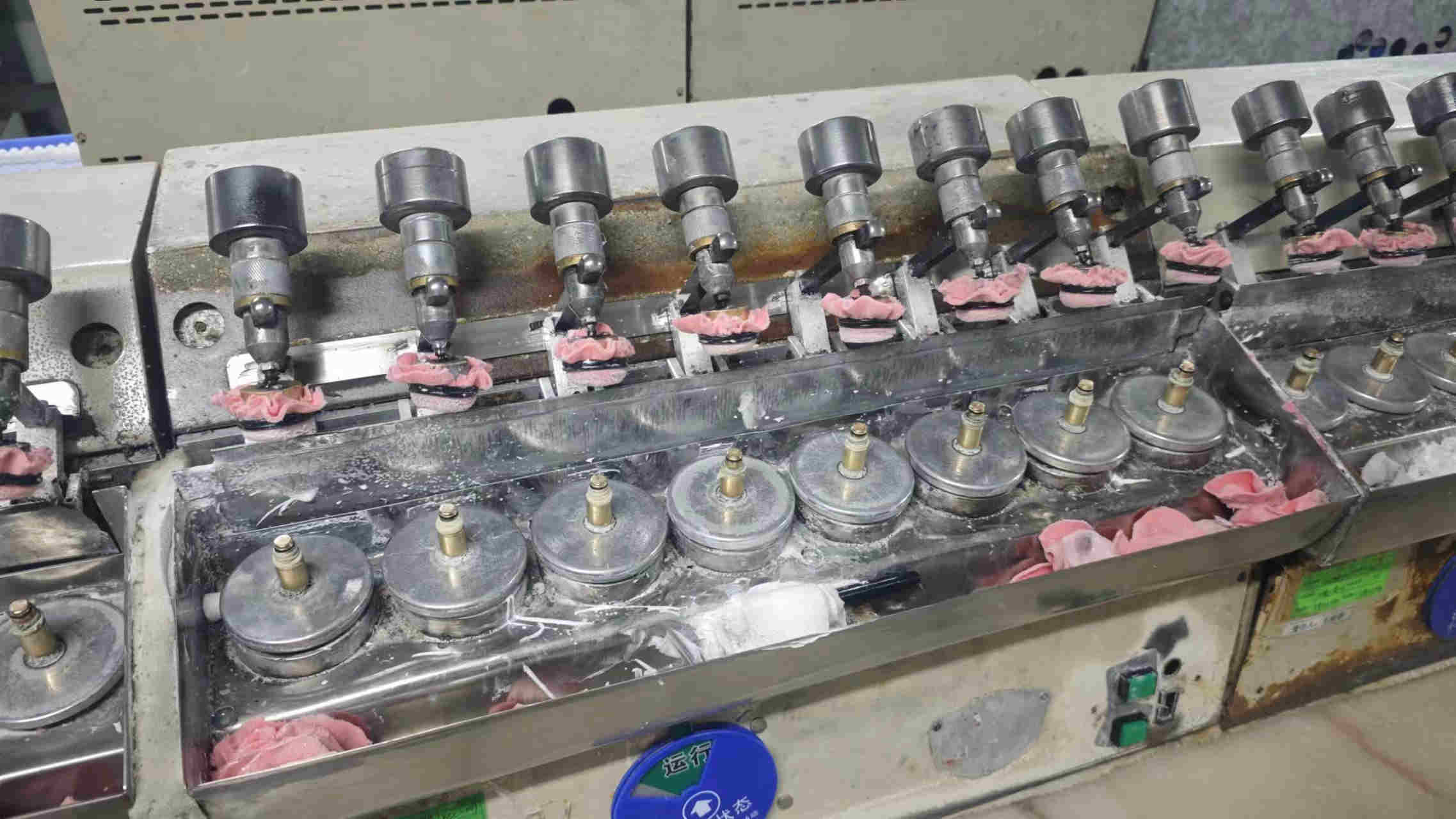
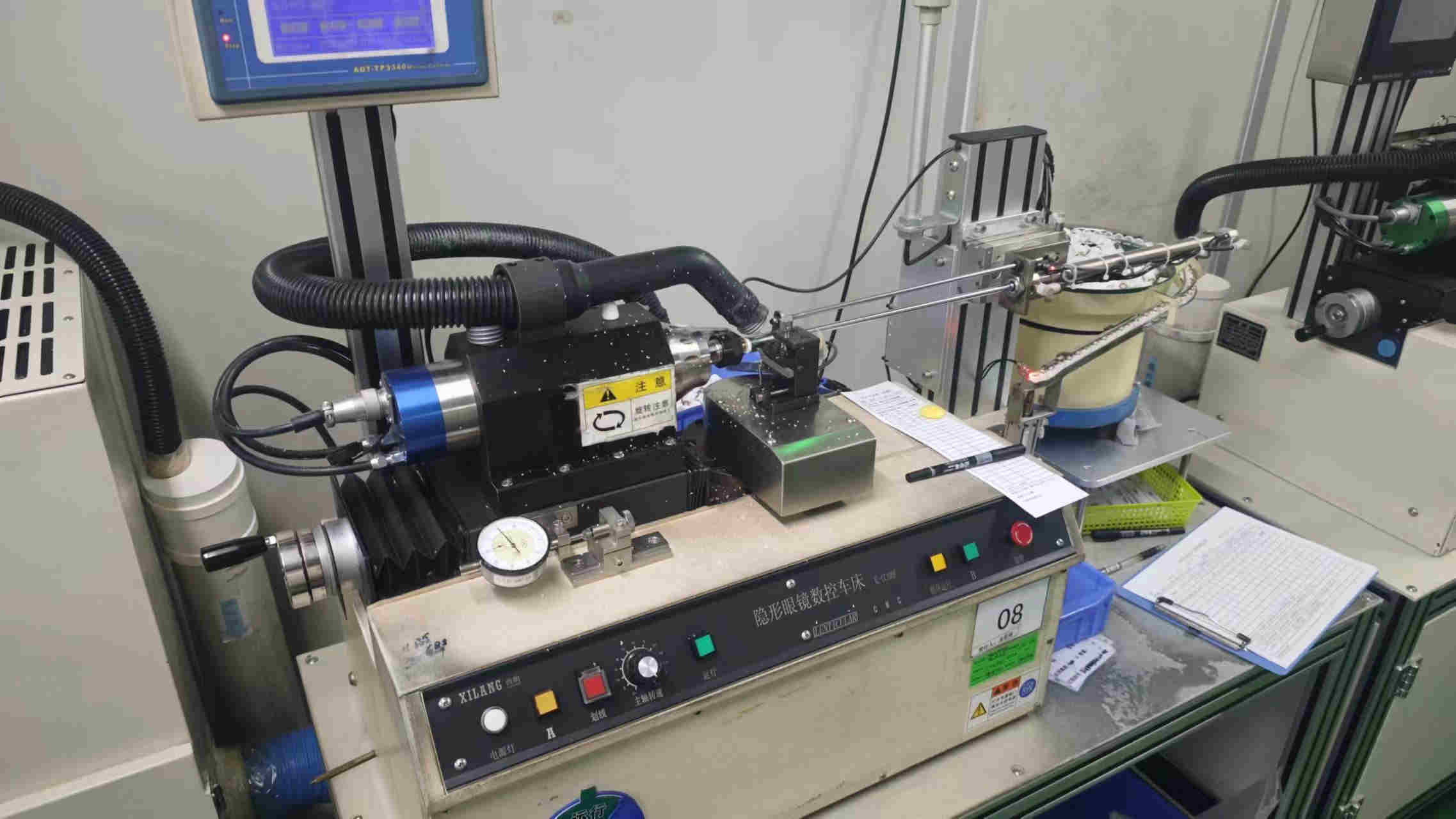


Understanding the precise customer touchpoints helps retailers position products effectively across regional demographics.
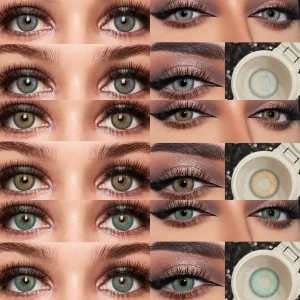
Within Indonesian modern modest fashion movements, the eyes are the primary focal point of cosmetic expression. Natural enhancement lenses (such as soft brown, hazel, and deep olive green shades) are paired with natural makeup looks to offer an elegant, sophisticated appearance for daily wear and corporate environments.
Professional women and college students in major metro centers require comfortable yearly or monthly disposables that resist dry-eye fatigue. With long screen-exposure hours in air-conditioned offices, lenses featuring 38% water content maintain shape and hydration balance without pulling moisture from the eye's natural tear film.
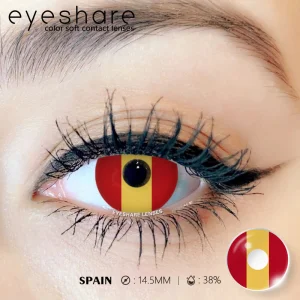
Indonesia hosts some of the largest anime conventions and pop-culture exhibitions in Southeast Asia (e.g., Comic Con Jakarta). High-opacity, vivid color designs (including sharingan patterns and vibrant primary colors) are highly sought after by local youth who want precise character representations without compromising corneal safety.
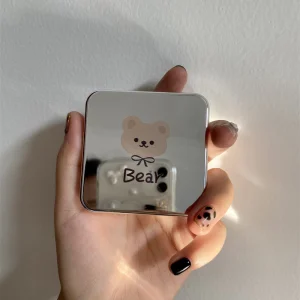
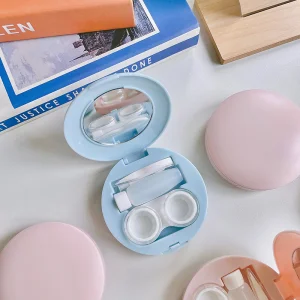
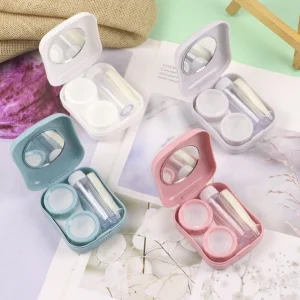
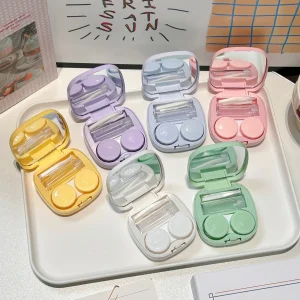
Browse our complete catalog of certified cosmetic lenses and maintenance products, engineered for long-shelf-life stability and high patient satisfaction.
Get professional, authoritative answers regarding import taxes, BPOM registration steps, custom branding capabilities, and technical specifications.
Partner with a reliable CE/ISO-certified manufacturer. Fill out our quick form to receive detailed pricing, digital catalogs, and free prototype samples.
Send Inquiry Now