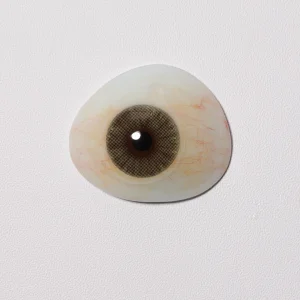
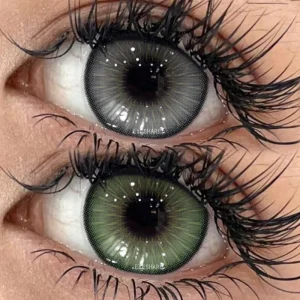
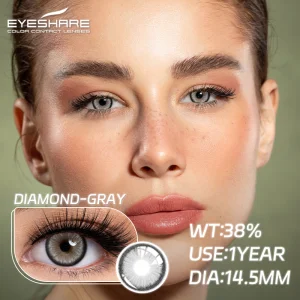
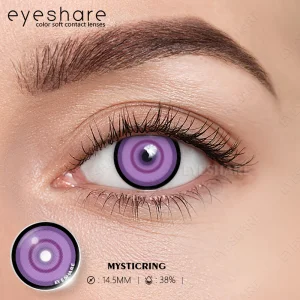
Highly customized, ultra-comfort cosmetic lenses designed for the premium Gangnam, Myeong-dong, and Hongdae beauty hubs.
Seoul, the undisputed heart of the global cosmetic and skincare wave, presents a uniquely sophisticated market for colored contact lenses. In neighborhoods like Myeong-dong, Hongdae, and Gangnam, cosmetic contacts are no longer viewed merely as optical corrective devices. Instead, they are key fashion accessories that undergo rapid seasonal cycles. The convergence of K-pop aesthetics, micro-influencer trends, and the domestic consumption of major franchise stores such as Olens and LensMe has created a highly demanding demographic of end-users.
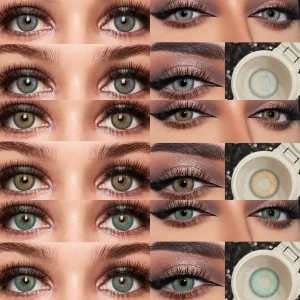
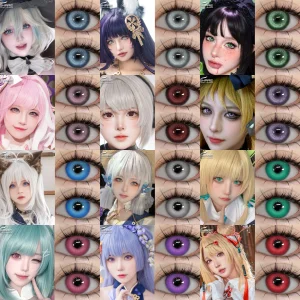
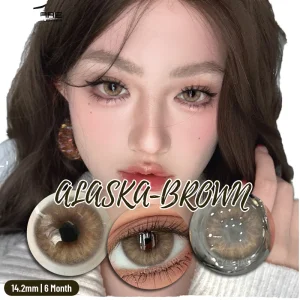
Unlike Western markets where dramatic alterations in iris color are highly popular, the Seoul market favors subtle, natural-looking, and high-depth configurations. Lenses with 3-tone transitions, realistic limbal rings, and moderate graphic diameters (typically ranging from 11.9mm to 13.5mm) command the highest market share. Korean consumers demand extreme wearing comfort, leading to a strong shift towards daily disposables and materials with high water retention properties. To successfully supply this market, global manufacturers must align with these precise cosmetic profiles while adhering strictly to regional health requirements.
Information Gain Insights: In 2023, data collected from cosmetic distributors in Seoul indicated a 35% year-on-year increase in demand for silicone hydrogel daily disposable lenses with UV protection features. Seoul consumers actively cross-reference optical specifications, checking for moisture content, edge profile comfort, and clinical safety.
The production of contact lenses is undergoing a massive shift from traditional dry-cast lathe cutting to fully automated wet-molding processes. At the factory level, this evolution requires major investments in precision machinery and polymer chemistry.
Global buyers—ranging from large retail chains in Seoul to e-commerce brands in the USA and Europe—face significant procurement challenges:
Regulatory Obstacles: Importing medical devices requires strict documentation. For South Korea, the Ministry of Food and Drug Safety (MFDS) enforces rigorous requirements. Without proper KGMP (Korea Good Manufacturing Practice) compliance and registrations, imports are blocked at customs.
MOQ Flexibility: The fast-paced fashion cycle in Seoul means brands cannot afford to order massive quantities of static designs. Dynamic, low-MOQ (Minimum Order Quantity) manufacturing is essential for testing market viability.
Supply Chain Velocity: Lead times must be compressed. Seamless transition from digital pattern designs to physical prototypes, followed by fast high-volume production, is the only way to capitalize on short-lived social media trends.
Macro Solution: Dongguan Chic Contacts Co., Ltd. resolves these challenges by maintaining pre-approved base curve setups (8.5mm to 8.6mm) and standard diameters (14.0mm to 14.5mm). By pre-registering medical-grade materials, we significantly accelerate the OEM approval processes for importers in the Seoul Metropolitan Area.
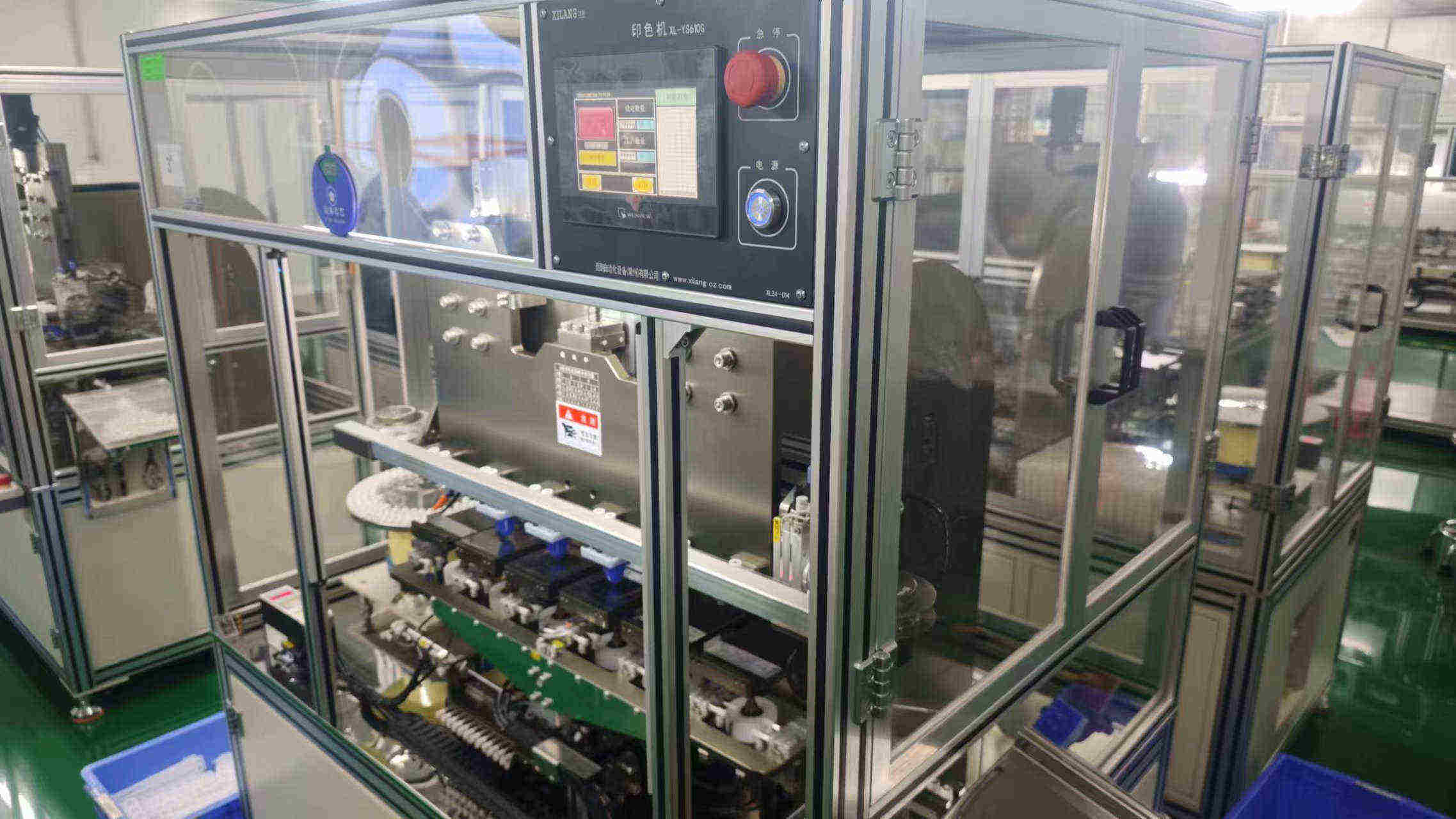
Operating from our state-of-the-art facility in China, Dongguan Chic Contacts Co., Ltd. manages a fully integrated manufacturing cycle. Below is an overview of the key phases involved in delivering high-performance cosmetic contact lenses.
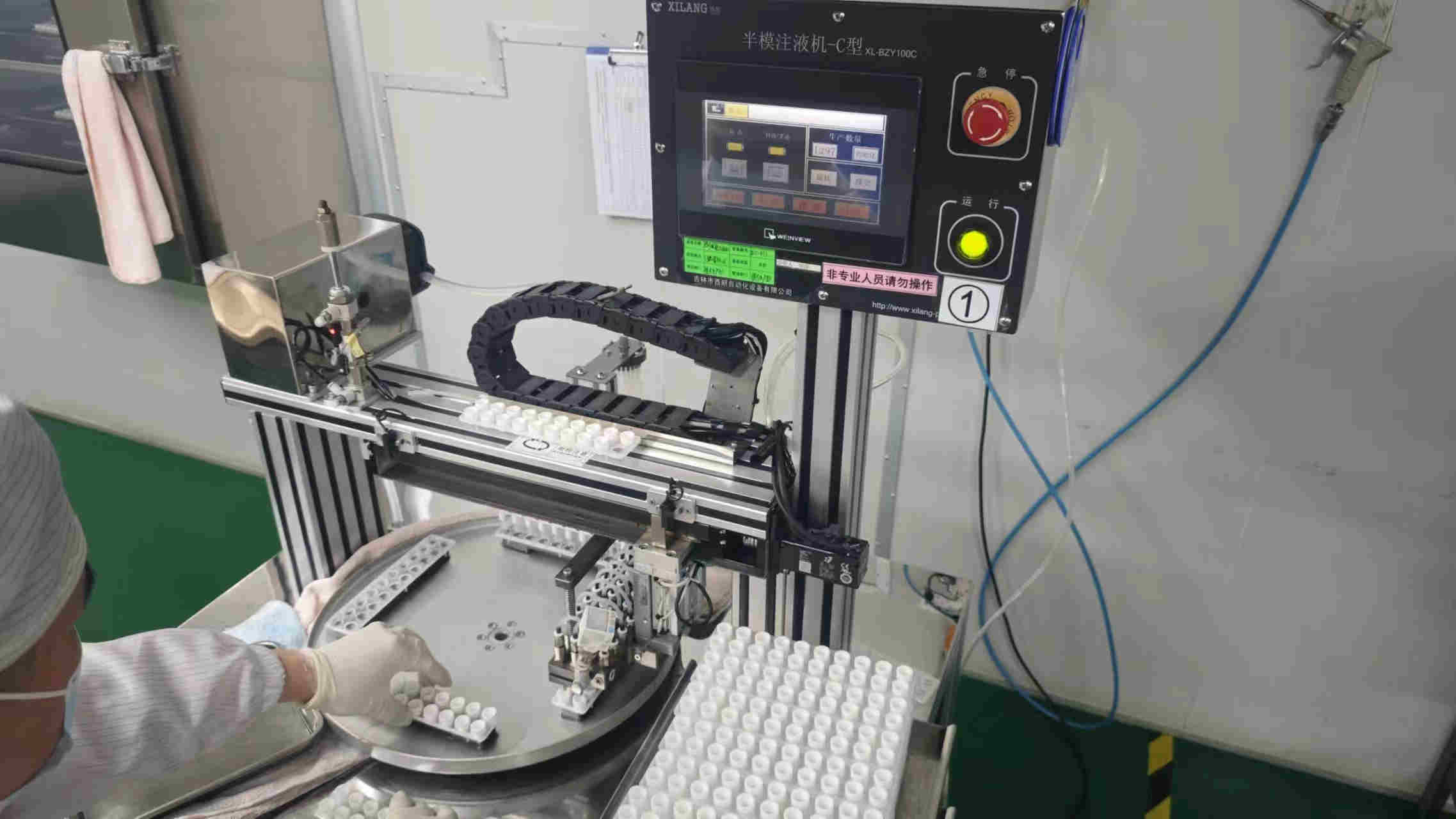
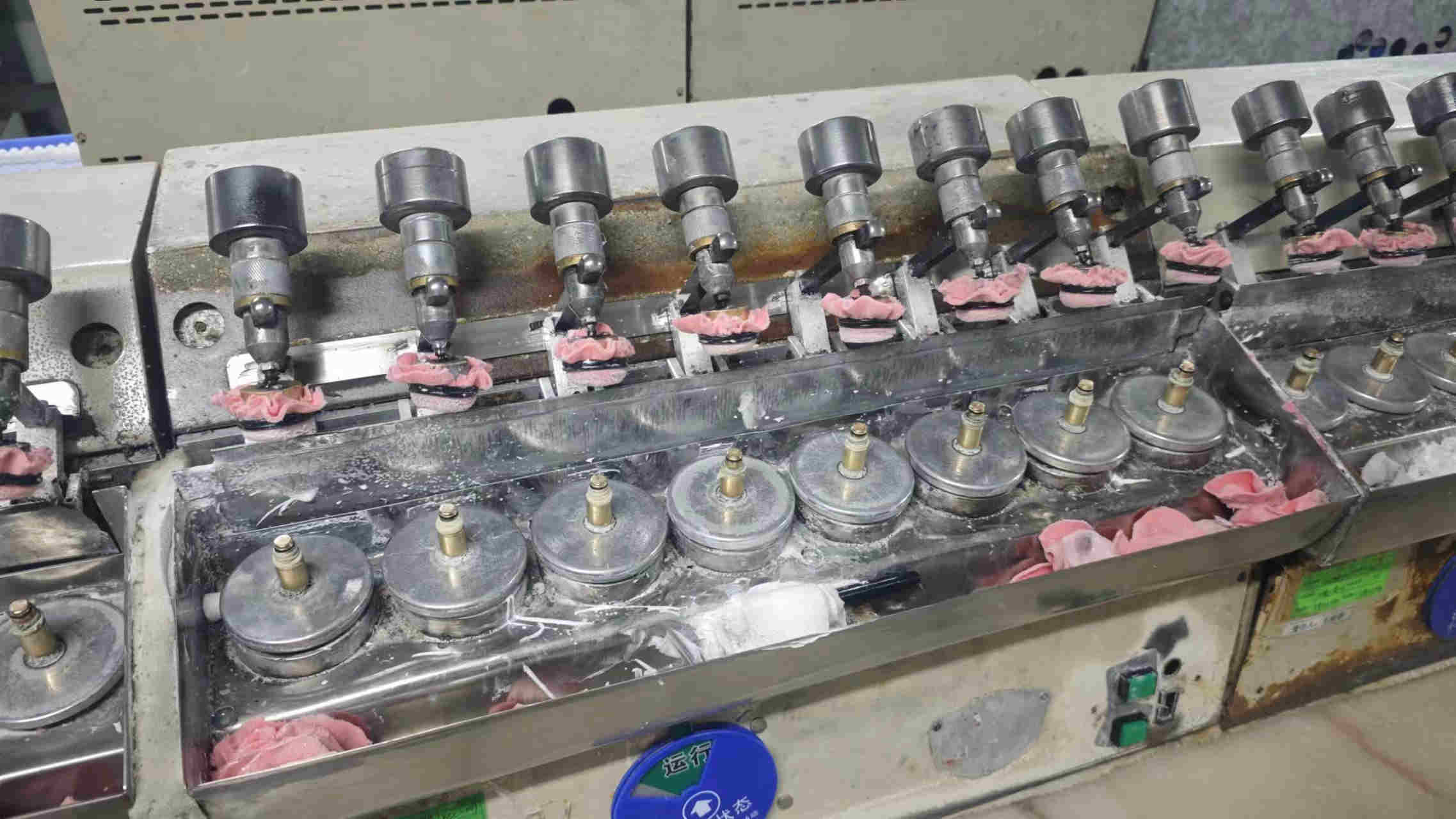
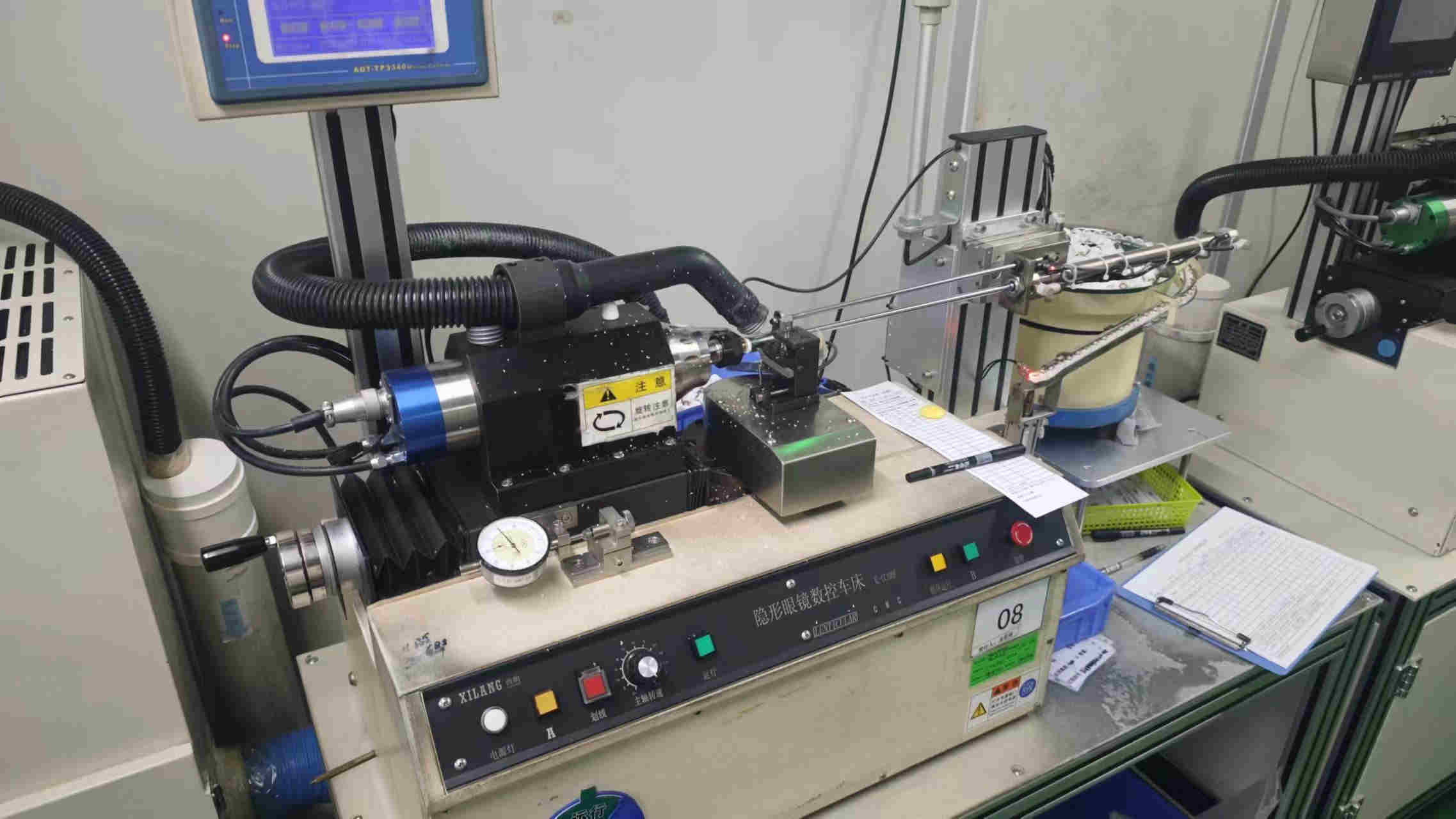
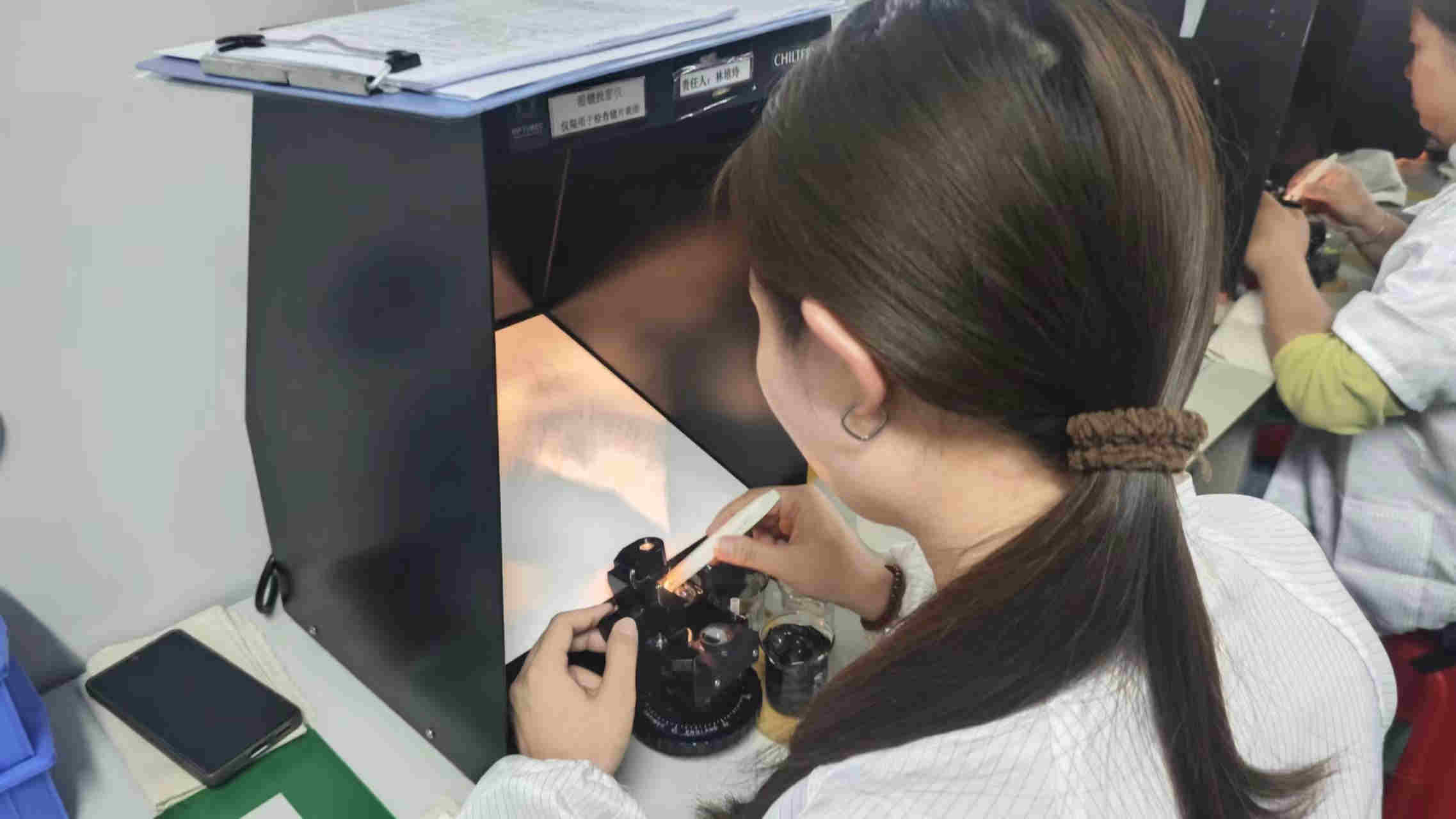
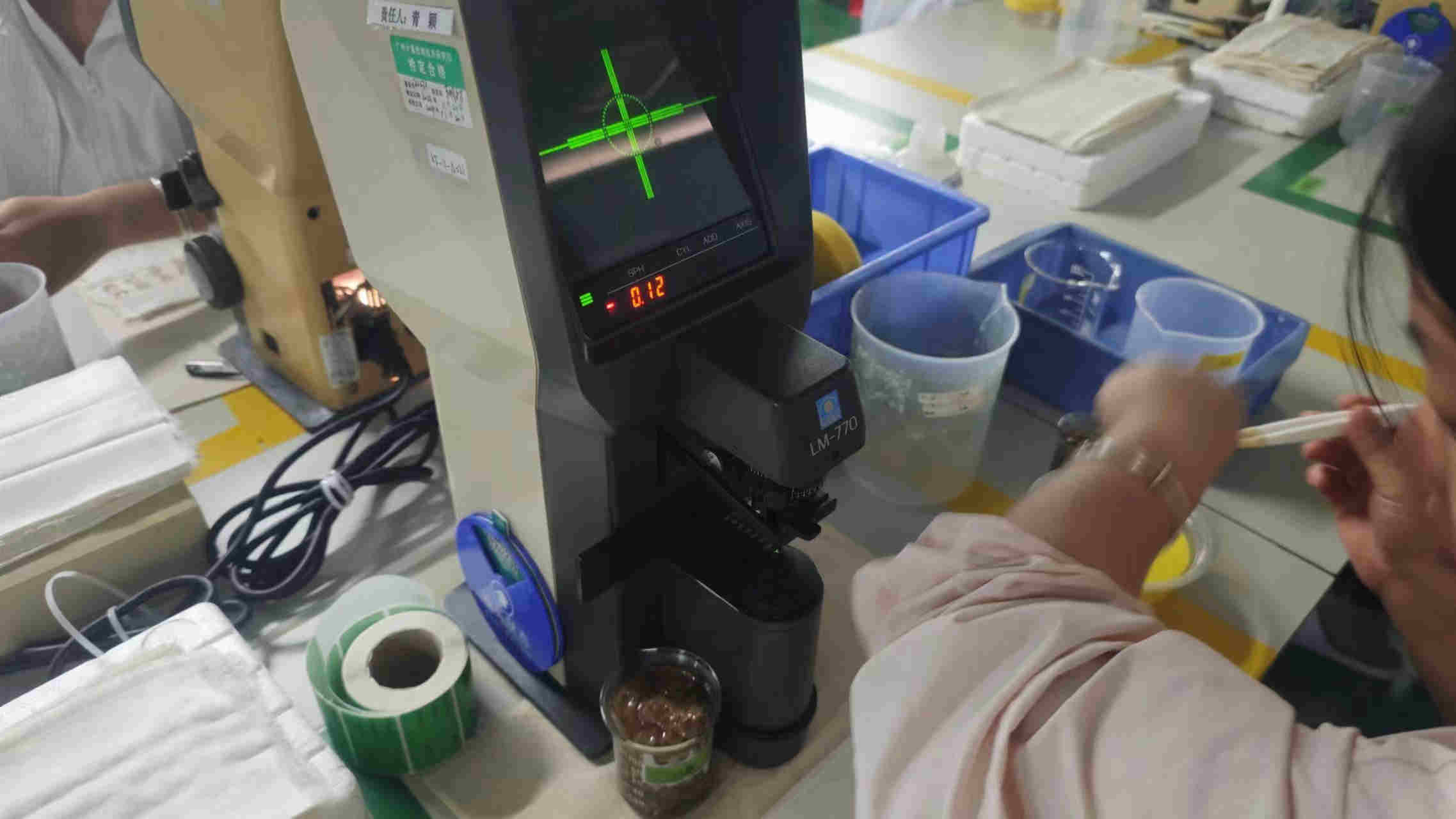
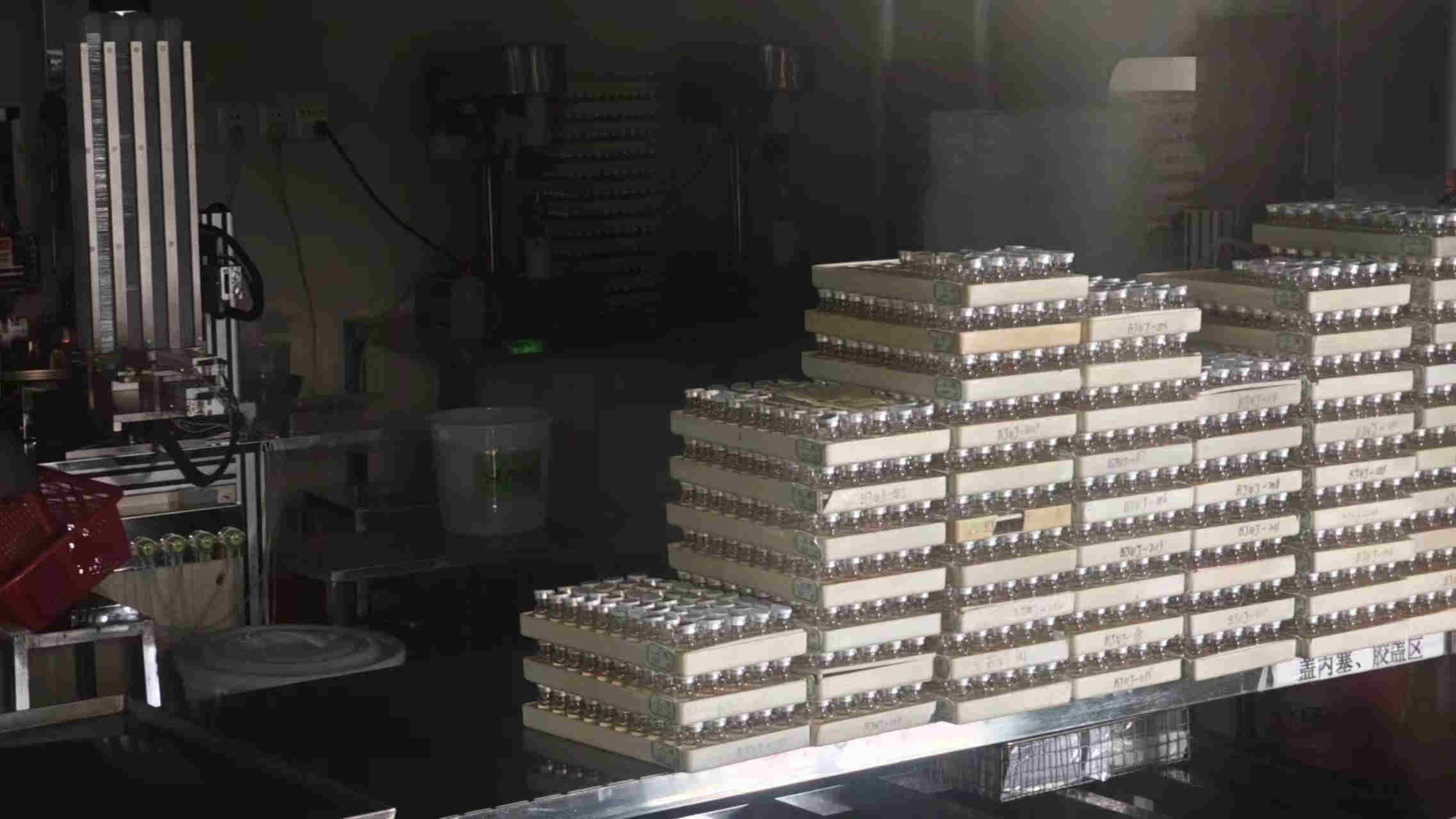
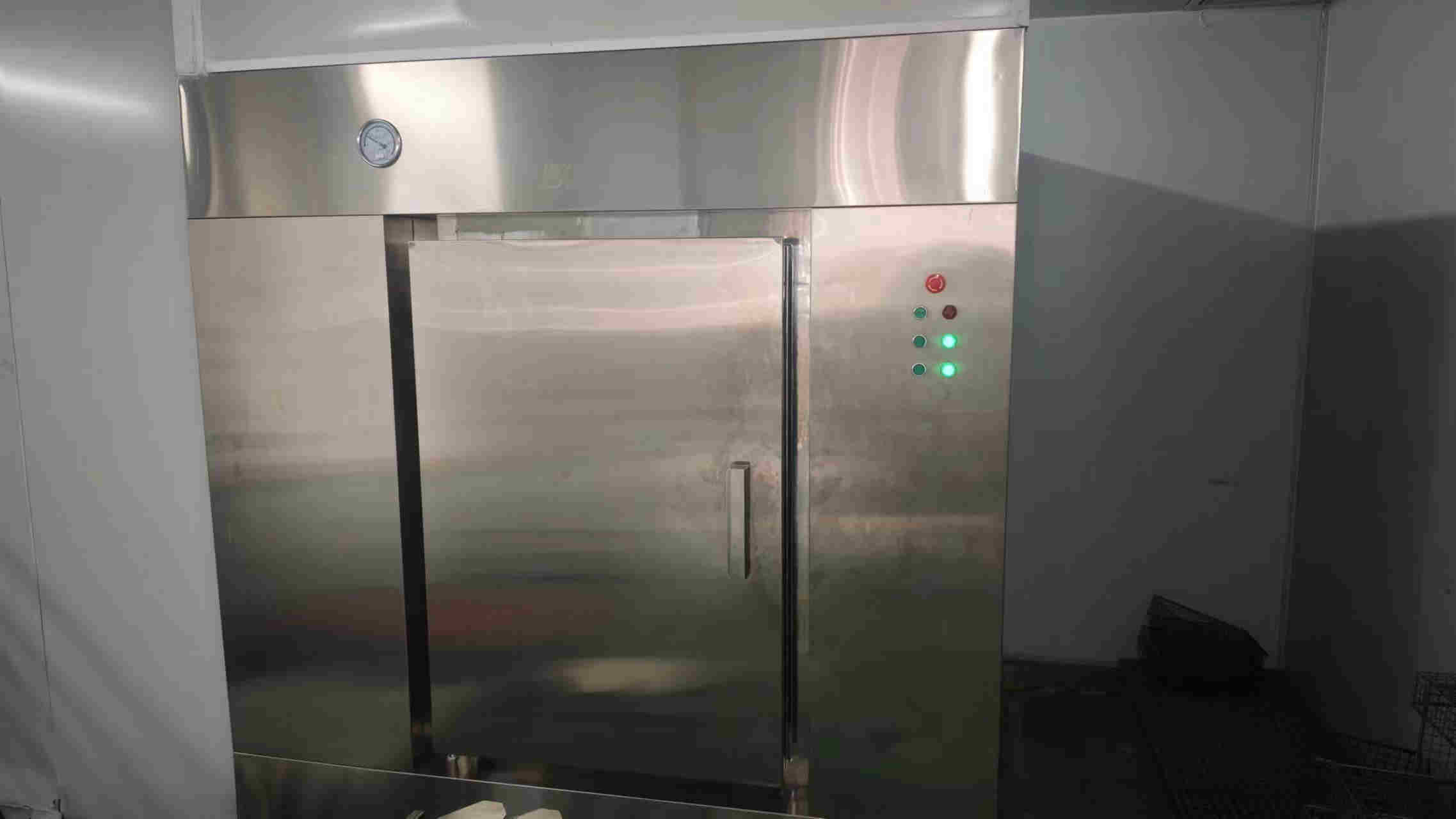
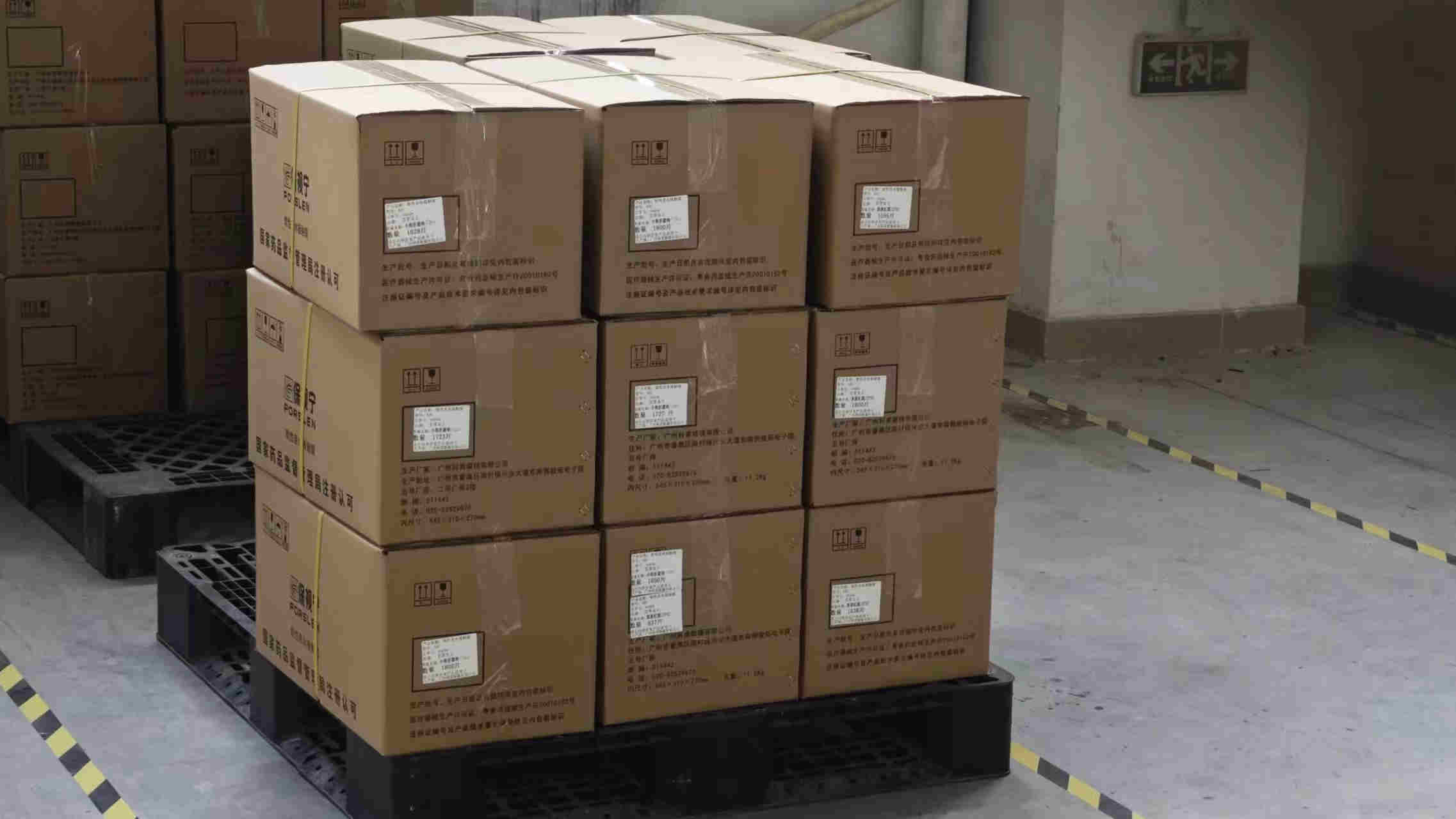
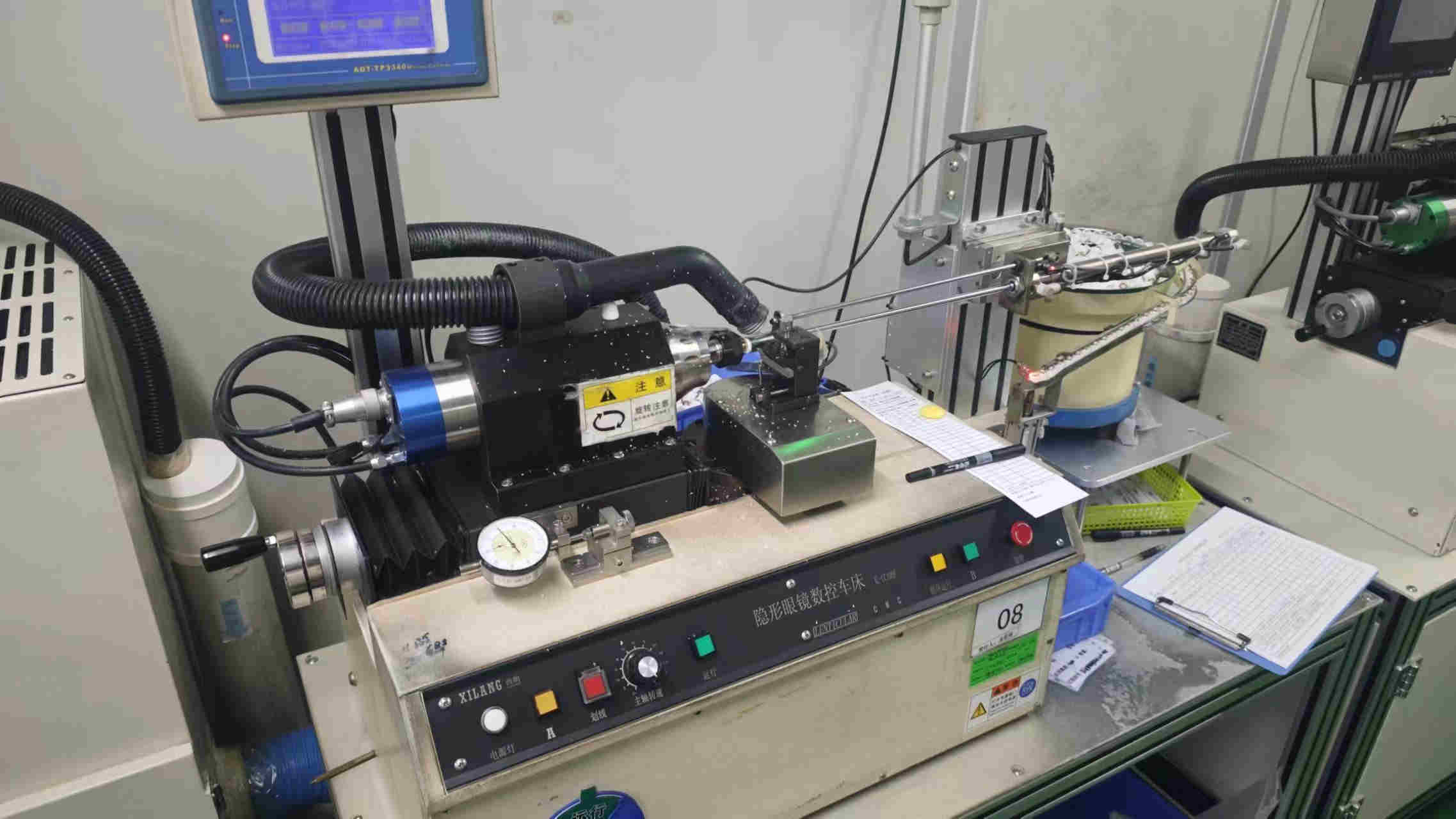
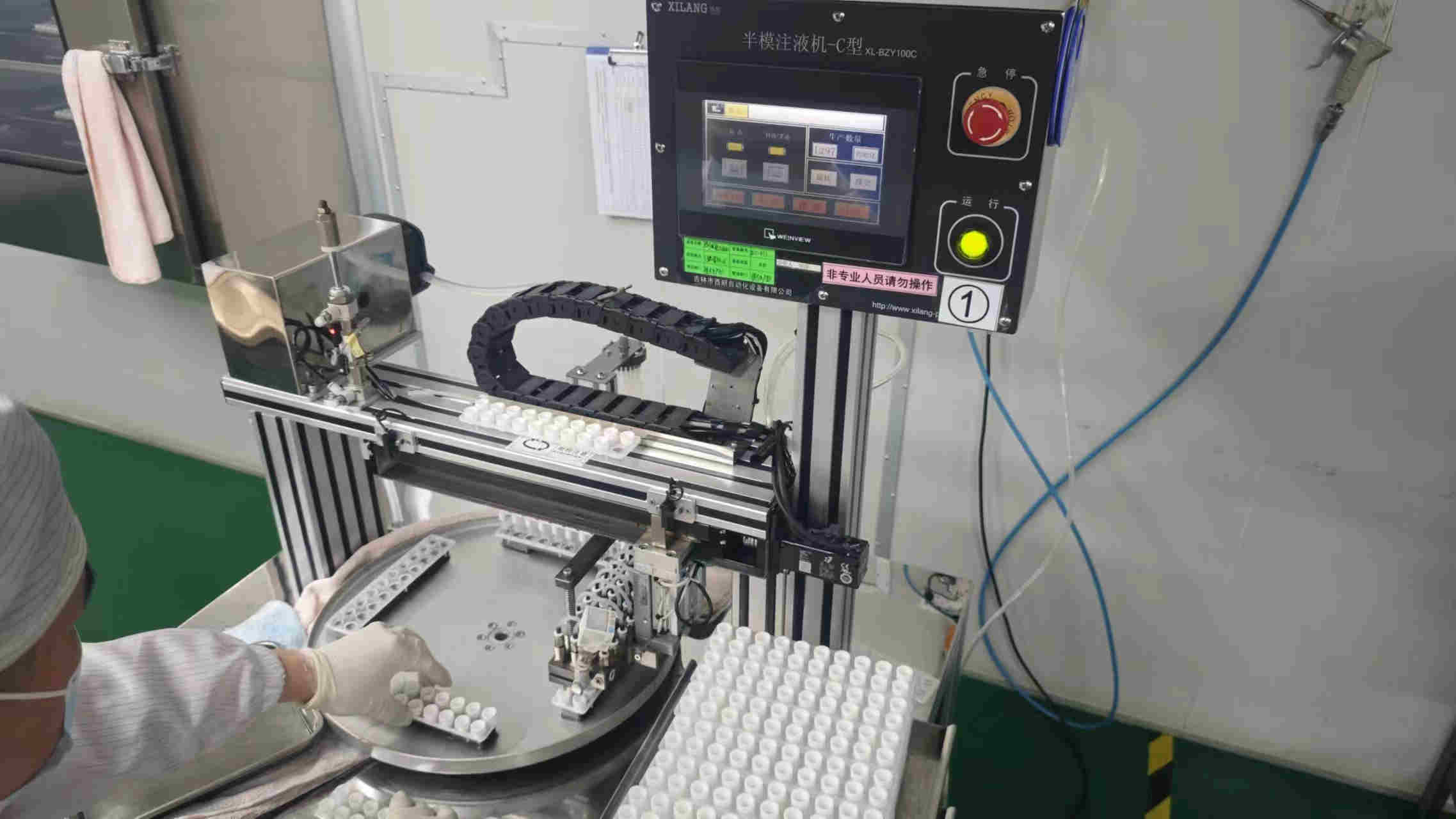
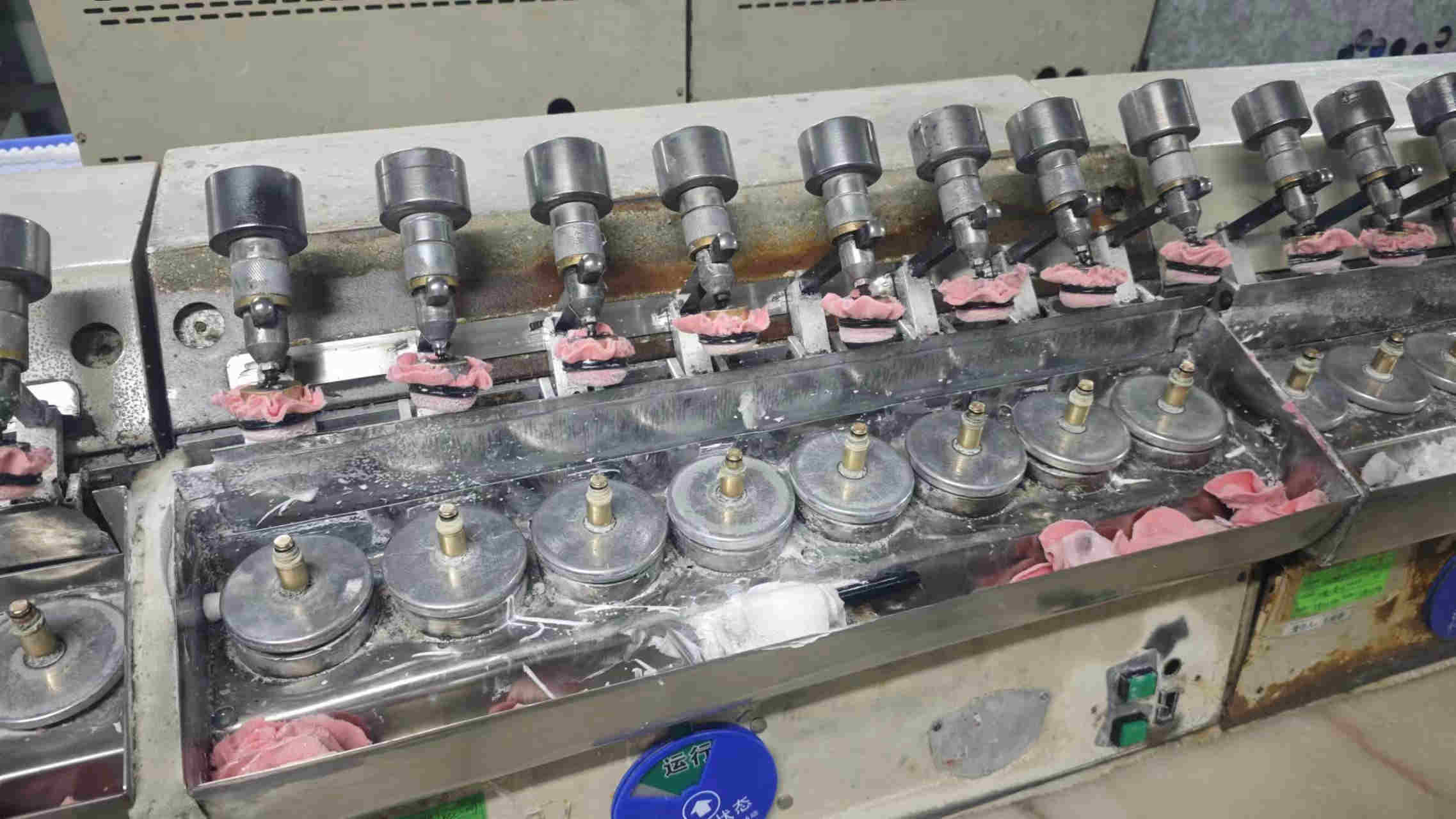
Exporting to South Korea requires deep regulatory expertise. As a primary manufacturer, Dongguan Chic Contacts Co., Ltd. maintains robust international compliance frameworks to support our partners.
Our manufacturing facilities are fully certified under ISO 13485:2016 medical device quality systems. Furthermore, our lens formulations have successfully secured CE Certificate pathways.
For the Korean domestic market, we provide comprehensive technical support for MFDS (Ministry of Food and Drug Safety) submissions. This includes delivering biological testing datasets (cytotoxicity, systemic toxicity, ocular irritation tests) in accordance with the international ISO 10993 framework. By preparing detailed testing portfolios beforehand, we help local importers in Seoul clear administrative hurdles in the shortest time possible.
The future of cosmetic contact lenses lies at the intersection of opticianry, aesthetics, and material science. We are actively developing next-generation configurations:
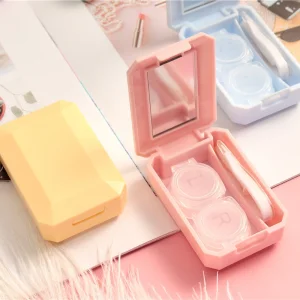
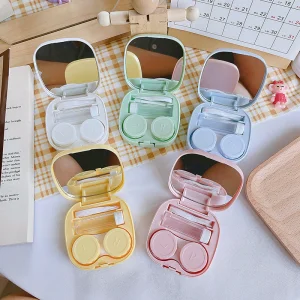
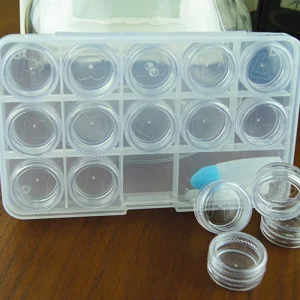
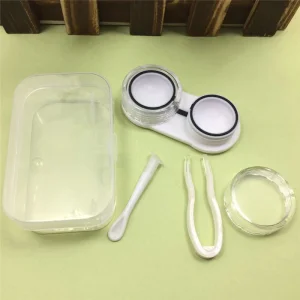
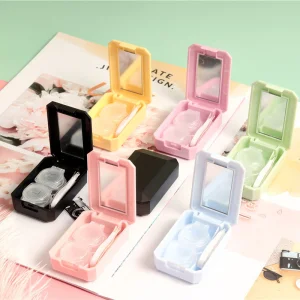
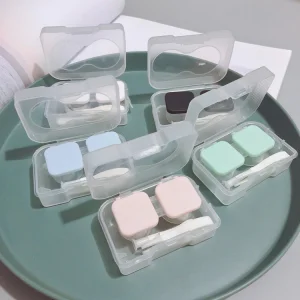
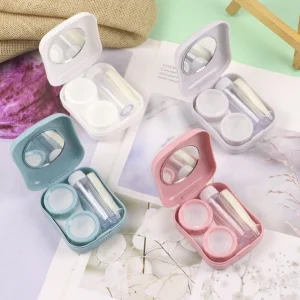
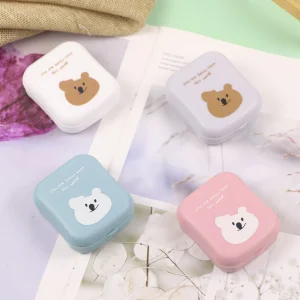
Engineered components, sterile storage boxes, and premium wear-cycles optimized for modern contact lens brands.
 Chic Contacts