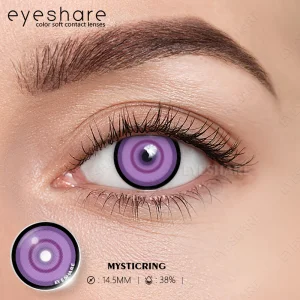
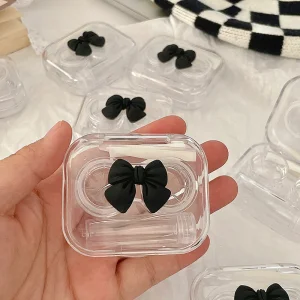
Engineered to satisfy high-volume specifications in Bamako and across West Africa, blending precise surface hydration with world-class packaging excellence.
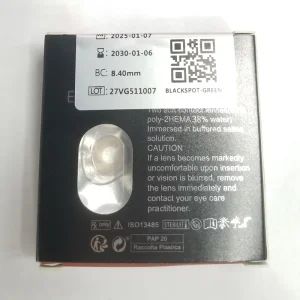
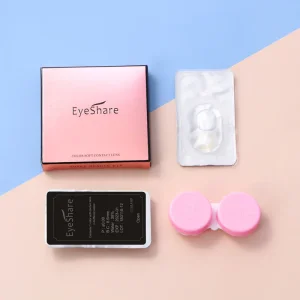
An authoritative breakdown of material performance, sub-Saharan atmospheric variables, and supply chain configuration for professional distributors.
The vision care infrastructure within the Republic of Mali is undergoing a pronounced structural transition. Historically dominated by traditional corrective spectacles, urban population centers such as Bamako, Sikasso, and Mopti are witnessing an unprecedented acceleration in the demand for soft contact lenses. This market shift is propelled by dual vectors: a expanding demographic of younger, digitally integrated consumers seeking cosmetic enhancement, and an increasing clinical awareness of the practical utility of contact lenses among ophthalmologists and optometrists. For optical brands and medical device B2B procurement professionals seeking to capture market share within this geography, developing a direct, factory-level relationship with a premier OEM/ODM manufacturer is no longer merely a margin-maximization strategy—it is a baseline operational requirement.
Dongguan Chic Contacts Co., Ltd. stands at the intersection of advanced ophthalmic polymer chemistry and highly scalable automated manufacturing. Operating from a fully validated, GMP-compliant facility in China, we engineered this technical white paper to analyze the specific atmospheric, biological, and logistical parameters governing contact lens adoption in Mali. By combining rigorous scientific insights with practical supply chain frameworks, our objective is to empower West African distributors to launch localized private labels that combine peerless biological safety with exceptional consumer comfort.
Deploying optical contact lenses within the Malian market requires a rigorous understanding of the local environment. Unlike temperate climates, the Sahelian atmospheric matrix introduces severe environmental challenges—specifically characterized by the dry Harmattan winds, elevated ambient dust loads, and extreme ambient temperatures that frequently surpass 40°C during the pre-monsoon season. These climatic variables exert tremendous physical stress on contact lenses in vivo, accelerating pre-lens tear film evaporation and exacerbating the risk of dry-eye syndrome, micro-abrasions, and secondary bacterial keratitis if the underlying lens matrix lacks appropriate physical properties.
Furthermore, from an industrial standpoint, Mali possesses no domestic manufacturing base for advanced ophthalmic contact lenses. The entire regional market depends completely on imports, which have historically been routed through European trading hubs, resulting in inflated landed costs and rigid, unresponsive supply chains. This structural gap presents a massive window of opportunity for localized private labels. By working directly with a primary Chinese factory, Malian optical brands can bypass multi-tiered distributor networks, customize geometric configurations (such as sagittal depth and base curves) for local anatomical profiles, and establish agile inventory cycles capable of reacting to real-time regional market shifts.
The cornerstone of a successful contact lens private label in West Africa lies in material science selection. The classic paradigm dictates that higher water content yields superior comfort; however, in highly arid environments like Mali, lenses with excessively high water content (above 58%) can behave like sponges. When placed on an eye experiencing rapid tear film evaporation, a high-water hydrogel lens draws moisture out of the patient's cornea to maintain its equilibrium hydration state, leading to severe corneal dehydration and localized epithelial staining.
To overcome this, Chic Contacts utilizes an advanced, low-to-mid range water content formulation (38% to 42%) blended with high-grade Poly-HEMA (Hydroxyethyl Methacrylate) and NVP (N-Vinyl Pyrrolidone) co-polymers. This specific material matrix provides several critical structural advantages:
Maintains geometric stability and oxygen transmissibility even when subjected to prolonged exposure to arid air currents and indoor air conditioning.
Resists lipid and protein deposition, a vital feature given the elevated ambient dust and airborne particulate concentrations common in Bamako.
Balances structural elasticity with high tensile strength, ensuring the lens resists tearing during handling while maintaining optimal centration on the cornea.
A successful B2B procurement strategy goes far beyond simple product delivery—it requires a comprehensive, macro-level product design solution. In the Malian demographic framework, cosmetic lenses are experiencing a major surge in popularity alongside standard clear corrective lenses. However, standard cosmetic color patterns engineered for European or Asian markets often fail to yield a natural appearance when applied to dark brown irises predominant among West African consumers.
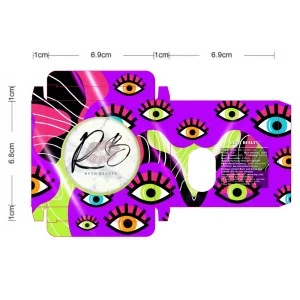
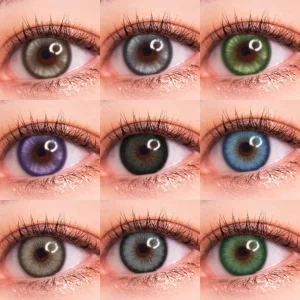
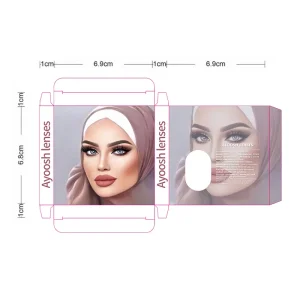
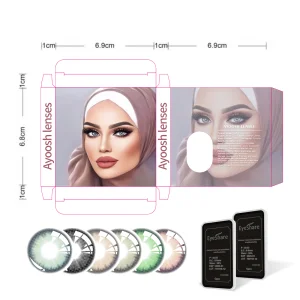
Chic Contacts has solved this through our proprietary 3-Tone Natural Layering Matrix. By using advanced multi-layer matrix printing technology, we blend a deep charcoal outer limbal ring with highly opaque, warm honey, hazel, or chestnut internal tones. This ensures complete coverage of dark underlying irises while maintaining depth and structural realism. On the logistics side, we provide tailored secondary packaging upgrades, utilizing high-density ivory board cartons and moisture-barrier blister foils that prevent package warping and seal degradation under extreme tropical warehouse conditions.
At our manufacturing facility, the integration of Industry 4.0 principles guarantees that every lens delivered to Mali conforms to strict medical device criteria. Traditional lathe-cutting techniques, which can introduce microscopic surface variations and edge roughness, have been entirely replaced across our core lines by high-speed wet cast molding systems. This technical approach guarantees complete geometric consistency across high-volume runs, a critical factor for professional optometric groups requiring precise repeat prescription outcomes.
Our automated production sequence encompasses computerized liquid monomer injection into precision-machined molds, laser-guided cosmetic design printing directly into the polymer matrix (ensuring the pigment never directly touches corneal tissue), and continuous real-time machine vision inspection systems. Every single contact lens undergoes a high-resolution automated optical inspection (AOI) scan to detect edge micro-tears, surface inclusions, or centration variances. Lenses that pass are immediately sealed into high-grade medical polypropylene blister packs before undergoing final terminal sterilization in validated steam autoclaves, yielding a shelf life of up to five years—ideal for international distribution routes.
Navigating the cross-border import frameworks for optical medical devices in West Africa demands absolute compliance clarity. Contact lenses enter Mali subject to regulations enforced by the Ministry of Health and Public Hygiene (Ministère de la Santé et de l'Hygiène Publique). To ensure smooth custom clearances at entry hubs like Bamako-Sénou International Airport or dry port terminals, Chic Contacts provides a comprehensive documentation suite, including complete CE certifications, ISO 13485 quality management credentials, Certificates of Free Sale (CFS), and fully validated batch sterilization certificates.
Logistically, shipping to landlocked Mali requires a robust intermodal strategy. Chic Contacts orchestrates multi-modal transportation corridors, primarily utilizing expedited ocean freight from Shenzhen or Guangzhou ports to regional maritime gateways such as the Port of Dakar (Senegal) or the Port of Abidjan (Côte d'Ivoire), followed by secured rail or containerized road transport along established trade routes directly into Bamako customs nodes. For high-value cosmetic lens launches or critical replenishment cycles, we maintain specialized accounts with major air cargo carriers, offering reliable door-to-port freight transit timelines within 7 to 10 working days.
A transparent look inside our modern GMP-standard cleanroom facilities, outlining the precise manufacturing phases of our custom private-label lenses.
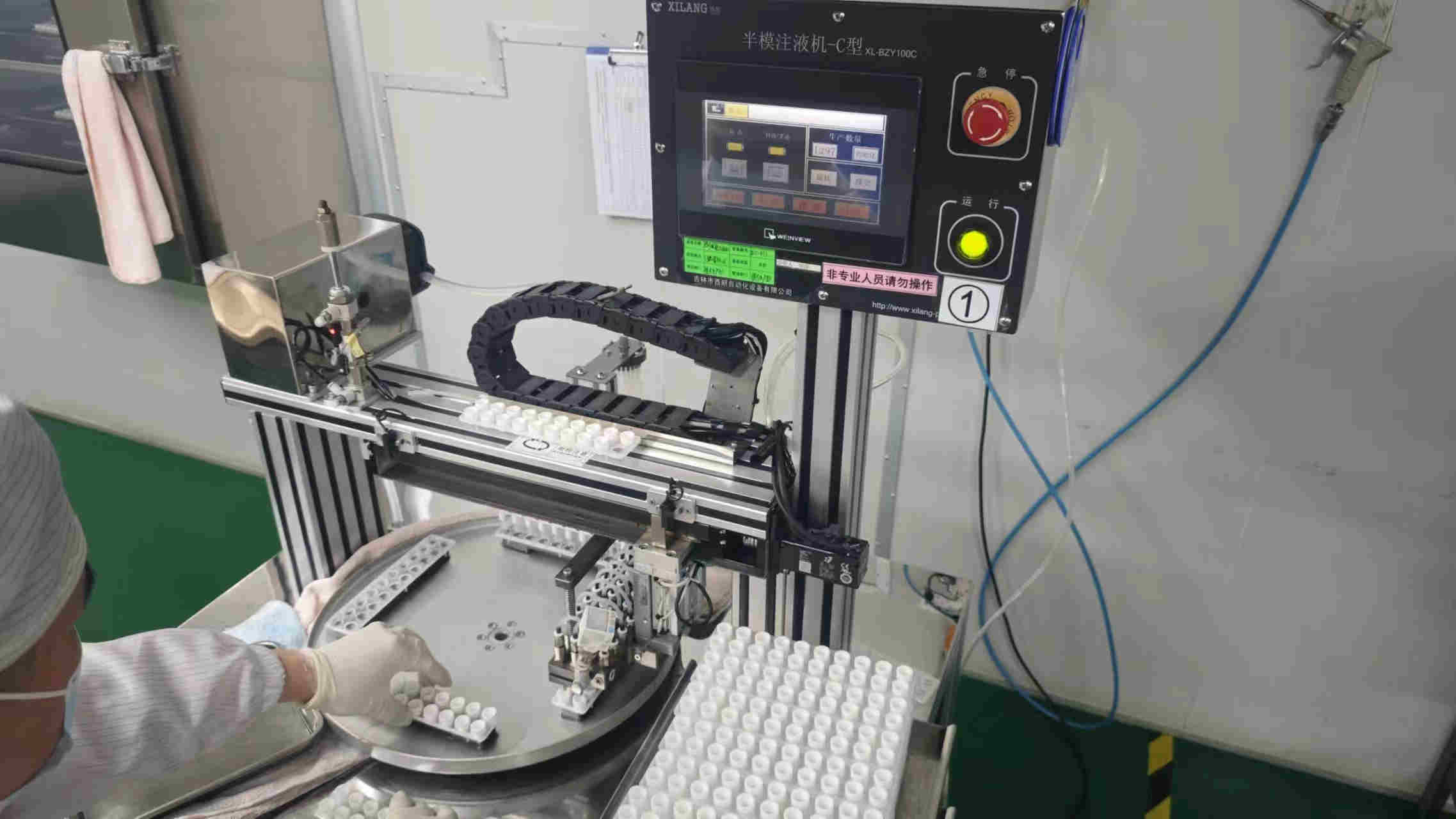
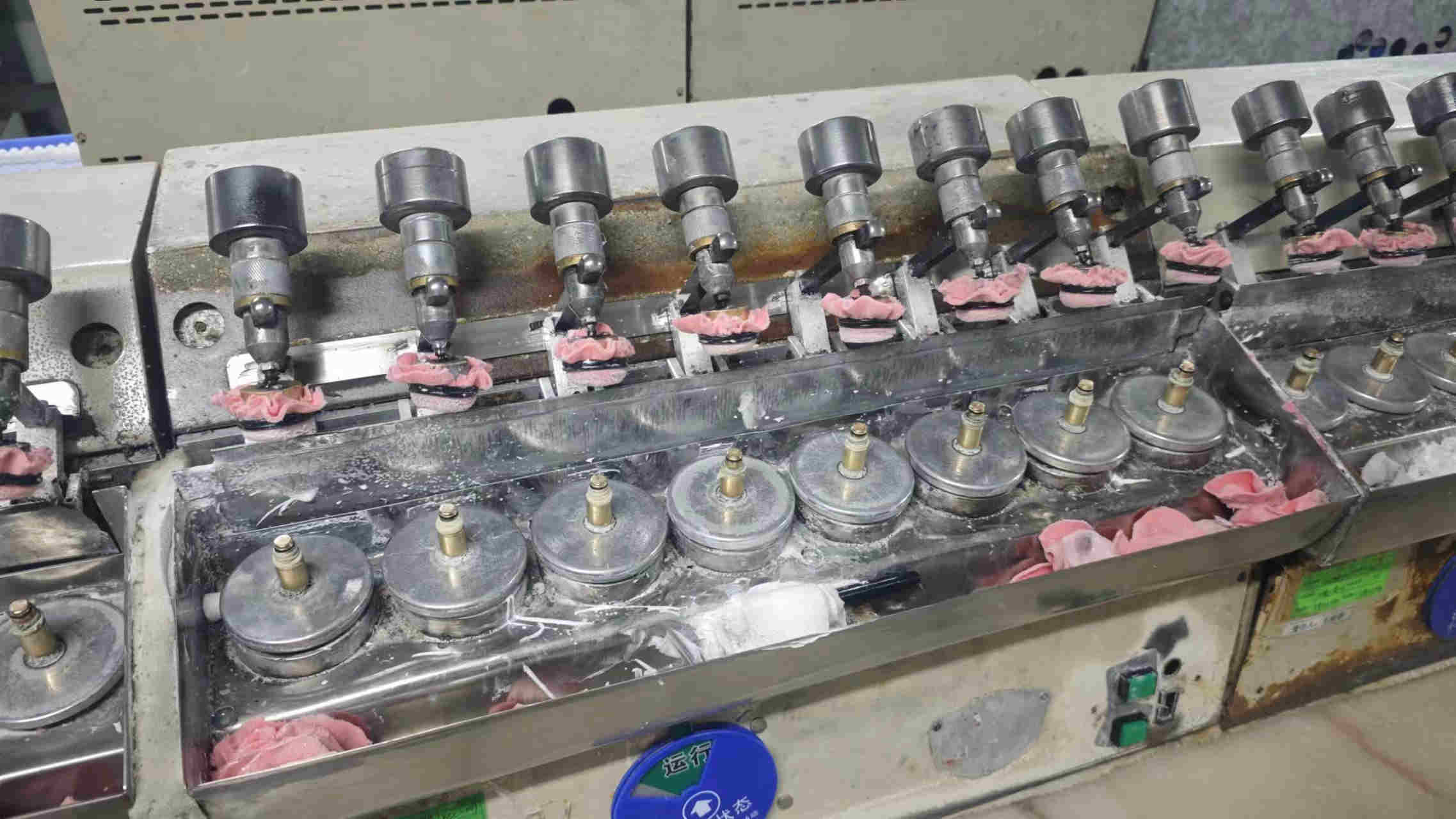
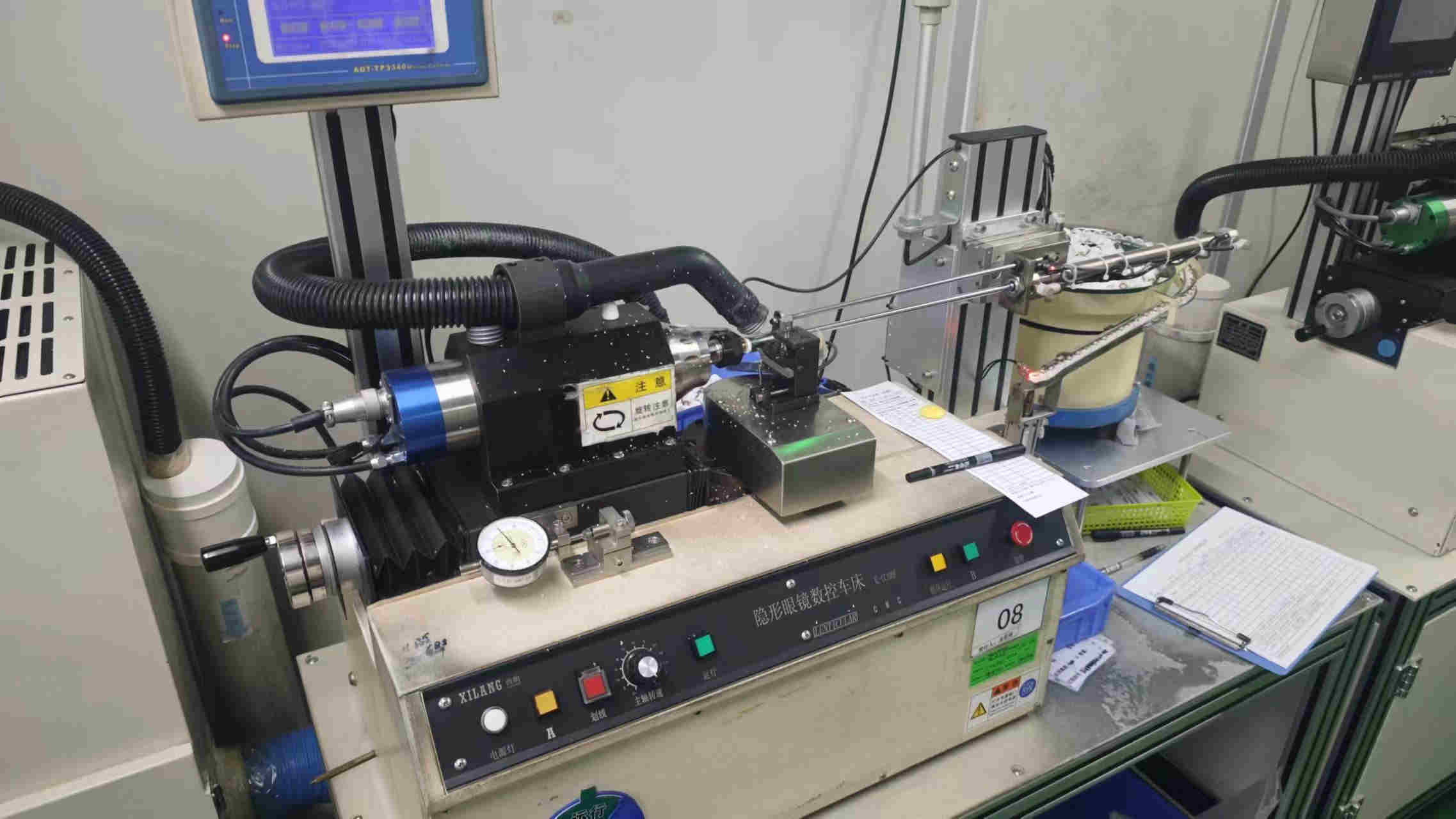
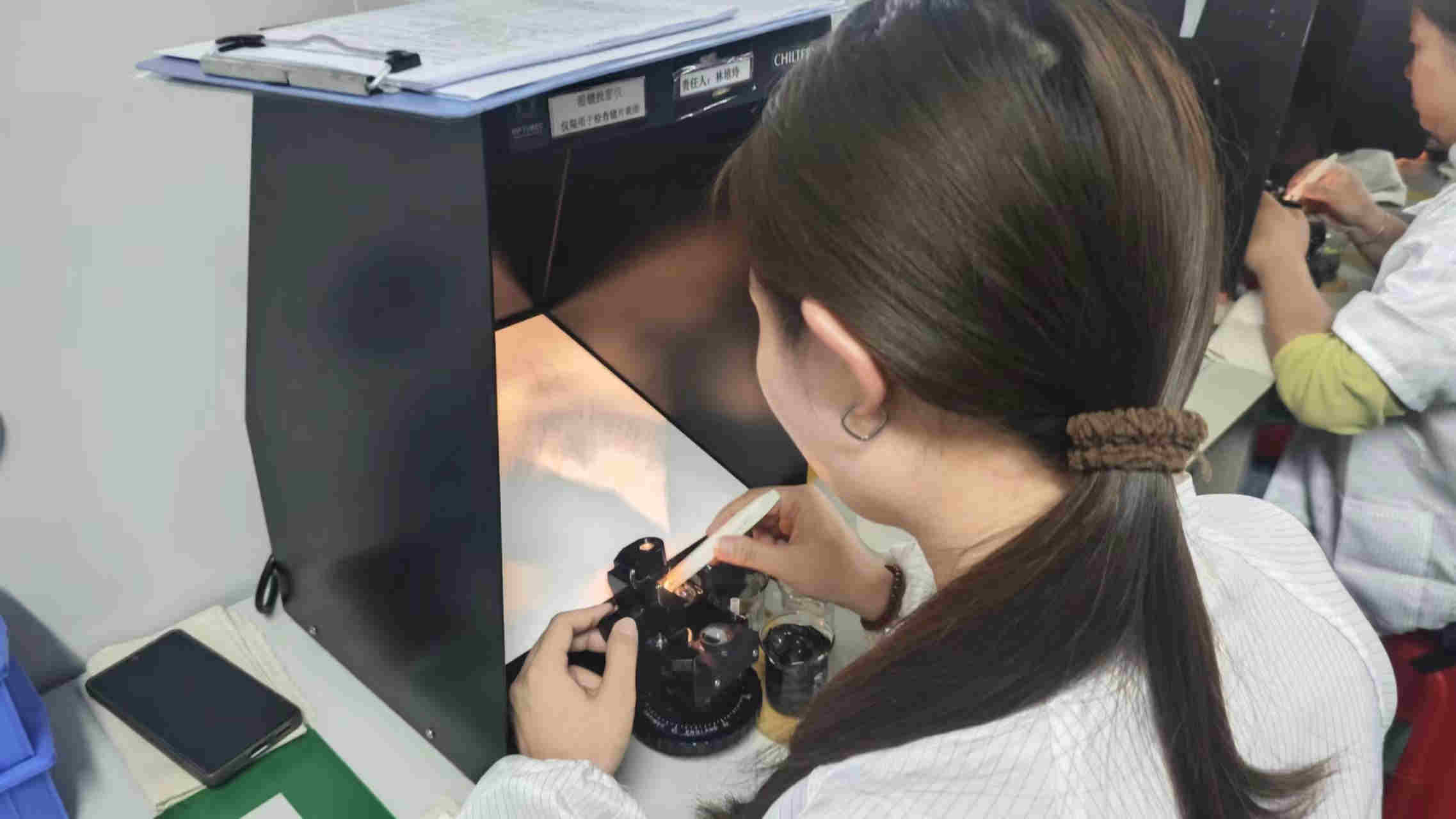
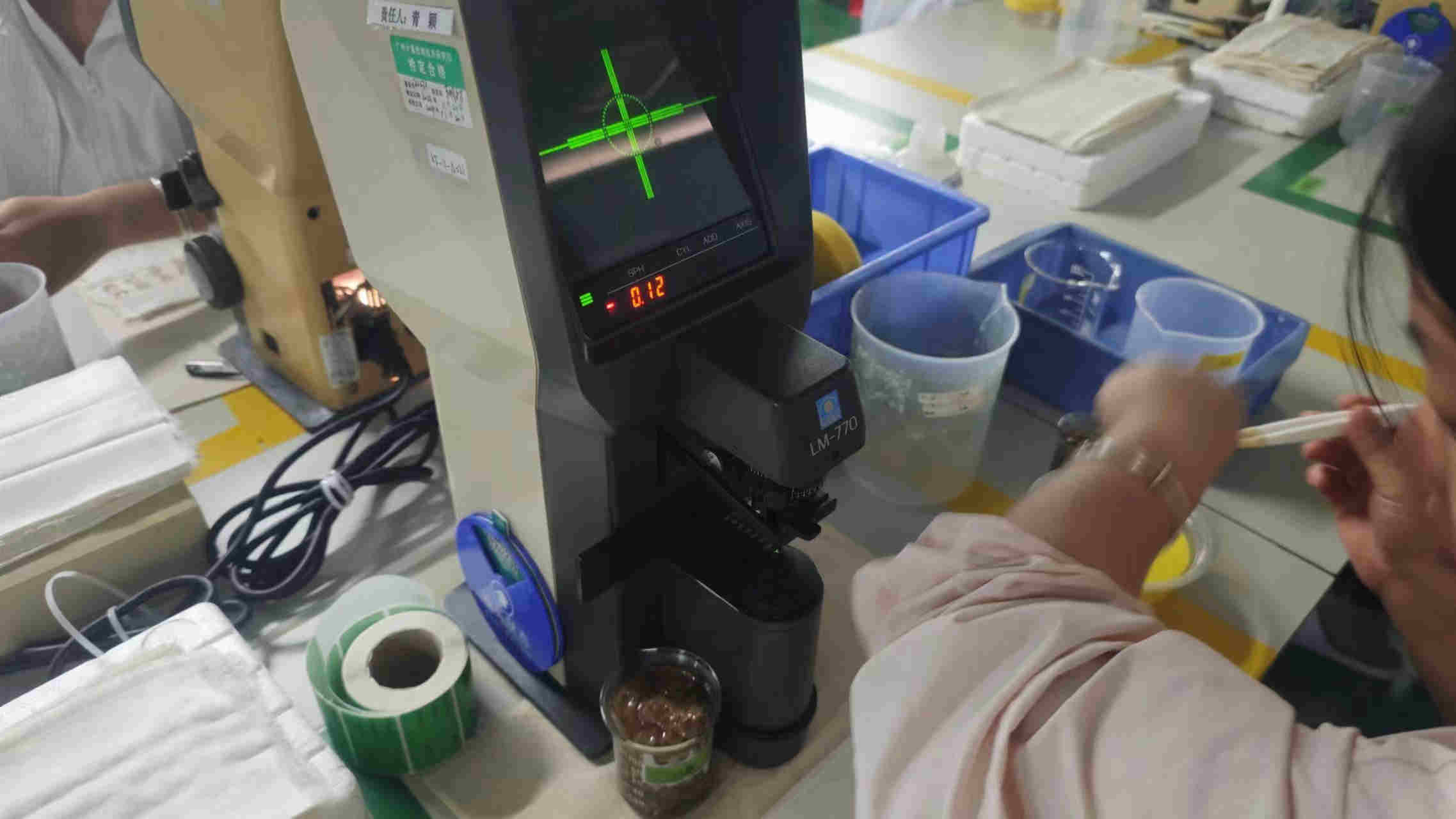
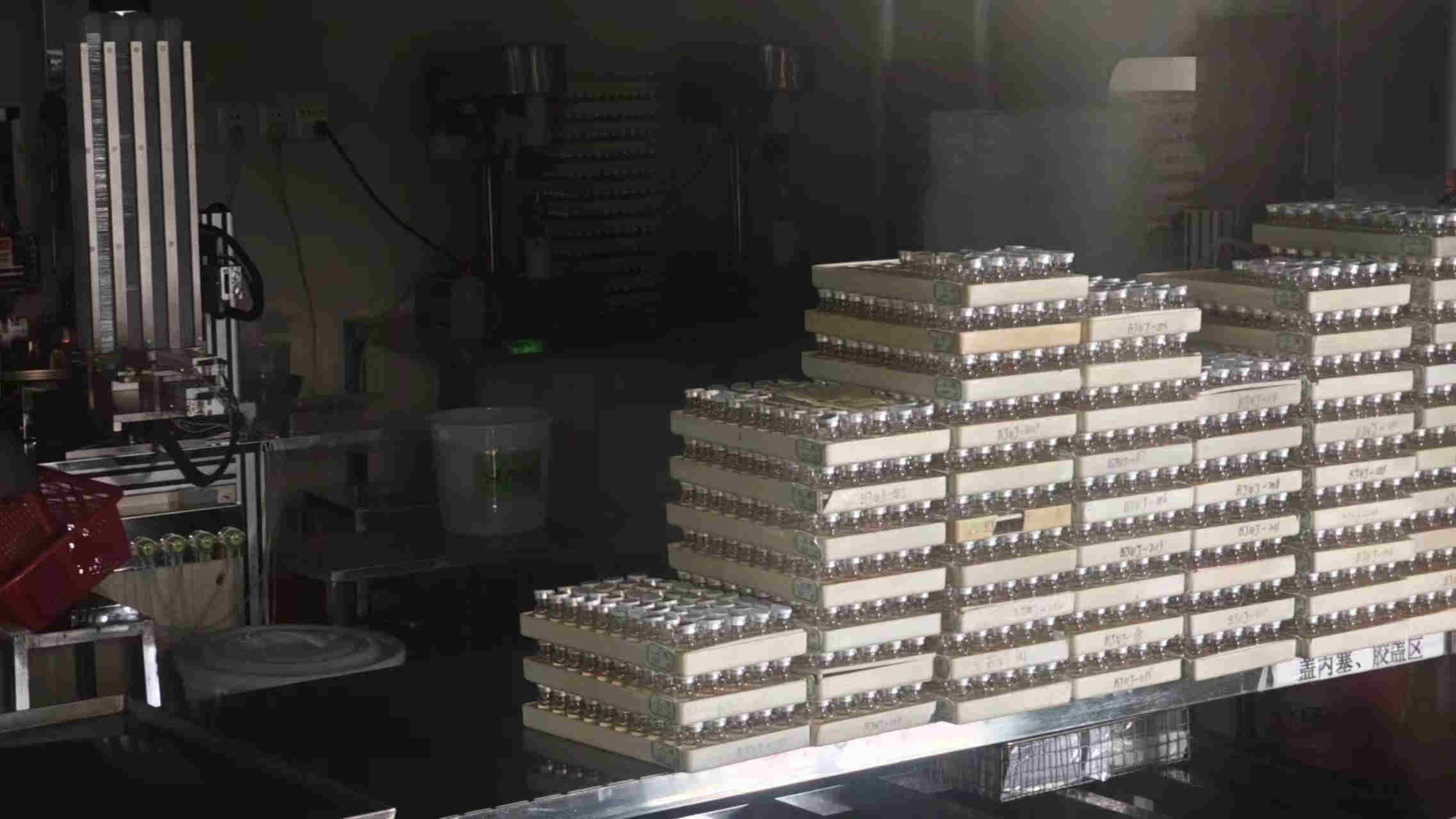
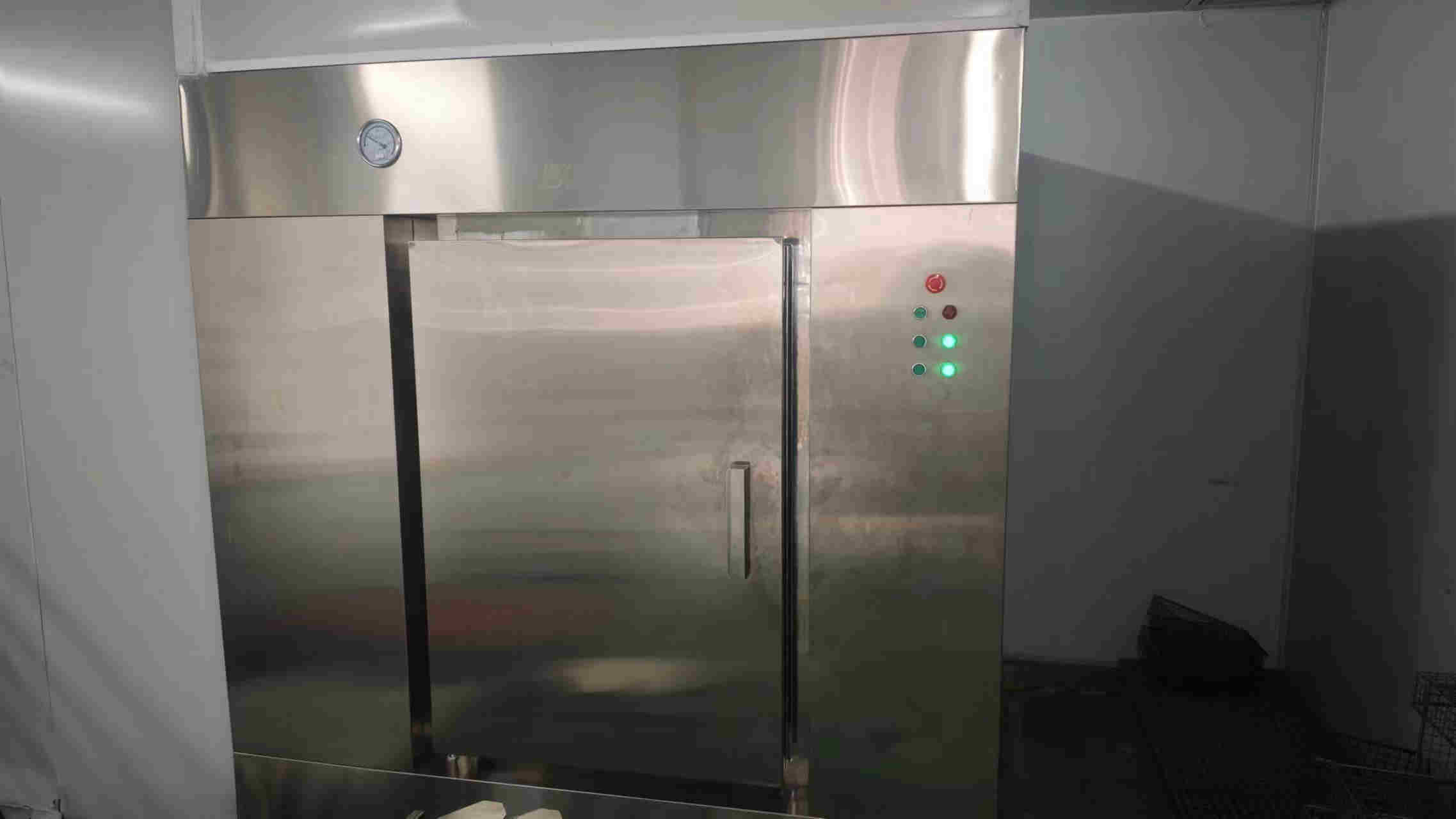
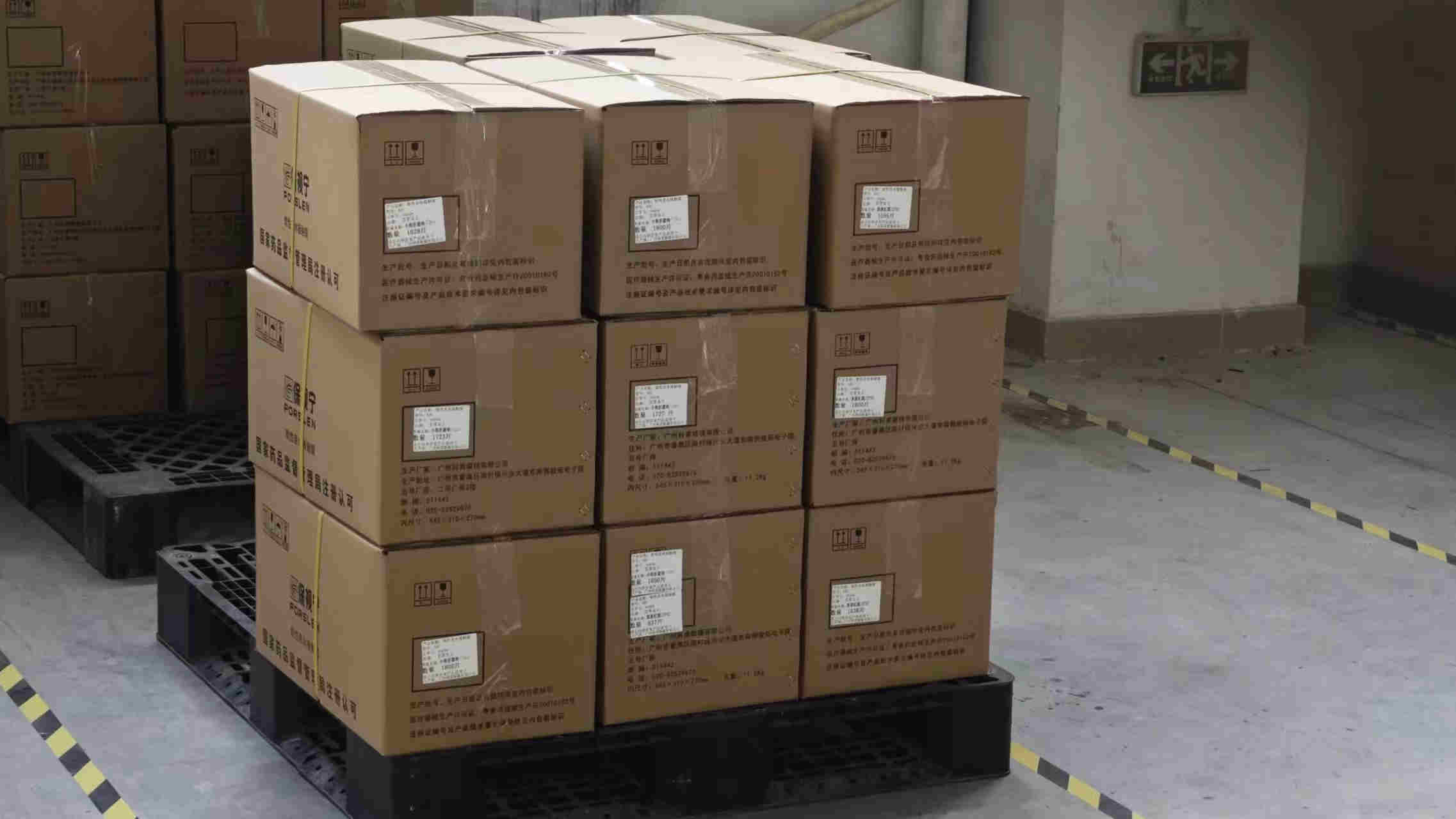
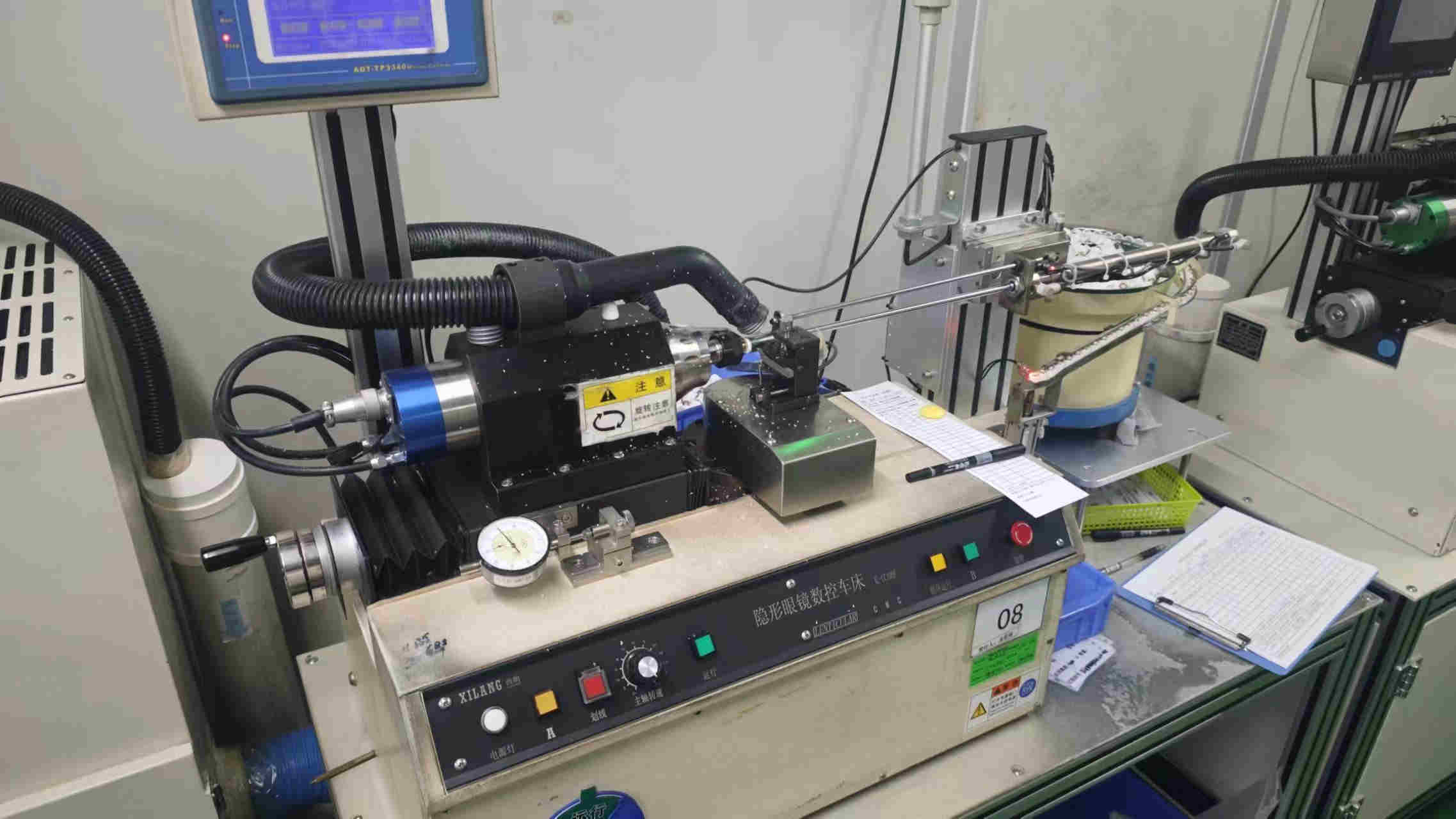
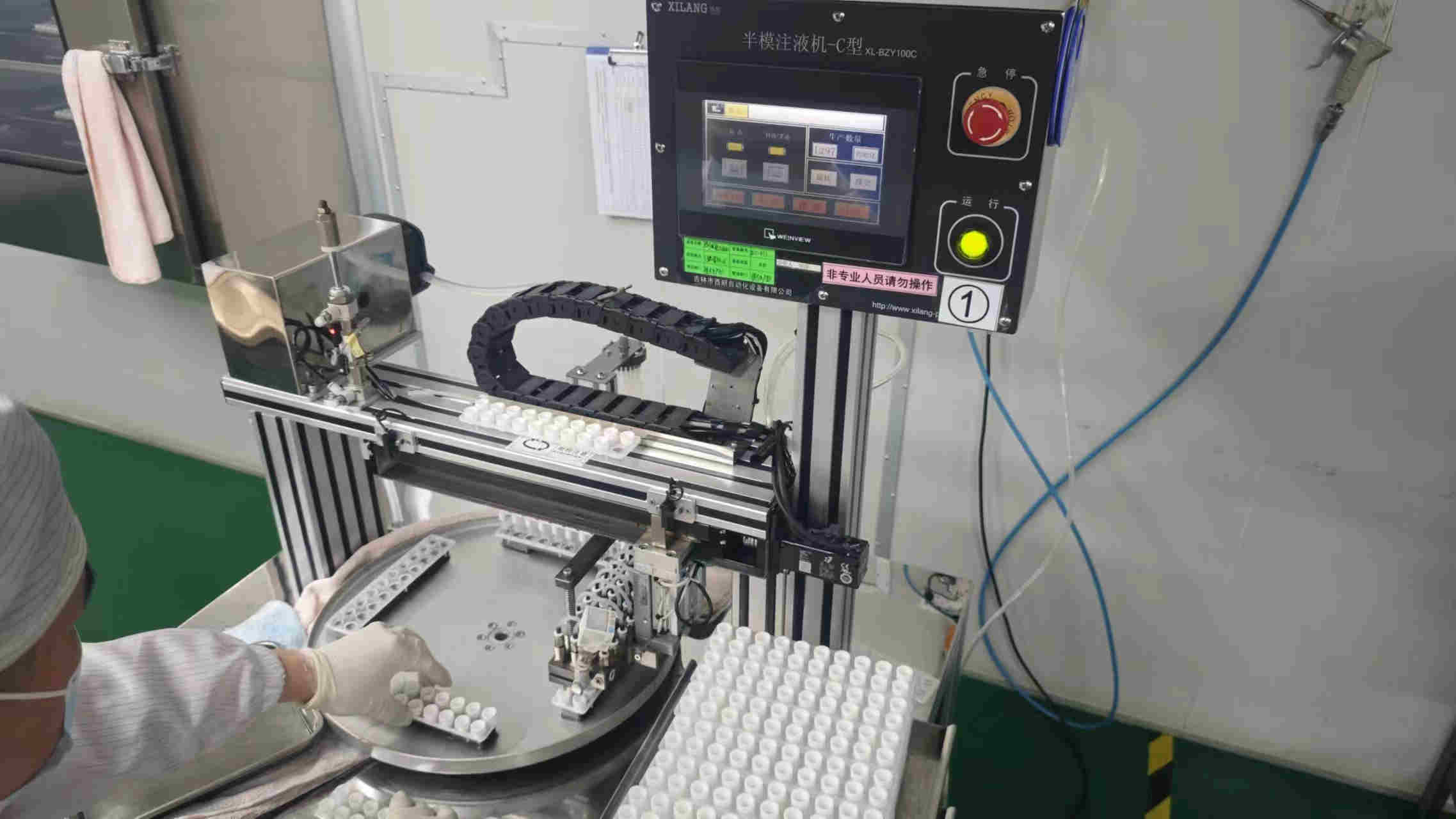
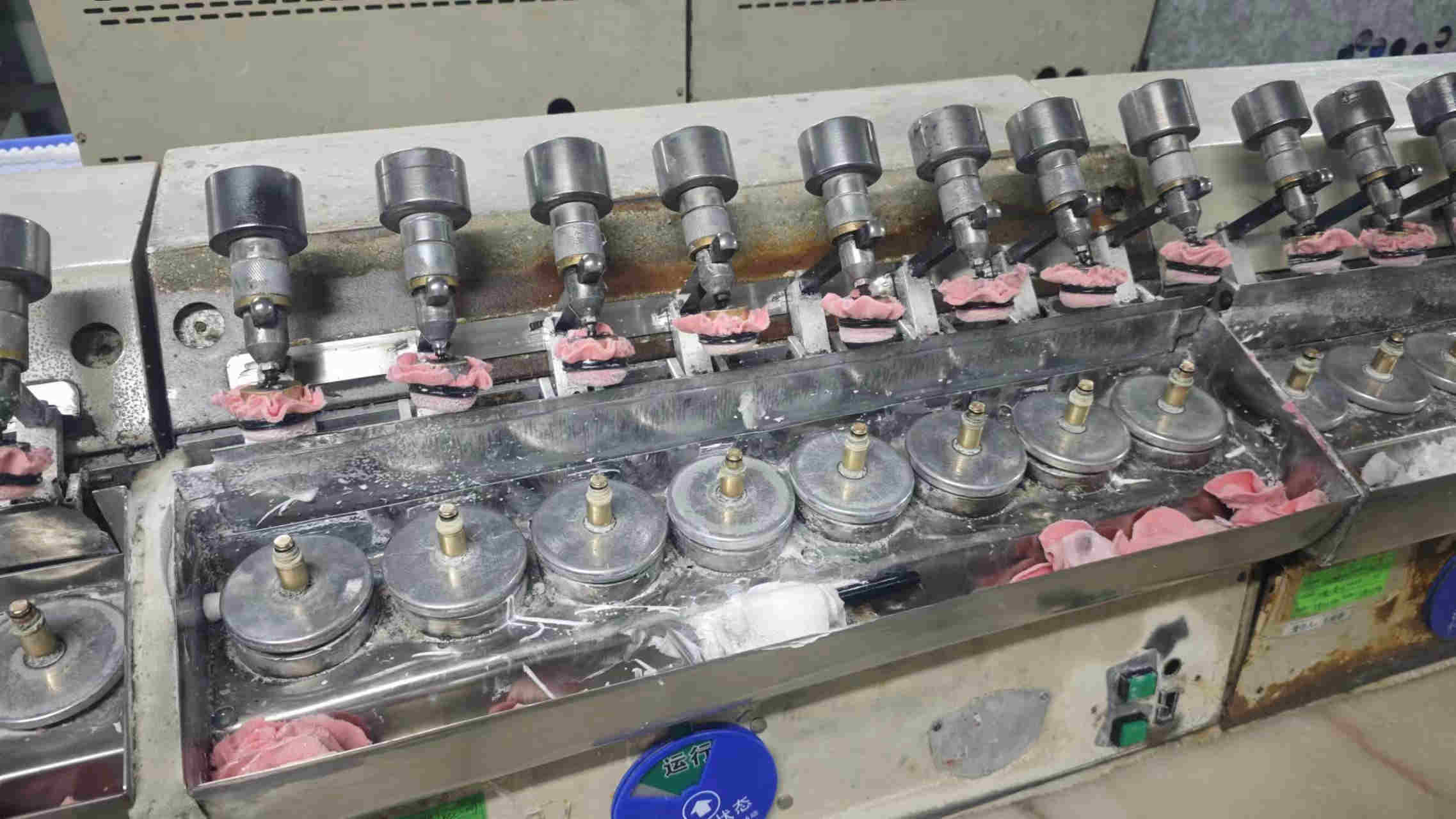
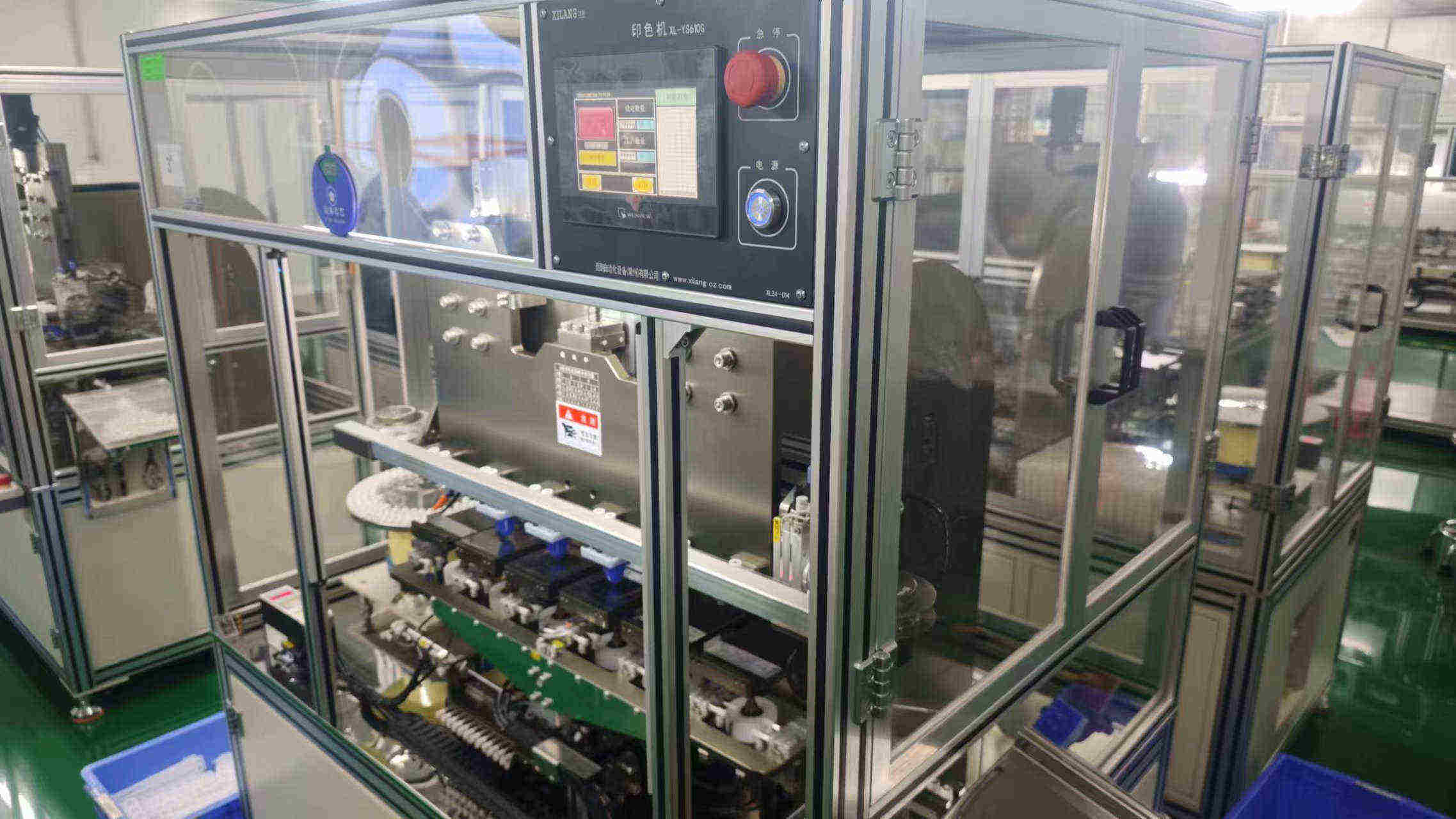
For large-scale importers and optical distributors in Mali, establishing an OEM workflow involves a sequence of structured milestones designed to eliminate risk and verify alignment at every phase. The process initiates with design and color definition. Partners can either select from Chic Contacts' vast repository of market-proven designs or collaborate with our design studio to formulate bespoke color parameters tailored to African consumer preferences. Once a design blueprint is locked, we proceed to the fast-prototyping phase, providing physical lens evaluation samples alongside mock-ups of custom secondary packaging options.
Following sample validation and formal clinical evaluation approval by your internal optometric panel, our automated lines scale to full volume production. Chic Contacts features incredibly flexible Minimum Order Quantities (MOQs), allowing growing brands to scale smoothly without heavy capital lockups. Throughout the production run, our quality control logs remain fully transparent and accessible, providing corporate procurement teams with absolute oversight of batch performance criteria, sterilization metrics, and geometric verification data.
About Dongguan Chic Contacts Co., Ltd.
Founded in Dongguan, China, Dongguan Chic Contacts Co., Ltd. is a leading, specialized manufacturer dedicated to the research, development, and high-volume production of premium contact lenses and colored cosmetic lenses. Operating from a state-of-the-art, GMP-standard cleanroom facility, we combine advanced cast-molding technologies with automated production lines to deliver lenses with exceptional oxygen permeability, moisture retention, and centration. Our robust supply chain allows us to support an extensive portfolio, ranging from daily disposables to yearly replacement lenses, utilizing market-proven materials like Hydrogel and Hema. As a trusted global OEM/ODM and private-label partner, Chic Contacts strictly adheres to international quality management systems, ensuring our products meet stringent global regulatory standards (CE/ISO). From custom pattern design and fast prototyping to mass production and compliant packaging, we provide end-to-end manufacturing solutions that empower global eyewear brands, distributors, and fast-fashion labels to scale with confidence.
Addressing the core clinical, operational, and logistical inquiries of professional contact lens buyers looking to import into West Africa.
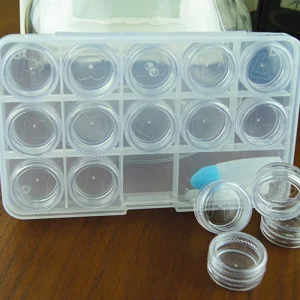
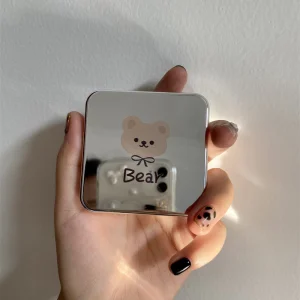
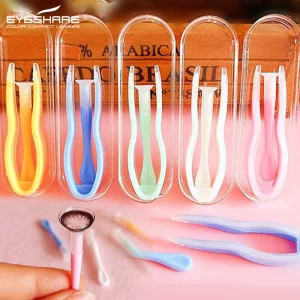
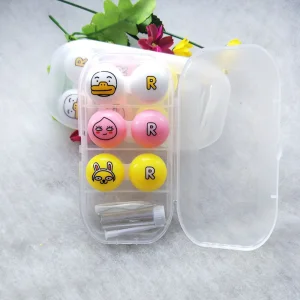
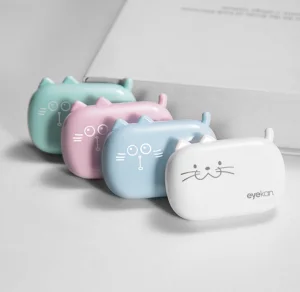
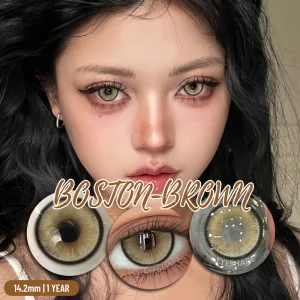
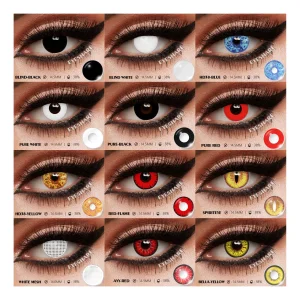
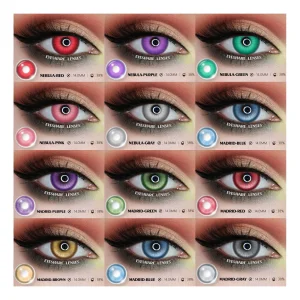
Explore our extensive array of certified daily, monthly, and yearly soft lens options, complete with specialized care storage and customized private label packaging accessories.
 Chic Contacts